How to Fix a Basement Drain Backing Up (7 Step Guide)
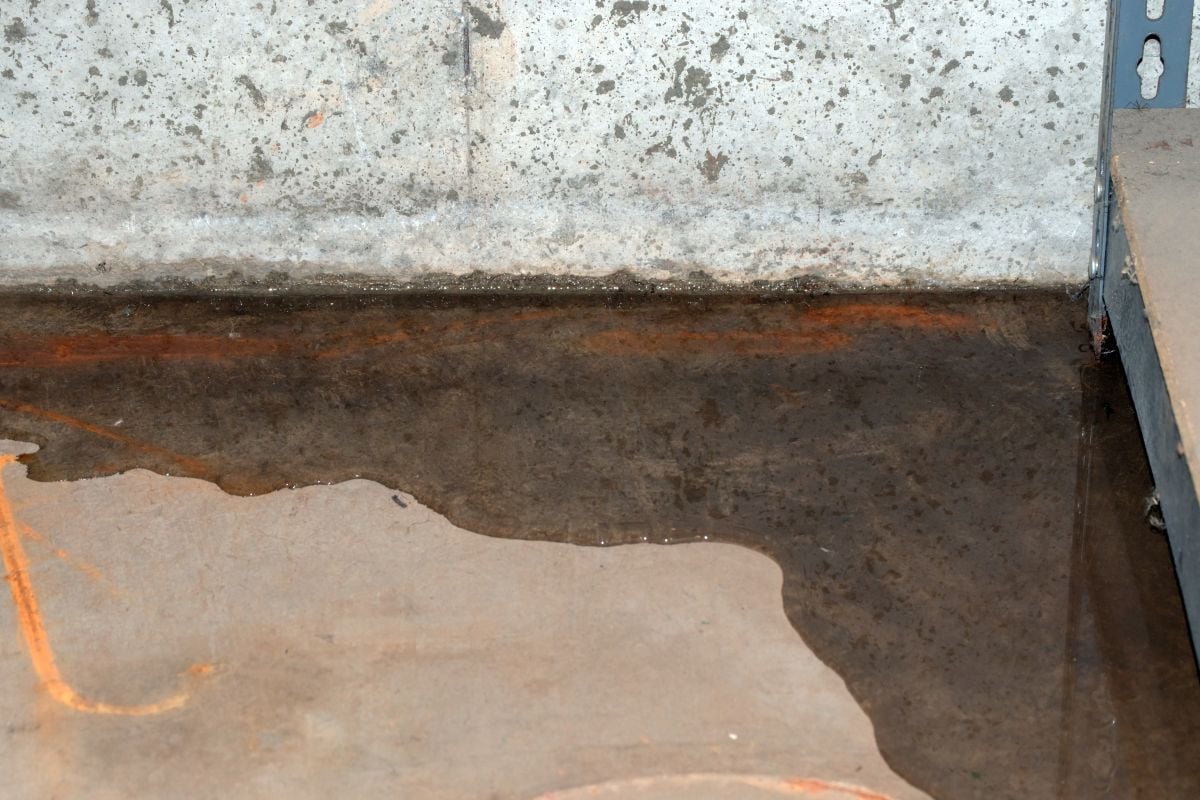
Few things stop a homeowner in their tracks like dirty water rising out of the floor. A basement drain backing up is rarely a random event. It usually means something downstream is blocked, broken, or overwhelmed, and the basement is simply the first place the problem shows itself. Acting quickly limits damage, and getting a clear view of what is happening underground helps you fix the real cause instead of just the symptom.
Key points in this guide:
- Why basement backups deserve immediate attention
- A 7 step process for stopping and fixing the backup
- How to read the clues your drain is giving you
- Which long-term fixes help keep the basement dry

Why a Backed-Up Basement Drain Needs Fast Attention
Your basement floor drain sits at the lowest point of your home’s drainage system, so it acts like an early warning system for the entire plumbing system. When water comes up instead of going down, the main line serving every sink, tub, and toilet in the house is often the one struggling.
- Less water damage: Catching a basement floor drain backup early keeps excess water away from drywall, flooring, stored belongings, and appliances.
- Healthier living space: Contaminated water carries bacteria, and water pooling in a basement invites mold growth and a foul odor that can spread through the home.
- Lower repair bills: A minor clog cleared today is far simpler than broken pipes or a flooded finished basement next month.
- Safer DIY decisions: Knowing the risks keeps you from making things worse, such as opening a sewer cleanout or running a cable into a drain that still has chemical cleaner in it, which is a job better left to a professional plumber.
For homeowners in Kirkland and surrounding areas, long rainy stretches and older neighborhood sewer lines make floor drain backups a familiar concern. Treating the first sign of trouble seriously is the most reliable way to keep a small plumbing issue from turning into a major restoration project.
7 Steps to Fix a Basement Drain Backing Up
The steps below move from immediate damage control to diagnosis and finally to a lasting repair. Work through them in order, and stop to call for help any time the situation involves a sewage backup, large amounts of water, or damaged pipes you cannot safely access.
1. Stop Using Water Throughout the House
Every flush, shower, and load of laundry sends more water toward the blockage. Ask everyone to pause water use until you know what is going on.
- Turn off the washing machine and dishwasher mid-cycle if needed
- Avoid flushing toilets on any floor
2. Protect Yourself and the Area Around the Drain
Backed-up water can contain sewage, so treat it with caution. Put on rubber gloves and boots, keep children and pets out of the basement, and move valuables off the floor.
If water is near outlets or appliances, shut off power to the area at the breaker panel if you can do so safely.
3. Figure Out Which Fixtures Are Affected
Where the problem shows up tells you where the clog likely is. If only the floor drain has slow drainage, the issue may be local to that drain or its trap. If multiple drains react together, including toilets, tubs, and other drains upstairs, you are likely dealing with a main sewer line blockage.
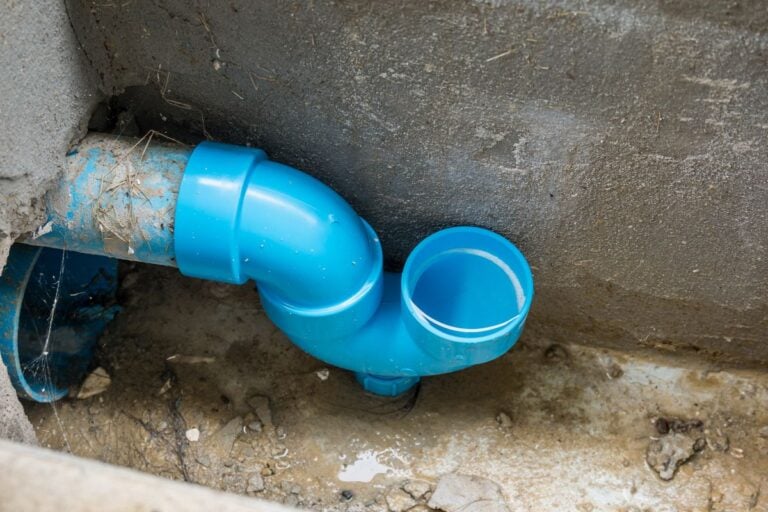
4. Clean the Grate and Check the Trap
Remove the drain cover and look for hair, lint, dirt, soap residue, and sediment sitting on top of or just inside the opening. Basement drains near laundry areas collect a surprising amount of debris over time.
- Scoop out visible buildup by hand with gloves on
- Use a wet/dry vacuum to pull sediment out of the trap
- Refill the trap with water afterward so it keeps sewer gas out
- Install screens over the grate to catch debris going forward

5. Try a Plunger or Drain Snake
For a minor clog, a heavy-duty plunger with a tight seal or a small hand-held drain snake may be enough to unclog a basement floor drain. Baking soda followed by hot water can also loosen light buildup. Work slowly and avoid forcing tools against resistance, since older pipes can be fragile.
Skip chemical drain cleaners, since they rarely reach deep clogs and can damage aging pipes. If an electric snake cannot clear the drain line, call a plumber immediately.
6. Rule Out Storm Water and Outside Causes
Some backups have nothing to do with a clog in your pipes. If the drain only overflows during heavy rainfall, the cause may be storm water overwhelming the system, a sump pump failure, or a municipal sewer system that is temporarily overloaded.
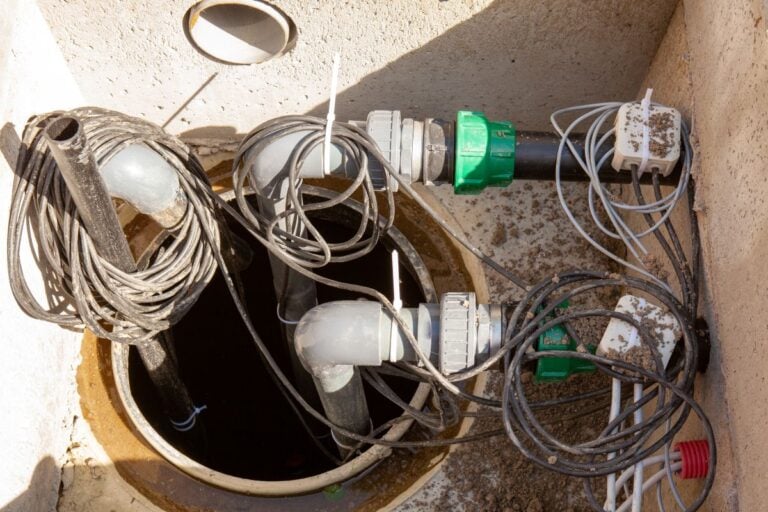
Check whether your sump system is running and ask neighbors about similar problems, since a shared issue often points to the city’s sewer system rather than your own line.
7. Schedule a Camera Inspection and Professional Cleaning
If the backup returns, affects multiple plumbing fixtures, or leaves a sewage smell, it is time for professional help. A sewer camera shows the exact location and cause of the blockage, whether it is tree roots, grease buildup, a sagging belly, or a cracked pipe.
From there, a technician with professional equipment can recommend the right fix, such as cabling, hydro jetting, or a targeted repair.
Following these steps in order gives you the best chance of solving the problem the first time. The key is knowing when a quick DIY fix is enough and when the pattern points to something deeper in the line.
What Your Backup Is Trying to Tell You
A basement backup leaves behind clues that help narrow down the cause before anyone picks up a tool. Paying attention to the timing, the water itself, and how often it happens can save time during diagnosis.
- Clear or lightly tinted water after a storm: This usually suggests groundwater or storm water entering the system, often tied to sump pumps, footing drains, or an overloaded city sewer.
- Dark water with a sewer smell: This points to a main line blockage, where household waste has nowhere to go but back up through the lowest opening.
- Backups that follow heavy water use: Slow drains after laundry day or several showers in a row often mean a partial clog that can handle small amounts of flow but not large surges.
- Repeat problems every few months: Recurring backups frequently come from tree roots, pipe bellies, or offset joints that trap debris no matter how often the line is cleared.
Homes in Kirkland and surrounding areas often combine mature trees with decades-old clay or cast iron sewer lines, which makes root intrusion and pipe deterioration common culprits. Reading these signs carefully helps you describe the drainage problem to a technician and avoid treating the wrong issue.

Long-Term Fixes That Keep Your Basement Dry
Clearing a backup solves today’s problem, but preventing the next one takes more. The right long-term solution depends on what the camera inspection finds and how your drain system is set up.
Comparing Your Prevention Options
Each option below targets a different cause, so matching the solution to the inspection findings matters.
| Solution | Best For | What It Does |
| Routine drain cleaning | Grease, sediment, and minor buildup | Keeps the main line flowing before clogs form |
| Hydro jetting | Heavy buildup and light root growth | Scours pipe walls with high-pressure water |
| Backwater valve | Homes affected by public sewer surges | Lets water leave the home but blocks it from coming back |
| Floor drain backflow plug | Occasional minor backups | Seals the floor drain against rising water |
| Sewer line repair or lining | Cracks, bellies, and severe root damage | Restores a structurally sound pipe |
Habits That Make a Difference
Small daily choices go a long way toward protecting your sewer line. Avoid pouring grease or coffee grounds down the kitchen sink, keep wipes and paper towels out of toilets, and use a lint trap on the washing machine discharge if it drains into a basement sink.
It also helps to run water into basement drains regularly so traps stay full, point downspouts away from the foundation, and test your sump pump before the rainy season. Combining good habits with the right mechanical protection is the best way to prevent future backups.
Frequently Asked Questions About a Basement Drain That Keeps Backing Up
Homeowners dealing with a backup often have the same handful of questions. Here are straightforward answers to help you decide on your next move.
Why is my basement floor drain backing up?
The floor drain is the lowest opening in your plumbing, so when the main sewer line is blocked or overloaded, water flows back up there first. This happens whether your home connects to the city sewer or a septic tank. The cause is usually downstream of the drain, not the drain itself.
Can I use a chemical drain cleaner on a basement drain?
It is best to avoid them. Chemical cleaners rarely clear main line clogs, can harm older pipes, and make the line dangerous for anyone who has to open it later.
Is a basement drain backup an emergency?
It can be. If the water smells like sewage, keeps rising, or affects several fixtures, stop using water and call a professional right away to limit damage and health risks.
Why does my basement drain back up only when it rains?
Rain-related backups often point to storm water entering the drainage system, a failing sump pump, or an overwhelmed public sewer. A backwater valve can help in many of these cases.
How can I stop my basement drain from backing up again?
Start with a camera inspection to find the true cause. From there, regular cleaning, root treatment, a backwater valve, or a pipe repair can address the specific issue.
If your situation does not match these answers, a professional inspection is the fastest way to get clarity. Every home is different, and the right fix depends on what is inside the line.

Get Your Basement Drain Flowing Again
A backed-up basement drain is your home’s way of telling you something needs attention, and the sooner you respond, the less damage you will face. Brewer Sewer helps homeowners in Kirkland and surrounding areas find the source of the problem with camera inspections and fix it with lasting solutions. Whether you are dealing with a clogged basement floor drain or a backup that keeps coming back, contact us today to schedule service and protect your home.