
Sewer Backup: 5 Causes, Signs & Solutions
A sewer backup is one of the most stressful issues a homeowner can face, bringing unpleasant odors, potential health risks, and costly damage. Understanding what causes backups and how to respond can help you act quickly and minimize disruption. If problems start to escalate, exploring solutions like professional system restoration options early can make a significant difference.
In this guide, you’ll learn:
- The most common causes of sewer backups
- Warning signs to watch for inside and outside your home
- Practical solutions and preventative measures
- When it’s time to call a professional

Why Sewer Backup Issues Deserve Immediate Attention
Sewer problems are not just inconvenient. They can quickly turn into serious hazards if left unaddressed. Acting early protects your home, your health, and your finances.
Here’s why taking sewer backup risks seriously matters:
- Health Protection: Wastewater contains bacteria and contaminants that can pose serious health risks to your family if exposed.
- Property Preservation: Even a small backup can damage flooring, walls, and personal belongings.
- Cost Control: Early intervention is almost always less expensive than repairing extensive damage later.
- System Longevity: Addressing issues promptly helps extend the life of your plumbing and sewer lines.
- Peace of Mind: Knowing your system is functioning properly removes a major source of homeowner stress.
For homeowners in Seattle and surrounding areas, where rainfall and aging infrastructure can play a role, staying proactive is especially important.
5 Common Causes of Sewer Backup
Understanding what leads to a sewer backup helps you prevent it. While every home is different, most issues fall into a few key categories.
1. Tree Root Intrusion
Tree roots are naturally drawn to moisture, making sewer lines an ideal target. Over time, roots can infiltrate small cracks and expand inside pipes.
- Roots grow and block water flow
- They can cause pipe fractures or collapses
- Older clay or concrete pipes are especially vulnerable
Even well-maintained yards in Seattle and surrounding areas can experience this issue due to mature landscaping.

2. Grease and Debris Buildup
Many backups begin in the kitchen. Grease, fats, and food particles accumulate inside pipes and gradually restrict flow.
- Grease hardens and sticks to pipe walls
- Food waste adds to the blockage
- Soap residue can combine with grease to form solid clogs
This buildup often goes unnoticed until water flow slows significantly.
3. Heavy Rainfall and Flooding
During periods of intense rain, municipal sewer systems can become overwhelmed. When this happens, wastewater may flow backward into homes.
- Excess water exceeds system capacity
- Older systems are more prone to overflow
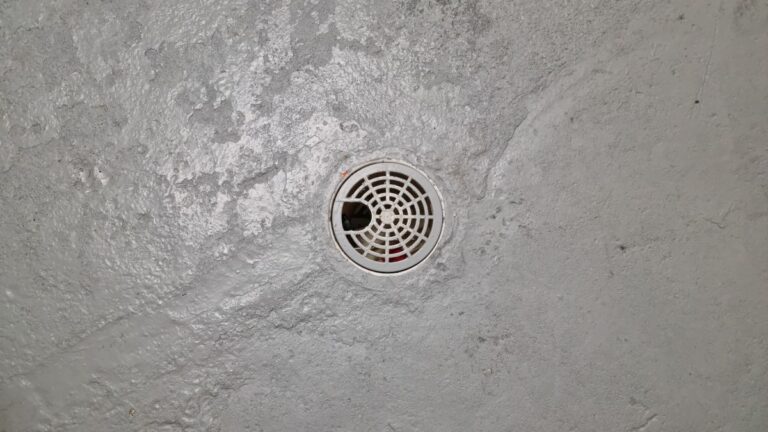
- Basement drains are often the first affected
This is a common seasonal concern in Seattle and surrounding areas due to frequent rainfall.
4. Aging or Damaged Sewer Lines
Over time, sewer lines deteriorate. Materials weaken, joints shift, and cracks form.
- Pipes may collapse or sag
- Corrosion can restrict flow
- Ground movement can misalign sections
Homes with older plumbing systems are at higher risk for this type of failure.
5. Improper Use of Drains
What goes down your drains has a direct impact on your sewer system. Flushing or washing the wrong items can lead to serious clogs.
- Non-flushable wipes do not break down
- Paper towels and hygiene products cause blockages
- Excessive toilet paper can overwhelm older systems
Even small habits can contribute to larger issues over time.

Warning Signs You Should Never Ignore
Catching a sewer backup early can save you from extensive damage. Knowing what to look for allows you to act before the problem escalates.
Here are the most common signs homeowners should watch for:
Slow Drains Throughout the Home
If multiple drains are moving slowly at the same time, it may indicate a blockage deeper in the system rather than a localized issue.
Gurgling Sounds in Pipes
Unusual noises coming from toilets or drains often signal trapped air caused by a blockage.
- Bubbling in toilets after flushing
- Gurgling sounds from sinks or tubs
- Air pockets forming in the system
These sounds are early indicators of restricted flow.
Foul Odors Indoors or Outdoors
A strong sewage smell is never normal. It often means wastewater is not moving properly through the system.
- Odors near drains or basement areas
- Persistent smells in the yard
- Sewer gas entering living spaces
This is a clear sign that immediate attention is needed.
Water Backing Up in Unexpected Places
One of the most obvious warning signs is water appearing where it should not.
- Toilet water rising when using the sink
- Water backing up into tubs or showers
- Basement floor drains filling with wastewater
This usually indicates a blockage in the main sewer line.
Lush or Soggy Areas in the Yard
Outdoor signs can also reveal a sewer problem.
- Unusually green patches of grass
- Wet or muddy spots without rain
- Sunken areas above sewer lines
These may indicate a leak or break in the underground system.
Practical Solutions and Preventative Measures
Addressing a sewer backup requires both immediate action and long-term prevention. The right approach depends on the severity of the issue.
Immediate Steps to Take
If you suspect a backup, acting quickly can limit damage.
- Stop using water fixtures immediately
- If the backup is already happening, sewer backup Seattle same day service is available to respond before damage spreads
- Avoid flushing toilets or running appliances
- Keep children and pets away from affected areas
These steps help prevent further contamination and overflow.
Professional Inspection and Diagnosis
A thorough inspection is often necessary to identify the root cause.
- Camera inspections reveal blockages and damage
- Technicians can pinpoint exact problem locations
- Accurate diagnosis leads to effective solutions
This step is essential for avoiding repeated issues.
Cleaning and Clearing Blockages
Depending on the cause, different methods may be used to restore flow.
- Hydro jetting removes grease and debris buildup
- Mechanical augers break through stubborn clogs
- Root removal tools eliminate intrusive growth
Each method targets specific types of blockages.
Repairing or Replacing Damaged Pipes
When pipes are compromised, repair or replacement may be required.
- Spot repairs fix localized damage
- Trenchless methods minimize yard disruption
- Full replacement may be necessary for severe deterioration
Modern solutions can often reduce the impact on your property.
Preventative Maintenance Tips
Regular maintenance is the best way to avoid future backups.
- Schedule routine inspections
- Avoid pouring grease down drains
- Dispose of non-flushable items properly
- Install backwater valves for added protection
Homeowners in Seattle and surrounding areas benefit greatly from proactive maintenance due to environmental factors.

Long-Term Strategies to Protect Your Home
Preventing sewer backups is not just about fixing problems as they arise. It is about creating a long-term plan to protect your home.
Upgrade Older Plumbing Systems
If your home has aging pipes, upgrading can significantly reduce risk.
- Replace outdated materials
- Improve system efficiency
- Reduce likelihood of future failures
Manage Landscaping Carefully
Trees and shrubs should be planted with sewer lines in mind.
- Avoid planting near underground pipes
- Choose root-friendly landscaping options
- Monitor growth over time
Install Preventative Devices
Modern technology offers added protection against backups.
- Backwater valves prevent reverse flow
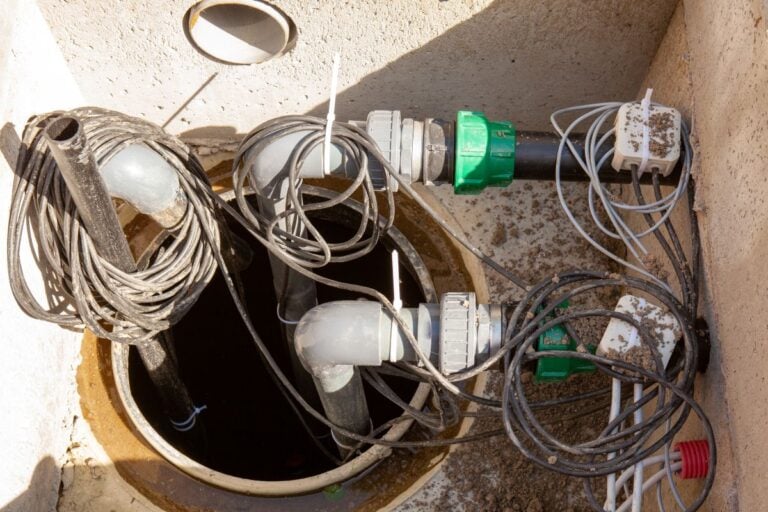
- Sump pumps help manage excess water
- Monitoring systems detect early issues
Stay Educated and Proactive
Understanding your home’s plumbing system empowers you to act quickly.
- Learn the layout of your sewer lines
- Keep maintenance records
- Schedule regular checkups
Homeowners in Seattle and surrounding areas who take a proactive approach often avoid the most severe issues.
Protect Your Home with Help from Brewer Sewer
Sewer backups are more than just a nuisance. They can disrupt your daily life and lead to serious damage if not addressed quickly. By understanding the causes, recognizing the warning signs, and taking preventative steps, you can protect your home and your peace of mind.
If you are experiencing signs of a sewer issue or want to take preventative action, the team at Brewer Sewer is here to help. With the right expertise and tools, they can diagnose and resolve problems efficiently. Do not wait until a small issue becomes a major repair. Contact us today to schedule service and keep your home running smoothly.