
Sewer Backup Prevention System: 7 Ways To Protect Your Home
Protecting your home from wastewater damage starts with understanding how a sewer backup prevention system works and why it matters. A single backup can lead to costly repairs, health risks, and long-term structural issues. Homeowners who take a proactive approach are far less likely to face these disruptions, especially when they stay consistent with maintenance and invest in improvements that keep their plumbing system operating reliably over time.
In this guide, you will learn:
- What a sewer backup prevention system does and why it matters
- The most common causes of sewer backups
- Practical ways to protect your home long term
- Key upgrades and technologies that improve protection
- How to build a prevention strategy that fits your home

Why Sewer Backup Prevention Systems Matter for Homeowners
Sewer backups are more than just an inconvenience. They can quickly escalate into serious property damage and health concerns if not addressed early. Homes in Bellevue and surrounding areas often deal with a mix of aging infrastructure and seasonal weather, both of which can increase the risk of backups.
Taking a proactive approach helps you stay ahead of potential problems rather than reacting after damage occurs. Prevention systems are designed to stop wastewater from flowing back into your home, giving you an added layer of protection and peace of mind.
Here are some key benefits of investing in prevention:
- Property Protection: Prevents costly water damage to floors, walls, and personal belongings
- Health Safety: Reduces exposure to harmful bacteria and contaminants
- Cost Savings: Minimizes emergency repair expenses and insurance claims
- System Longevity: Helps your plumbing system operate more efficiently over time
- Peace of Mind: Provides confidence during heavy rain or unexpected system strain
By understanding how these systems work and why they are important, homeowners can make smarter decisions about protecting their property.
7 Common Causes of Sewer Backups and How to Prevent Them
Understanding what leads to sewer backups is the first step in preventing them. Many issues develop gradually, which means early action can make a significant difference.
1. Tree Root Intrusion
Tree roots are naturally drawn to moisture, making sewer lines an easy target. Over time, roots can crack pipes and block flow.
- Avoid planting trees near sewer lines
- Schedule routine inspections if you have mature landscaping
- Consider root barriers for added protection
2. Grease and Debris Buildup
Grease, food scraps, and non-flushable items can accumulate inside pipes and restrict flow.
- Never pour grease down the drain
- Use drain strainers in sinks
- Dispose of wipes and hygiene products properly

3. Aging or Damaged Pipes
Older homes often have pipes made from materials that degrade over time, increasing the likelihood of cracks or collapses.
- Replace outdated piping materials
- Monitor for slow drains or recurring clogs
- Schedule professional evaluations periodically
4. Heavy Rainfall and Flooding
Excess rain can overwhelm municipal sewer systems, forcing water back into residential lines.
- Install a backwater valve
- Ensure proper yard drainage
- Keep gutters and downspouts clear
5. Clogged Main Sewer Line
When the main line becomes blocked, wastewater has nowhere to go but back into the home.
- Schedule regular sewer line cleaning
- Watch for multiple slow drains in your home
- Address minor clogs before they worsen
6. Improper Plumbing Connections
Incorrectly installed pipes or illegal connections can disrupt proper flow and create backup risks.
- Ensure all plumbing meets local codes
- Hire licensed professionals for installations
- Avoid DIY fixes that could worsen the issue
7. Sudden Blockages from Foreign Objects
Unexpected items can enter the system and cause immediate obstructions.
- Educate household members on proper disposal habits
- Keep children’s toys and debris away from drains
- Use protective covers where needed
Recognizing these common causes helps homeowners take preventative steps before small issues turn into major problems.

Key Components of an Effective Sewer Backup Prevention System
A reliable prevention system is not just one device. It is a combination of tools and practices working together to protect your home. Homeowners in Bellevue and surrounding areas benefit most when they take a comprehensive approach.
Backwater Valves
Backwater valves are one of the most effective tools for preventing backups. They automatically close when wastewater attempts to flow in the wrong direction.
- Installed in the main sewer line
- Requires periodic maintenance
- Provides protection during heavy system overloads
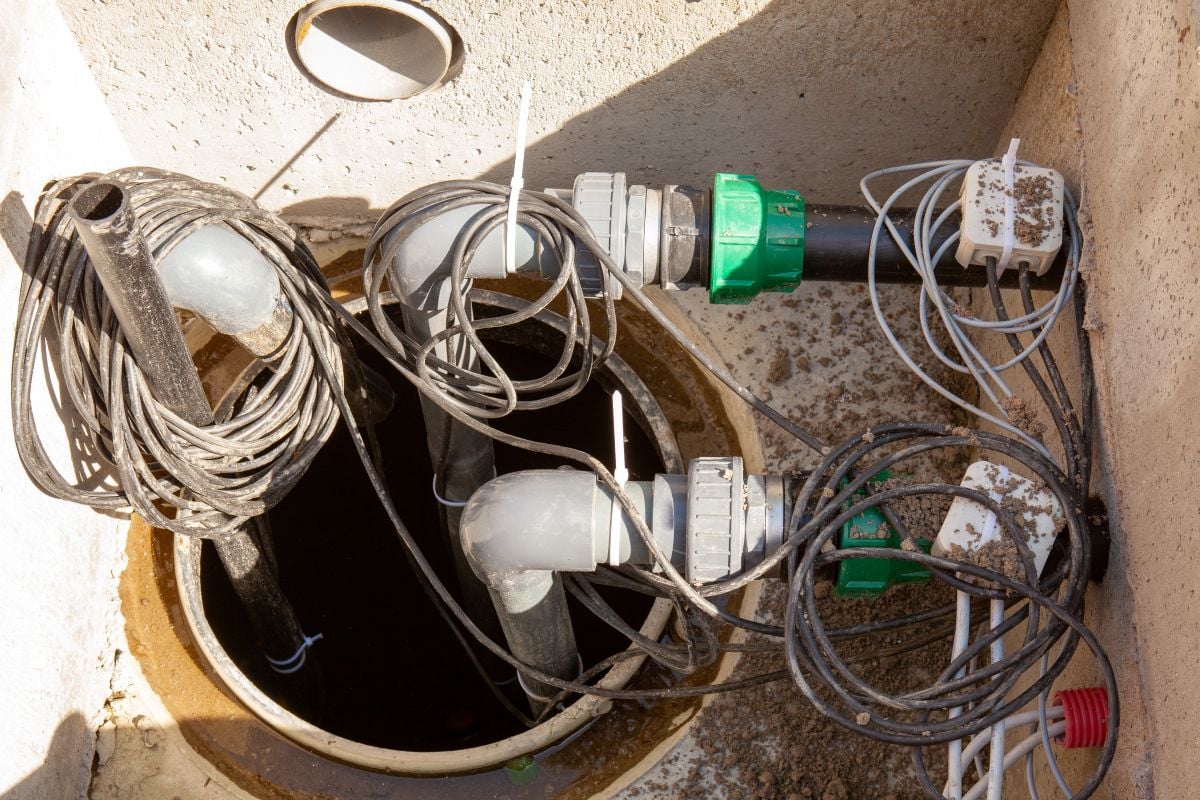
Sump Pumps
Sump pumps help manage excess water, especially in basements or low-lying areas.
- Removes water before it accumulates
- Essential for flood-prone homes
- Can include battery backups for reliability
Sewer Line Monitoring Systems
Modern technology allows homeowners to detect problems early.
- Alerts you to unusual flow patterns
- Helps identify developing blockages
- Reduces the risk of unexpected failures
Routine Maintenance Plans
Regular inspections and cleanings are essential for long-term protection.
- Prevents buildup before it becomes severe
- Identifies minor issues early
- Extends the lifespan of your plumbing system
Proper Drainage Design
Managing water flow around your property plays a major role in prevention.
- Directs water away from your foundation
- Reduces pressure on sewer systems
- Supports overall system efficiency
Combining these components creates a layered defense that significantly reduces the risk of sewer backups.
Long-Term Strategies to Protect Your Home
Preventing sewer backups is not just about installing equipment. It requires a long-term strategy that evolves with your home and environment. Homeowners in Bellevue and surrounding areas who take a proactive approach often avoid the most severe issues.
Upgrade Older Plumbing Systems
If your home has aging pipes, upgrading can significantly reduce risk.
- Replace outdated materials
- Improve system efficiency
- Reduce likelihood of future failures
Manage Landscaping Carefully
Your yard can impact your sewer system more than you might think.
- Avoid planting near underground pipes
- Choose root-friendly landscaping options
- Monitor growth over time
Install Preventative Devices
Modern solutions provide additional layers of protection.
- Backwater valves prevent reverse flow
- Sump pumps manage excess water
- Monitoring systems detect early issues
Stay Educated and Proactive
Understanding your system empowers better decision-making.
- Learn the layout of your sewer lines
- Keep maintenance records
- Schedule regular checkups
Compare Prevention vs Reaction
| Approach | Prevention Strategy | Reactive Approach |
| Cost | Lower long-term expenses | Higher emergency repair costs |
| Stress Level | Minimal disruption | High stress during emergencies |
| Damage Risk | Significantly reduced | Often severe and widespread |
| Property Value | Maintained or improved | Potentially decreased |
This comparison highlights the value of planning ahead rather than waiting for problems to occur.

Build a Safer Home with the Right Sewer Protection Plan
Protecting your home from sewer backups is one of the most important steps you can take as a homeowner. With the right prevention system, routine maintenance, and proactive planning, you can avoid costly damage and maintain a safe living environment.
Whether you are dealing with an older system or looking to upgrade your current setup, taking action now makes all the difference. The team at Brewer Sewer understands the unique challenges homeowners face in Bellevue and surrounding areas and can help you create a tailored solution that fits your needs.
If you are ready to safeguard your home and prevent future issues, contact us today to learn more about your options and schedule an inspection.