
What Causes Sewer Backup? 8 Ways to Prevent It
A sewer backup is one of the most disruptive and unsanitary problems a homeowner can face, and it almost never announces itself in advance. Understanding what causes sewer backup puts you in a far better position to prevent it, catch early warning signs, and respond quickly when something goes wrong. Homeowners in Bothell and surrounding areas who take the time to learn how their sewer system works are less likely to face an unexpected emergency. If you are already dealing with slow drains or recurring backups, getting an expert assessment through a professional underground pipe diagnosis and repair can help you get ahead of the problem before it escalates.
What you’ll learn:
- The most common causes of sewer backups in residential properties
- Why certain home and yard conditions make backups more likely
- Eight practical prevention steps to protect your home year-round
- How to recognize early warning signs before a full backup occurs
- When to call a professional and what to expect from the process

Why Sewer Backups Are a Serious Concern for Homeowners
A sewer backup is not just a plumbing inconvenience. It is a health hazard and a potential source of significant property damage. Raw sewage contains bacteria, viruses, and harmful gases that can contaminate living spaces and require costly remediation to address safely. Acting early and staying informed are the two most effective tools any homeowner has against this kind of failure.
Understanding the risk helps homeowners prioritize preventive maintenance rather than waiting for an emergency. Here is why this topic deserves real attention:
- Health and safety risks are immediate: Raw sewage backup exposes your family to dangerous pathogens. The longer contaminated water sits inside your home, the greater the risk of illness and structural damage to flooring, walls, and cabinetry.
- Costs multiply when left unaddressed: A small, localized clog that could be cleared for a few hundred dollars can become a full sewer line replacement costing several thousand if the problem is allowed to worsen over months or years.
- Insurance coverage is often limited: Many standard homeowner policies do not cover sewer backup damage unless you have added a specific rider. Understanding the cause of a backup matters for both repair and coverage purposes.
- Repeat backups signal a structural problem: A single backup can happen for minor reasons, but recurring backups almost always indicate an underlying issue in the pipe itself that will not resolve on its own.
Taking these risks seriously and investing in basic preventive steps gives homeowners in Bothell and surrounding areas a meaningful advantage when it comes to protecting their property and their family’s health.
8 Most Common Causes of Sewer Backup
Sewer backups happen for a variety of reasons, and the cause usually determines the right fix. Some originate inside the home due to everyday habits, while others develop underground over years without any obvious warning signs. Knowing which category your situation falls into helps you respond faster and more effectively.
1. Tree Root Intrusion
Tree roots are one of the leading causes of sewer line damage and backup. Roots naturally seek out moisture and nutrients, and the small cracks or loose joints in aging sewer pipes create exactly the kind of opening they are looking for. Once inside, roots grow rapidly and can fill the entire pipe diameter within a few years.
- Fast-growing trees like willows, maples, and poplars pose the highest risk
- Roots can enter pipes through joints as small as a hairline crack
- Root intrusion often develops slowly and quietly before causing a noticeable backup
2. Grease and Fat Buildup
Pouring cooking grease, oil, or fat down the kitchen drain is one of the most common habits that leads to sewer backups. These substances solidify as they cool inside the pipe, building up layer by layer until flow is restricted or blocked entirely.
- Grease buildup tends to accumulate at low points or bends in the drain line
- Even small, frequent pours compound into major blockages over time
- Dish soap does not fully break down fats once they have cooled inside the pipe
3. Flushing Non-Flushable Items
Toilets are designed to handle human waste and toilet paper, nothing more. Flushing wipes, paper towels, cotton swabs, feminine hygiene products, or any other non-dissolvable items creates clogs that build up in the lateral sewer line and can eventually cause a complete backup.
- Products labeled “flushable” often do not break down quickly enough to pass safely through residential pipes
- Repeated flushing of these items creates dense, immovable blockages that require professional removal
- These clogs are common but entirely preventable with proper household habits
4. Aging or Deteriorating Pipes
Older homes in Bothell and surrounding areas were often built with clay, Orangeburg, or cast iron sewer pipes that have a finite lifespan. As these materials age, they crack, corrode, or collapse, creating obstructions that slow flow and eventually cause backups regardless of what goes down the drain.
- Clay and Orangeburg pipes often degrade significantly after 40 to 50 years of service
- Corrosion inside cast iron pipes narrows the interior diameter and traps debris
- Aging pipe material is often discovered during a camera inspection triggered by repeated slow drains

5. Bellied or Sagging Pipe Sections
A belly in a sewer line occurs when a section of the pipe sinks due to soil movement, erosion, or improper installation. This low point collects waste and standing water, which accumulates until it restricts or fully blocks the line.
- Bellies cannot be cleared with snaking alone because the structural issue remains
- Soil settlement after heavy rain or excavation work nearby can create or worsen a belly
- Camera inspection is the only reliable way to diagnose a belly in a residential sewer line
6. Heavy Rainfall and Stormwater Overflow
During significant rain events, municipal sewer systems can become overwhelmed with stormwater, causing water to flow backward into residential lines. This type of backup, known as a combined sewer overflow, is more common in older neighborhoods where storm and sanitary sewers share infrastructure.
- Installing a backwater prevention valve can protect your home from municipal overflow events
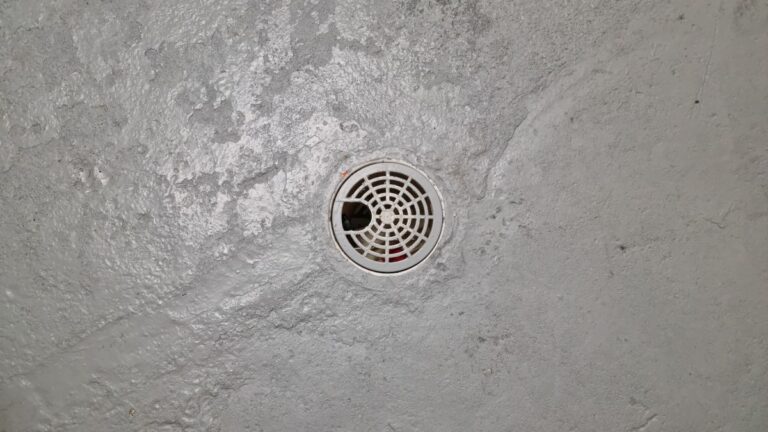
- Floor drains and basement fixtures are typically the first entry points for this type of backup
- Homes in low-lying areas face higher risk during periods of sustained heavy rainfall
7. Solid Object Blockages
Hard objects that accidentally enter drains or toilets can lodge in the pipe and create an immediate obstruction. Unlike grease buildup, which develops gradually, a solid blockage can cause a backup within hours of the object entering the line.
- Common culprits include children’s toys, dental floss, broken tile pieces, and construction debris in newer homes
- Solid blockages often require hydrojetting or mechanical clearing by a professional
- Preventive drain covers and toilet guards are simple and inexpensive safeguards
8. Main Sewer Line Clogs
When debris, roots, or buildup collects in the main sewer line rather than an individual drain, every fixture in the home can be affected simultaneously. Multiple slow drains or backups happening at once are a strong sign the problem is located in the main line rather than a single branch.
- Main line clogs require professional equipment to locate and clear safely
- Hydrojetting is one of the most effective methods for clearing main line obstructions without damaging the pipe
- Ignoring a main line clog typically leads to a full backup affecting the entire home
Understanding which of these causes applies to your situation is the starting point for an effective solution, and a professional camera inspection is usually the fastest path to a clear answer.

Early Warning Signs You Should Never Ignore
Sewer backups rarely happen without warning. Most of the time, the system sends signals days or even weeks before a full failure occurs, and recognizing those signals early can mean the difference between a minor service call and a major restoration project. Paying attention to how your drains, toilets, and fixtures behave on a normal day makes it far easier to catch something unusual before it becomes an emergency.
- Multiple slow drains at once: If more than one fixture is draining slowly at the same time, the issue is almost certainly in a shared line rather than an individual pipe. A single slow drain is usually a localized clog, but two or more slow drains together point to something further down the system.
- Gurgling or bubbling sounds: Air trapped in the sewer line by a partial obstruction creates gurgling sounds when water flows past it. These sounds coming from your toilet, sink, or floor drain are a reliable early indicator that something is building up downstream.
- Sewage odor inside the home: A persistent smell of sulfur or raw sewage inside the house, especially near floor drains or basement fixtures, is a sign that gases are escaping through a blocked or compromised section of pipe. If the smell is concentrated in the bathroom, it may be worth reading about why your bathroom smells like sewage and what’s typically behind it.
- Water backing up into other fixtures: If flushing the toilet causes water to rise in the shower drain, or running the washing machine sends water up through a floor drain, the main sewer line is involved and the situation needs professional attention promptly.
These warning signs are your home’s way of asking for help before the situation gets worse. Homeowners who act on them quickly consistently face lower repair costs and far less disruption than those who wait.
Take Action Before a Backup Becomes a Bigger Problem
Sewer backups are not random. They almost always have a preventable or manageable cause. Whether you are dealing with aging pipes, tree root intrusion, or years of grease buildup, Brewer Sewer has the experience and equipment to diagnose the problem accurately and fix it right the first time. Homeowners throughout Bothell and surrounding areas rely on us for honest assessments and dependable service. Do not wait until a slow drain turns into a flooded basement. Reach out and contact us today to schedule an inspection and get your sewer system back on track.