

Sewer Gas Smell in House: 7 Causes & How to Fix It Fast
Few things send homeowners searching the internet faster than a sewer gas smell in house that seems to come out of nowhere. Bellevue homes range from decades-old properties to newer builds, and both types can develop this problem for very different reasons. Taking a closer look at what might be happening behind the walls or under the floor helps homeowners figure out whether the fix is simple or something that needs a professional’s attention.
Here is a quick look at what this guide covers:
- The most common reasons a house smells like sewer gas
- How to track down which part of the plumbing is responsible
- Quick fixes worth trying before calling a plumber
- When the smell signals a bigger problem underneath the home

Why That Sewer Odor Deserves Immediate Attention
A sewer gas smell is not just unpleasant, it is often a sign that a barrier designed to keep gases out of the home has failed somewhere in the plumbing system. Ignoring it can mean living with a health hazard while a small fix turns into a bigger repair.
- Health Protection: Prolonged exposure to sewer gas, particularly hydrogen sulfide, can cause headaches, nausea, and irritation to the eyes and throat.
- Early Problem Detection: The smell is often the first noticeable sign of a plumbing issue that has not yet caused visible damage.
- Preventing Bigger Repairs: A simple fix like refilling a dry trap is far cheaper than repairing a cracked pipe discovered months later.
- Protecting Air Quality: Eliminating the source of the odor improves indoor air quality, especially in basements and enclosed spaces.
According to a detailed breakdown of common sulfur smell sources in the home, the cause can range from a dried-out drain trap to a much less common gas leak, which is why identifying the source correctly matters before attempting a fix. Treating the wrong problem often means the smell simply returns.
7 Causes of Sewer Gas Smell in House
A sewer gas odor almost always traces back to one of a handful of common plumbing failures. The following breakdown covers the causes homeowners in Bellevue and surrounding areas run into most often.
1. A Dry P-Trap
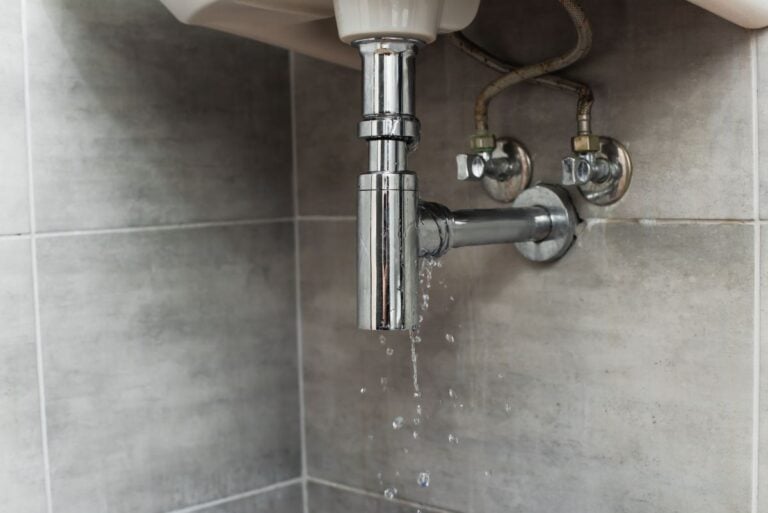
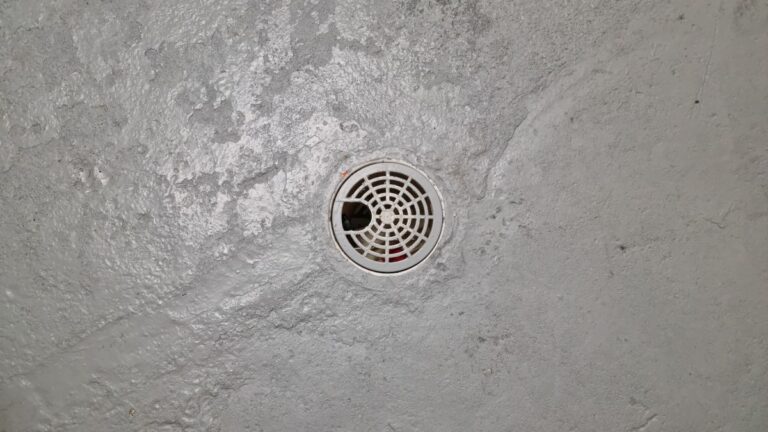
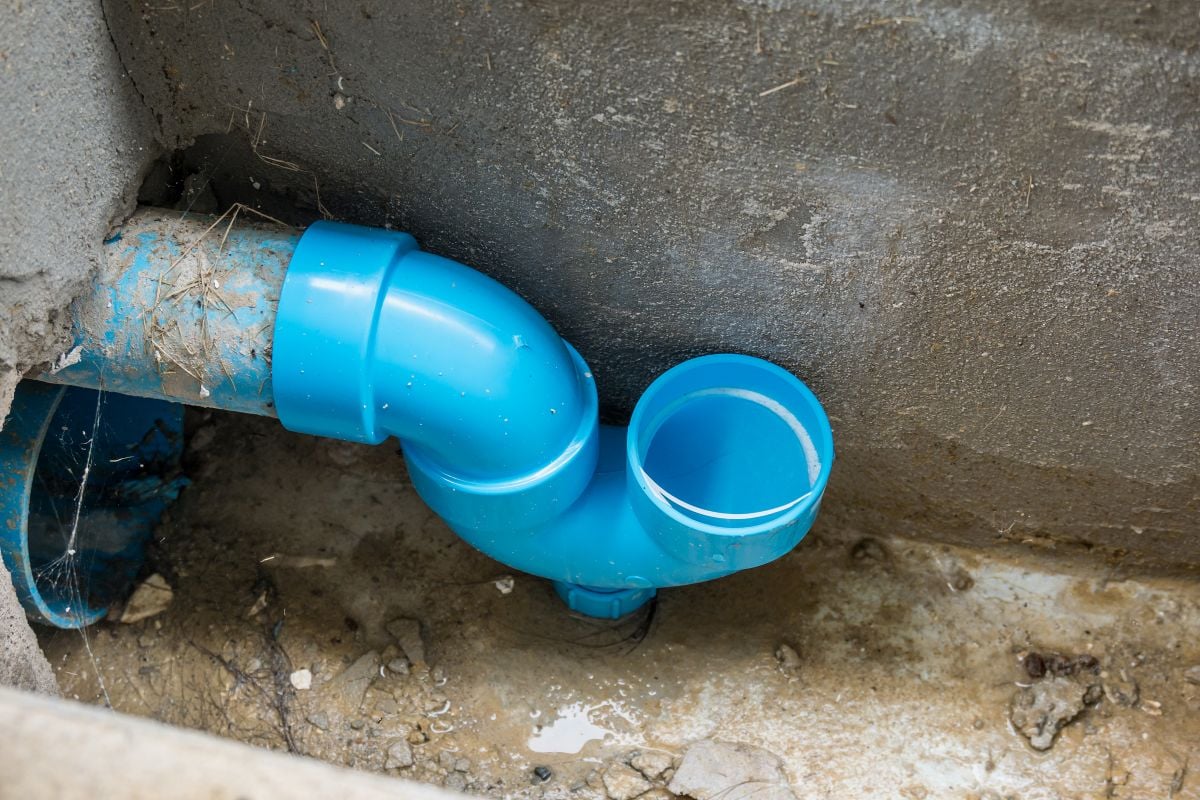
Every drain in the home has a curved section of pipe called a P-trap that holds standing water to block sewer gas from rising back up. Drains that go unused for weeks, such as a guest bathroom or a basement floor drain, are the most common source of this problem.
- Most common in rarely used sinks, tubs, and floor drains
- Easy to fix by pouring water directly into the drain
- Water evaporates faster in low-humidity conditions or during vacations
2. Cracked or Damaged Drain Pipes
A cracked drain pipe inside a wall, under a floor, or in a crawl space allows sewer gas to escape before it ever reaches open air through the vent system. This type of damage often develops gradually from age, corrosion, or shifting soil.
- Common in homes with older cast iron or clay pipe materials
- May require opening a wall or floor section to access and repair
- Often accompanied by water stains or a persistent odor in one specific room
3. Blocked or Disconnected Vent Pipes
Plumbing vent pipes are designed to safely release sewer gas above the roofline instead of back into the home. When a vent becomes blocked by debris or physically disconnects, gas has nowhere to go but back inside.
- Bird nests, leaves, or ice can block a roof vent
- A disconnected vent inside a wall is harder to diagnose without inspection
- Blocked vents can also cause gurgling drains in addition to odors
4. A Failing Toilet Wax Ring
The wax ring beneath a toilet creates a seal between the toilet base and the drain pipe below it. Once that seal breaks down, sewer gas can leak out around the base of the toilet every time it is used.
- Often noticed as an odor concentrated near one specific toilet
- May also cause the toilet to feel slightly unstable when sat on
- A straightforward repair that most plumbers can complete quickly
5. Clogged Drains With Decomposing Debris
Grease, hair, soap scum, and food particles that build up inside a drain can decompose over time and produce a smell similar to sewer gas. This cause is sometimes mistaken for a more serious plumbing issue.
- Kitchen and bathroom sink drains are common culprits
- Often resolved with thorough cleaning rather than a repair
- A recurring smell after cleaning may point to a deeper clog
6. A Damaged or Backed-Up Main Sewer Line
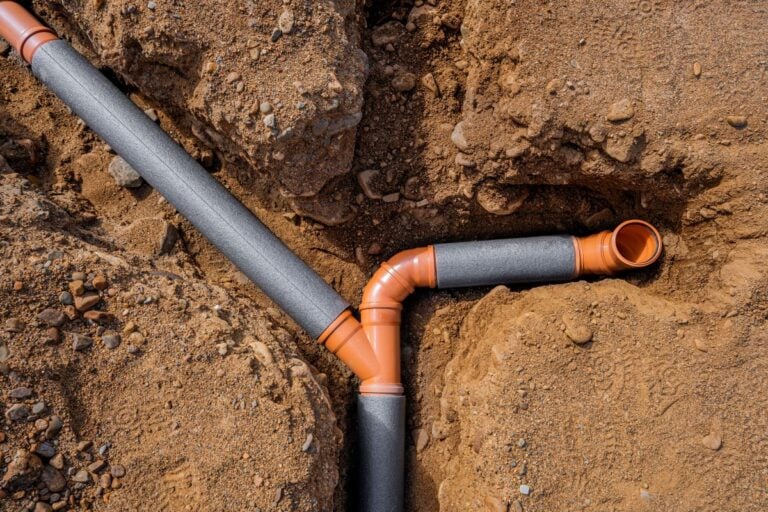
When the main sewer line connecting a home to the municipal system becomes cracked, blocked, or backed up, gas can travel back through multiple drains at once. This is usually the most serious cause on this list and often affects more than one part of the house.
- Smell noticeable in multiple rooms rather than a single fixture
- May be accompanied by slow drains throughout the home
- Typically requires a camera inspection to confirm the exact issue
7. Loose or Disconnected Pipe Joints
Pipe joints can loosen over time due to settling, poor original installation, or nearby construction work. Even a small gap at a joint is enough to let sewer gas escape into a wall cavity or crawl space.
- Often found near where pipes pass through walls or floors
- Can be difficult to locate without opening the affected area
- Sometimes discovered only after other simpler causes are ruled out
Homeowners dealing with a persistent smell that does not resolve after checking the simplest causes should treat it as a sign that a more thorough inspection is needed.

Tracking Down the Source of the Smell
Finding the exact cause of a sewer gas smell often comes down to a simple process of elimination rather than guesswork. Homeowners in Bellevue and surrounding areas can save time by working through a home systematically instead of guessing at repairs.
Start With the Room Where the Smell Is Strongest
Notice whether the odor is concentrated in one bathroom, the kitchen, or a basement area, since this narrows down which fixtures are worth checking first.
Check for Rarely Used Drains
Guest bathrooms, basement floor drains, and unused laundry hookups are the most likely place to find a simple dry trap causing the entire problem.
Inspect Toilets for Wobbling or Odor at the Base
A toilet that rocks slightly or smells strongest right at floor level often points to a failing wax ring rather than a deeper pipe issue.
Note Whether the Smell Appears in Multiple Rooms
An odor affecting several parts of the home at once is a stronger signal of a main line issue rather than a single fixture problem.
Working through these steps in order before calling a plumber often narrows the likely cause down to just one or two possibilities, which makes any necessary repair faster and less expensive.
Quick Fixes Versus When to Call a Plumber
Not every sewer gas smell requires a professional visit, but knowing which situations call for one can save homeowners from either overpaying or underestimating a real problem. The table below compares common scenarios and the appropriate response.
| Situation | Try This First | Call a Plumber If |
| Rarely used drain | Pour water into the trap | Smell returns within days |
| Odor near one toilet | Check for wobbling | Toilet rocks or leaks at the base |
| Smell in multiple rooms | Note affected areas | Odor persists after checking traps |
| Odor after heavy rain | Check nearby drains | Slow drains accompany the smell |
Homeowners who try the simple fixes listed above without success should not keep guessing, since a professional inspection can identify the true source far faster than continued trial and error.
Frequently Asked Questions
Homeowners in Bellevue and surrounding areas noticing this odor for the first time tend to ask a similar set of questions before deciding how to respond. Here are answers to the ones that come up most often.
Is sewer gas dangerous to breathe?
In small amounts, exposure mainly causes irritation and headaches, but prolonged exposure in an enclosed space can pose a more serious health risk and should not be ignored.
Why does the smell only happen sometimes?
Intermittent odors often point to a dry trap that occasionally gets refilled by rain, condensation, or infrequent use, rather than a constant leak somewhere in the system.
Can a sewer gas smell mean a gas leak instead?
Yes, and it is worth ruling out. A rotten egg smell can also indicate a natural gas leak, which requires leaving the home immediately and calling for emergency help.
Will pouring bleach down the drain fix the smell?
Bleach may mask an odor temporarily, but it does nothing to fix a dry trap, damaged vent, or cracked pipe, so the smell typically returns.
How quickly should I address a persistent sewer smell?
Persistent odors should be addressed as soon as possible, since the underlying cause rarely improves on its own and often worsens the longer it goes unaddressed.
These questions cover the most common concerns, but a smell that does not match any of these patterns may point to something less obvious. A professional inspection remains the most reliable way to confirm what is actually happening.

Get Rid of That Sewer Smell for Good
A sewer gas smell is never something to live with, whether it turns out to be a simple dry trap or a sign of damage in the main line. Brewer Sewer has helped homeowners throughout Bellevue and surrounding areas track down the source of stubborn odors and fix the problem at its root instead of masking it temporarily.
If your home has developed a sewer smell that will not go away, contact us today to schedule an inspection and get a clear answer about what is actually causing it.