

Sewer Cleanout Installation: 5 Reasons Every Home Needs One
Most homeowners never think about their sewer line until something goes wrong, and by then, a missing access point can turn a simple fix into a much bigger headache. Sewer cleanout installation gives plumbers direct access to your main line without tearing up floors or landscaping, which can mean the difference between a quick service call and an expensive excavation. Homes throughout Seattle and surrounding areas, especially older ones, often lack this simple feature entirely, leaving homeowners with fewer options when a clog or backup strikes. Many buyers and sellers only discover the gap during a home inspection, when it’s far more disruptive to address. Understanding why this small addition matters is the first step toward avoiding costly surprises through a closer look at your home’s plumbing setup.
Here’s a quick preview of what this guide covers:
- What a sewer cleanout actually does
- The top reasons every home benefits from one
- Where cleanouts are typically installed
- What to expect from a professional installation

Why a Sewer Cleanout Deserves a Spot on Every Property
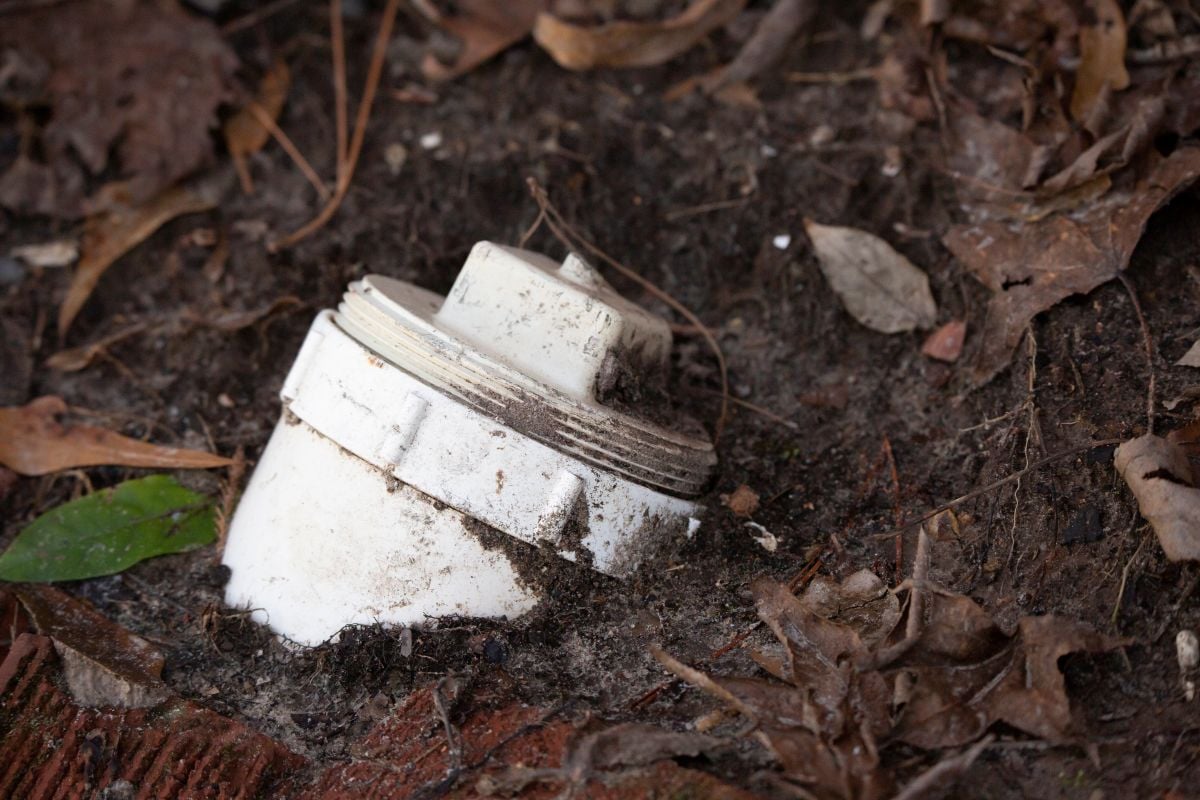
A sewer cleanout is a capped pipe fitting that gives direct access to the main sewer line, allowing a plumber to clear clogs or run a camera inspection without disturbing the surrounding property. Homes without one often require far more invasive methods to reach the same section of pipe, which usually means more time, more mess, and a higher bill. A properly placed sewer line cleanout acts as a doorway into your home’s plumbing system, giving technicians a direct line to the sewer system when an issue arises. Understanding the practical benefits helps explain why this feature has become a standard expectation in modern plumbing.
- Faster service calls: Direct access means less time spent locating and reaching the line during an emergency.
- Lower repair costs: Avoiding unnecessary digging or interior access points keeps labor costs down significantly.
- Reduced property damage: A dedicated access point protects landscaping, driveways, and flooring from repeated disruption.
- Better long term maintenance: Regular inspections and preventive cleanings become far easier with a proper access point in place.
Homeowners throughout Seattle and surrounding areas who have dealt with a sewer backup without a cleanout often describe the experience as far more disruptive than it needed to be, since technicians had to improvise access through a toilet or an exterior dig. Investing in this small addition tends to pay for itself the very first time a plumbing issue arises.
5 Reasons Every Home Needs a Sewer Cleanout
Not every homeowner realizes how much a single access point can change the experience of dealing with a plumbing emergency. The following five reasons cover the most practical benefits of having a sewer cleanout installed, from everyday convenience to long term cost savings.
1. Faster Diagnosis During a Backup
When drains start backing up throughout the house, time matters. A sewer cleanout lets a plumber insert a camera or snake directly into the main line within minutes, rather than spending valuable time searching for another access route. This quick access is especially useful for sewer line blockages, since a technician can begin sewer cleaning almost immediately instead of hunting for another way in.
- Immediate access to the section causing trouble, whether it’s grease buildup or something else
- No need to remove toilets or cut into walls
- Faster response during urgent situations
2. Lower Overall Repair Costs
Without a dedicated access point, plumbers sometimes have to dig up a section of yard or access the line through an interior fixture, both of which add labor and materials to the final bill. A cleanout removes that extra step entirely. Modern cleanouts are typically made from durable PVC, which holds up well and rarely needs a new pipe once installed, saving on materials and equipment.
- Reduced excavation needs during routine service
- Fewer billable hours spent locating the line
- Long term savings across multiple service visits
3. Protection for Your Yard and Landscaping
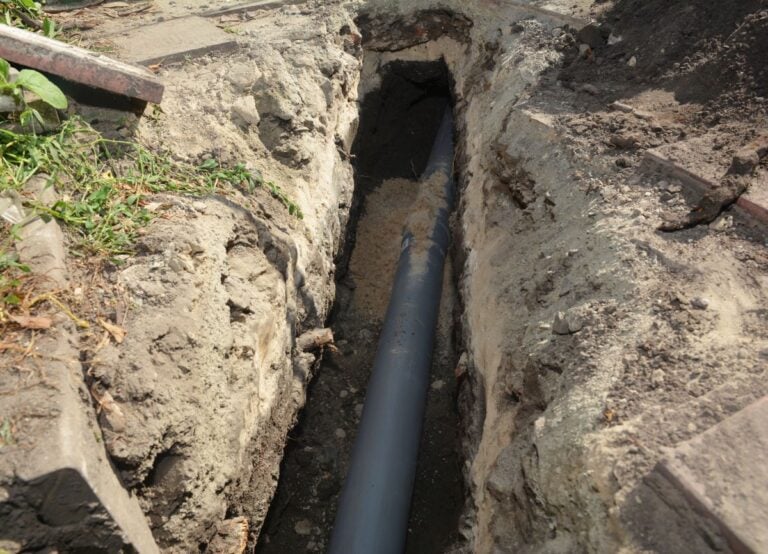
Homes without a cleanout often require digging just to reach the main line, which can damage lawns, gardens, and hardscaping in the process. A properly placed cleanout eliminates most of that need for routine maintenance. This is especially valuable where tree roots run close to the main line or the sewer connection passes beneath a sidewalk, since avoiding excavation there prevents costly paving repairs.
- No repeated digging near mature trees or garden beds
- Preserved driveways, walkways, and patios
- Less disruption to outdoor living spaces

4. Easier Preventive Maintenance
Routine camera inspections and preventive cleanings are far simpler when a plumber has clear access to the line. Technicians can pull a camera through the full length of the sewer pipe in one visit and inspect its condition, making it easier to track changes over time. Homeowners who schedule regular maintenance through a cleanout often catch small issues, like early root intrusion, before they become expensive emergencies.
- Simple access for annual or biannual checkups
- Easier to track changes in pipe condition over time
- Better opportunity to catch problems early
5. Increased Home Value and Buyer Confidence
Home inspectors and buyers increasingly look for a visible, functioning sewer cleanout as a sign of a well maintained plumbing system. In most homes, a visible cleanout signals plumbing built for long term functionality rather than the bare minimum to meet code. Its absence can raise questions during a sale, while its presence often reassures buyers that the home has been cared for.
- A selling point during home inspections
- Fewer negotiation points tied to plumbing concerns
- Peace of mind for future homeowners
Taken together, these five reasons make a strong case for installing a cleanout if your home doesn’t already have one. The upfront cost is modest compared to the convenience and savings it provides over the life of the plumbing system.
Where Cleanouts Are Typically Installed
Sewer cleanout placement depends heavily on the layout of the home and the age of the original plumbing system. Understanding common installation points can help homeowners identify whether their property already has one, and if so, where to look for it.
Common cleanout locations include:
- Near the foundation: Many homes have a cleanout close to where the main line exits the house, often marked by a capped pipe sticking slightly above ground.
- Along the property line: Some cleanouts sit closer to the street, providing access near the connection to the municipal sewer main.
- Inside a basement or crawlspace: Older homes sometimes have an interior cleanout instead of, or in addition to, an exterior one.
- Multiple points along a long run: Longer sewer lines occasionally include more than one cleanout to allow access at different sections.
Homes in Seattle and surrounding areas built before certain plumbing codes were updated may have only one cleanout, or none at all, which can complicate service calls significantly. A cleanout differs from the vent pipe running through the roof or the toilet flange in a bathroom, both serving separate purposes. Every fixture, from the kitchen sink to the bathroom, connects to the same main line, carrying wastewater to one end of the property, whether that’s the sewer system or a septic tank. Identifying existing access points, or confirming there aren’t any, is an important step before scheduling any major plumbing work, since it helps a technician plan the visit accurately and avoid unnecessary surprises once the work begins.
DIY Installation vs Professional Installation
Some homeowners consider installing a cleanout themselves, especially if the project seems straightforward on the surface. In reality, the process involves more precision and code compliance than most DIY plumbing tasks, making professional installation the more reliable choice for most situations. A professional crew that has installed hundreds of cleanouts brings the right equipment to clear old debris or a leftover plug and connect the new fitting without creating a fresh blockage.
| Approach | Pros | Cons |
| DIY installation | Lower upfront cost | Risk of improper slope or sealing |
| DIY installation | Some control over timing | Potential code violations |
| Professional installation | Proper depth and angle guaranteed | Requires scheduling a service call |
| Professional installation | Warrantied workmanship | Higher upfront cost than DIY |
Improper installation can lead to leaks, poor drainage, or a cleanout that doesn’t actually provide useful access to the line, which defeats the purpose entirely. A professional installation ensures the cleanout is placed correctly, sealed properly, and positioned in a spot that will actually be useful during future service calls, giving homeowners confidence that the investment will hold up for decades rather than needing to be redone. Many companies also offer same day service for straightforward installations, so homeowners aren’t left waiting weeks.
Frequently Asked Questions About Sewer Cleanout Installation
These are some of the most common questions homeowners ask when considering whether to install a sewer cleanout. The answers below offer a helpful starting point, though every property is a little different.
How much does sewer cleanout installation typically cost?
Costs vary based on pipe depth, location, and material, but most installations fall within a moderate range compared to major sewer line repairs.
How do I know if my home already has a cleanout?
Look for a capped pipe near the foundation or along the property line, though older homes may have one hidden inside a basement or crawlspace.
Can a cleanout be added without digging up the yard?
In many cases yes, especially if the cleanout is placed near an existing access point rather than requiring a long new trench.
Is a sewer cleanout required by code?
Many local codes require at least one cleanout on newer construction, though requirements vary and older homes are sometimes exempt. The cap stays sealed under normal conditions, keeping sewer gases contained while still allowing quick access when a technician needs it.
How long does a typical installation take?
Most installations can be completed in a single day, depending on pipe depth and the complexity of the surrounding landscaping.
Knowing the answers to these common questions can help homeowners feel more confident discussing options with a professional before scheduling an installation.

Protect Your Home With a Properly Installed Sewer Cleanout
A sewer cleanout might seem like a small detail, but it plays a significant role in how quickly and affordably plumbing issues get resolved. This post has covered why a properly placed cleanout is a crucial piece of a healthy plumbing system, keeping wastewater flowing properly and protecting the rest of your property in the process. From faster diagnosis to protecting your yard from unnecessary digging, the benefits of having one installed reach well beyond the initial cost.
Brewer Sewer has helped homeowners throughout Seattle and surrounding areas add reliable, properly placed cleanouts to homes that previously had none. If your property lacks this simple but valuable access point, don’t wait until an emergency forces the issue. Contact us today to find out whether your home could benefit from a professional sewer cleanout installation.