Trenchless Sewer Repair Cost in Tacoma: Homeowner FAQ
A failing sewer line raises plenty of questions, and the first one is usually about price. The trenchless sewer repair cost in Tacoma depends on the length of the damaged pipe, the repair method, and how easily crews can reach the line. Homeowners in Tacoma and surrounding areas often find that no-dig options save money once yard and driveway restoration are factored in. The answers below explain what shapes the price of fixing a sewer line without digging up your yard so you can plan with confidence.
Understanding the Price Range
Before comparing quotes, it helps to know what a typical project includes and how contractors arrive at their numbers.
Q: How much does trenchless sewer repair typically cost?
A: Most trenchless work is priced per linear foot. According to national cost data, trenchless methods typically run $60 to $250 per linear foot, compared with $50 to $200 for traditional excavation. Your final total depends on how many feet need repair and which method your line requires.
Q: Why do contractors price trenchless work by the foot?
A: Length drives most of the material and labor involved. A longer run needs more liner or replacement pipe, more resin, and more crew time. Pricing by the foot makes it easier to scale estimates fairly, whether the job covers a short cracked section or the entire line to the street.
Q: Is a camera inspection included in the price?
A: It depends on the company. Some include the inspection in the repair estimate, while others charge for it separately, often a few hundred dollars. Either way, the inspection is essential because it shows the exact location and extent of the damage, which determines the scope and cost of the repair.
What Raises or Lowers the Bill
Two homes on the same street can receive very different quotes. These are the factors that make the biggest difference.
Q: Does the repair method change the cost?
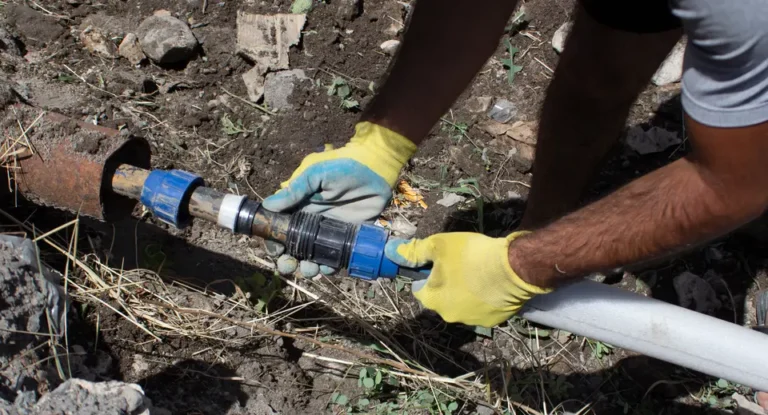
A: Yes. Cured in place pipe lining creates a new pipe inside the old one, while pipe bursting pulls a new pipe through and breaks the old one apart. Each uses different equipment and materials. Lining often suits pipes that are cracked but intact, while bursting works better for badly deteriorated lines.
Q: How do depth and access affect pricing?
A: Deeper lines and tight access points take more time and equipment to reach. Many homes in Tacoma and surrounding areas sit on sloped lots or have sewer lines running beneath driveways and patios. If a cleanout is missing or access pits must be dug in difficult spots, the total cost increases.
Q: Can tree roots or buildup raise the price?
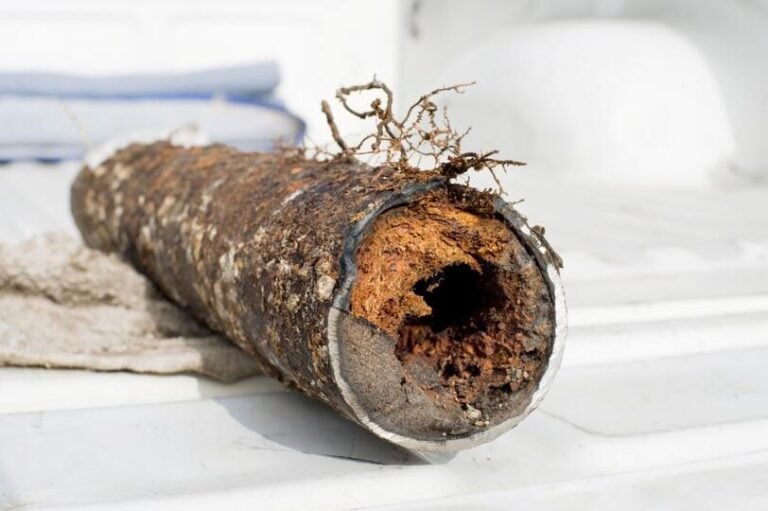
A: They can. Liners need a clean surface to bond properly, so lines packed with roots, grease, or scale must be cleared first. Hydro jetting or mechanical root cutting adds to the project cost, but skipping this prep step can lead to a failed liner and a much more expensive repair later.
Q: Does pipe material make a difference?
A: It often does. Older clay, cast iron, and composite pipes each respond differently to lining or bursting. Fragile or heavily corroded pipe may need extra preparation or a different method altogether. A camera inspection identifies your pipe material early, so the estimate reflects real conditions rather than assumptions.

Comparing Trenchless and Traditional Repairs
Many homeowners wonder whether trenchless repair is worth the investment. Here is how the two approaches compare.
Q: Is trenchless always cheaper than digging?
A: Not always on a per-foot basis. Trenchless repair can cost slightly more upfront, but it avoids most of the expense of restoring lawns, landscaping, driveways, and walkways after open trench excavation. Once those restoration costs are included, trenchless frequently becomes the more affordable option overall.
Q: How long does a trenchless repair take?
A: Many residential projects are completed in one or two days. Traditional excavation usually takes longer because crews must dig, replace the pipe, backfill, and restore the surface. A shorter timeline also means less disruption to your household and fewer days without full use of your plumbing.
Q: When is traditional excavation the better choice?
A: Excavation may be necessary when a pipe has fully collapsed, has severe sags, or is too damaged for lining or bursting. In some cases, contractors combine methods, digging a small section to fix a collapse and lining the rest. A camera inspection shows which approach makes the most sense.
Planning, Permits, and Paying for the Work
A little preparation helps homeowners avoid surprises once the project begins.
Q: Do I need a permit for trenchless sewer repair?
A: Most side sewer work requires a permit, and fees vary by jurisdiction. Homeowners in Tacoma and surrounding areas should ask whether the estimate includes permits and inspections or lists them separately. A reputable contractor will explain who handles the paperwork and how it affects the project timeline.
Q: How can I compare quotes fairly?
A: Ask each company to bid on the same scope, including the total footage, repair method, cleaning, permits, and restoration. Getting at least three estimates helps you spot fair pricing. If one quote is far higher or lower than the others, ask why before making a decision.
Q: Will homeowners insurance cover the cost?
A: Coverage varies widely. Many standard policies exclude damage from gradual wear, aging pipes, or tree roots. Some insurers offer optional sewer line coverage, and certain home warranties include add-on plans. Review your policy and call your insurer before work begins to understand what, if anything, may be covered.
Making Smart Decisions About Your Sewer Line
Understanding what drives trenchless repair pricing puts you in control of one of the most important investments in your home. A thorough camera inspection, clear estimates, and the right repair method help you avoid paying twice for the same problem while protecting your yard and property for years to come.
Brewer Sewer helps homeowners throughout the region get honest answers about their sewer lines, backed by detailed camera inspections and transparent pricing. If you are ready to find out what your repair will involve, contact us today to schedule an inspection.