Root Intrusion Sewer Line: 6 Warning Signs to Know
Tree roots are patient. They can spend years working their way toward a buried pipe, and by the time a homeowner notices something is wrong, a root intrusion sewer line problem is often well underway. For homes in Everett and surrounding areas, where mature trees and older clay pipes are common, knowing the early warning signs can save thousands of dollars. Spotting the clues quickly also makes getting a damaged line back in working order far simpler, faster, and less disruptive to your yard.
Quick takeaways from this guide:
- The six most common signs of roots in sewer lines
- How tree root intrusion begins in the first place
- How root intrusion compares to other common sewer problems
- What to do when you notice the first symptoms

Why Catching Roots Early Protects Your Home
The main line carries all of the wastewater flow out of your home, so even a partial root blockage affects every sink, tub, and toilet connected to the sewer system. Roots that are ignored do not stay small. They thicken, spread, and eventually crack or crush the pipe walls they have moved into.
Acting early comes with real advantages:
- Lower Repair Costs: Removing fine root hairs is a quick sewer cleaning visit, while a pipe crushed by a mature root mass may need a full sewer replacement.
- Protection From Backups: Keeping the line flowing prevents a sewage backup through the basement floor drain, shower, or toilet bowl.
- A Healthier Yard and Foundation: Leaking pipes saturate the surrounding soil, which can lead to soggy patches, sinkholes, and settling around the foundation.
- More Repair Options: Pipes caught before they collapse are often good candidates for cured in place pipe lining instead of full excavation.
There is also a financial reason to stay alert. Because root damage develops slowly over time, homeowners insurance is not likely to cover this issue, which means the repair bill usually lands on the property owner. Catching the problem in its earliest stage is the most reliable way to keep that bill manageable.
6 Warning Signs of Root Intrusion in Your Sewer Line
Roots rarely announce themselves all at once. Instead, they leave a trail of small clues that are easy to dismiss as ordinary household clogs, especially in the early months. The signs below are the ones homeowners report most often, listed roughly in the order they tend to appear.
1. Slow Drains Throughout the House
A single slow sink usually points to a local clog in that fixture’s drain. When multiple drains slow down at the same time, the problem is more likely in the main line they all share. Roots catch hair, grease, and toilet paper as they grow, gradually narrowing the opening.
- Multiple slow drains, especially on the lowest floor
- Drain cleaners that offer only short-term relief
- Problems that return a few weeks after each clearing
2. Gurgling Toilets and Drains
Gurgling happens when air gets trapped behind a partial blockage and pushes back through the plumbing. If your toilet bubbles when the washing machine drains, or the tub gurgles after a flush, roots may be restricting flow further down the line.
3. Recurring Clogs and Backups
A backup that keeps coming back is one of the strongest indicators of roots. A sewer machine may punch a hole through the mass, but the roots stay anchored in the pipe joint, and roots regrow quickly until the next sewer backup or even a complete blockage. Many homeowners in Everett and surrounding areas notice a pattern of calling for drain clearing once or twice a year before learning the real cause.

4. Sewage Odors Inside or Outside
Roots that crack a pipe also create an escape route for sewer gas. A persistent rotten egg smell near floor drains, in the basement, or around the yard where the sewer line runs is worth investigating. Odors often grow stronger after heavy water use.
5. Soggy Patches, Lush Grass, or Sinkholes in the Yard
When wastewater leaks from a damaged pipe, it feeds the soil above it. Watch for these outdoor clues:
- A strip of green grass that stays brighter than the rest of the lawn
- Soft or spongy ground, even during dry weather
- Small depressions or sinkholes forming along the sewer line path
6. One Tree Growing Faster Than the Others
This sign surprises many homeowners. When one tree suddenly outpaces its neighbors, that extra tree growth may come from tapping into a steady supply of water and nutrients from a leaking sewer line. If that tree sits close to the pipe, it is often the source of the intrusion.
Any one of these signs on its own may have another explanation, but two or more together make root intrusion very likely. A sewer camera inspection is the most reliable way to confirm root intrusion and locate exactly where roots have entered.
How Roots Actually Get Inside a Sewer Pipe
Roots do not break into healthy, sealed pipes on their own. They are drawn to the moisture and warm vapor that escape from tiny openings, then follow that trail until they find a way in. Understanding how this happens helps explain why some homes have repeated root problems while others never do.
Several conditions make a sewer line more vulnerable:
- Older Pipe Materials: Clay and cast iron pipes, common in homes built decades ago, have many joints and tend to develop small cracks as they age.
- Loose or Shifted Joints: Soil movement, freezing, and settling can cause joint separation, creating gaps that fine roots slip through.
- Aggressive Tree Species: Willows, poplars, maples, and cottonwoods are known for spreading root systems that actively seek out water sources.
- Trees Planted Too Close: Roots often extend well beyond the canopy, so a tree that seems far from the house, or even large shrub roots, may still reach the sewer line.
- Wet Climates: Persistent rain keeps soil moist, encouraging steady root growth around buried lines throughout much of the year.
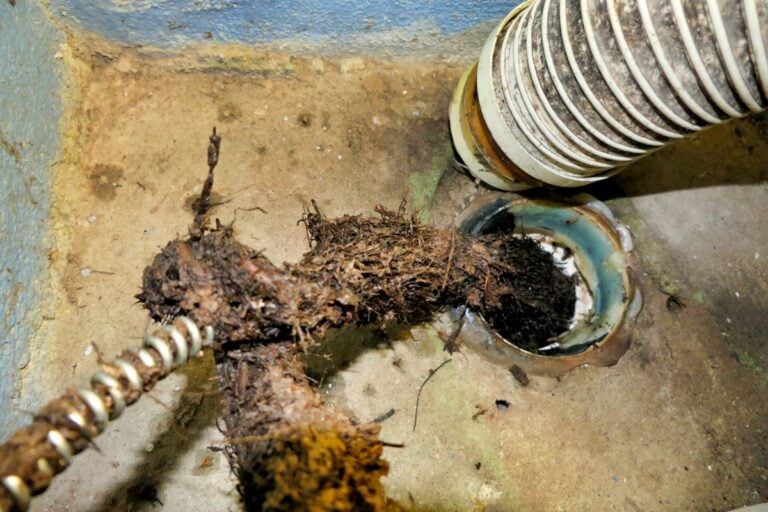
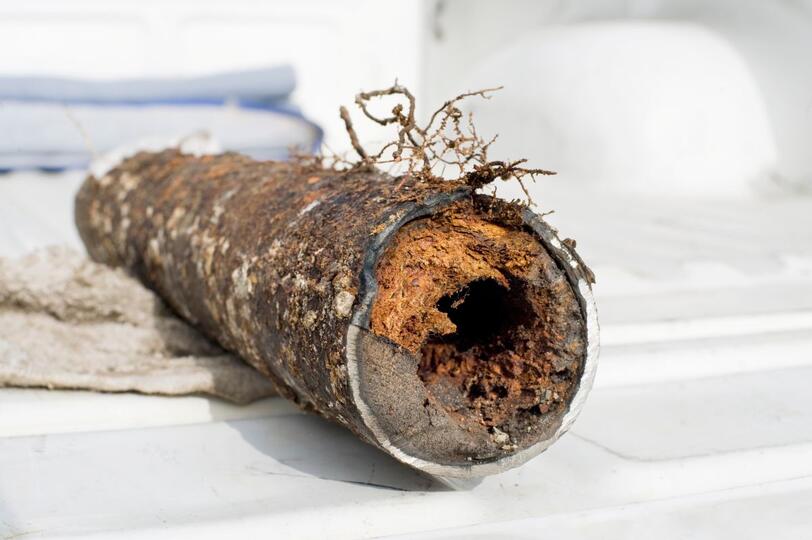
Once inside, roots find a perfect environment of water, nutrients, and oxygen. They multiply quickly, forming a net that shrinks the usable pipe diameter, traps debris, and widens the original crack. Over time, that pressure can split or collapse the pipe entirely, which is why early detection matters so much.
Root Intrusion vs. Other Common Sewer Problems
Many sewer issues share the same symptoms, which makes it easy to misdiagnose what is going on underground. A quick comparison helps homeowners understand why a professional inspection is so valuable before choosing a fix.
| Problem | Common Symptoms | Typical Cause | Usual Solution |
| Root intrusion | Slow drains, recurring clogs, lush yard patches | Roots entering through cracks or joints | Mechanical root cutting, hydro jetting, cured in place pipe |
| Grease and scale buildup | Slow kitchen drains, odors | Cooking fats and mineral deposits | Hydro jetting, better disposal habits |
| Pipe belly or sag | Standing water, repeat clogs at one spot | Soil settling under the pipe | Section repair or replacement |
| Collapsed pipe | Total backup, sinkholes, no drainage | Age, heavy roots, or ground shifting | Pipe bursting or full sewer replacement |
| Foreign object clog | Sudden blockage in one area | Wipes, toys, or hygiene products | Snaking or jetting |
As the table shows, root intrusion overlaps with nearly every other sewer problem. The only way to know for sure is to see inside the pipe. Homeowners in Everett and surrounding areas who schedule a camera inspection before booking a repair often avoid paying for a solution that does not match the real issue.

Frequently Asked Questions About Root Intrusion in Sewer Lines
Homeowners tend to have similar questions once they suspect roots are causing trouble. Here are clear answers to the ones that come up most often.
Can I remove roots from my sewer line myself?
Chemical root treatments such as foaming root killers can kill roots in minor cases, but they rarely solve the problem permanently. The roots usually return through the same crack. A professional root cutter clears the entire pipe and shows whether sewer repair is needed.
How quickly do roots grow back after cleaning?
Regrowth depends on the tree species, the season, and the size of the entry point. In many cases, roots return within months if the crack or joint is left untreated. Sealing or lining the pipe is the most lasting way to prevent future root intrusion.
Should I cut down the tree causing the problem?
Not always. Removing the tree does not repair the damaged pipe, and the remaining roots can still decay inside it. Fixing the pipe, and adding root barriers where needed, usually solves the issue while letting you keep the tree.
Is a camera inspection really necessary?
Yes, in most cases. A camera on the drain line shows the exact location, depth, and severity of the intrusion, which helps determine whether cleaning, lining, or replacement is the right choice.
Can trenchless repair stop roots from coming back?
Cured in place pipe lining creates a seamless new surface inside the existing pipe. With no joints or cracks to slip through, roots have a much harder time finding a way back in.
If your question is not answered here, a short conversation with a sewer professional can clear things up quickly. Getting accurate information early helps you choose the right repair with confidence.
Stop Root Damage Before It Spreads
Root intrusion is one of the most common and most preventable causes of sewer line failure. Paying attention to slow drains, gurgling fixtures, odd yard patches, and repeat clogs gives you the chance to act while repairs are still simple. Waiting usually means a larger, messier, and more expensive project down the road.
Brewer Sewer helps homeowners in Everett and surrounding areas identify root problems with camera inspections and clear them using the right method for each pipe, from mechanical cutting and hydro jetting to trenchless root intrusion repair, so you get the proper fix the first time. If you have noticed any of the warning signs in this guide, contact us today to schedule an inspection and get a clear picture of what is happening below your yard.