

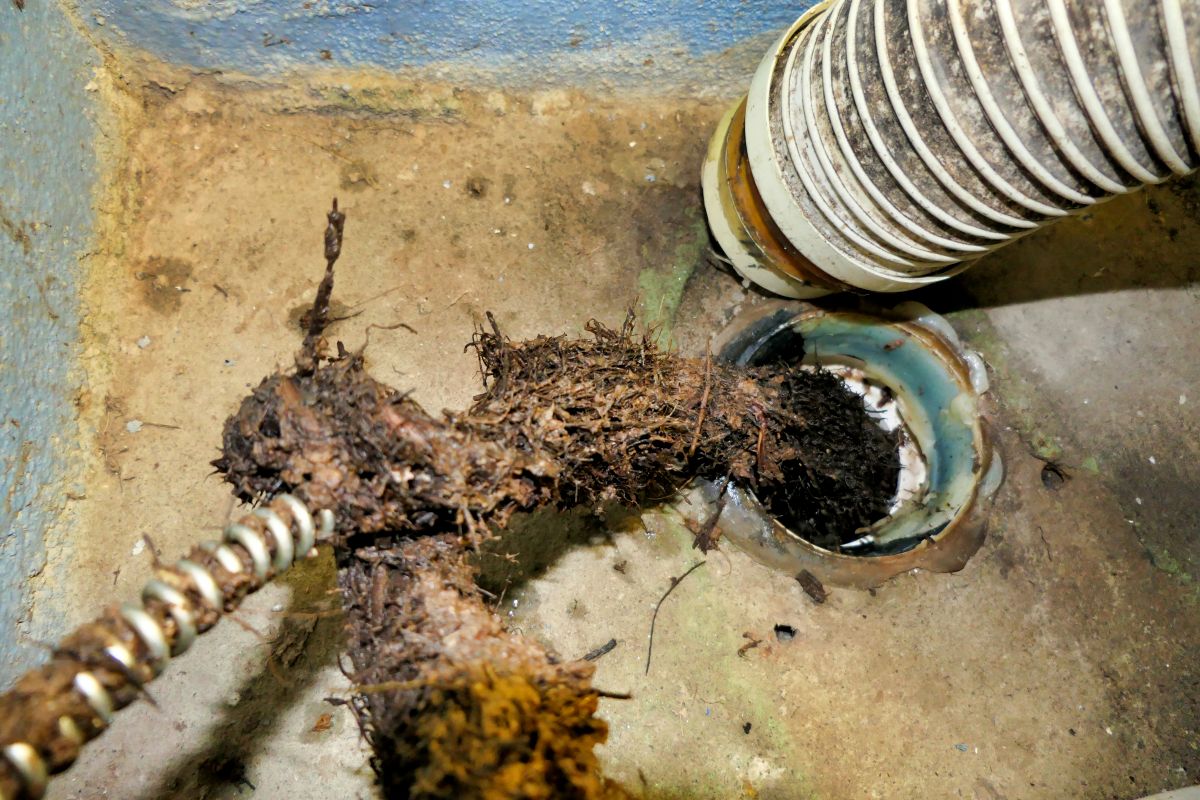
4 Root Killer for Drains Options & When to Call a Pro
Tree roots are one of the most common reasons sewer lines slow down or back up, which is exactly why understanding root killer for drains matters before a small clog turns into a major repair. Homeowners in Federal Way and surrounding areas often reach for a store-bought product first to dissolve tree roots invading their sewer and septic lines, but not every root problem responds the same way to the same treatment. Taking a closer look at what a damaged or root-filled line actually needs helps homeowners choose the right option instead of guessing and hoping for the best.
Here is a quick rundown of what this guide walks through:
- The main types of root killer products available to homeowners
- How each option actually works inside the pipe
- Safe application practices and common mistakes
- When a chemical treatment is not enough and a professional is needed

Why Treating Root Intrusion the Right Way Matters
Tree roots do not stop growing once they find their way into a sewer line, and the wrong treatment approach can waste money while the underlying problem keeps getting worse. Choosing the right root killer, or recognizing when one will not be enough, protects both the pipe itself and the landscaping above it while restoring proper flow and preventing future root growth.
- Cost Savings: Catching root intrusion early with the right product can delay or prevent a far more expensive excavation later.
- Pipe Protection: Some root killers are safer for older pipe materials than others, and using the wrong one can cause unintended damage.
- Fewer Repeat Clogs: A treatment that reaches the full interior of the pipe, not just the bottom, prevents roots from regrowing as quickly.
- Environmental Safety: Overused copper sulfate can neutralize nutrients and harm aquatic life in nearby water systems, which is why regulated active ingredients matter for septic systems and nearby water sources.
Independent product comparisons of root killers for sewer lines show that foaming formulas tend to outperform basic crystals because they coat the entire pipe rather than just settling at the bottom. That distinction alone can determine whether a treatment actually reaches the roots causing the problem.
4 Root Killer for Drains Options Homeowners Should Know
Not every root killer works the same way, and choosing the wrong one for your situation often means repeating the treatment sooner than most homeowners would like. The following breakdown covers the main options available to homeowners in Federal Way and surrounding areas, from simple store-bought products to professional-grade solutions.
1. Copper Sulfate Crystals
Copper sulfate has been used for decades as a straightforward, low-cost way to kill roots on contact once flushed into a toilet. The crystals dissolve slowly and typically take three to four weeks to fully clear a blockage, working best on pipes located toward the bottom of the line, where water naturally pools.
- Inexpensive and widely available at hardware stores
- Most effective on clay pipe, where it leaches into the material
- Can corrode metal pipes, damage certain plastics, or disrupt septic tank bacteria if overused
2. Foaming Root Killer Products
Foaming formulas expand on contact with water, allowing the product to coat the entire interior of the pipe rather than just the bottom, and most work within two to seven days depending on how thick the roots are. Many rely on dichlobenil to kill existing roots and prevent future growth, while others use a gentler mix of salt, soap, and baking soda that dehydrates smaller roots without harming surrounding trees.
- Reaches root growth at the pipe crown, not just the bottom
- Often marketed as safer for septic systems than copper-based options
- Should be applied to the toilet closest to the main sewer line for the best results
3. Mechanical Root Cutting
A professional rooter service uses a mechanical cutting head to physically shred roots inside the line, immediately restoring flow. This method works well for severe blockages but does not prevent roots from growing back on its own, which is why it is often paired with a longer-term treatment.
- Provides immediate relief for a fully blocked line
- Often paired with a chemical treatment afterward to slow regrowth
- Requires professional equipment rather than a store-bought product
4. Hydro Jetting With Root Treatment
Hydro jetting uses high-pressure water to clear root masses, grease, and debris from the entire pipe wall, often combined with a root-specific treatment applied afterward. This combination approach tends to produce longer-lasting results than a chemical product used on its own, particularly for lines with a long history of recurring root problems.
- Clears debris and roots more thoroughly than cutting alone
- Frequently follows a camera inspection to confirm the pipe’s condition
- Best suited for recurring root problems that keep coming back
Homeowners dealing with a first-time, minor slowdown often start with a store-bought chemical option, while recurring or severe blockages usually call for mechanical or hydro jetting methods performed by a professional.

Using Root Killer Products Safely
Even effective products can cause problems if they are used incorrectly, so understanding proper application matters just as much as choosing the right formula. A little caution goes a long way toward protecting both your plumbing and your yard, especially since some products carry real risks if applied carelessly.
- Follow Dosage Instructions Exactly: Overusing copper sulfate or foaming products can damage pipes instead of protecting them.
- Ventilate the Area: Some root killers release fumes during application, so opening a window or running a fan is worth the extra step.
- Avoid Mixing Products: Combining different chemical treatments can create unpredictable reactions rather than better results.
- Reapply on Schedule: Most products lose effectiveness after several months, so a one-time application rarely solves a recurring root problem, and many are best applied twice a year as a preventive.
- Consider Long-Term Prevention: Installing root barriers near the sewer line or selecting less invasive tree species when landscaping can reduce future root problems significantly.
Homeowners in Federal Way and surrounding areas with septic systems should also confirm a product is labeled safe for septic use, since some formulas can disrupt the bacterial balance a septic tank depends on.
DIY Root Killer Versus Professional Root Treatment
Deciding between a store-bought product and a professional service often comes down to how severe and how frequent the root problem has become. The table below breaks down how the two approaches compare across the factors that matter most to homeowners weighing their options.
| Factor | DIY Root Killer | Professional Treatment |
| Upfront cost | Low | Higher, but often longer lasting |
| Effectiveness on severe blockages | Limited | Strong, especially with hydro jetting |
| Diagnosis included | No | Often includes camera inspection |
| Best for | Minor, early-stage root growth | Recurring or severe intrusion |
Homeowners who have tried a store-bought product more than once without lasting results are usually better off scheduling a professional inspection rather than continuing to repeat the same treatment. Between treatments, enzyme or bacteria-based cleaners can help minimize organic buildup and support ongoing maintenance, though they are not a substitute for addressing active root intrusion.
Frequently Asked Questions
Homeowners dealing with root intrusion for the first time tend to ask similar questions before choosing a product or calling a professional. Here are answers to the ones that come up most often.
How do I know if tree roots are the cause of my clog?
Recurring slow drains, gurgling sounds, and backups that return shortly after clearing are common signs. A camera inspection is the most reliable way to confirm root intrusion rather than another type of blockage.
Is root killer safe for all pipe materials?
Not always. Copper sulfate can corrode certain metal pipes and damage some plastics if overused, so it is worth checking a product’s label against your pipe material before applying it.
How often should I use a root killer product?
Most foaming and crystal products need reapplication every six months to a year, depending on how quickly roots regrow in your specific line and pipe material.
Can root killer damage nearby trees or landscaping?
Properly labeled root killers are designed to target roots inside the pipe without harming the tree itself, though overuse of any chemical treatment can still affect nearby soil.
Can I make my own root killer at home?
Some homeowners mix vinegar and baking soda with salt to create a homemade foaming solution, which can help dehydrate small roots but is generally less effective on thick, established root masses than commercial products.
When should I stop trying products and call a professional?
If a root killer has not resolved recurring backups after two or three applications, it is time to schedule a camera inspection to determine whether mechanical cutting or hydro jetting is needed.
These questions cover the basics, but every sewer line has its own history of pipe material, age, and root exposure. A professional inspection remains the clearest way to know exactly what a specific line actually needs before spending money on another round of chemical treatment.

Get Professional Help With Root Intrusion
Root killer products can handle minor, early-stage problems, but recurring backups usually point to something a store-bought treatment cannot fully solve on its own. Brewer Sewer has helped homeowners throughout Federal Way and surrounding areas diagnose root intrusion with camera inspections and clear the problem for good using mechanical cutting, hydro jetting, or trenchless repair when needed.
If root killer products have not solved a recurring drain problem, contact us today to schedule an inspection and get a clear answer about what is really happening inside your sewer line.