Sewer Line Issues: 7 Signs Something Is Wrong Underground
Your sewer line is easy to forget until something goes wrong. Because it runs underground and out of sight, most sewer line issues develop quietly for months before they cause a backup or a soggy yard. Homeowners in Kirkland and surrounding areas often notice early warning signs first, like a slow bathroom sink or an odd smell, without realizing those clues point to the main line. Learning to recognize the warning signs early gives you the best chance of fixing the problem while it is still small and far less expensive.
Here is what this guide walks through:
- Seven common signs of sewer line trouble in your main line
- The most common causes behind those signs
- How urgent each sign is and what to do first
- Quick answers to common homeowner questions
The Real Cost of Ignoring Small Warning Signs
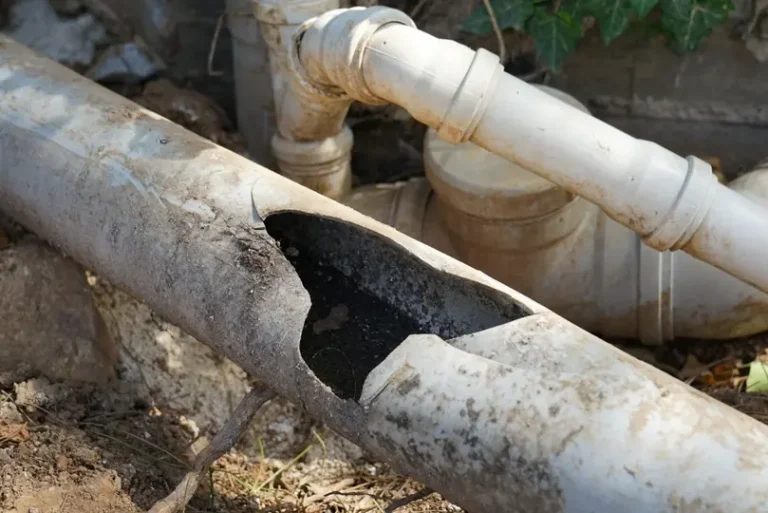
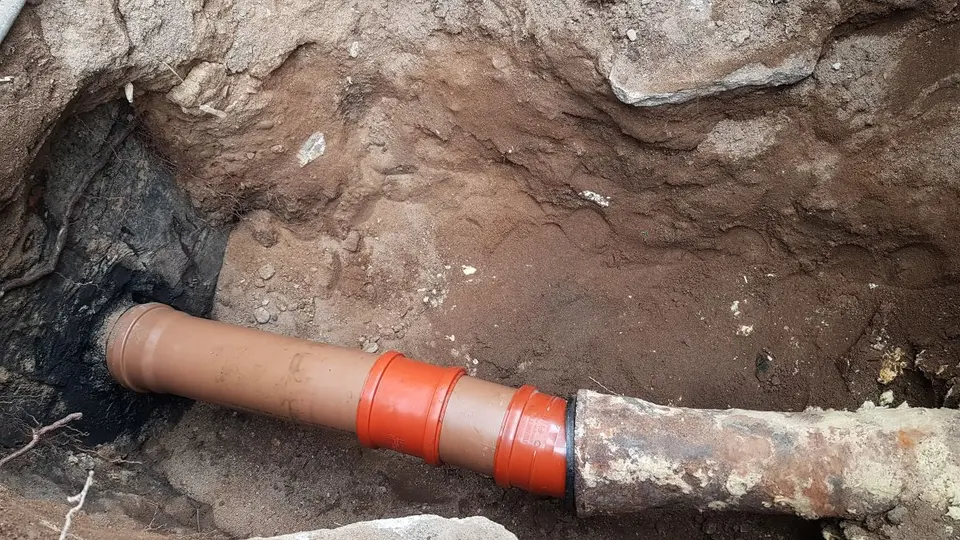
A sewer line rarely fails all at once. Most common sewer line problems start as tiny cracks, a small tree root intrusion, or a slight sag in the underground pipes, then grow worse each time water passes through. The longer those sewer issues go unnoticed, the more likely they are to cause serious damage to your home, your yard, and your budget.
Paying attention early offers clear advantages:
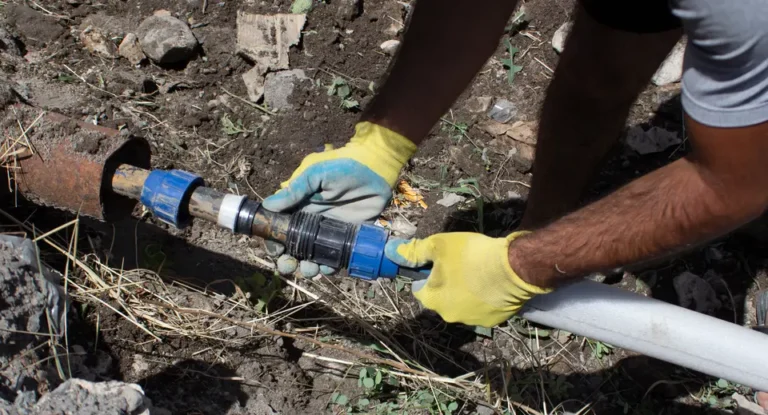
- Smaller Repairs: A single damaged pipe section can often be fixed with targeted sewer line repair, while a collapsed line may need full sewer line replacement.
- Health and Safety: Leaking human waste and sewer gas expose your household to bacteria, odors, and even mold growth that should never linger in living spaces.
- Protection for Your Property: Escaping wastewater can soften soil, damage landscaping, and put stress on foundations and hardscaping.
- More Repair Options: Damaged sewer lines caught before they fail completely are often good candidates for less invasive methods that avoid unnecessary digging.
The damage is not always limited to the pipe itself. When a broken line runs beneath a paved surface, homeowners may notice asphalt starting to deteriorate or individual pavers sinking as soil washes away underneath. Spotting sewer line damage early is key to preventing costly repairs to both the sewer and everything built above it.
7 Signs Your Sewer Line Needs Attention
Some warning signs show up inside the house, while others appear in the yard or around the foundation. Any one of them may have another explanation, but several together strongly suggest a problem in the main line. Here are the seven to watch for.
1. Slow Drains Throughout the House
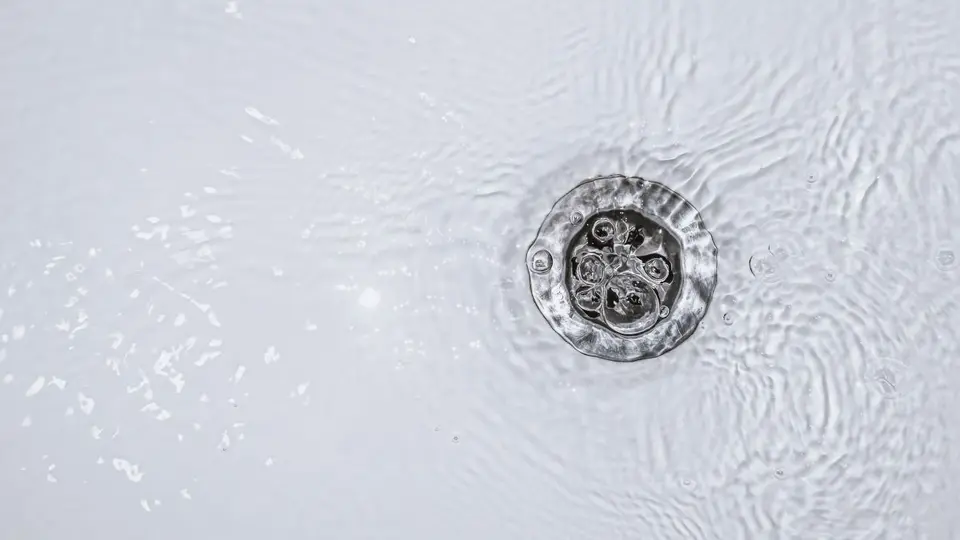
One slow drain usually means a minor clog in that fixture. When more than one drain stops draining properly at the same time, including tubs, showers, sinks, and toilets, the restriction is likely a clogged main sewer line.
- Water pooling in the shower during use
- Toilets that need more than one flush
- Store-bought drain cleaning products that stop working quickly
2. Backups in the Lowest Drains
Wastewater follows the path of least resistance. When a clogged sewer line blocks the flow, sewage often comes up through the lowest drains in the home first, such as a basement floor drain or a ground floor shower.
- Water appearing in a floor drain after laundry or showers
- White mineral rings around a basement drain from repeated pooling
- Frequent backups that happen after heavy water use
3. Gurgling Sounds and Changing Toilet Water Levels
Trapped air behind a partial blockage pushes back through the home’s plumbing system, creating gurgling noises in toilets and drains. These sounds typically occur right after a flush or when a nearby fixture drains. Some homeowners also notice the water level in a toilet bowl dropping or rising on its own hours after a flush.
4. Persistent Sewer Odors
A healthy sewer system keeps gases sealed inside the pipes. Strong, lingering sewage odors inside the house or near the sewer path outside often mean a broken sewer line or loose joints are letting those gases escape.
5. Soggy Patches and Unusually Green Grass
Sewage leaking into the soil acts like fertilizer. A strip of lawn that stays greener than the rest, or ground that feels soft and spongy during dry weather, often marks the spot where the line is leaking.
6. Sinking Ground, Cracked Pavement, or Foundation Changes
When a leak washes soil away from around the pipe, the ground above can settle. Look for small depressions in the yard, sinking pavers, new cracks in a driveway or walkway, or unexplained changes near the foundation.
- Indentations that follow a straight line across the yard
- Small sinkholes forming near the house
- Cracks in concrete that appear without another clear cause
7. Rodents and Insects Near Drains
A broken sewer pipe creates an easy entry point for pests, which are drawn to the moisture and waste happening underground. An increase in rats, cockroaches, or small drain flies around basements and drains can signal that the line has an opening somewhere underground.
Noticing one of these signs is a reason to pay closer attention, and noticing two or more is a reason to schedule an inspection. A sewer camera inspection is the most reliable way to confirm what is happening inside the pipe and pinpoint the exact location of the problem.
What Usually Causes These Problems
Warning signs tell you something is wrong, but the cause determines the right fix. Most sewer problems trace back to a handful of common sources, many of which are tied to the age of the home and what surrounds the pipe.
These are the causes that show up most often:
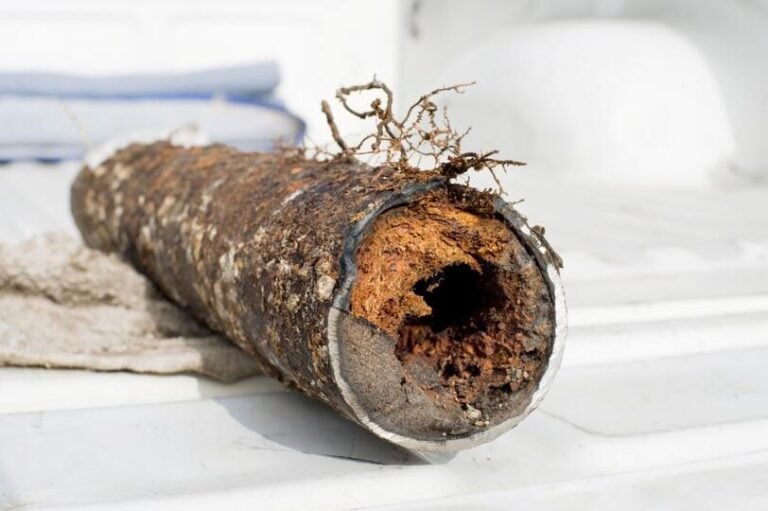
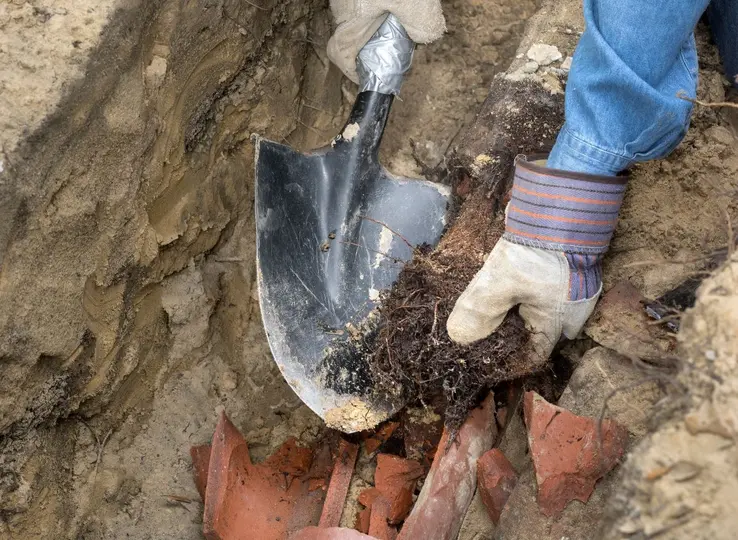
- Tree Roots: Roots naturally seek moisture, especially from large trees, and slip into small cracks or joints, then grow into dense masses causing blockages that widen the opening.
- Aging Pipe Materials: Clay, cast iron, and older composite pipes break down over decades, developing cracks, pipe corrosion, and weak spots.
- Shifting Soil: Settling, heavy rain, and freeze and thaw cycles can move pipe sections out of alignment or create low spots called bellies.
- Grease and Debris Buildup: When homeowners pour grease down the sink or flush wipes, paper towels, or too much toilet paper, grease buildup and debris narrow the pipe and cause a stubborn clogged drain.
- Heavy Surface Weight: Vehicles, construction equipment, or new structures above the line can crush or crack older pipes.
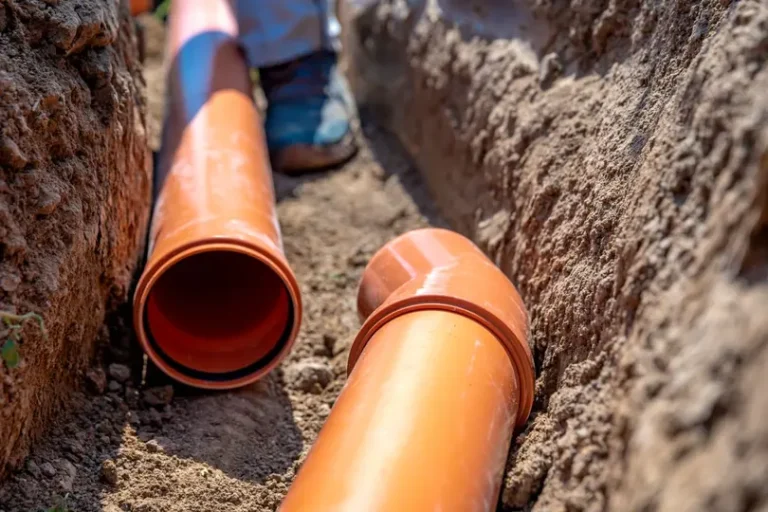
- Poor Original Installation: Pipes laid with incorrect slope or weak joints tend to develop problems sooner than properly installed lines.
Many homes in Kirkland and surrounding areas have mature trees and older original plumbing, which makes roots and aging materials especially common culprits. Knowing the likely cause helps you understand why a thorough inspection by a professional plumber matters before choosing a repair, whether that is hydro jetting, lining, or replacement.
How Urgent Is Each Warning Sign?
Not every sign calls for the same level of response. Some can wait for a scheduled appointment, while others need attention right away to protect your home and health. This quick guide helps you decide what to do first.
| Warning Sign | Urgency | Best First Step |
| Slow drains in one fixture | Low | Clear the local clog and monitor |
| Slow drains throughout the house | Moderate | Schedule a camera inspection |
| Gurgling or changing toilet levels | Moderate | Schedule a camera inspection |
| Persistent sewer odors | Moderate to high | Inspect soon and check for leaks |
| Soggy or extra green yard patches | High | Avoid the area and book an inspection |
| Sinking ground or cracked pavement | High | Keep weight off the area and call a pro |
| Sewage backup into the home | Emergency | Stop using affected fixtures and call immediately |
When sewage is actively backing up, the safest move is to stop running water in all affected fixtures, keep children and pets away from the affected area, and call a professional right away. For lower urgency signs, a scheduled inspection gives you time to plan the repair instead of reacting to an emergency.
Homeowners in Kirkland and surrounding areas often find that acting at the moderate stage keeps repair options wider and costs lower. Waiting until a sign reaches the emergency level usually means more cleanup and a larger project.
Frequently Asked Questions About Sewer Line Issues
Sewer problems can feel overwhelming, especially when the source is buried underground. These answers cover the questions homeowners ask most often.
How do I know if the problem is a clog or a broken pipe?
Clogs usually cause slow drainage at multiple drains and recurring backups, while broken pipes are more likely to cause odors, soggy yard spots, and sinking ground. A video camera inspection through a cleanout with direct access to the line is the only way to know for sure.
Can I use chemical drain cleaners on a sewer line problem?
Chemical cleaners may offer short-term relief for a minor clog, but they rarely reach main line plumbing problems and can cause significant damage to older pipes. It is better to have the line inspected.
Are sewer line problems covered by homeowners insurance?
Coverage varies by policy and cause. Damage from gradual wear or roots is often excluded, so check with your insurer and review any optional sewer line coverage.
How long does it take to repair a sewer line?
Simple repairs may take a day or less, while larger replacements can take several days. Less invasive methods often shorten the timeline.
Can sewer line issues be prevented?
Many can be reduced with regular inspections, careful tree placement, and avoiding grease, wipes, and other debris in the drains. Older lines benefit most from routine checkups.
If you are unsure whether your home is showing warning signs, an inspection is a simple way to find out. Clear answers now can prevent a much bigger problem later.
Protect Your Home From Hidden Sewer Damage
Sewer problems rarely fix themselves, and the warning signs almost always get worse with time. Paying attention to slow drains, odors, yard changes, and backups gives you the chance to act while repairs are still manageable.
Brewer Sewer helps homeowners in Kirkland and surrounding areas track down the source of sewer problems with camera inspections and clear, honest repair recommendations. If you have noticed any of the signs in this guide, contact us today to schedule an inspection and get your sewer line back on track.