
Main Drain Line Clogged: 6 Signs & How to Fix It Fast
Every drain in your house eventually leads to the same place, which is exactly why a main drain line clogged with debris causes so much disruption at once. Instead of one sink or shower acting up, the entire plumbing system starts backing up simultaneously, turning a small inconvenience into a household emergency. Homeowners in Bellevue and surrounding areas who recognize the early warning signs can often resolve the issue before it spreads to every fixture, and a thorough look at what’s happening inside your pipes is usually the fastest way to confirm exactly where the blockage sits.
A quick look at what’s ahead:
- Key warning signs of a main line clog
- The most common causes behind blockages
- Smart prevention habits
- When DIY tools fall short

Why a Clogged Main Drain Line Is a Bigger Deal Than It Seems
A main drain line clog behaves very differently from a single slow sink or shower. Because every fixture in the home eventually connects to this one central pipe, a blockage here affects everything downstream at once, often without much warning. Once a clog forms in this shared pipe, the entire drain system loses its ability to function, turning a minor plumbing issue into a fully clogged sewer line. Homeowners who understand the stakes tend to act faster, which usually means a simpler and less expensive resolution.
- Prevents widespread backups: Catching the clog early stops sewage from surfacing in multiple drains throughout the home.
- Protects your health: Wastewater exposure from a main line backup introduces bacteria and contaminants into living spaces.
- Limits property damage: Water that backs up into a basement or crawlspace can ruin flooring, drywall, and stored belongings.
- Saves on repair costs: A clog caught early is far cheaper to clear than one that causes flooding or pipe damage.
Homeowners throughout Bellevue and surrounding areas often notice a main line clog only after several fixtures act up at once, a pattern that sets this blockage apart from a simple, isolated clog. Recognizing that distinction early gives you the best chance of avoiding a much larger mess.
6 Signs Your Main Drain Line Is Clogged
A main line clog rarely announces itself with a single dramatic symptom. Instead, homeowners usually notice a handful of smaller, related signs that build over a short period of time. Learning to recognize these six signals can help you act before the situation turns into a full household backup.
1. Multiple Drains Backing Up at Once
When a toilet, bathtub, shower, and sink all slow down or back up around the same time, the problem is almost never a coincidence. A single localized clogged drain wouldn’t affect unrelated fixtures at once, pointing to a sewer clog in the shared main line.
- Fixtures on different floors acting up together
- Backups that follow a pattern after using any water source
- No improvement after clearing one individual drain
2. Gurgling Sounds From Toilets or Drains
Air trapped behind a blockage often escapes upward through the pipes, creating distinctive gurgling noises or a bubbling sound. This is especially common when running water in one fixture causes another, seemingly unrelated fixture to gurgle in response.
- Gurgling toilets when the washing machine drains
- Bubbling sounds from tub or shower drains
- Noises that occur consistently rather than randomly
3. Sewage Odors Throughout the Home
A clogged main line traps wastewater and gas that would normally flow away from the house, and that trapped material often produces a persistent, unpleasant odor. Unlike a localized drain smell, this odor tends to spread through multiple areas of the home.
- Odor near basement drains, floor cleanouts, or the sewer cleanout
- Smell that lingers even after ventilating the space
- Multiple rooms affected rather than a single bathroom

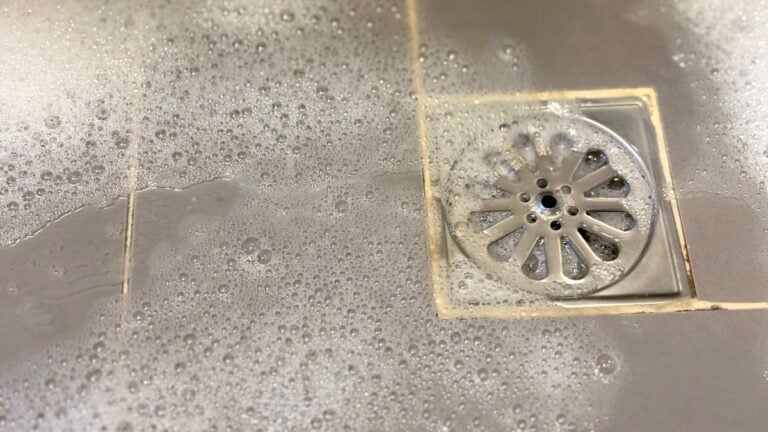
4. Water Backing Up Into the Lowest Drain
Because water and waste follow gravity, the lowest drain in the house, often a basement floor drain, is usually the first place backups appear. This happens because a blockage further down the line has nowhere else to send the wastewater except back up through the path of least resistance. In homes with a sump pump, water may surface there first, since it often sits at the lowest point.
- Basement floor drains overflowing unexpectedly
- Backups appearing after running upstairs fixtures
- Standing water with no clear outside source
5. Slow Drainage Across the Entire House
A single slow drain often points to a local clog, but when nearly every fixture drains more slowly than usual, the cause is typically further along in the main line. Even soapy water draining slower than usual from a tub can be an early clue. This gradual, house wide slowdown can be easy to overlook until it becomes severe.
- Sinks, tubs, and toilets all draining sluggishly
- Slowness that worsens gradually over days or weeks
- No single fixture standing out as the primary culprit
6. Repeated Clogs After Cleaning
If a drain clears temporarily but clogs again within days, the real blockage may sit deeper in the main line rather than in the fixture itself. Running your own snake or a store bought cleaner might clear toilet paper or paper towels near the surface, but a quick return points to an obstruction much further away. Repeated cleaning that only offers short term relief is a strong sign the problem needs a more thorough diagnosis.
- Clogs returning within a week of clearing
- Multiple fixtures needing repeated attention
- Basic tools providing only temporary improvement
Spotting even two or three of these signs together is a strong signal that the issue lies in the main line rather than in an isolated fixture. Waiting until every drain in the house is affected almost always means a more urgent and costly repair.
What Typically Causes a Main Drain Line Clog
Understanding what leads to a main line clog makes it easier to prevent one in the future. While the exact cause varies by home, a handful of culprits are responsible for the vast majority of blockages homeowners encounter.
Common causes behind main line clogs:
- Grease and food buildup: Pouring grease down the sink or overusing the garbage disposal solidifies inside the sewer pipe and narrows the passage for wastewater.
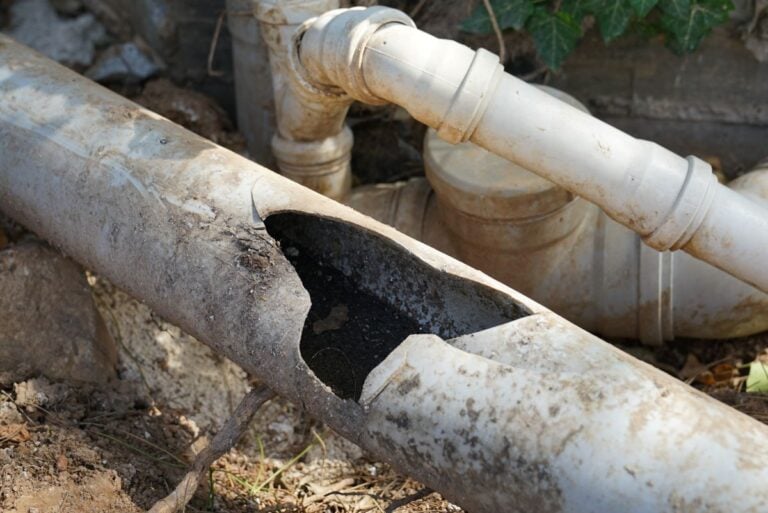
- Tree root intrusion: Roots seek out moisture escaping through small cracks or pipe joints out in the yard, eventually growing large enough to block flow entirely.
- Foreign objects: Wipes, toilet paper, paper towels, and other items that shouldn’t be flushed can get stuck and become lodged in the main sewer line.
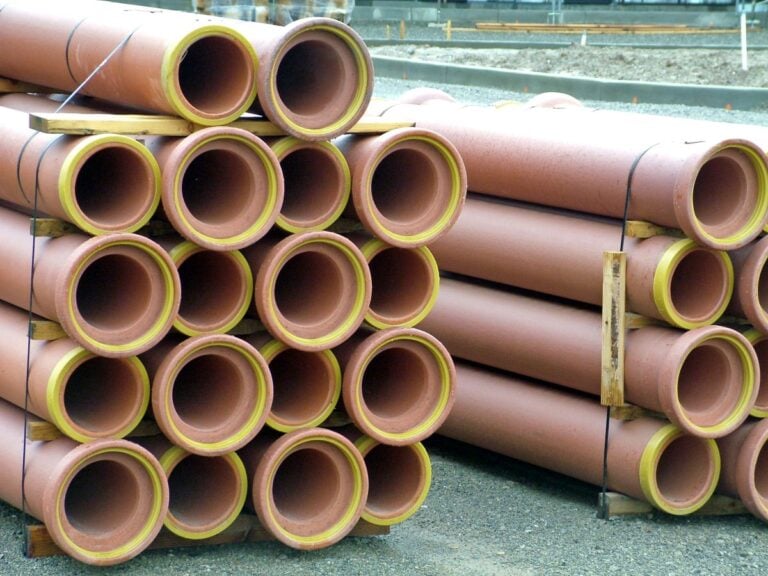
- Pipe age and material: Older homes often have pipes made from clay or cast iron, which are more prone to cracking, settling, and eventually breaking down over time.
Homes in Bellevue and surrounding areas with mature trees nearby face a somewhat higher risk of root related blockages, especially if the property still has an older pipe material. This pipe also runs out to the sewer main beneath the street, so problems can occur well outside where a homeowner has easy access. Knowing which of these causes is most likely in your situation can help you decide how urgently to schedule an inspection.
DIY Tools vs Professional Equipment: What Actually Works
Many homeowners try to handle a suspected main sewer line clog themselves, and for minor issues that approach can work. The key is knowing which tools handle small, localized clogs and which reach a genuine main line blockage.
| Tool or Method | Best For | Limitations |
| Plunger | Isolated fixture clogs | Cannot reach the main line at all |
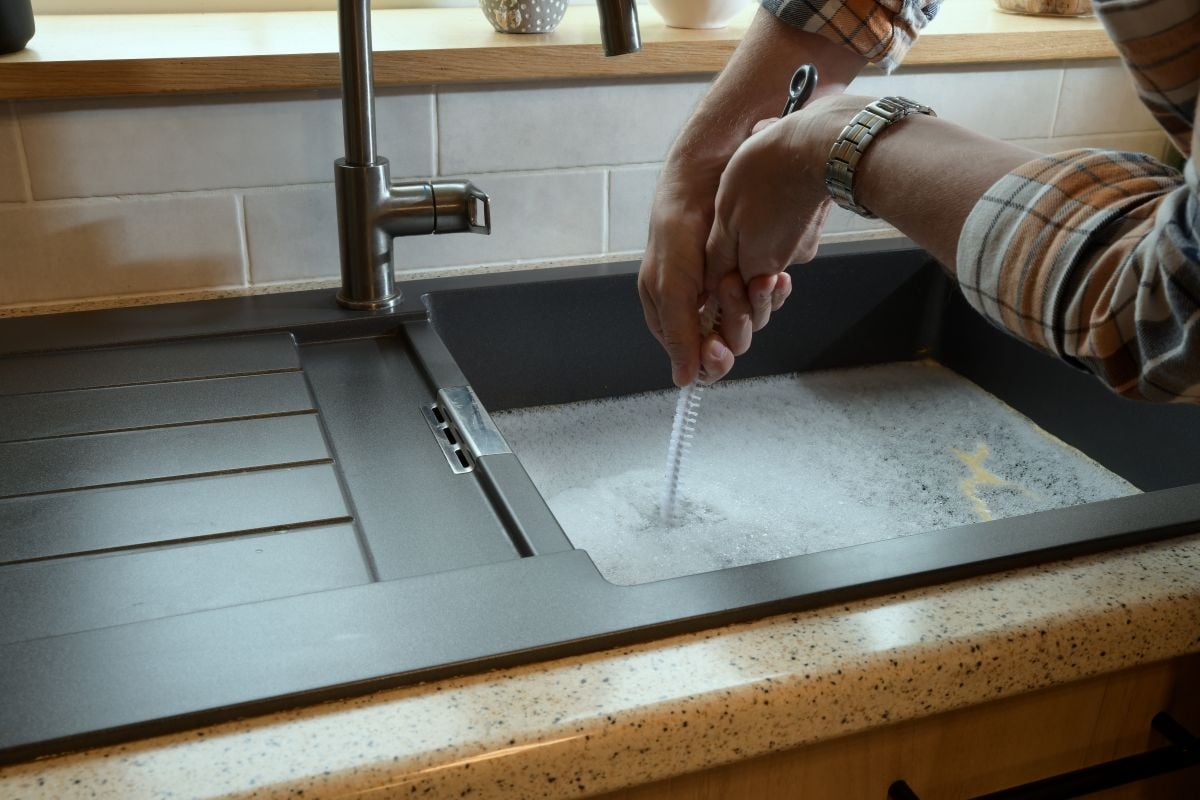
| Handheld drain snake | Shallow clogs near the drain opening | Limited reach, usually a few feet |
| Chemical drain cleaner | Light buildup in a single pipe | Ineffective on solid blockages or roots |
| Motorized drain auger | Clogs further down a branch line | Still limited compared to main line equipment |
| Professional hydro jetting | Main line blockages and root intrusion | Requires a scheduled professional visit |
| Camera inspection | Diagnosing the exact clog location | Best performed by a trained technician |
DIY tools work well for clogs close to a single fixture, but a true main line blockage sits beyond most household tools. Professional grade equipment, paired with a camera inspection to confirm the exact location and cause, is almost always necessary once multiple fixtures are affected at the same time. A professional plumber can access the line through the sewer cleanout using heavy duty equipment far beyond any basic drain cleaning service kit sold at a hardware store.

Frequently Asked Questions About a Clogged Main Drain Line
These are the questions homeowners most often ask once they suspect the main drain line is the source of their plumbing trouble. The answers below provide a starting point, though a professional inspection remains the most reliable way to confirm what’s happening underground.
How do I know if it’s my main line or just one drain?
If more than one fixture is affected at the same time, especially ones that aren’t physically connected, the main line is the more likely cause.
Can I clear a main line clog myself?
Minor clogs near a fixture can sometimes be cleared with basic tools, but true main line blockages typically require a professional plumber with heavy duty equipment to reach and clear effectively.
Is a main line clog an emergency?
If multiple drains are backing up or sewage is entering living spaces, it should be treated as urgent and addressed as soon as possible.
What happens if I ignore a clogged main line?
Ignoring the problem usually leads to worsening backups, potential water damage, and a higher chance of needing emergency repair services.
How often should the main line be inspected to prevent clogs?
Most homes benefit from a professional inspection every one to two years, or sooner if backups have happened before or mature trees are nearby.
Understanding these questions can help you feel prepared heading into a professional evaluation, even before knowing the exact cause of the clog.
Get Your Main Drain Line Flowing Again
A clogged main drain line rarely stays a small problem for long. Left alone, a sewer line problem like this leads to further damage, turning a simple yard or street fix into a much bigger job in the long run. Recognizing the warning signs covered in this guide gives homeowners a real advantage in catching the issue before it spreads to every fixture in the house.
Brewer Sewer has helped homeowners throughout Bellevue and surrounding areas diagnose and clear stubborn main line clogs quickly and thoroughly. If your drains are backing up, gurgling, or draining slower than usual across the board, don’t wait for the problem to escalate. Contact us today to get a clear diagnosis and a lasting fix instead of another temporary patch.