

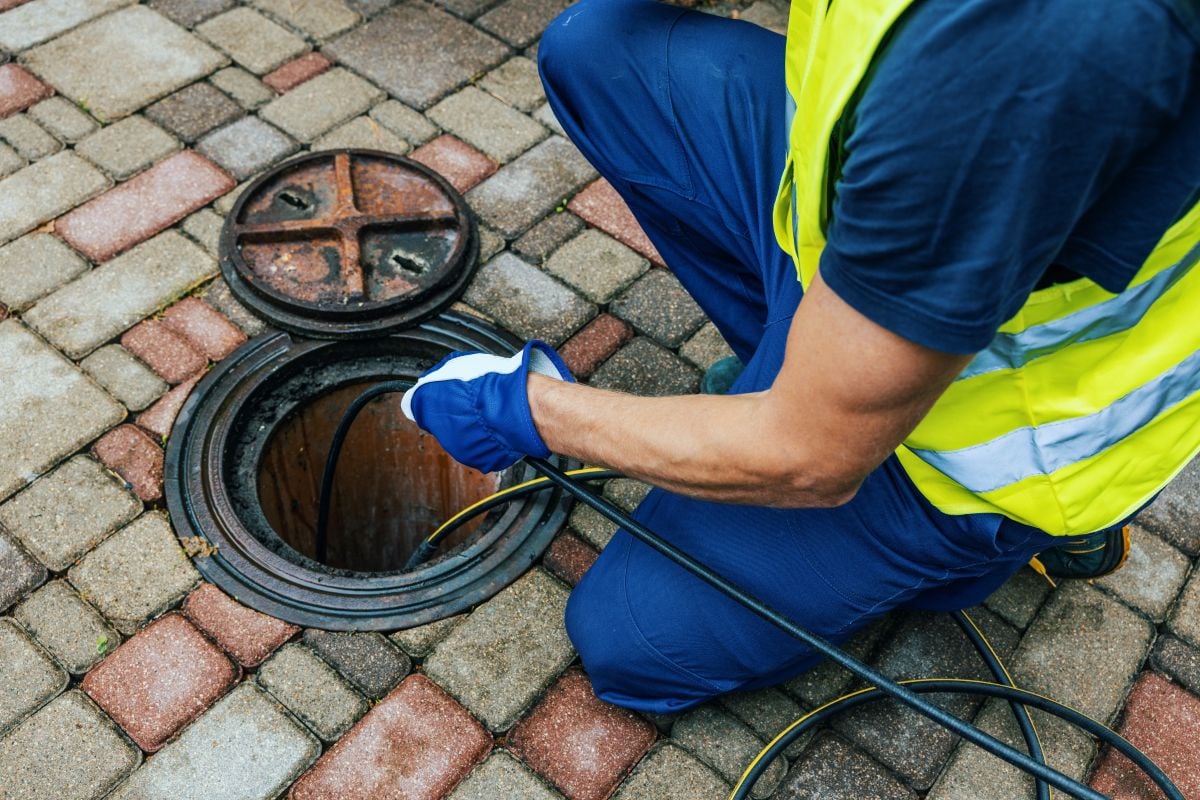
Does a Sewer Line Belly Need to Be Replaced? 5 Key Factors
A sagging section of sewer pipe underground is not something most homeowners think about until drains start acting strange. Understanding does a sewer line belly need to be replaced matters because the answer changes how much a fix will cost and how urgently it needs attention. This sewer belly will not fix itself, and a licensed team that offers professional pipe diagnostics can determine whether the dip is a minor nuisance or a structural problem waiting to worsen.
What you’ll learn:
- What a sewer line belly is and how a bellied sewer pipe forms over time
- The main factors that decide whether repair or replacement is the right call
- How soil, pipe material, and depth of sag all play a role
- What a sewer camera inspection can reveal about the exact location of the problem
- Typical costs for repairing a sewer line belly versus a full sewer line replacement
- When a spot repair might be enough versus replacing the entire line

Why a Sewer Line Belly Matters for Your Home
A belly in a sewer line, sometimes called a bellied sewer pipe, is a low spot where the pipe has sunk below its intended slope, creating a u shaped dip that traps water, waste, and debris instead of letting them flow smoothly toward the main line. Over time, that trapped material turns into sediment buildup, and what started as a small dip can turn into frequent blockages that show up every few weeks no matter how often the line gets cleaned. Homeowners in Bothell and surrounding areas often notice a bellied sewer line first through slow drainage or gurgling sounds that seem to come and go without an obvious cause.
- Prevents repeat sewage backups: Addressing the belly stops clogs that keep returning after every drain cleaning.
- Protects structural integrity: A sagging pipe near the house can signal soil shifting that threatens the foundation and the plumbing system.
- Avoids costly repairs: Catching a belly early is far cheaper than dealing with a collapsed line during a holiday weekend.
- Preserves yard and landscaping: Modern repair options can fix the dip without turning the entire yard into a construction site.
Ignoring a belly rarely makes it go away. Instead, the low spot tends to collect more sediment with each passing month, foul odors can start creeping into the yard or home, and the pipe around it can weaken further as the surrounding soil continues to settle unevenly. What might start as a once-a-year inconvenience can quietly turn into a monthly headache with real safety issues, and the cost of fixing it typically climbs right alongside the frequency of the backups.
5 Factors That Determine Whether a Sewer Line Belly Needs Replacement
Not every sewer line project requires digging up the whole line. Several factors determine whether a targeted repair will hold up or whether the entire section needs to come out. The five items below cover the most common considerations professional plumbers weigh when inspecting sewer line issues, and knowing them makes the conversation with a contractor easier to follow.
1. Depth and Severity of the Sag
The first thing an inspector checks is how deep the dip actually is, usually with a sewer camera inspection that pinpoints the exact location and depth of the sag. A shallow depression that still allows normal flow with minimal pooling is a very different problem than a severe sag that holds standing water and solid waste.
- Minor sags under an inch often just need monitoring
- Moderate dips may respond well to pipe lining
- Severe sags that trap significant waste usually point toward replacement
2. Pipe Material and Age
Older clay or cast iron pipes tend to shift more easily than modern PVC because the joints between sections were never designed for long-term flexibility. A belly forming in an old pipe already nearing the end of its service life often signals the whole segment needs attention, not just one weak point. A new pipe generally resists this kind of sagging better, though it is not immune if poor initial installation left the trench beneath it improperly compacted. In Bothell and surrounding areas, many homes built before the 1980s still have original clay lines, which makes this factor especially relevant for local homeowners.
3. Soil Conditions and Ground Movement
The Pacific Northwest’s mix of clay-heavy soil and seasonal rain creates ground that expands and contracts throughout the year. That soil movement, along with gradual ground settling and occasionally more sudden natural disasters, is one of the leading causes of a bellied pipe in the first place, and it also affects how long a repair will last.
- Expansive clay soils increase the risk of a belly returning after repair
- Poor drainage around the pipe accelerates shifting soil
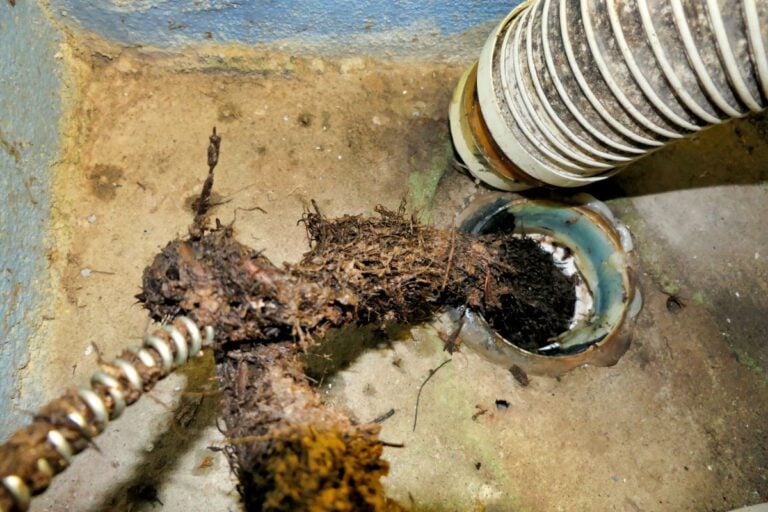
- Nearby tree roots can worsen ground instability, so avoid planting new trees close to the line
- Proper bedding beneath the pipe during installation helps prevent this kind of belly from forming

4. Extent of the Damage Along the Line
A single, isolated dip is a much easier fix than a pipe with multiple low spots strung along its length. Inspectors use a video camera to map out exactly how much of the entire line is affected, from the building drains near the house to the connection at the street, before recommending a course of action.
- One localized belly can often be spot repaired
- Multiple bellies across the same run usually call for full replacement
- Cracks or breaks found alongside the sag change the calculation toward replacement
5. Frequency and Severity of Backups
How often the problem shows up in daily life matters just as much as what the video inspection reveals underground. A belly that causes a backup once a year is a different situation than one that clogs every month regardless of how carefully the household manages what goes down the drain, and in severe cases immediate repair becomes the only responsible option.
- Occasional slow drains may not justify full replacement yet
- Recurring backups despite regular cleaning suggest the belly is worsening
- Sewage backing up into fixtures is a clear signal that replacement should not wait
Weighing all five factors together, rather than any one alone, is how a plumber arrives at an honest recommendation instead of an automatic push toward the priciest option.
Understanding the Repair Options Available
Once the severity of a belly has been assessed, homeowners generally have a few paths forward, and the right choice depends heavily on the factors covered above. Knowing what each option involves, along with typical repair costs, helps set realistic expectations for cost, timeline, and how long the fix should last.
Spot Excavation and Spot Repair
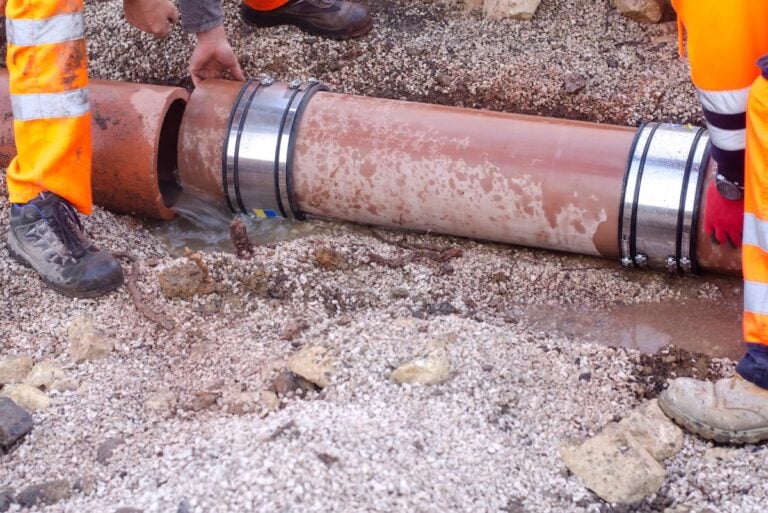
A spot repair, sometimes carried out through spot excavation at a single access point, addresses just the section of pipe where the belly has formed, leaving the rest of the line untouched. This works best when the sag is isolated and the surrounding pipe is still in good condition. Repairing a sewer line belly this way typically costs between $1,000 and $5,000, though the final number depends on the depth and length of the belly.
Pipe Lining and Relining
Pipe lining installs a resin coated liner inside the existing pipe through a process known as cured-in-place pipe, or CIPP, lining, which essentially creates a new pipe inside the old one. This can smooth out minor sags and reinforce weak spots without extensive digging, and it is a strong middle-ground option for bellies that are moderate but not yet severe.
Pipe Bursting and Full Section Replacement
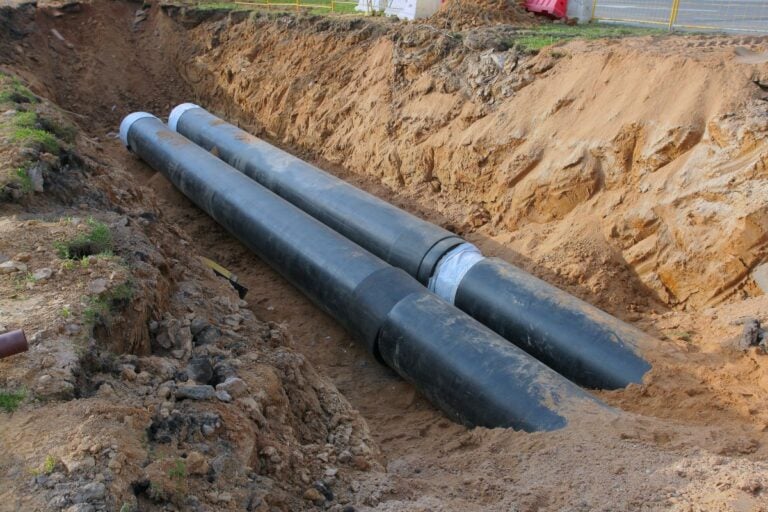
When the sag is severe, the pipe material is old, or multiple problem areas exist along the same run, pipe bursting or a full sewer line replacement is usually the more reliable long-term solution. Pipe bursting replaces the old pipe by breaking it apart while pulling a new one into place, and traditional excavation remains an option when a contractor needs thorough access to the sewer line. Trenchless methods can often accomplish a full section replacement without extensive yard disruption, which matters to homeowners in Bothell and surrounding areas who want to protect established landscaping. Full sewer line replacement generally runs $5,000 to $15,000 or more, while overall sewer line repair can cost as low as $1,300 or as high as $9,000 depending on scope, and sewer belly repair averages around $3,320 nationally.
It is worth noting that hydro jetting and routine drain cleaning can clear the blockages a belly causes, but neither one actually fixes the underlying dip in the pipe. A camera inspection remains the only reliable way to know which option actually fits a specific situation rather than guessing based on symptoms alone.
Comparing Warning Signs to Watch For
Beyond the technical factors a plumber considers, homeowners can watch for practical warning signs at home that hint at how serious a belly might be. Visual inspections check for leaks, slow drainage, and foul odors, and recognizing these signs early often means catching the problem while a smaller repair is still on the table and before frequent clogs develop into something worse.
| Warning Sign | What It Suggests |
| Slow drains in multiple fixtures | Possible belly trapping waste and slowing flow |
| Gurgling sounds after flushing | Air trapped by pooled water in a low section |
| Recurring clogs after cleaning | Belly likely reforming a blockage repeatedly |
| Soggy or sunken spot in the yard | Pipe may be leaking or collapsing near the surface |
| Sewage odor near the yard or foundation | Possible crack forming at the sag point |
These signs do not confirm a diagnosis on their own, but they are useful clues for deciding when to schedule an inspection rather than waiting for a full backup to force the issue. Homeowners who notice more than one of these signs at the same time should treat it as a stronger signal that the underlying pipe needs a closer look sooner rather than later. Tracking these patterns can also give a plumber useful context before a camera inspection.

Get an Honest Assessment Today
A sewer line belly is not automatically a replacement job, but ignoring the warning signs rarely ends well either. The safest path is a professional video camera inspection that looks at depth, pipe material, soil conditions, and backup history together before recommending a fix. Brewer Sewer has helped homeowners throughout Bothell and surrounding areas get a clear, honest answer instead of a guess, and that clarity, backed by a strong track record and a genuine focus on customer satisfaction, is what makes it possible to choose the right repair the first time.
If drains have been acting up or a section of yard seems slightly sunken, do not wait for a full backup to find out why. Our plumbing company’s professional plumbers are ready to help. Contact us today to schedule an inspection and get a straightforward plan for fixing the problem at its source.