

Emergency Sewer Repair: 6 Steps to Handle Fast
When a sewer issue strikes without warning, quick action can make all the difference. Emergency sewer repair situations can escalate rapidly, leading to property damage, health risks, and costly repairs if not addressed immediately. Knowing what to do in the moment helps protect your home and your peace of mind, especially when issues point to deeper concerns that may require professional sewer repair before the damage spreads.
- How to recognize a true sewer emergency
- The most common causes behind sudden failures
- Step-by-step actions to take right away
- Ways to minimize damage before help arrives
- Long-term strategies to reduce future emergencies

Why Emergency Sewer Repair Matters for Homeowners
Sewer problems rarely happen at a convenient time, and when they do occur suddenly, they often bring immediate disruption. Understanding the urgency behind these issues helps homeowners respond faster and more effectively.
- Protects Your Property: Fast action reduces water damage to floors, walls, and belongings
- Prevents Health Hazards: Sewage exposure can introduce harmful bacteria and contaminants into your home
- Reduces Repair Costs: Addressing problems early often prevents larger, more expensive structural repairs
- Minimizes Downtime: Quick repairs help restore normal household function faster
- Preserves Plumbing System Integrity: Immediate attention prevents small failures from becoming major system breakdowns
Homeowners in Kirkland and surrounding areas often experience sewer issues due to a mix of aging infrastructure and environmental factors, making preparedness especially important.
6 Steps to Handle Emergency Sewer Repair Fast
When faced with a sewer emergency, having a clear plan can help you stay calm and take the right actions quickly. These steps are designed to limit damage while preparing for professional repair.
1. Identify the Signs of a Sewer Emergency
Recognizing the problem early is the first step toward resolving it.
Common warning signs include:
- Multiple drains backing up at once
- Strong sewage odors inside or outside the home
- Gurgling sounds from toilets or drains
- Water pooling near floor drains or in the yard
If you notice more than one of these issues at the same time, it is likely a main sewer line problem rather than a simple clog.
2. Stop Water Usage Immediately
Continuing to use water can worsen the situation by adding pressure to an already compromised system.
Actions to take right away:
- Turn off dishwashers and washing machines
- Avoid flushing toilets
- Shut off water supply if necessary
Reducing water flow helps prevent sewage from backing up further into your home.
3. Protect Your Home and Belongings
Taking quick steps to limit exposure can prevent additional damage.
Focus on:
- Moving valuables and furniture away from affected areas
- Using towels or barriers to contain spreading water
- Ventilating the space if safe to do so
If flooding is severe, avoid direct contact with contaminated water due to potential health risks.

4. Check for External Warning Signs
Sometimes the problem extends beyond your home and may be visible outside.
Look for:
- Soggy or sunken patches in the yard
- Unusual green or lush areas of grass
- Sewage odors near outdoor drains
These signs can indicate a break or blockage in the main sewer line.
5. Call a Professional Immediately
Emergency sewer issues require specialized tools and expertise to resolve properly.
When contacting a professional, be ready to:
- Describe the symptoms clearly
- Explain when the issue started
- Share any recent plumbing work or changes
Homeowners in Kirkland and surrounding areas benefit from fast response times when working with experienced local professionals who understand regional sewer challenges.
6. Avoid Temporary DIY Fixes That Could Worsen the Problem
While it may be tempting to try a quick fix, certain actions can make things worse.
Avoid:
- Using chemical drain cleaners
- Attempting to snake the main line without proper equipment
- Ignoring the issue and waiting for it to resolve on its own
Improper handling can cause further damage to pipes and increase repair costs.
Common Causes Behind Emergency Sewer Repairs
Understanding what leads to sudden sewer failures can help homeowners stay more aware and proactive. While emergencies feel unpredictable, many stem from underlying issues that build over time.
Tree Root Intrusion
Tree roots naturally seek moisture and can infiltrate sewer lines through small cracks.
- Roots expand inside pipes, causing blockages
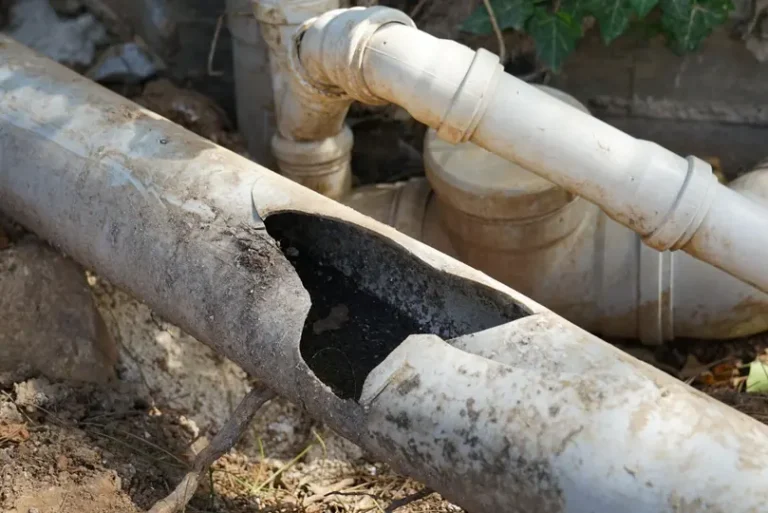
- Over time, they can break or collapse sections of the line
- Older clay or concrete pipes are especially vulnerable
Pipe Aging and Deterioration
Older sewer systems weaken over time, making them more prone to sudden failure.
- Corrosion can thin pipe walls
- Materials may crack or collapse under pressure
- Joint connections may loosen or separate
Severe Blockages
Accumulated debris can lead to complete obstructions.
- Grease, wipes, and debris build up over time
- Foreign objects can get lodged in the line
- Blockages create pressure that can lead to backups
Ground Movement
Environmental changes can shift the soil around sewer lines.
- Heavy rain saturates and loosens soil
- Freezing and thawing cycles cause expansion and contraction
- Construction activity can disturb underground pipes
Improper Installation or Repairs
Past work done incorrectly can lead to future emergencies.
- Poor alignment creates weak points
- Low-quality materials fail sooner
- Inadequate sealing leads to leaks and breaks
In Kirkland and surrounding areas, a combination of older infrastructure and environmental conditions often contributes to these types of failures.

What to Expect During Emergency Sewer Repair
Knowing what happens during the repair process can help reduce stress and uncertainty. Professionals follow a structured approach to diagnose and fix the problem efficiently.
Initial Inspection and Diagnosis
The first step is identifying the exact issue.
- Camera inspections locate blockages or breaks
- Technicians assess pipe condition and layout
- The severity of damage determines the repair method
This step ensures the solution targets the root cause rather than just the symptoms.
Choosing the Right Repair Method
Different situations require different approaches.
- Trenchless methods minimize digging and disruption
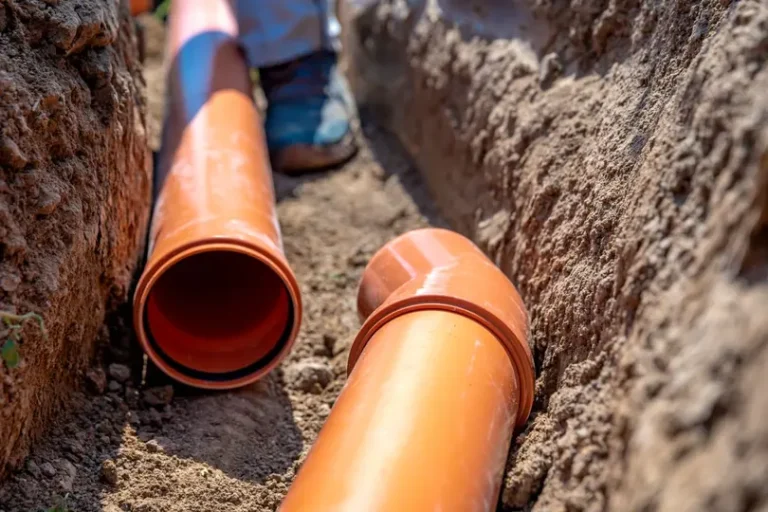
- Traditional excavation may be needed for severe damage
- Spot repairs address localized issues
The chosen method depends on factors like pipe condition, location, and accessibility.
Repair and Restoration
Once the plan is in place, the repair process begins.
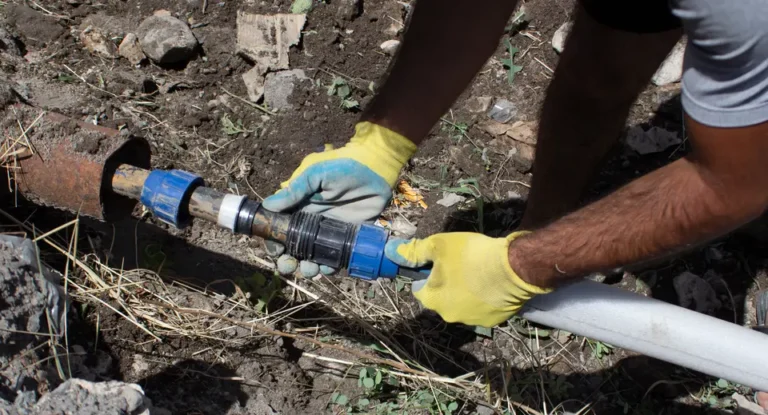
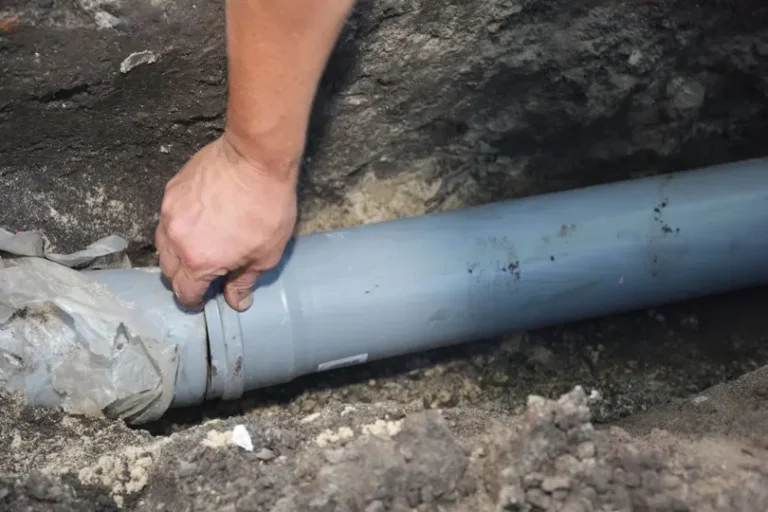
- Damaged sections are repaired or replaced
- Blockages are cleared using specialized equipment
- Systems are tested to ensure proper function
After repairs, the area is restored as much as possible to its original condition.
Final Testing and Prevention Recommendations
Before completing the job, professionals confirm everything is working correctly.
- Water flow is tested throughout the system
- Additional inspections ensure no hidden issues remain
- Recommendations are provided to prevent future problems
Homeowners in Kirkland and surrounding areas often benefit from preventative guidance tailored to local conditions.
Preventing Future Sewer Emergencies
While not all emergencies can be avoided, proactive steps significantly reduce the likelihood of sudden failures. A combination of maintenance, awareness, and smart upgrades can make a major difference.
Routine Maintenance Practices
Regular care helps catch small issues before they become emergencies.
- Schedule periodic inspections
- Clean drains and sewer lines as needed
- Monitor for early warning signs
Consistent maintenance is one of the most effective ways to extend the life of your sewer system.
Smart Usage Habits
What goes down your drains has a direct impact on your sewer system.
- Avoid flushing non-degradable items
- Dispose of grease properly instead of pouring it down the drain
- Use drain screens to catch debris
These simple habits can prevent many common blockages.
Upgrading Older Systems
Modern materials and techniques offer improved durability and performance.
- Replace outdated pipes with more resilient options
- Consider trenchless upgrades for minimal disruption
- Improve overall system efficiency
Upgrades can be especially valuable for older homes in Kirkland and surrounding areas.
Installing Preventative Devices
Technology can add an extra layer of protection.
- Backwater valves help prevent reverse flow
- Monitoring systems detect early signs of trouble
- Sump systems manage excess water effectively
These additions provide peace of mind and added security against unexpected issues.
When Every Second Counts, Be Ready to Act
When a sewer emergency happens, every minute counts. Taking the right steps quickly can protect your home, reduce damage, and speed up recovery. Whether you are dealing with a sudden backup or signs of a deeper issue, having a trusted team ready to respond is essential. If you need fast, reliable assistance, contact us today and let Brewer Sewer help restore your system with confidence.