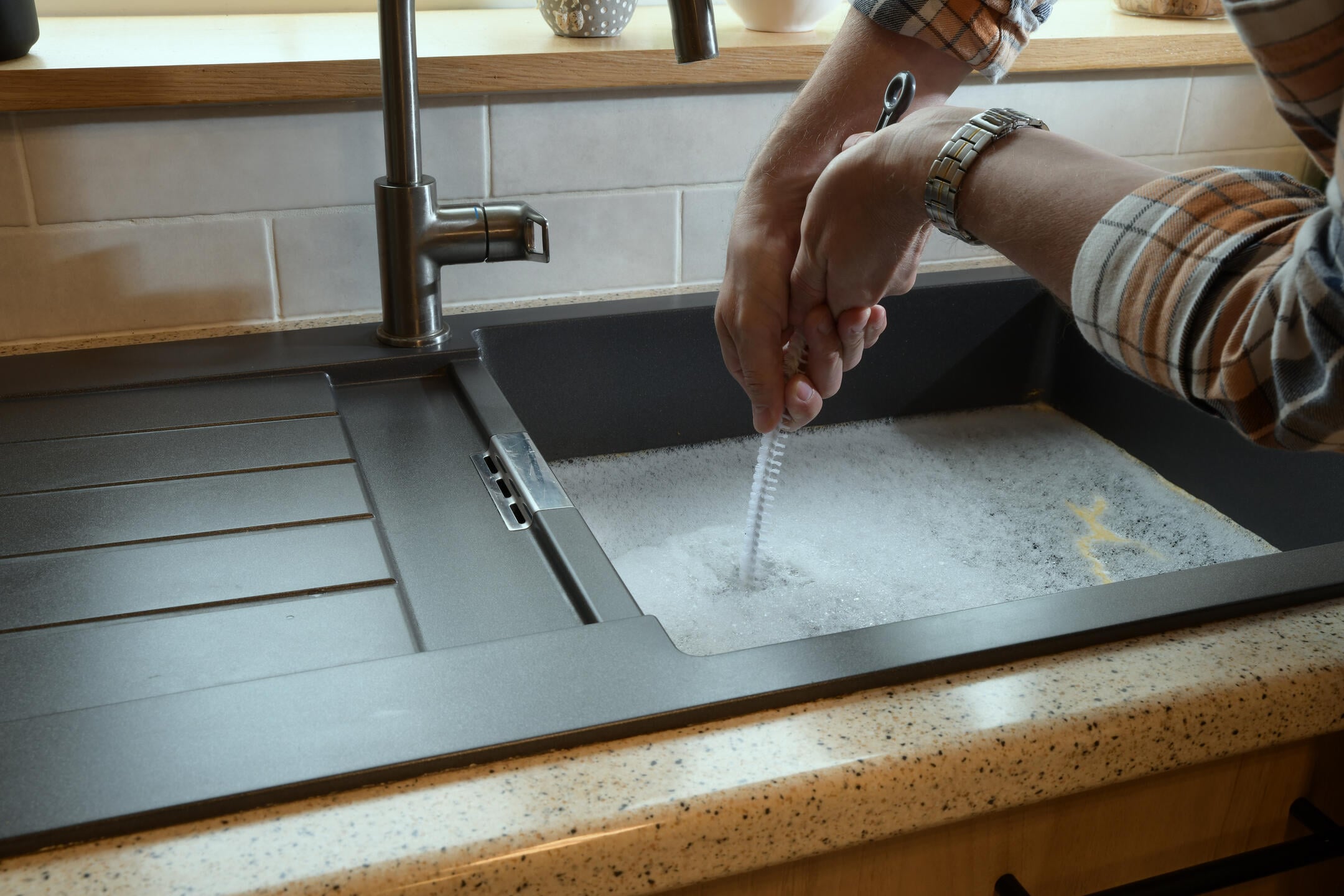
Clogged Drain Deep in Pipe: 8 Causes and How to Clear It
A clogged drain deep in pipe is one of the most frustrating plumbing problems because the usual fixes never seem to reach it. You plunge, pour, and wait, yet the water keeps rising or draining at a crawl. The blockage sits well beyond the trap, sometimes in a branch line under the floor or in the main line itself. Understanding what causes these hidden clogs and how to reach them is the first step toward getting wastewater moving out of your home again without causing new damage.
The short version of this guide:
- Why deep clogs need a different approach than surface clogs
- Eight common causes hiding further down your pipes
- Warning signs that point to a deeper blockage
- Which clearing methods work and when to bring in a pro

Why Deep Clogs Deserve More Than a Quick Fix
Most homeowners can handle a hair clog in the bathroom sink or a slow tub drain. A blockage deep in the plumbing system is different because it affects more of the house, it is harder to reach, and guessing at the cause often makes it worse. Taking it seriously early on protects your home in several ways:
- Preventing sewage backups: A deep clog can force wastewater up through the lowest drains in the house, such as a basement floor drain or a ground-floor shower.
- Protecting your pipes: Repeatedly pouring harsh chemicals into a drain that will not clear can soften PVC pipes and corrode older metal pipes.
- Spotting bigger problems: Repeat clogs in the same drain are often the first clue that roots, sagging pipe, or a crack has developed in the line.
- Keeping costs predictable: Clearing a clog while it is still partial is far simpler than cleaning up water damage after a full backup.
It also helps to know when DIY stops making sense. Liquid drain cleaners can damage pipes and septic systems and frequently fail on stubborn blockages, which is why a drain auger is usually the better next step, and having a pro snake a drain typically runs $145 to $300. For homeowners in Kent and surrounding areas, where many homes have older drain lines and mature trees nearby, knowing these limits early can save both money and frustration.
8 Common Causes of a Clog Deep in the Pipe
Deep clogs rarely form overnight. Most build slowly in places you cannot see, until one more flush finally tips the balance.
1. Grease and Cooking Oil Buildup
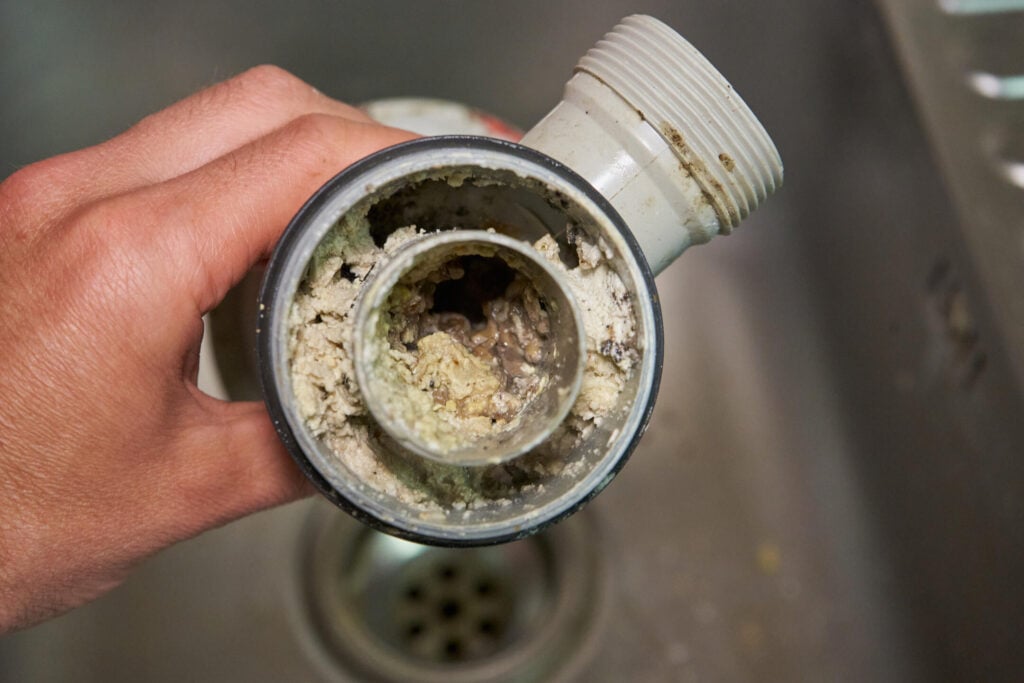
When you pour grease down the kitchen sink, cooking grease flows as liquid but cools and hardens as it travels. Over time it leaves a sticky residue inside the pipe, narrowing it and catching other debris along the way.
- Most common in kitchen drain branch lines
- Gets worse in colder months as pipes cool faster
- Combines with coffee grounds and food particles from the garbage disposal into a dense plug
2. Wipes and Paper Products
So-called flushable wipes, paper towels, and feminine hygiene products do not break down the way toilet paper does. They travel past the toilet trap and snag further down the line, especially at joints or bends.
3. Tree Root Intrusion
Roots are drawn to the moisture and nutrients inside sewer lines. They enter through small cracks or loose joints, then grow into a dense mat that catches everything flowing past.
- Common in clay and older cast iron pipes
- Often returns after a simple snaking
- Usually requires root cutting or high-pressure cleaning
4. Soap Scum and Hair Accumulation
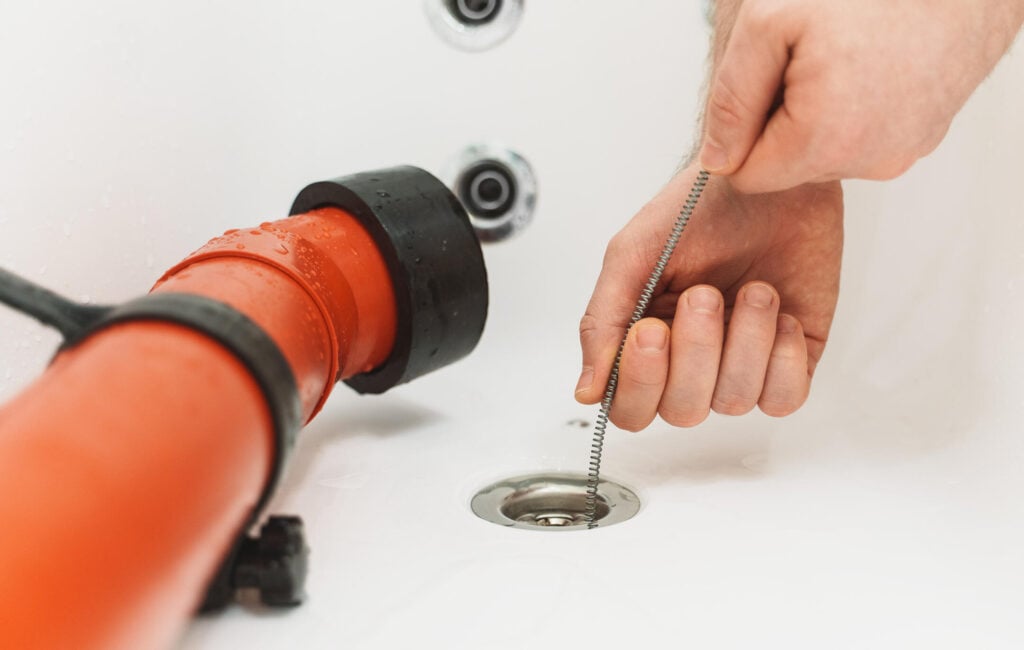
Hair alone often stops near the drain opening, but when it binds with soap residue it can form a sticky rope that slides deeper into the line before lodging. These clogs grow quietly in bathroom drains for months, though drain screens catch most hair before it ever enters the pipe.
5. Mineral Scale
Hard water leaves mineral deposits inside the drain pipe, particularly in older metal lines. The scale roughens the pipe wall and shrinks its diameter, giving other debris a place to grab onto.
6. Sagging or Bellied Pipe
When a section of the line settles and dips, water and waste collect in the low spot instead of flowing through. Solids settle out in the belly and gradually build into a blockage.
- Caused by soil settling or poor original installation
- Leads to repeat clogs in the same location
- Best identified with a camera inspection
7. Cracked or Collapsed Pipe
A broken pipe can allow soil and gravel to enter the line, or a partial collapse can physically block the flow. No amount of cleaning will fully fix this, since the pipe itself is the problem.
8. Foreign Objects
Toys, cotton swabs, dental floss, and small household items occasionally make it past a toilet or drain. Once they lodge in the line, they act like a dam for everything that follows.
Several of these causes often work together, such as grease coating a pipe that already has a belly or roots in it. That is why identifying the true source matters just as much as clearing the blockage itself.
How to Tell a Clog Is Deep in the Line
Before reaching for tools, it helps to figure out where the blockage is likely sitting. The symptoms below usually point to a clog beyond the reach of a plunger or a short hand snake.
- Multiple slow drains: If more than one drain starts to drain slowly at once, such as the sink drain, shower drain, and toilet, the clog is likely in a shared branch or the main drain.
- Gurgling sounds: Bubbling from a drain or toilet when another fixture runs means trapped air is being forced around a blockage further down.
- Water rising in other fixtures: Running the washing machine and seeing water back up into the shower or tub is a classic main line sign.
- Lowest drains backing up first: Basement or ground-floor drains are the first to fill with standing water when the main line is blocked.
- Clogs that keep coming back: A drain that clears briefly and then slows again within days or weeks suggests a deeper, recurring issue.
- Sewer gas odors: A persistent smell from multiple drains can mean waste is sitting in the line instead of draining properly.
If only one fixture has slow draining water, the clog is probably closer to the surface and may respond to basic DIY tools. When two or more of these signs appear together, homeowners in Kent and surrounding areas are usually dealing with a blockage that needs more than a quick DIY attempt.
Clearing Methods Compared: DIY vs. Professional
Not every method can reach a clog several feet down the line. Matching the tool to the depth and cause keeps you from wasting time or damaging your plumbing.
| Method | How Far It Reaches | Best For | Limitations |
| Plunger | Trap and first few inches | Shallow clogs near the drain | Rarely affects deep blockages |
| Hand-crank drain snake | Several feet into branch lines | Hair, soap, and light debris in branch lines | May punch a hole without clearing the full clog |
| Hot water and enzyme cleaners | Varies | Light grease and organic material | Too slow for tough clogs, and boiling water can soften PVC |
| Motorized drain machine | Deep into the main sewer line | Stubborn clogs and roots in the main line | Requires training to use safely |
| Hydro jetting | Full length of the line | Grease, scale, and root mats | Needs a sound pipe and professional equipment |
| Camera inspection | Full length of the line | Finding the cause and location | Diagnoses rather than clears |
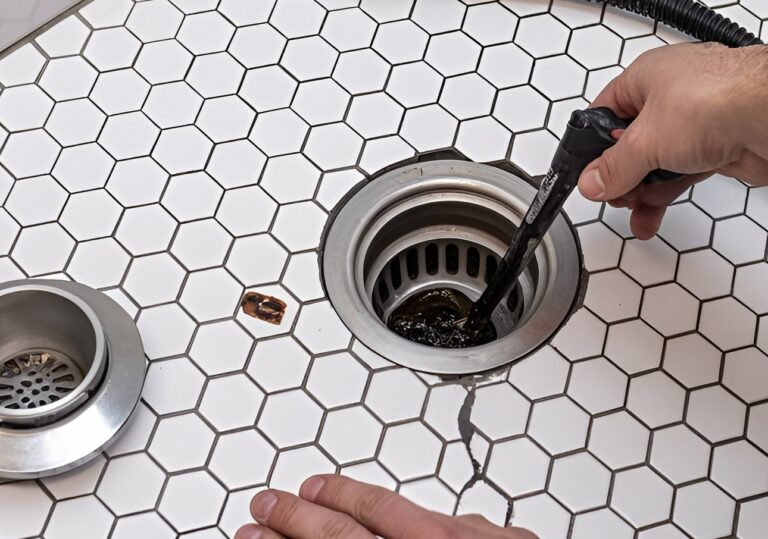
A sensible approach starts with the least aggressive option and escalates only when needed. Try a plunger first, and on a double sink, plug the second drain with a wet cloth to get a tight seal. Next, remove the p trap with a bucket underneath and run a hand snake from there, and if the above methods fail, stop and call a professional. Pushing harder with the wrong tool can compact the blockage, scratch older pipes, or leave a cable stuck in the line.
Professional clearing by a licensed plumber makes the biggest difference when the cause is roots, grease, or a damaged section of pipe. A camera inspection afterward confirms the line is clear and reveals whether a repair or routine maintenance plan is needed to keep the clog from coming back.
Frequently Asked Questions About Clearing a Clog Deep in the Pipe
Deep clogs raise plenty of questions when the usual tricks fail. Here are answers to the most common ones.
Can baking soda and vinegar clear a deep clog?
Usually not. The fizzing reaction is mild and works mostly near the top of the drain, so it rarely reaches or breaks up a blockage several feet down the line.
Are chemical drain cleaners safe to use on deep clogs?
They are best avoided. Harsh chemicals can sit on top of a blockage without clearing it, damage pipes over time, and create a safety hazard for anyone who later works on the drain.
How do I know if the clog is in the main sewer line?
The biggest clue is that several fixtures are affected at once. Water backing up into a tub or floor drain when you flush a toilet or run the washer is a strong sign of a main line blockage.
Why does my drain keep clogging after I snake it?
A snake often punches a small hole through a clog rather than removing it entirely. If the drain clogs again soon, roots, grease buildup, or a sagging pipe may be the underlying cause.
Is hydro jetting safe for older pipes?
It is safe for most pipes in reasonable condition. A camera inspection beforehand confirms the line can handle the pressure, especially in older clay or cast iron systems.
If your situation does not match any of these answers, a visit from a professional plumber is the fastest way to find out what is really going on. Knowing the exact cause helps you avoid repeat clogs and unnecessary repairs.
Get Deep Clogs Cleared the Right Way
A clog buried deep in your plumbing will not go away on its own, and the longer it sits, the greater the risk of a plumbing emergency or hidden pipe damage. The right tools, a clear diagnosis, and regular maintenance make all the difference. Brewer Sewer helps homeowners throughout Kent and surrounding areas track down stubborn blockages, clear them thoroughly, and keep drains flowing freely.
If your drains keep slowing down or backing up no matter what you try, contact us today to schedule service and get to the root of the problem.