

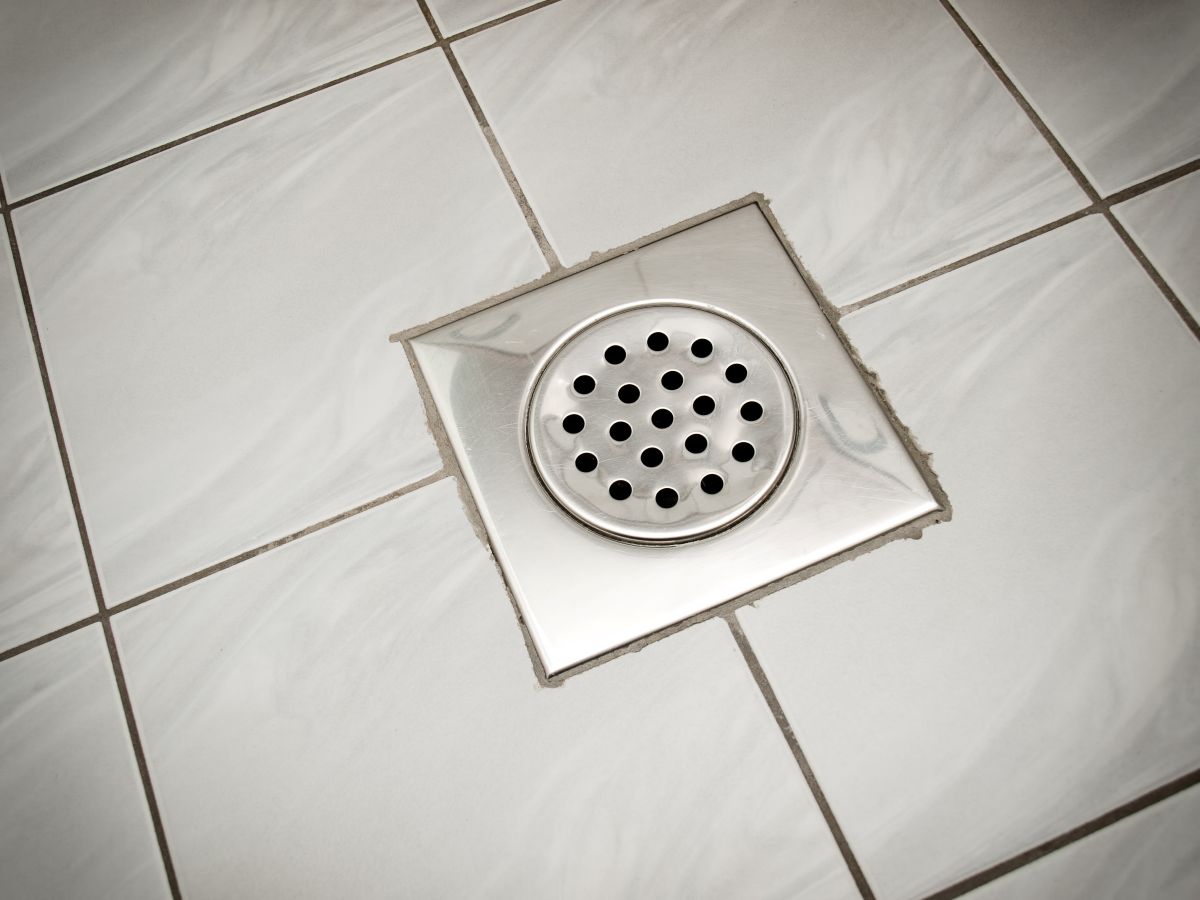
6 Reasons Your Floor Drain Cleaning Can’t Wait Any Longer
Basement and garage floor drains rarely get a second thought until a clogged drain or slow drain pipe stops working the way it should, which is exactly why staying on top of floor drain cleaning matters more than most homeowners realize. In West Seattle and surrounding areas, older homes with basement laundry rooms and utility spaces often rely on these drains more than owners expect. Taking a closer look at how these overlooked drains actually get cleared helps homeowners understand why putting off maintenance can lead to bigger problems than a slow trickle of water.
Here is what this post will walk you through:
- Why floor drain cleaning deserves more attention than it usually gets
- Six specific reasons a neglected floor drain becomes a real problem
- How to spot early warning signs before they escalate
- A simple way to compare DIY upkeep against professional cleaning

Why Floor Drain Maintenance Deserves Your Attention
A floor drain looks simple, but it plays a real role in protecting a home from water damage, odors, and sewer gas. Ignoring it does not just risk a bad smell, it risks the very system designed to keep problems out of living spaces.
- Odor Prevention: A properly maintained drain keeps its water seal intact, which blocks sewer gas from entering the home.
- Flood Protection: A clear floor drain gives water somewhere to go during a leak, overflow, or heavy storm.
- Lower Repair Costs: Catching a partial blockage early is far cheaper than dealing with a full backup later.
- Healthier Indoor Air: Preventing standing water and buildup reduces the conditions that allow mold and bacteria to grow.
According to a general overview of how basement floor drains function, the drain relies on a trap that holds a small amount of water to seal out sewer gas, and that seal can fail simply from being unused for too long. That single detail explains why even a drain that never seems to get dirty still needs regular attention.
6 Reasons Your Floor Drain Cleaning Can’t Wait Any Longer
Floor drains tend to be out of sight and out of mind until something goes wrong, but by then a simple maintenance task has often turned into a bigger repair. The following reasons explain why homeowners in West Seattle and surrounding areas should not put off this basic upkeep.
1. A Dry Trap Lets Sewer Gas Into Your Home
Every floor drain relies on a P-trap that holds standing water as a barrier against sewer gas. When a drain goes unused for weeks, that water evaporates and leaves a direct path for odors to enter the basement.
- Rarely used drains dry out faster than those near laundry areas
- A sulfur or rotten egg smell is a common sign of a dry trap
- Refilling the trap with water is a temporary fix, not a full solution
2. Slow Drainage Signals a Growing Blockage
A floor drain that takes longer than usual to clear standing water is rarely a coincidence. Slow drainage typically means debris, hair, or sediment has already started narrowing the pipe.
- Often noticed first after doing laundry or during heavy rain
- Left alone, a partial blockage tends to become a full one
- Early cleaning restores flow before the drain stops working entirely
3. Standing Water Invites Mold and Bacteria
Water that lingers around a floor drain instead of draining properly creates the exact conditions mold and bacteria need to grow. This is especially true in basements and utility rooms with limited airflow.
- Musty odors often develop before visible mold appears
- Mold near a floor drain can spread to nearby walls or flooring
- Regular cleaning removes the organic material mold feeds on
4. A Blocked Drain Raises Flooding Risk
Floor drains exist specifically to handle water from leaks, overflows, and storms, which means a blocked one removes an important safety net. During a heavy rain event, a clogged floor drain can turn a minor water intrusion into real property damage.
- Especially important in homes with sump pumps or below-grade rooms
- A blocked drain during a storm can overwhelm a basement quickly
- Seasonal cleaning before heavy rain months reduces this risk
5. Debris Buildup Narrows the Pipe Gradually
Lint, hair, soap residue, and dirt accumulate slowly inside floor drain lines, often without any obvious symptoms at first. Over months or years, this buildup narrows the pipe, and in drains connected to an outdoor line, tree roots can compound the problem by working through cracks and joints.
- Laundry room floor drains accumulate lint especially quickly
- Foreign objects like small toys can also work their way into the drain and block it
- Periodic cleaning prevents debris from compacting into a solid clog
6. Ignoring Small Clogs Leads to Costlier Repairs
A minor clog that could be cleared with routine cleaning often turns into a bigger job once it is ignored long enough. What starts as slow drainage can eventually require professional equipment to resolve.
- Small clogs are typically quicker and cheaper to clear
- Neglected clogs can extend further into the connected sewer line
- Regular maintenance costs far less than emergency drain service
Homeowners who notice more than one of these warning signs at the same time should treat it as a signal to schedule cleaning soon rather than waiting for a full backup to force the issue.

Signs Your Floor Drain Needs Attention Now
Some warning signs are easy to dismiss as minor annoyances, but recognizing them early can prevent a much larger repair. Paying attention to these details helps homeowners act before a small issue becomes an expensive one.
- Persistent Odors: A recurring sewer smell near the drain usually points to a dry trap or trapped debris.
- Gurgling Sounds: Unusual noises when other fixtures drain can indicate a blockage affecting airflow in the line.
- Visible Debris Around the Grate: Buildup on the surface often means more has accumulated below it.
- Water Backing Up Instead of Draining: This is one of the clearest signs that a cleaning is overdue.
Homeowners in West Seattle and surrounding areas with older homes should pay especially close attention to these signs, since aging pipe materials tend to accumulate buildup more quickly than modern PVC.
DIY Upkeep Versus Professional Floor Drain Cleaning
Not every floor drain issue requires a professional, but knowing where the line falls can save time and prevent unnecessary damage. The comparison below breaks down what each approach realistically covers.
Basic DIY Cleaning Steps
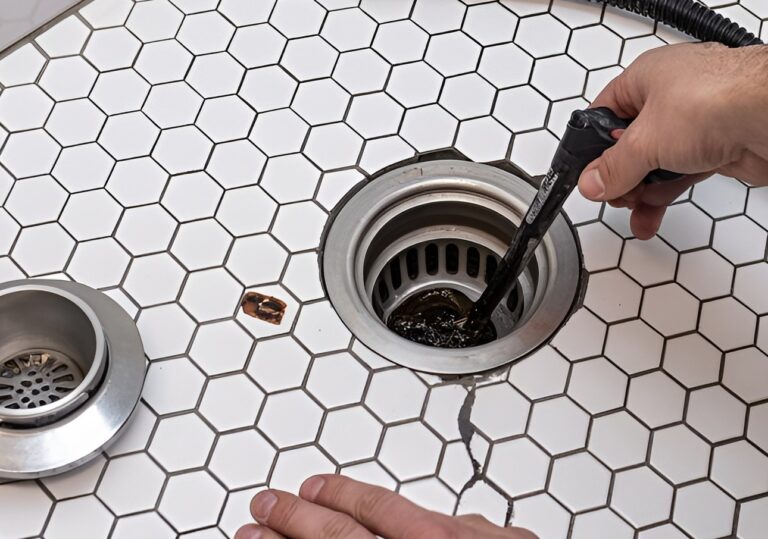
A simple floor drain cleaning typically begins by removing the drain cover and manually clearing any visible debris from the opening. From there, most homeowners follow a similar routine.
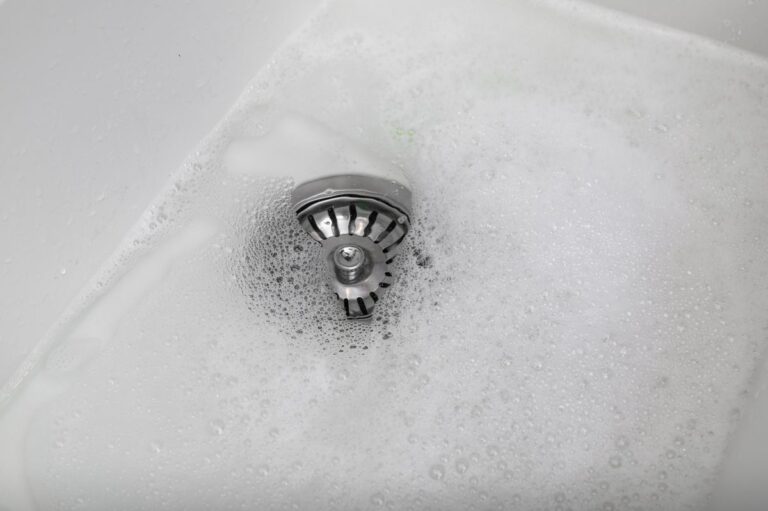
- Scrub the pipe walls with a stiff brush and a bucket of soapy water
- Pour boiling hot water down the drain to dissolve grease and soap residue
- Mix half a cup of baking soda with one cup of vinegar, let it sit, then flush with hot water
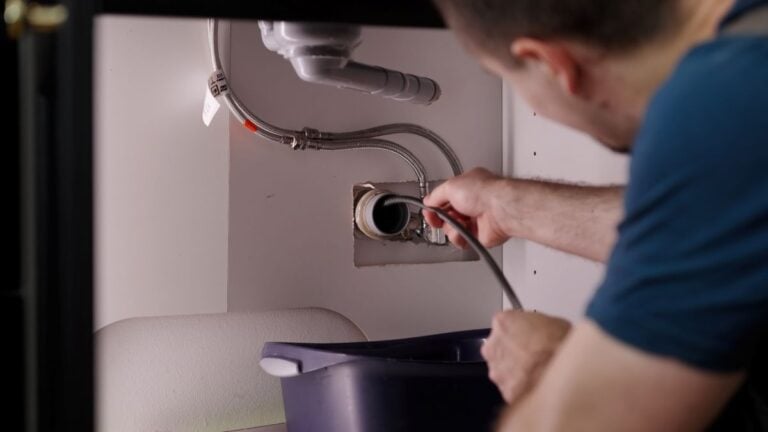
- Try a plunger for minor clogs, or a drain snake or auger for anything deeper
- Wear rubber gloves and eye protection, and avoid pouring grease down the drain going forward
Once these basic steps have run their course, comparing DIY options against a professional visit can help homeowners decide which approach fits a specific drain.
| Task | DIY Upkeep | Professional Cleaning |
| Refilling a dry trap | Simple and effective | Not necessary |
| Clearing light debris | Often manageable | Available if preferred |
| Removing compacted buildup | Limited effectiveness | More thorough results |
| Diagnosing recurring backups | Not possible without equipment | Includes CCTV camera inspection |
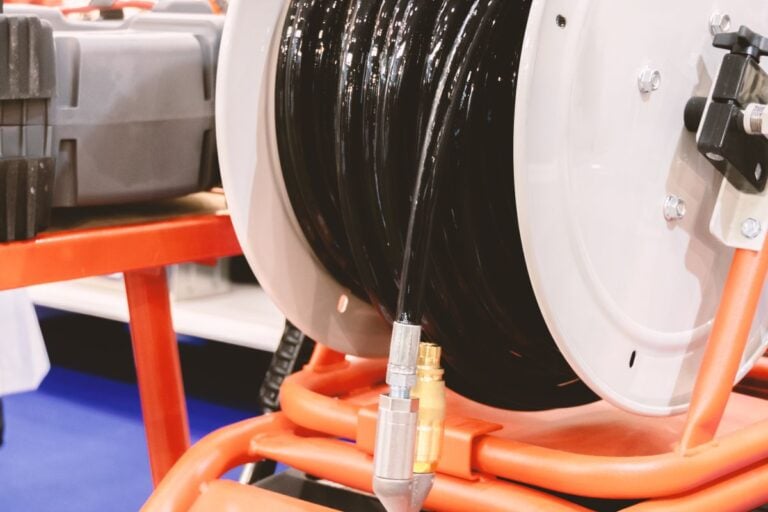
Homeowners can usually handle basic upkeep like refilling a trap or lightly rinsing a drain, but recurring clogs or persistent odors are a strong sign that professional equipment, such as an electric snake or hydro jetting for stubborn tree roots, is worth scheduling.
Frequently Asked Questions About Floor Drain Cleaning
Homeowners dealing with a slow or smelly floor drain tend to have similar questions before deciding what to do next. The answers below cover what comes up most often.
How often should a floor drain be cleaned?
Most floor drains benefit from cleaning once or twice a year, though drains in laundry rooms or high-use areas may need more frequent attention.
Why does my floor drain smell even though it looks clean?
A visible clean surface does not guarantee the trap underneath still holds water. Refilling the trap with a gallon of water often resolves this quickly.
Can I use chemical drain cleaners on a floor drain?
Harsh chemical cleaners can damage certain pipe materials over time, so a mild cleaning solution or professional hydro jetting is generally a safer long-term choice.
What causes a floor drain to back up?
Backups usually stem from a blockage further down the line, whether from debris, buildup, or in some cases a larger issue in the connected sewer line.
How can I prevent future clogs in my floor drain?
Using a hair and debris catcher over the opening keeps food particles and lint from entering the pipe. Monthly hot water flushes also help keep the trap full and prevent bad smells year round.
When should I call a professional instead of cleaning it myself?
If a drain continues to smell, drain slowly, or back up after basic cleaning attempts, it is time for a professional inspection to identify the underlying cause.
These questions cover the basics, but a drain with a long history of neglect may need more than a simple refresh. A professional evaluation can confirm exactly what a specific floor drain needs going forward.

Keep Your Floor Drains Clear Before Problems Start
A floor drain is easy to forget until it causes a problem, but regular cleaning is one of the simplest ways to prevent odors, flooding, and costly repairs down the line. Brewer Sewer has helped homeowners throughout West Seattle and surrounding areas keep their floor drains and connected sewer lines clear and functioning the way they should.
If your floor drain has started smelling, draining slowly, or backing up, contact us today to schedule a cleaning and get ahead of a problem before it becomes a bigger one.