

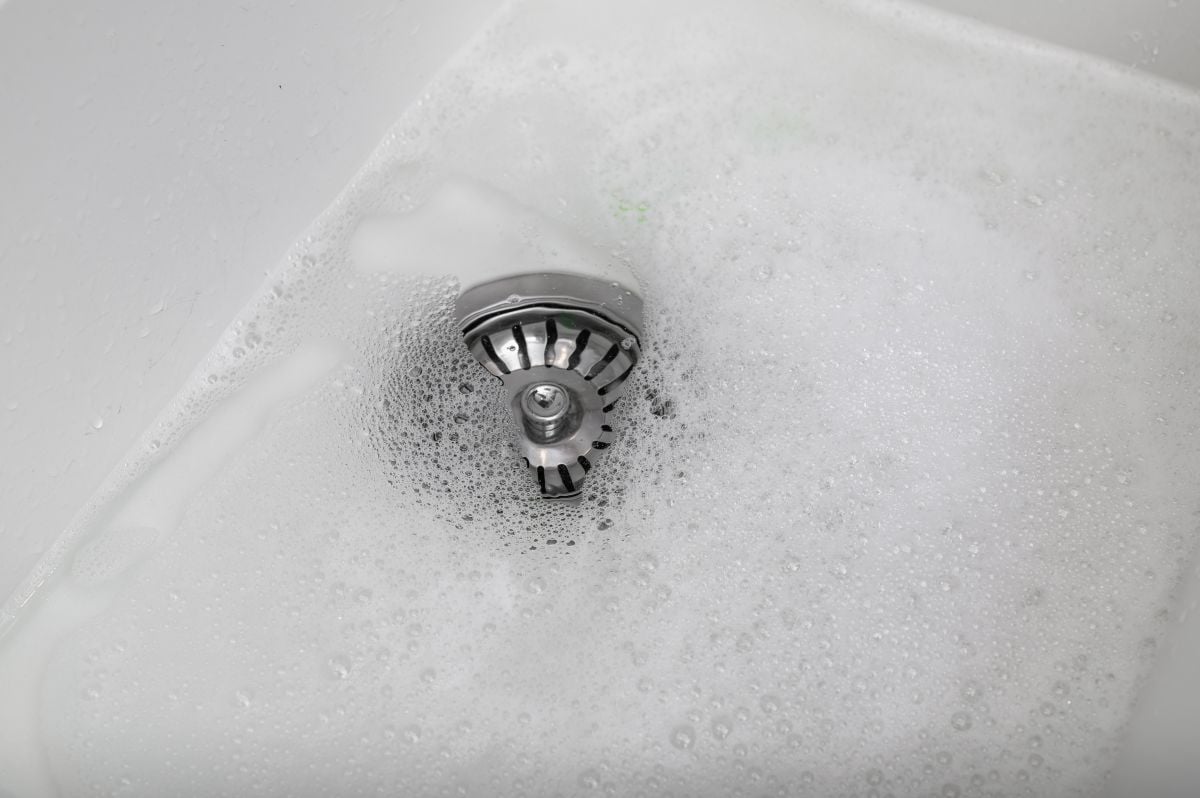
Kitchen Sink Backing Up: 6 Causes & How to Fix It Fast
A slow or standing drain is one of the most common plumbing complaints homeowners deal with, and it rarely fixes itself. A kitchen sink backing up is more than an inconvenience. It can signal a problem that extends well beyond the cabinet under your sink. Catching it early and understanding what is behind it can save you from a much larger repair. If the issue keeps returning despite your best efforts, getting a professional look through a thorough drain line inspection and cleaning can pinpoint exactly what is going on.
What you’ll learn:
- The six most common causes of a kitchen sink backing up
- How to tell whether the problem is isolated or connected to a larger sewer issue
- Practical fixes you can try yourself before calling a professional
- Warning signs that indicate a more serious underlying problem
- How to prevent future backups through simple maintenance habits

Why a Backed-Up Kitchen Sink Deserves Immediate Attention
It is easy to put off dealing with a slow kitchen drain, especially when it still drains eventually. But the longer a backup is ignored, the more opportunity there is for the underlying cause to worsen. What starts as a partial clog can develop into a complete blockage, and a blockage in the wrong section of your plumbing can affect more than just your kitchen.
Here is why addressing this problem promptly matters for every homeowner:
- Water damage risk is real: Standing water near drain connections, under the sink, or along shared wall cavities can lead to mold growth and structural damage that is far more expensive to remediate than a simple drain cleaning.
- Sanitary concerns compound fast: A backed-up kitchen sink creates conditions for bacterial growth. Food particles sitting in stagnant water are a health concern that goes beyond the inconvenience of a slow drain.
- Connected fixtures can be affected: Kitchen drains often share a line with other fixtures. A clog that starts at the sink can back up into a dishwasher, spread to a nearby bathroom, or signal a blockage in the main sewer line.
- Small problems become expensive ones: A grease clog addressed early costs a fraction of what it costs once it has hardened deep in the line or caused damage to the pipe itself. Acting at the first sign of a slow drain consistently avoids the most costly repair scenarios.
The bottom line is that a kitchen sink backup is your plumbing system’s way of communicating that something needs attention. Ignoring the signal rarely makes things simpler.
6 Causes of a Kitchen Sink Backing Up
Not every kitchen sink backup has the same cause, and identifying the right one determines whether a simple fix will work or whether professional help is needed. These are the six most common reasons a kitchen sink stops draining properly.
1. Grease and Fat Buildup
Grease is the most frequent culprit behind kitchen drain problems. When cooking oil, bacon fat, or butter is washed down the drain, it travels in liquid form but cools and solidifies as it moves through the pipe. Over time, layer after layer of grease accumulates on the interior walls of the drain line, narrowing the passage until water can no longer move through effectively.
- Grease buildup is gradual and often goes unnoticed until drainage becomes severely restricted
- Dish soap does not break down grease effectively enough to prevent accumulation inside pipes
- Hot water alone does not flush grease out of the system. It just moves the problem further down the line
2. Food Particle Accumulation
Even with a garbage disposal, small food particles make their way into the drain and settle in the pipe over time. Coffee grounds, rice, pasta, and fibrous vegetables are particularly problematic because they compact easily and do not break down in water. In homes with older or slower-draining pipes, food waste accumulates faster than the water flow can carry it away.
- Garbage disposals reduce particle size but do not eliminate the risk of accumulation
- Coffee grounds are one of the most common contributors to kitchen drain clogs
- Running cold water while using the disposal helps move particles further into the line
3. Soap Scum and Detergent Residue
Dish soap and detergent leave behind a residue that adheres to the interior of drain pipes over time. Combined with minerals in hard water, this residue forms a sticky film that catches passing food particles and grease, accelerating the buildup process. Homeowners in Shoreline and surrounding areas with hard water tend to see this type of clog develop more quickly than those in areas with softer water.
- Soap scum narrows the drain opening gradually, making slow drainage seem like a minor issue until it suddenly is not
- Detergent residue is especially common in homes where the kitchen sink is used to hand-wash dishes frequently
- Periodic flushing with hot water and baking soda can slow down residue buildup between cleanings

4. P-Trap Blockage
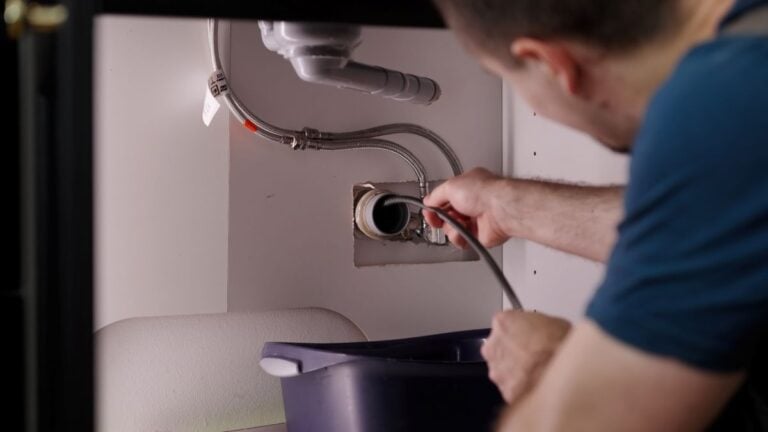
The P-trap is the curved pipe section directly beneath the sink that holds a small amount of water to prevent sewer gases from entering the home. Because of its shape, it is also a natural collection point for food debris, grease, and small objects that slip into the drain. A partially or fully blocked P-trap is one of the most straightforward causes of a backed-up kitchen sink and is often something homeowners can address themselves.
- A gurgling sound after the water drains is a common indicator of a P-trap issue
- Small objects like bottle caps or utensils occasionally fall into the drain and lodge in the P-trap
- Cleaning the P-trap involves placing a bucket beneath it, unscrewing the slip joints, and clearing the obstruction
5. Venting Problems
Every drain in your home needs a vent pipe to allow air into the system and maintain proper pressure. When a vent pipe becomes clogged with leaves, debris, or even a bird’s nest, the drain loses the air pressure it needs to flow correctly. The result is a sink that drains slowly, gurgles unexpectedly, or backs up even when the drain line itself is clear.
- A gurgling sound from the drain is one of the most consistent signs of a venting issue
- Vent blockages are most common after heavy storms or in homes with trees growing close to the roofline
- Resolving a vent blockage typically requires a professional to safely access and clear the roof vent
6. Main Sewer Line Blockage
When multiple drains in the home are slow or backing up simultaneously, the cause is rarely isolated to the kitchen. A blockage or restriction in the main sewer line affects every fixture connected to it, and the kitchen sink may be the first to show signs simply because of how frequently it is used. Root intrusion, pipe collapse, and years of accumulated debris are common causes of main line blockages that require professional diagnosis and repair.
- Multiple slow or backed-up drains throughout the home point strongly to a main sewer line issue
- Running the dishwasher or washing machine may cause the kitchen sink to back up if the main line is restricted
- A camera inspection is the most reliable way to confirm a main line problem and identify its cause
If the problem involves the main sewer line, no amount of household drain cleaner or plunging will resolve it. That is when a professional assessment becomes not just helpful but necessary.
What You Can Try Before Calling a Professional
For clogs that are limited to the kitchen drain itself, there are a few approaches worth trying before picking up the phone. These work best when the backup is recent and the underlying cause is relatively minor, such as a grease buildup close to the drain opening or a blocked P-trap.
- Boiling or very hot water: Pouring a steady stream of hot water down the drain can soften and partially dislodge grease near the opening. It is most effective as a preventive measure but can help with minor buildup.
- Baking soda and vinegar: Pouring half a cup of baking soda followed by half a cup of white vinegar creates a fizzing reaction that can help break up soft clogs and rinse away residue. Follow with hot water after 15 minutes.
- A plunger: A cup plunger can generate enough suction to dislodge a blockage in the P-trap or upper drain section. Seal the second basin if you have a double sink before plunging to avoid losing pressure.
- Cleaning the P-trap: If the above methods do not work, physically removing and cleaning the P-trap is often the most effective DIY option. Place a bucket beneath the curved pipe, unscrew the slip joints by hand or with pliers, remove the debris, and reinstall.
- What to avoid: Chemical drain cleaners are worth avoiding in most situations. They can corrode older pipes, damage rubber gaskets, and rarely address the full extent of the clog. If one application does not clear the drain, a second round compounds the risk without improving the outcome.
If these approaches do not produce results or if the sink backs up again within a few days, the clog is likely deeper in the line or has a structural cause that requires professional tools to resolve.

When a Backed-Up Sink Is Telling You Something Bigger
Most kitchen sink backups are isolated nuisances, but certain signs suggest the problem is part of a larger plumbing issue that deserves closer attention. Knowing the difference helps homeowners in Shoreline and surrounding areas decide when to try a DIY fix and when to bring in a professional.
Signs the Problem Is Localized
A clog that is limited to the kitchen is usually straightforward to identify. The sink is the only fixture backing up, the problem developed gradually over time, and other drains in the home are functioning normally. Gurgling sounds may be present, but they are specific to the kitchen area rather than echoing through multiple fixtures.
Signs the Problem Is Systemic
When the kitchen sink backup is part of something larger, the symptoms tend to spread. Water backing up into the dishwasher when the sink drains, gurgling sounds from floor drains or bathroom fixtures, or sewage odors from multiple locations in the home all suggest the main sewer line is involved. In Shoreline and surrounding areas where older cast iron or clay sewer lines are still common, root intrusion and pipe deterioration are frequent contributors to this kind of widespread slowdown.
A systemic problem cannot be resolved with a plunger or drain cleaner. It requires camera inspection to confirm the cause and professional repair to correct it at the source.
Protect Your Kitchen Drain Before the Next Backup
A backed-up kitchen sink is frustrating, but it is also preventable in most cases. The habits and maintenance routines that protect your drain are simple, and the cost of prevention is a fraction of what a full drain cleaning or line repair runs after a serious blockage. Brewer Sewer helps homeowners across Shoreline and surrounding areas deal with kitchen drain problems of every severity, from simple grease clogs to main line issues that require professional-grade solutions. If your sink is draining slowly, backing up repeatedly, or showing any of the warning signs discussed above, contact us today and get the problem resolved before it turns into something bigger.