

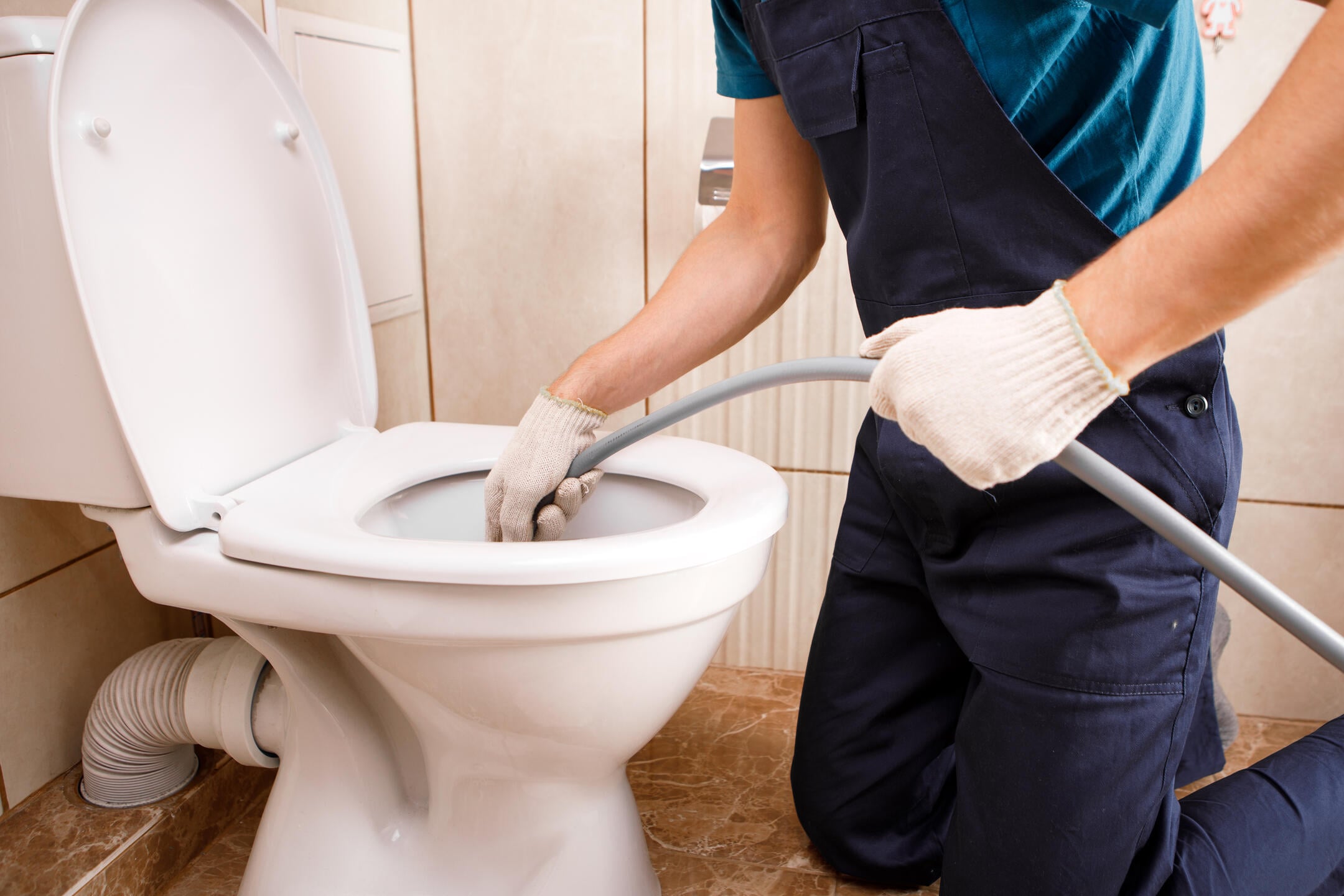
Is Hydro Jetting Safe for Old Pipes? 5 Things to Know First
If your home has decades-old plumbing and stubborn clogs keep coming back, you may be wondering is hydro jetting safe for old pipes or whether all that pressure could do more harm than good. The honest answer is that it depends on the pipe, not the age of the house. Many older lines handle it well, while others need a gentler approach or a repair first. Knowing what to check before blasting years of buildup out of your lines helps you protect your plumbing and avoid an expensive surprise.
Inside this guide:
- Why older pipes need a careful look before jetting
- Five factors that decide whether it is safe
- Red flags that point to fragile pipes
- Gentler alternatives when jetting is not the right fit

Why the Safety Question Matters for Older Homes
Hydro jetting is one of the most effective ways to clean a sewer line, scouring grease, scale, and roots from the pipe walls with highly pressurized water. That same power is exactly why homeowners with aging plumbing should understand the risks before scheduling a cleaning. Getting the answer right protects you in several ways:
- Avoiding pipe damage: High pressure aimed at a cracked or thinning pipe can turn a small weakness into a leak, a break, or a partial collapse.
- Choosing the right fix: Some old lines need a repair or a gentler cleaning method, and knowing that upfront saves you from paying for a service that cannot help.
- Getting a longer-lasting result: When an older pipe is sound enough to jet, a thorough cleaning removes buildup that snaking leaves behind, so clogs return far less often.
- Protecting your budget: A quick evaluation costs very little compared with emergency repairs after a pipe fails under pressure.
Professional jetting machines are extremely powerful, but technicians adjust the pressure to suit the system, and very old or weakened pipes sometimes cannot tolerate it at all. For homeowners in West Seattle and surrounding areas, where plenty of older houses still have clay or cast iron sewer lines, that evaluation step is especially important.
5 Things to Know Before Hydro Jetting Old Pipes
Whether hydro jetting is safe for your plumbing comes down to a handful of specific factors. Understanding each one helps you have a more informed conversation with your technician and make a confident decision.
1. Pipe Material Changes the Equation
Not all older pipes respond to pressure the same way. The material your sewer line is made from has a big influence on how much force it can safely handle.
- Cast iron: Often holds up well when the walls are still thick, but heavy corrosion and scale can leave thin spots.
- Clay: Strong along its length but vulnerable at joints, where roots commonly enter and gaps form.
- Orangeburg: A fiber-based pipe found in some mid-century homes that is generally too fragile for high-pressure cleaning.
- Older PVC or ABS: Usually tolerates jetting well unless it has sagged, cracked, or separated.
2. Condition Matters More Than Age
A 70-year-old cast iron line in good shape may be a better candidate than a 30-year-old pipe with a crack. Age is a clue, but the actual condition of the pipe walls and joints is what determines safety.
This is why a camera inspection should always come first. The footage shows cracks, offsets, corrosion, bellies, and root intrusion so the technician can judge whether the line can take the pressure.
3. Pressure and Nozzles Can Be Adjusted
Hydro jetting is not one fixed setting. Experienced technicians choose the pressure level and nozzle type based on the pipe material, diameter, and the kind of buildup inside.
- Lower pressure settings are used for older or more delicate lines
- Specialized nozzles direct water to clean walls or cut through roots
- The process can be stopped and reassessed if the line shows signs of stress
4. Existing Damage Can Get Worse
If a pipe already has significant cracks, missing sections, or severe root intrusion, jetting can widen those openings or wash away the soil supporting the pipe. In these cases, the line often needs a repair or lining before any aggressive cleaning makes sense.
A technician who spots this kind of damage on camera will usually recommend addressing it first. That sequence prevents a cleaning visit from turning into an emergency excavation.
5. The Operator Makes the Difference
Hydro jetting equipment is not a DIY tool, and much of its safety depends on the person using it. Proper training covers reading inspection footage, selecting the right pressure, and recognizing when to stop.
Rental machines and inexperienced operators are where most horror stories begin. A trained professional treats every old pipe as a unique case rather than applying the same approach to every job.
Taken together, these factors explain why there is no one-size-fits-all answer for older plumbing. A careful evaluation turns an uncertain decision into a clear recommendation.
Warning Signs Your Pipes May Be Too Fragile
Certain symptoms suggest your sewer line may not be strong enough for high-pressure cleaning. Spotting them early gives you and your technician a head start on choosing the safest approach.
- Frequent clogs in the same spot: Recurring blockages at one location often point to a belly, an offset joint, or a crack catching debris.
- Soggy patches or sinkholes in the yard: Wet ground or depressions above the sewer line can mean the pipe is leaking or partially collapsed.
- Rust-colored debris or pipe fragments: Flakes of metal or bits of clay coming up during cleaning are a sign the pipe walls are breaking down.
- Persistent sewer odors outdoors: A smell near the foundation or in the yard often means a crack is allowing gas to escape.
- Known Orangeburg or very old pipe: If records or a previous inspection identified fragile pipe material, jetting should be approached with extra caution.
- Previous root problems: Heavy root intrusion often leaves joints and walls weakened even after the roots are removed.
None of these signs automatically rules out hydro jetting, but each one is a reason to inspect before cleaning. Homeowners in West Seattle and surrounding areas who notice two or more of them should ask for a camera inspection before scheduling any high-pressure work.
Gentler Options When Hydro Jetting Is Not the Right Fit
When an older pipe cannot safely handle full-pressure jetting, there are still effective ways to restore flow. The best choice depends on whether the line needs cleaning, repair, or both.
| Option | How It Works | Best For | Considerations |
| Low-pressure jetting | Uses reduced pressure and gentler nozzles | Sound but aging pipes with moderate buildup | May need more passes to fully clean |
| Mechanical snaking | A rotating cable breaks up and pulls out clogs | Fragile lines and isolated blockages | Clears a path but leaves some buildup on walls |
| Descaling | Specialized cutting heads remove scale from cast iron | Heavily corroded cast iron | Best paired with an inspection afterward |
| Pipe lining | A new pipe is formed inside the old one | Cracked lines that still hold their shape | Requires the pipe to be cleaned first |
| Pipe replacement | The old line is removed or burst and replaced | Collapsed or severely deteriorated pipes | Higher upfront cost but a long-term solution |
In many cases, the solution is a combination of methods. A technician might snake a fragile line to restore flow, inspect it with a camera, and then recommend lining or a spot repair before future cleanings.
The goal is always to match the method to the pipe rather than forcing the pipe to fit the method. That approach keeps older plumbing working longer and prevents unnecessary damage.
Frequently Asked Questions About Hydro Jetting Old Pipes
Homeowners with older plumbing tend to have similar concerns about high-pressure cleaning. Here are straightforward answers to some of the most common questions.
Can hydro jetting damage old pipes?
Yes, it can if the pipe is already cracked, corroded, or made from a fragile material. When the line is inspected first and the pressure is set correctly, the risk drops significantly.
Is hydro jetting safe for cast iron pipes?
Cast iron in reasonable condition usually handles hydro jetting well. Heavily corroded or thin-walled sections may need lower pressure, descaling, or repair instead.
Do I really need a camera inspection first?
For older pipes, yes. The inspection reveals whether the line is strong enough for jetting and shows exactly where any problems are located.
How often should old pipes be hydro jetted?
There is no single schedule for every home. Lines with recurring grease or root problems may benefit from periodic cleaning, while pipes in good condition may need it only occasionally.
What happens if my pipes are too fragile?
Your technician will recommend a gentler cleaning method, a targeted repair, or lining or replacement, depending on the condition of the line.
If your question is not covered here, a professional evaluation is the best way to get an answer specific to your home. Every older plumbing system is a little different, and the right recommendation depends on what the camera shows.
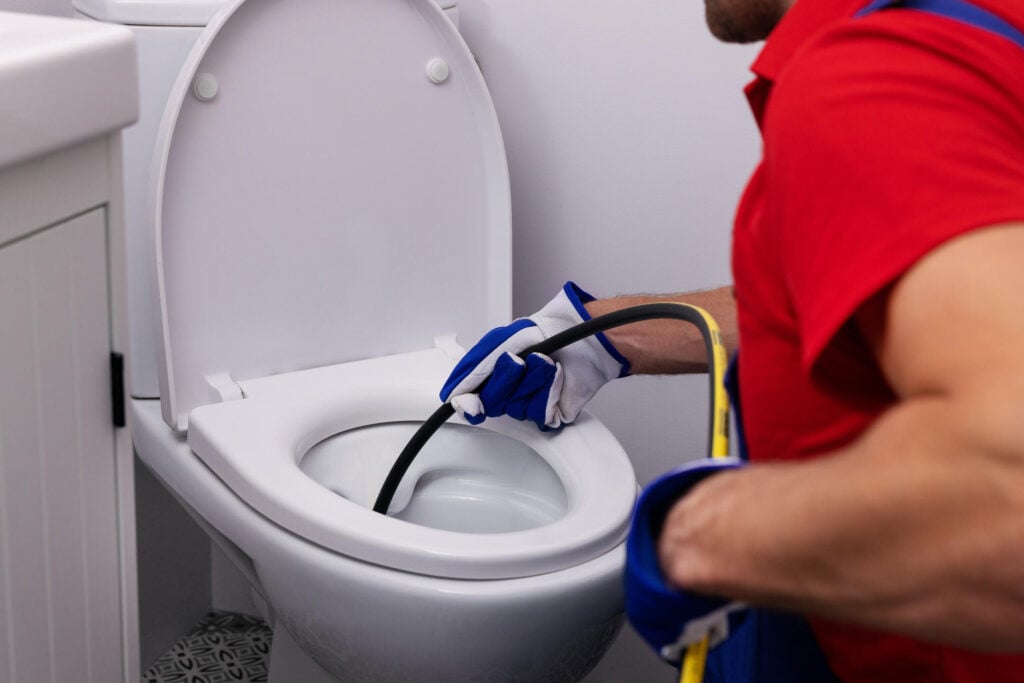
Protect Your Older Plumbing With the Right Approach
Hydro jetting can breathe new life into aging sewer lines, but only when the pipe is ready for it. A careful inspection and the right equipment settings make the difference between a clean line and a costly repair. Brewer Sewer helps homeowners throughout West Seattle and surrounding areas evaluate older pipes and choose the cleaning or repair method that protects them for years to come.
If you are dealing with recurring clogs in an older home, contact us today to schedule an inspection and find out whether hydro jetting is a safe choice for your plumbing.