

What Is Hydro Jetting? 7 Steps at How the Process Works
Homeowners in Kent and surrounding areas often turn to hydro jetting only after snaking a drain repeatedly fails to fix the problem for good, which is exactly why understanding what is hydro jetting matters before a stubborn clog turns into a recurring headache. This high pressure water jetting method restores sewer pipes to a genuinely clean condition instead of just punching a temporary hole through a blockage. Learning more about how this kind of professional cleaning actually works helps homeowners decide whether it is the right fix for their plumbing.
Here is a quick look at what this guide walks through:
- Why hydro jetting outperforms basic drain snaking
- The full step-by-step process from start to finish
- Signs your home could benefit from a jetting service
- How it compares to other drain cleaning methods
- Answers to the questions homeowners ask most often

Why Hydro Jetting Is Worth Considering for Your Drains
For homeowners in Kent and surrounding areas, recurring clogs are usually a sign that a deeper problem is building inside the pipe, not just a one-time nuisance. Hydro jetting addresses that root cause by scouring the entire interior wall of the pipe rather than punching a narrow channel through the blockage.
- Thorough Cleaning: High-pressure water reaches every side of the pipe walls, removing buildup that a cable snake often leaves behind.
- Longer-Lasting Results: Because the full pipe gets cleaned, clogs take longer to return compared to a quick snaking job.
- Chemical-Free Process: Hydro jetting uses only pressurized water, making it an eco friendly solution that avoids the chemical drain cleaners found in many store-bought products.
- Works on Tough Buildup: Grease, mineral deposits, and even tree roots are no match for the force of a professional jetting stream.
Pricing data backs up why this method is worth the investment. According to a widely cited home improvement cost guide, hydro jetting typically costs between $350 and $600, with a national average around $475, a reasonable price when weighed against the cost of a sewer line that keeps backing up every few months. That kind of recurring expense is often why homeowners find hydro jetting worth the investment over repeated snaking calls.
7 Steps in the Hydro Jetting Process
Hydro jetting looks simple from the outside, but the equipment and process actually follow a careful sequence designed to protect the pipe while clearing it completely. Understanding each step helps homeowners know what to expect when a professional plumber arrives to run the service.
1. Initial Camera Inspection
Before any water is used, a technician runs a camera through the line for a video inspection to see exactly what is causing the blockage and to confirm the pipe can safely handle high pressure.
- Identifies grease, roots, scale, or debris
- Confirms pipe material and overall condition
- Helps avoid jetting a pipe that is too fragile for the process
2. Locating the Access Point
The technician identifies the best entry point for the equipment, usually an existing cleanout near the main sewer line, though a roof vent or other access point may be used depending on the plumbing layout.
- Cleanouts allow the most direct path to the clog
- Older homes may require creative access solutions
- Proper access reduces the time needed for the job
3. Equipment Setup and Pressure Calibration
The hydro jetting machine is connected to a water source and calibrated to a water pressure level appropriate for the pipe material and severity of the clog.
- PVC pipe can typically handle higher pressure than cast iron pipes or other older materials
- Pressure is adjusted based on camera inspection findings
- Proper calibration prevents unnecessary wear on weak pipes
4. The Jetting Pass Itself
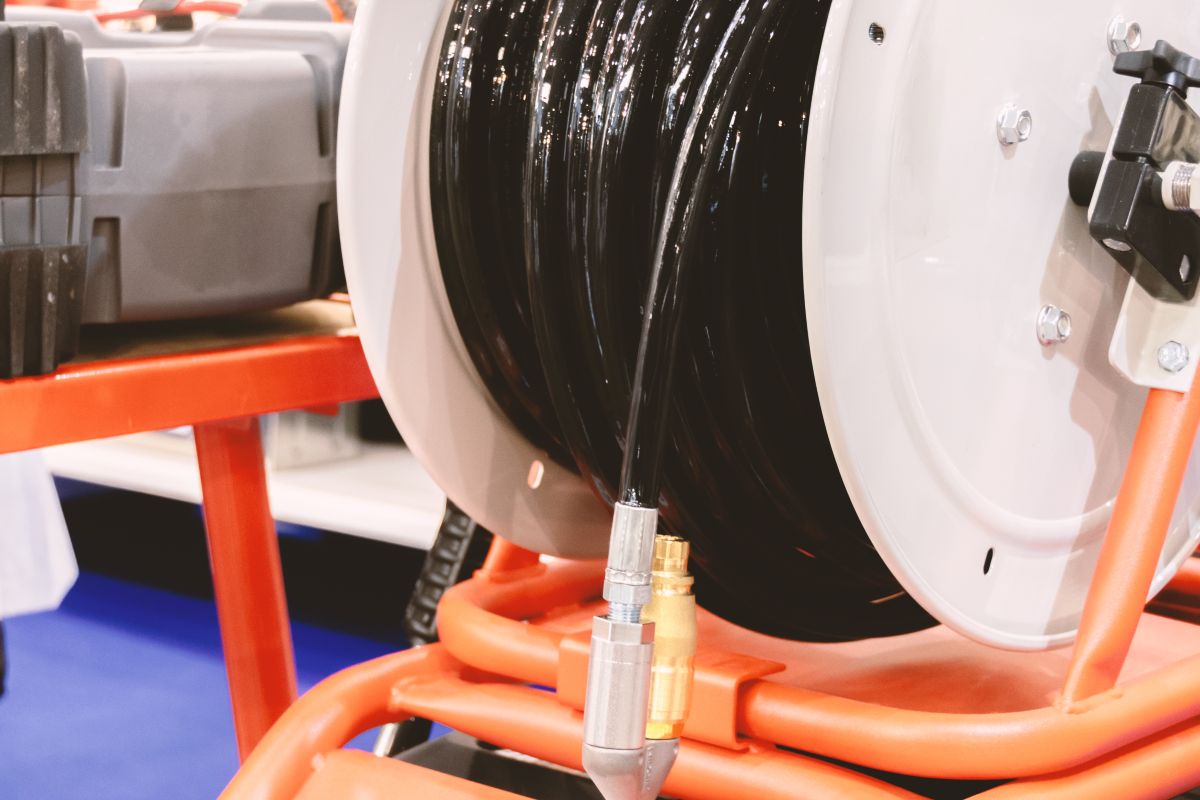
A long, flexible high pressure hose fitted with a specialized nozzle is fed through the pipe to the farthest reachable point and then pulled back, spraying pressurized water in multiple directions as it moves.
- Forward-facing jets break through the clog
- Rear-facing jets clean the pipe walls as the hose retracts
- This dual action sets hydro jetting apart from a simple cable running through the middle of a clog
5. Clearing Debris and Flushing the Line
Once the initial pass loosens buildup, the technician flushes the line to wash debris out of the pipe and toward the main sewer connection, restoring proper flow.
- Multiple passes may be needed for severe blockages
- Water flow is monitored to confirm debris is moving through
- This step prevents loosened material from resettling further down the line
6. Monitoring for Pipe Condition Issues
Throughout the process, a technician with proper training watches for signs that weak pipes are reacting poorly to the pressure, such as unusual resistance or changes in water flow.
- Older or already-damaged pipes require closer attention
- Pressure can be adjusted mid-service if needed
- This step protects against causing severe damage while clearing old problems
7. Final Verification Pass
Once the line appears clear, a second video inspection confirms the pipe received a comprehensive cleaning and is free of remaining debris or damage.
- Confirms the clog has been fully cleared, not just pushed further down
- Documents the pipe’s condition for the homeowner’s records
- Provides confidence that the fix will hold
Most hydro jetting appointments take one to three hours depending on the length of the line and the severity of the buildup involved. Homeowners typically notice stronger water flow and fewer gurgling sounds almost immediately, and scheduling routine hydro jetting helps prevent future clogs from forming again.

Signs Your Home Could Benefit From Hydro Jetting
Not every clog calls for hydro jetting, but certain patterns are strong indicators that a deeper cleaning is overdue. Recognizing these drainage issues early can prevent a minor slowdown from turning into clogged sewage lines and a full backup.
- Recurring Clogs: If the same drain keeps clogging every few months despite regular snaking, heavy buildup is likely coating the entire pipe rather than sitting in one spot.
- Grease Buildup in Kitchen Lines: Homes that cook frequently often develop heavy grease and soap scum coatings that harden over time and trap food particles, making them difficult to remove with a standard cable.
- Slow Drains Across Multiple Fixtures: When several clogged drains slow down at once, it often points to main sewer line clogs rather than an isolated fixture issue.
- Unpleasant Sewage Odors: Persistent odors coming from drains can indicate trapped waste that a simple snake pass has not fully cleared.
Homeowners who notice frequent clogs or more than one of these signs are good candidates for a professional evaluation before the pipe buildup worsens. A camera inspection can quickly confirm whether hydro jetting is the right next step.
How Hydro Jetting Compares to Traditional Drain Snaking
Choosing between hydro jetting and drain snaking, two of the most common traditional drain cleaning methods, often comes down to understanding what each one actually accomplishes inside the pipe. Both have a place in plumbing maintenance, but they solve different problems.
What Snaking Actually Does
A drain snake, also called a cable auger, uses a flexible metal cable to physically break through a clog or pull out the obstruction. It is fast and effective for simple, isolated blockages like hair or small objects.
Where Hydro Jetting Pulls Ahead
Hydro jetting cleans the entire diameter of the pipe rather than just boring a hole through the center of the clog. This makes it the better long term solution for stubborn blockages, severe clogs, grease buildup, or pipes that have not been cleaned in years.
When Snaking Is Still the Right Call
For a single, minor clog with no history of recurring problems, snaking remains a quick and affordable option. It is often the first step a technician tries before recommending a more thorough jetting service.
Understanding these differences helps homeowners avoid paying for more service than they need while also recognizing when a deeper clean is genuinely worth the investment. A qualified technician can usually recommend the right approach after a quick camera inspection.
Frequently Asked Questions About Hydro Jetting
Homeowners considering this service tend to ask similar questions before booking an appointment. The answers below cover the concerns that come up most often.
Is hydro jetting safe for all pipe materials?
Modern PVC pipe generally handles hydro jetting well, but older or already-damaged pipes may require lower pressure or an alternative method, which is why a camera inspection always comes first.
How often should a home have its pipes hydro jetted?
Most homes benefit from a jetting service every one to two years, though homes with frequent grease buildup or mature trees nearby may need it more often.
Does hydro jetting damage pipes?
When performed by a trained technician who calibrates pressure based on pipe condition, hydro jetting is safe for a healthy plumbing system and does not lead to expensive repairs down the line.
Is hydro jetting more expensive than snaking?
Yes, hydro jetting typically costs more upfront, but its thorough cleaning often reduces the frequency of future service calls, which can lower costs over time.
Can hydro jetting fix a collapsed pipe?
No. Hydro jetting clears blockages and buildup, but a collapsed or severely damaged section of pipe requires repair or replacement rather than cleaning.
These questions cover the basics, though every home’s plumbing history is a little different. A licensed plumber can answer more specific questions after taking a look at the actual pipe condition.

Get Professional Hydro Jetting for Your Home
Hydro jetting offers a thorough, long-lasting solution for the kind of stubborn clogs that keep coming back no matter how many times a line gets snaked. From the initial camera inspection to the final verification pass, this process is designed to leave pipes genuinely clean rather than just temporarily clear.
Brewer Sewer has helped homeowners throughout Kent and surrounding areas break free from recurring drain problems, offering professional expertise and cleaning services built to keep the entire sewer system flowing. If slow drains, grease buildup, or repeat clogs have become a pattern in your home, do not wait for a full backup to take action. Contact us today to schedule a hydro jetting service and get your pipes flowing freely again.