
What Is a Sewer Scope Inspection? 5 Things It Reveals
Buying a home or noticing slow drains can leave homeowners wondering what is actually happening underground in their sewer system. Understanding what is a sewer scope inspection matters because it is often the only way to see the true condition of a pipe before small issues turn into costly repairs. A closer look at what this kind of diagnostic check involves can help homeowners make informed decisions about repairs, replacements, or a home purchase.
What you’ll learn:
- What a sewer scope inspection actually involves
- Why this type of inspection matters for buyers, sellers, and current homeowners
- The five most common problems a sewer scope inspection reveals
- How the process works from start to finish, and why it typically takes less than an hour
- Why home inspectors do not usually examine the sewer line during a standard home inspection
- How a sewer scope inspection compares to other diagnostic methods

Why a Sewer Scope Inspection Matters Before You Buy or Repair
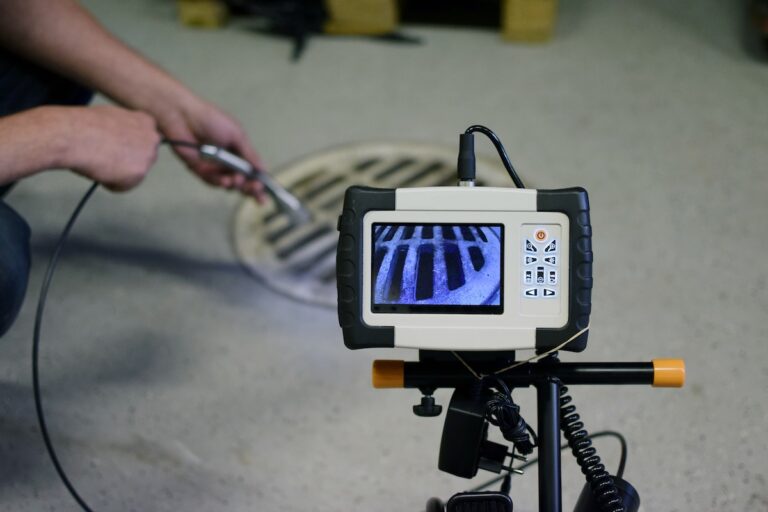
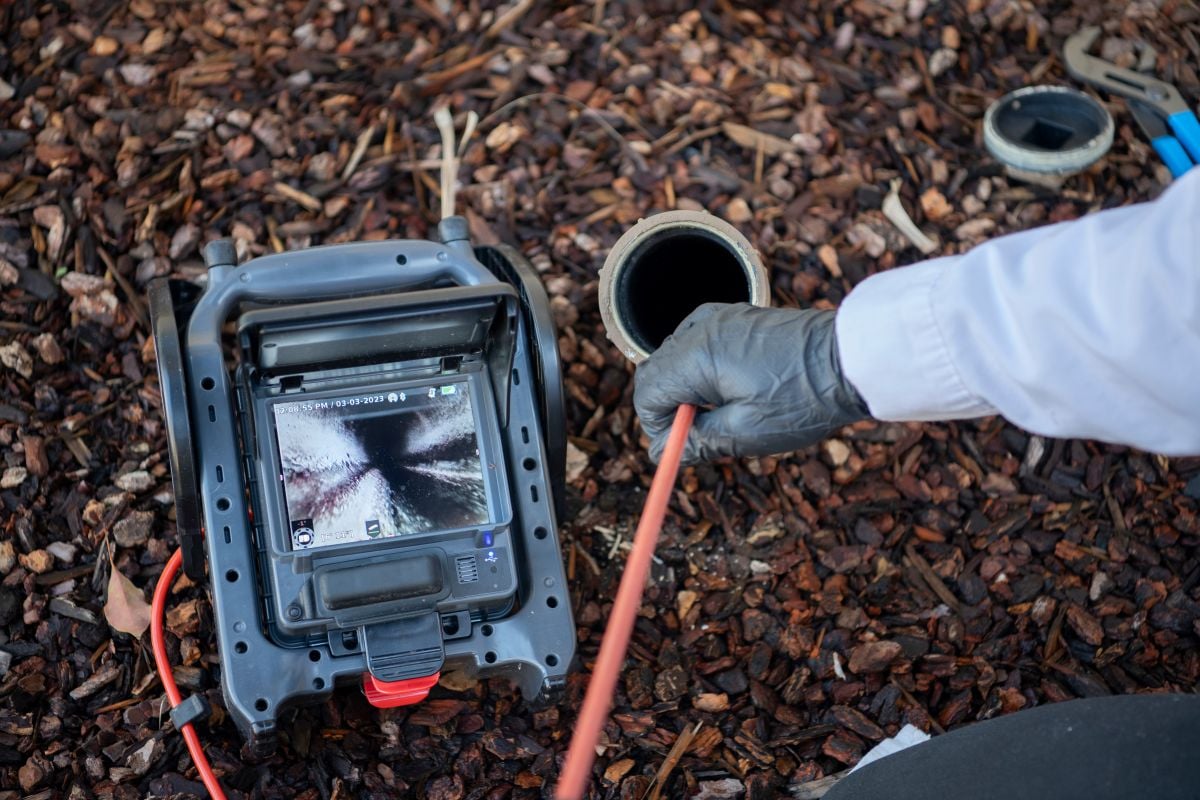
A sewer scope inspection uses a specialized waterproof camera to travel through the sewer pipe and show exactly what is happening inside a home’s sewer line, from cracks and blockages to tree root intrusion and structural sags. Without this kind of visual confirmation, homeowners are often left guessing based on symptoms alone, which can lead to unnecessary excavation or a repair that does not actually address a damaged sewer line. Homeowners throughout Tacoma and surrounding areas frequently request this inspection, whether their property connects to a municipal sewer system or relies on a septic tank, either before closing on a home or after noticing recurring drain issues that a simple snake or plunger cannot resolve.
- Prevents costly surprises: A sewer scope inspection during a home purchase can reveal problems that could otherwise cost thousands to fix after closing.
- Confirms the real cause of symptoms: Slow drains, gurgling sounds, or foul odors can have several causes, and a camera inspection identifies the actual source.
- Supports informed repair decisions: Knowing the exact location and severity of a problem helps homeowners choose the right fix instead of overpaying for unnecessary work.
- Protects health and property value: Catching sewer line issues early prevents health hazards and structural damage that can affect resale value.
Skipping this step rarely saves money in the long run. A hidden crack or a slowly collapsing pipe can quietly worsen for months, and by the time symptoms become obvious, the repair is usually more invasive and more expensive than it would have been with an early diagnosis. Many real estate transactions in Tacoma and surrounding areas now include a sewer scope inspection as a standard part of due diligence, since it protects both buyers and sellers from disputes after closing and gives everyone a clear starting point for any sewer repairs that follow.
5 Things a Sewer Scope Inspection Reveals
A sewer scope inspection is not just a quick look inside a pipe. It is a detailed diagnostic process that uncovers specific issues a plumber can act on right away. The five items below cover the most common findings homeowners encounter during this type of inspection, whether the concern is a damaged sewer line or simple buildup, and understanding them ahead of time can make it easier to interpret the footage once the inspection is complete.
1. Tree Root Intrusion
Tree roots, especially from large trees planted near the sewer line, are one of the most frequent culprits behind sewer line problems, and a sewer scope inspection often shows exactly where roots have entered the pipe through small cracks or joints. Roots grow toward moisture, and once they find their way into a sewer line, they can expand rapidly and create significant blockages that require root removal before any other repair can proceed.
- Small root intrusions may only require cutting and monitoring
- Extensive root systems often signal the need for pipe relining or replacement
- Recurring root problems in the same spot usually indicate an ongoing structural weakness
2. Pipe Material and Deterioration
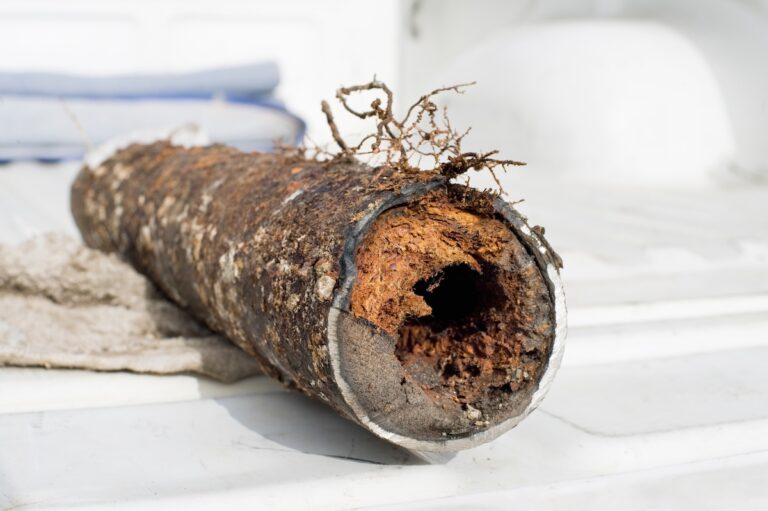
Older sewer lines made of clay, cast iron, or Orangeburg material tend to degrade in ways that plastic pipes do not, and a camera inspection can reveal pipe corrosion, flaking, or crumbling walls long before collapsed sections force an emergency repair. Recognizing the specific material also helps a plumber predict how quickly a problem might progress and what repair method will hold up best over time. Older homes throughout Tacoma and surrounding areas built several decades ago are especially likely to have original pipe materials that show signs of wear during an inspection.
- Clay pipes often show cracking at the joints over time
- Cast iron pipes can develop rust and scale buildup that narrows the interior
- Orangeburg pipe, if present, is prone to collapsing under soil pressure
3. Bellies and Structural Sags
A sewer scope inspection can pinpoint a belly, which is a low spot in the pipe where the slope has flattened due to soil movement, ground settling, or age, causing water or waste to collect instead of flowing smoothly. This kind of sag rarely shows obvious surface symptoms until backups become frequent, which makes camera confirmation especially valuable.
- Minor sags may only need monitoring over time
- Moderate bellies can sometimes be addressed with pipe lining
- Severe sags usually require excavation and pipe replacement

4. Blockages and Buildup
Grease, wipes, construction debris, and other foreign objects can accumulate inside a sewer line over the years, and a sewer scope inspection shows the exact type and location of this buildup rather than leaving homeowners to guess. This is particularly useful when previous cleaning attempts have not fully resolved poor drainage or recurring clogs.
- Grease buildup often appears as a thick coating along the pipe walls
- Wipes and paper products tend to clump at joints or bends
- Sediment accumulation is common in pipes with an already reduced slope
5. Pipe Misalignment and Offsets
Ground settling or shifting soil can cause sections of pipe to separate slightly at the joints, creating offsets where waste catches instead of flowing through cleanly, sometimes leading to yard flooding when backups occur. A sewer scope inspection reveals these misalignments clearly, since the camera can show the exact point where one pipe section no longer lines up with the next.
- Small offsets may not require immediate repair if flow remains adequate
- Larger offsets can trap debris and lead to recurring backups
- Offsets combined with cracks often point toward a section that needs replacement
Taken together, these five findings give homeowners and their plumber a complete picture of what is happening underground, rather than relying on guesswork based on surface symptoms alone.
Understanding How a Sewer Scope Inspection Works
A sewer scope inspection follows a fairly consistent process regardless of the reason behind the request, and it typically takes less than an hour from start to finish. Knowing what to expect can help homeowners feel prepared and ask better questions when the inspector arrives.
Locating an Access Point
The technician first identifies an appropriate entry point, often a cleanout near the house or a vent stack, to insert the camera without unnecessary disruption to the property.
Feeding the Camera Through the Line
A flexible cable with a high-resolution camera on the end is slowly fed through the pipe, capturing real time video footage of the interior as it moves toward the main sewer connection, which the inspector can view immediately on a monitor.
Recording Depth and Location Data
Modern equipment can track how far the camera has traveled, which allows the technician to pinpoint the exact location of any problem discovered along the way. This is especially useful if excavation ends up being necessary.
Reviewing Findings With the Homeowner
Once the inspection is complete, the technician walks through the footage and explains what was found, whether that is a clean pipe, minor wear, or a specific issue requiring attention, and provides a written inspection report homeowners can keep for their records.
This structured process takes the guesswork out of diagnosing sewer problems and gives homeowners documented evidence they can use for negotiations, insurance claims, or planning future repairs.
Comparing Sewer Scope Inspections to Other Diagnostic Methods
A sewer scope inspection is one of several tools plumbers use to understand what is happening underground, but it is not interchangeable with every other method. Most home inspectors do not examine the sewer line as part of a standard home inspection, which is one reason this specialized service exists as a separate add-on. Knowing how it compares to other diagnostic methods helps homeowners understand why a plumber might recommend one approach over another.
| Diagnostic Method | What It Shows | Best Used For |
| Sewer scope inspection | Direct visual footage of the pipe interior | Confirming cracks, roots, bellies, and blockages |
| Hydrostatic testing | Whether the line holds pressure without leaking | Detecting leaks not visible on camera |
| Dye testing | Whether wastewater is flowing to the correct location | Identifying cross-connections or misrouted lines |
| Manual snaking | Whether a blockage can be physically cleared | Removing debris without diagnosing the root cause |
Each of these methods serves a different purpose, and a sewer scope inspection is often the starting point because it provides the clearest overall picture before deciding whether additional testing is necessary. Homeowners who only use manual snaking without ever scoping the line risk missing a structural issue that will keep causing the same symptoms to return.

Schedule Your Sewer Scope Inspection Today
A sewer scope inspection takes the mystery out of what is happening beneath a home, giving homeowners clear answers instead of assumptions. Whether the concern is a home purchase, new construction, a recurring clog, or general peace of mind, this type of inspection provides the documented evidence needed to make a confident decision. Brewer Sewer is a local business that offers sewer scope inspections and full sewer repairs for homeowners throughout Tacoma and surrounding areas, helping them get a clear picture of their sewer system’s condition, whether connected to the city line or a septic tank, before problems become emergencies.
If drains have been acting up or a home purchase is on the horizon, do not wait for a small issue to become a costly one. Contact us today to schedule a sewer scope inspection and get a clear, documented look at what is really going on underground.