9 Things a Sewer Video Inspection Reveals About Your Line
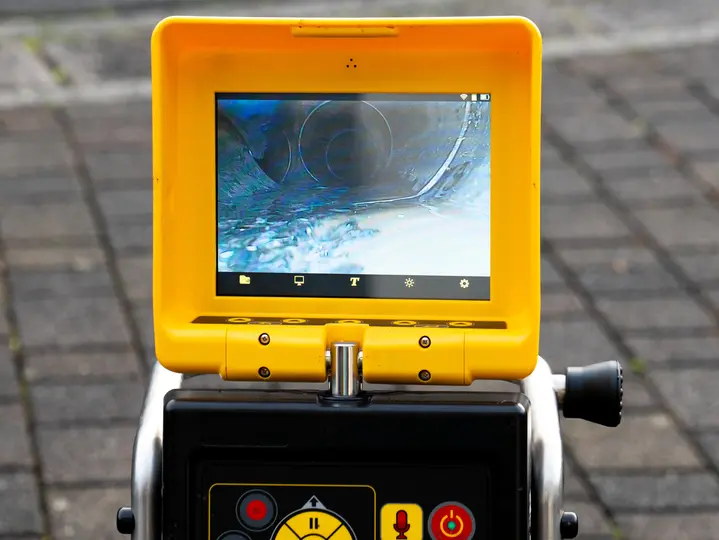
Your sewer line works quietly underground, which is exactly why problems can grow for years without anyone noticing. A sewer video inspection changes that by sending a waterproof inspection camera through the pipe to show what is happening inside in real time. For homeowners in Seattle and surrounding areas, where many houses still rely on aging clay and cast iron lines, that view can prevent costly surprises. Knowing what the camera can spot also makes taking a closer look at your line feel less like a mystery and more like a smart, practical step.
A quick preview of this guide:
- The nine most common findings a camera can uncover
- How a sewer line inspection works from start to finish
- The situations where an inspection pays off most
- Straight answers to common homeowner questions
Why Seeing Inside Your Pipe Changes Everything
Most sewer problems announce themselves through vague signs like slow drainage at multiple fixtures, odd sewage smells, or the occasional backup. Those clues tell you something is wrong, but they rarely tell you what, where, or how serious it is. A camera replaces guesswork with clear footage, so every decision that follows is based on facts.
Here is what that visibility gives you:
- Accurate Diagnosis: A sewer camera helps diagnose the actual cause of a problem instead of leaving you to guess between roots, grease, a leak, or a broken pipe.
- Targeted Repairs: When the exact location and depth are known, crews can repair only the damaged section rather than the entire line.
- Lower Long-Term Costs: Catching small cracks and early root growth helps you save money compared to responding to a collapsed pipe.
- Peace of Mind: Even a clean result is valuable, because it confirms your sewer system is healthy and helps you maintain your plumbing system with confidence.
Many experts suggest that most homes benefit from a camera check every one to two years to spot issues early. Regular inspections turn potential problems into planned, manageable repairs instead of emergencies.
9 Things the Camera Can Find Inside Your Sewer Line
A sewer camera inspection captures far more than whether a pipe is clogged. The live video records the structure, alignment, and condition of the sewer pipes from the cleanout to the city connection, and most sewer lines run between 50 and 100 feet. These are the findings homeowners hear about most often.
1. Tree Root Intrusion
Roots are one of the most common discoveries, especially on properties with large trees. The camera shows where roots have entered through cracks or joints and how much of the pipe they fill.
- Fine root hairs at a single joint
- Dense root masses that restrict flow
- Multiple entry points along the line
2. Cracks and Fractures
Small hairline cracks can be hard to detect any other way. The footage reveals their size and location, which helps determine whether lining, a spot repair, or replacement makes the most sense. Tracking a crack over time also shows whether it is stable or getting worse.
3. Offset or Separated Joints
Shifting soil, settling, and heavy weight above the line can shift pipe sections out of alignment and cause structural pipe damage. Offset joints create ledges that catch debris, while separated joints let water escape and roots slip inside.
4. Bellies and Sagging Sections
A belly is a low spot where the pipe has dipped, often because the soil beneath it has settled. The camera shows standing water in these areas, which is a common reason for recurring clogs in the same spot.
5. Grease and Scale Buildup
Kitchen grease, soap residue, and mineral scale narrow the inside of a pipe over time. Seeing the buildup helps determine whether hydro jetting or standard drain cleaning is the right fix.
6. Corrosion in Cast Iron Pipes
Cast iron lines deteriorate from the inside out. The camera can reveal rough, flaking walls, rust, and thinning sections that are close to failing.
- Heavy surface scaling
- Holes or channels in the pipe floor
- Sections that may not survive aggressive cleaning
7. Collapsed or Crushed Pipe
A collapsed section blocks flow almost entirely and often explains sudden, severe backups. The footage confirms the collapse and shows how much of the line is affected.
8. Pipe Material and Past Repairs
Most homeowners do not know what their sewer line is made of, especially in homes built decades ago. The inspection identifies clay, cast iron, PVC, or older materials, along with patches and transitions from earlier repairs. That information matters because each material ages differently and responds best to different repair methods.
9. Exact Location and Depth of Problems
Many advanced cameras include a locator in the camera head that sends a signal to the surface. Technicians use it to mark the exact spot and depth of a problem, which keeps any digging small and precise.
Some lines show only one of these issues, while others show several at once. Either way, the video footage gives you a clear, documented picture of what your pipe needs, and homeowners in Seattle and surrounding areas often use it to compare repair options with confidence.
What Happens During a Camera Inspection
Many homeowners picture a messy, disruptive process, but a video sewer inspection is usually quick and simple. Most visits are finished in a short time, and you can often watch the video recording as it happens.
Here is how a typical inspection unfolds:
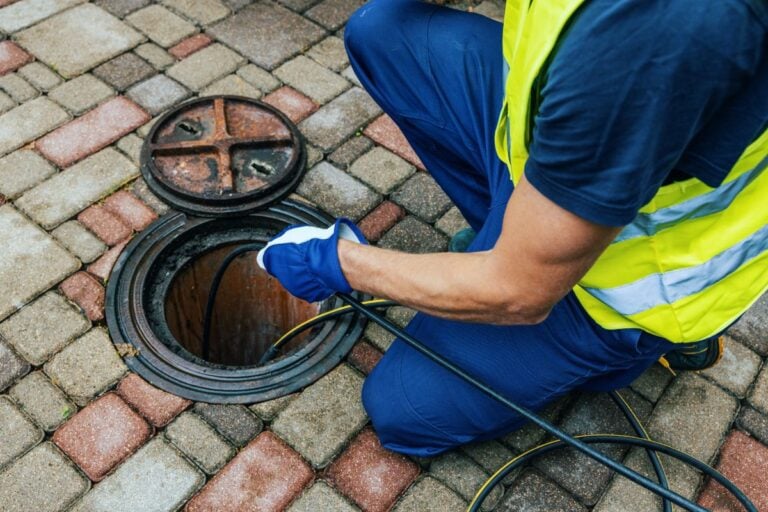
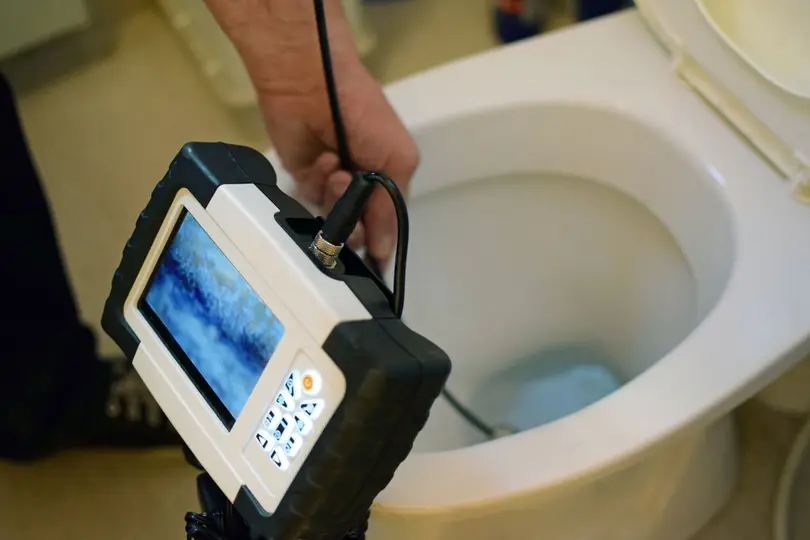
- Finding Access: The technician locates a cleanout, a removed toilet, or another access point where the camera can enter the line.
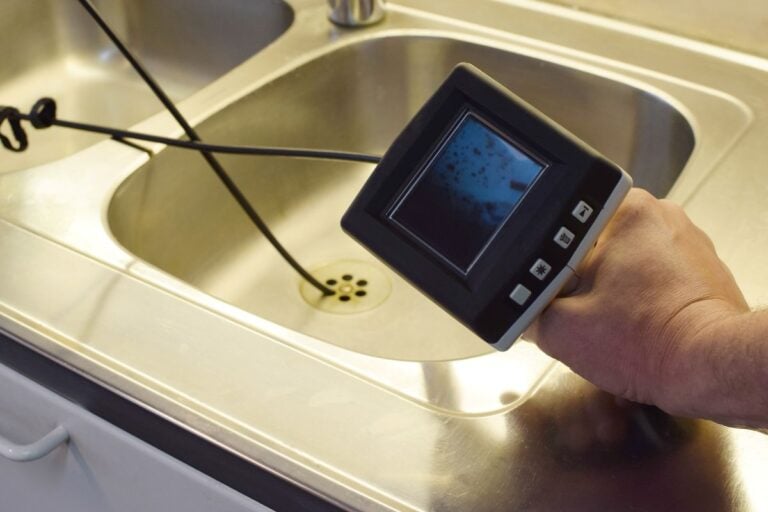
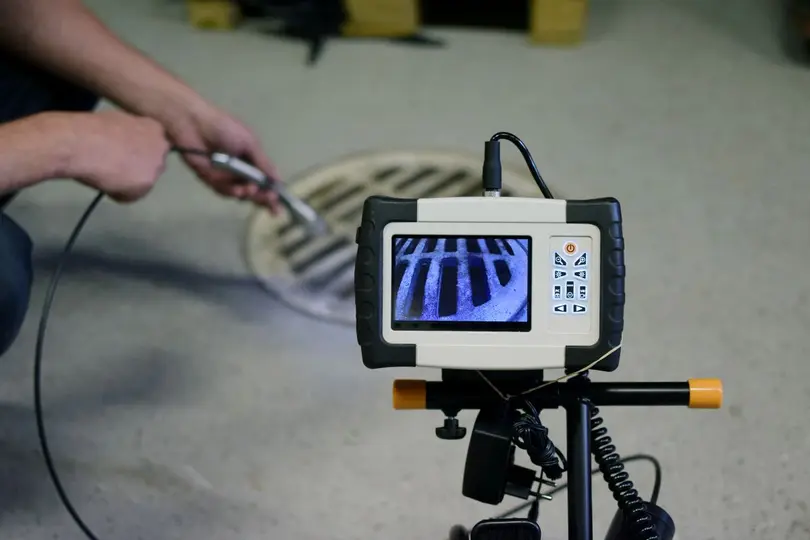
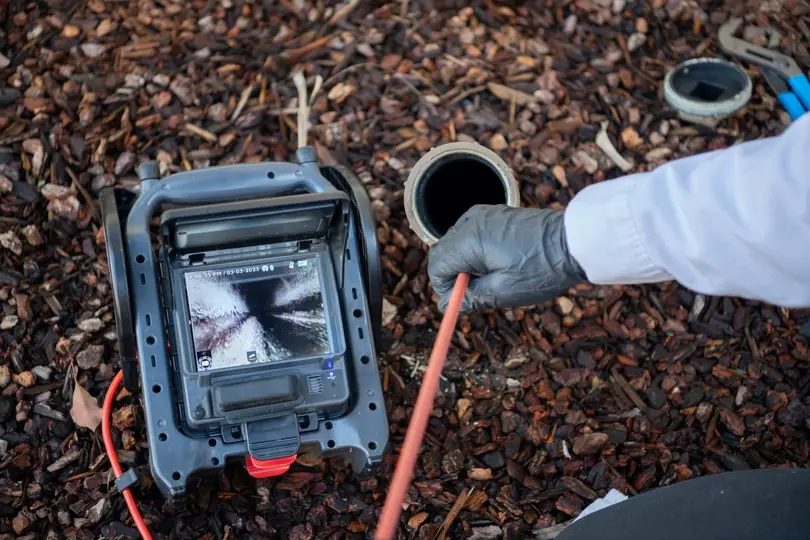
- Running the Camera: A flexible cable pushes the camera through the pipe while it streams live video to a monitor above ground. Some inspection equipment uses self leveling cameras that keep the picture upright.
- Noting Problem Areas: The technician pauses at any defect to record details such as distance from the access point and the type of damage.
- Locating From the Surface: When needed, a locator pinpoints the problem area so it can be marked on the ground.
- Reviewing the Findings: You get an explanation of what the camera found, often with video or still images and data to keep.
- Recommending Next Steps: If repairs are needed, the technician outlines the options that fit your line’s condition.
Because the process is non-invasive, there is no digging and no damage to your yard. The only goal is to gather accurate information before any repair decision is made.
When a Camera Inspection Pays Off Most
While any home can benefit from a look inside its sewer line, certain situations make sewer line video inspections especially valuable for property owners. Timing the visit well helps you get the most from the footage and avoid surprises at critical moments.
Before Buying a Home
A standard home inspection usually does not include the sewer line. A sewer scope inspection before closing can uncover expensive problems while there is still time to negotiate repairs or credits.
After Recurring Clogs or Backups
When the same drain keeps clogging, the cause is often deeper in the main line. Footage reveals whether roots, a belly, or a break is to blame, so the fix addresses the real problem.
Before a Major Repair or Remodel
Adding a bathroom, finishing a basement, or replacing a driveway are all good reasons to check the line first. Fixing a hidden problem before new surfaces go in is far easier than tearing them out later.
As Routine Maintenance for Older Homes
Older properties with original clay or cast iron pipes benefit from regular check-ups. Many homes in Seattle and surrounding areas were built long before modern pipe materials became standard, which makes routine inspections a sensible habit.
No matter which situation applies, the goal is the same: gather clear information before small issues become big ones. A well-timed sewer inspection costs little compared to the repairs it can help you avoid.
Frequently Asked Questions About Sewer Video Inspections
Homeowners often have similar questions before scheduling their first inspection. These short answers cover the ones that come up most often.
How long does a sewer video inspection take?
Most residential inspections take about an hour, though longer lines or difficult access can add time. You can usually stay and watch as the camera moves through the pipe.
Will the inspection damage my pipes or yard?
No. The camera travels through the existing pipe, so there is no digging. Technicians take extra care with fragile pipe materials to avoid causing harm.
Can the camera see through a complete blockage?
A total blockage can stop the camera. In those cases, the line may need to be cleared first so the inspection can continue and show the cause.
Do I need an inspection if my drains seem fine?
It can still be worthwhile, especially for older homes or before buying a property. Many problems develop slowly and stay hidden until they cause a backup.
Will I get a copy of the footage?
Many services provide video or still images along with a summary of findings. That digital record can be shared for a second opinion from another plumber or used to support an insurance or real estate claim, so ask about it before the inspection begins.
If you have a question that is not covered here, a quick conversation with a sewer professional can clear it up. Getting clear answers upfront makes the entire process easier.
Get a Clear View of Your Sewer Line
A camera inspection is one of the simplest ways to protect your home from hidden sewer problems. It shows exactly what is happening below ground, so you know what to expect and can make informed decisions instead of reacting to emergencies.
Brewer Sewer helps homeowners in Seattle and surrounding areas understand the true condition of their sewer lines with detailed camera inspections and honest recommendations. If you are dealing with slow drains, recurring clogs, or simply want peace of mind, contact us today to schedule your inspection.