

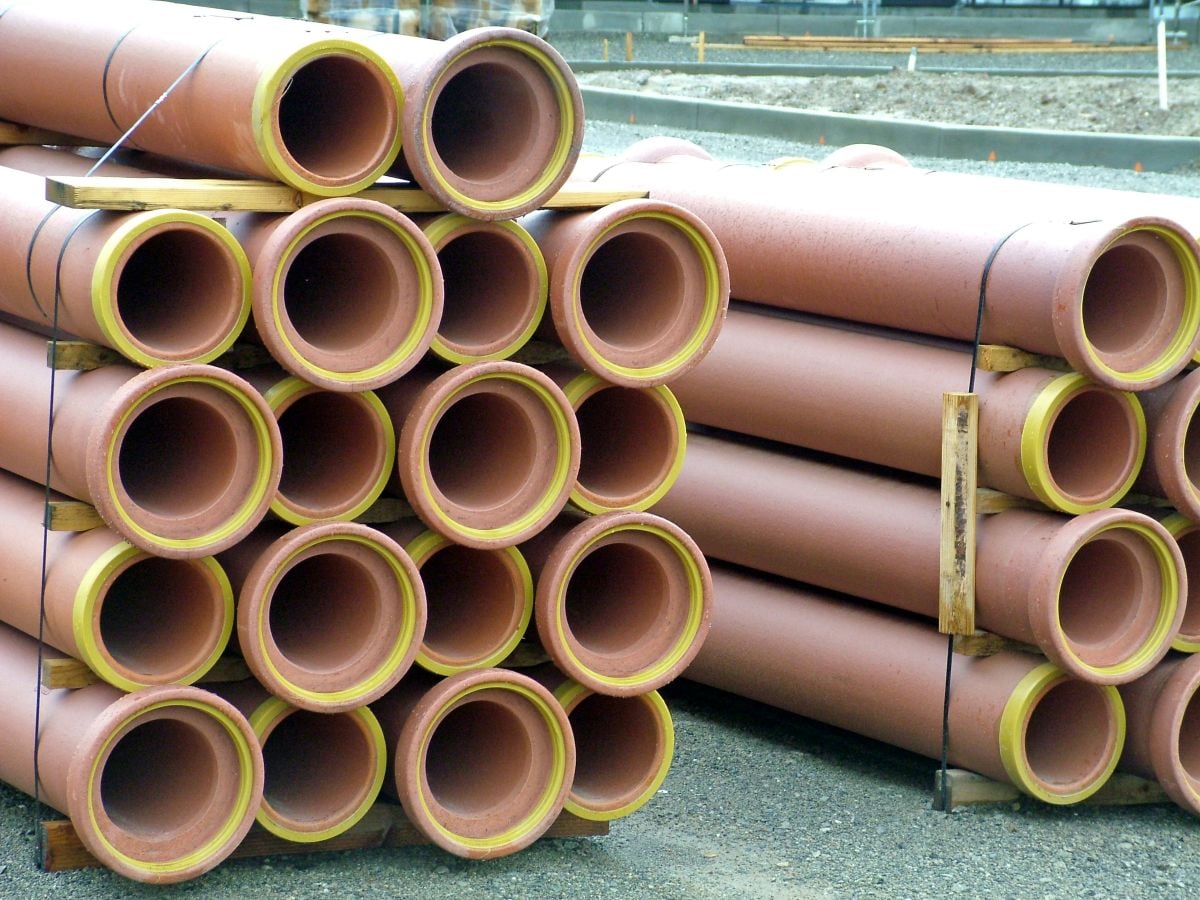
Broken Clay Sewer Pipe: 7 Signs It’s Time to Act Fast
Clay sewer pipes were once the standard in home construction, but decades of shifting soil, tree roots, and simple age can leave them cracked or collapsed underground. A broken clay sewer pipe rarely announces itself with a single obvious symptom, which is why so many homeowners in Seattle and surrounding areas miss the early warning signs until the damage grows severe. Catching the problem early can mean the difference between a straightforward fix and an expensive excavation, and understanding what to look for through a professional evaluation of your home’s sewer system is the best place to start.
Here’s what this guide will help you spot before a small crack becomes a major headache:
- The warning signs that point to a cracked or collapsed clay pipe
- Why clay pipes are especially prone to failure over time
- How to distinguish a pipe issue from a simple drain clog
- Practical steps for protecting your plumbing system going forward

Why a Broken Clay Sewer Pipe Deserves Immediate Attention
Clay pipe failures rarely stay small. Once a crack forms, water pressure, soil movement, and root intrusion all work together to widen the damage over time, often turning a minor issue into a full pipe collapse. Homeowners who understand what’s at stake are far more likely to act quickly rather than assume the problem will resolve on its own.
- Prevents structural damage: A collapsed sewer line can undermine soil stability near your foundation, driveway, or yard.
- Protects your health: Sewage backups introduce bacteria and contaminants into living spaces, creating a genuine health hazard.
- Reduces repair costs: Catching a crack early often means a targeted repair instead of a full line replacement.
- Preserves property value: Unresolved sewer line issues can complicate a home sale or lower its appraised value.
Homeowners throughout Seattle and surrounding areas who live in older properties should be especially mindful, since clay pipe was standard in residential construction for much of the twentieth century. Recognizing the signs early gives you far more control over the cost and complexity of the eventual repair.
7 Warning Signs of a Broken Clay Sewer Pipe
Clay pipe damage tends to build gradually, and the signs can be subtle at first. Learning to recognize these seven indicators gives homeowners a real advantage in catching problems before they escalate into a full sewer line emergency.
1. Recurring Sewer Backups
If your drains back up repeatedly despite regular cleaning, the issue may not be a simple clog at all. A cracked or collapsed section of pipe restricts flow in a way that keeps causing the same backup no matter how many times it’s cleared.
- Backups affecting multiple fixtures at once
- Problems that return within weeks of a cleaning
- Gurgling sounds from toilets when other drains run
2. Unusually Lush or Soggy Patches in the Yard
A cracked clay pipe can leak wastewater into the surrounding soil, which acts like an unintended fertilizer. Homeowners often notice a strip of grass that’s greener or grows faster than the rest of the lawn, sometimes paired with soggy ground even during dry weather.
- Bright green patches that don’t match the rest of the lawn
- Standing water or soft ground with no clear cause
- Patches typically follow the path of the underground pipe
3. Foul Odors Near the Yard or Basement
Sewer gas escaping through a cracked pipe often produces a persistent rotten egg smell, either outdoors near the pipe’s path or inside near basement drains. This odor tends to be more noticeable after rainfall, when groundwater pushes gas upward through the soil.
- Odor concentrated in one area of the yard or basement
- Smell that intensifies after heavy rain
- Persistent odor even after checking for other causes
4. Cracks or Settling in the Foundation or Driveway
When a sewer pipe collapses, the soil around it can shift or settle, sometimes affecting the ground beneath a driveway, patio, or foundation. Small cracks that widen over time are worth investigating, especially if they appear near the pipe’s known path.
- Cracks that appear suddenly after years of stability
- Uneven settling near known pipe routes
- Sinking or soft spots in the yard above the line

5. Slow Drains Throughout the House
A single slow drain often points to a local clog, but when several drains slow down at the same time, the cause is more likely somewhere in the main line. Clay pipe cracks and root intrusion frequently produce this exact pattern.
- Slow drainage in the kitchen, bathroom, and laundry simultaneously
- Toilets that take longer than usual to refill
- No improvement after basic drain cleaning attempts
6. Increased Rodent or Insect Activity
Cracked sewer pipes can create an entry point for pests seeking warmth, moisture, or shelter. An uptick in rodent activity near the yard or an increase in drain flies inside the home can sometimes trace back to a compromised pipe.
- New rodent burrows near the pipe’s path
- Drain flies appearing without an obvious source
- Pest control treatments that don’t solve the issue
7. Rising Water or Sewage Bills
A steady increase in your water or sewer bill without a clear explanation can indicate water escaping through a crack underground. Utility providers sometimes flag unusual usage patterns before homeowners even notice a problem themselves.
- Bills that climb gradually over several months
- No corresponding increase in household water use
- Utility notices about unusual consumption patterns
Any one of these signs on its own might have another explanation, but noticing two or three together is a strong indicator that a clay pipe issue deserves a closer look. Waiting until symptoms multiply usually means a larger and more expensive repair down the road.
Why Clay Pipes Are Especially Vulnerable
Clay sewer pipe was a common and reliable choice for much of the last century, but the material has inherent weaknesses that modern alternatives were designed to address. Understanding why these pipes fail helps homeowners make sense of the warning signs and decide how urgently to respond.
Common vulnerabilities of clay pipe:
- Brittleness: Clay is rigid rather than flexible, so it cracks under pressure instead of bending.
- Root attraction: Tiny cracks release moisture that draws tree roots directly toward the pipe.
- Joint weakness: Older clay pipe sections were joined with materials that degrade faster than the pipe itself.
- Age related decline: Many clay sewer lines still in use today were installed decades ago and are approaching or past their expected lifespan.
Homes in Seattle and surrounding areas with mature trees nearby face an added layer of risk, since established root systems are more aggressive in seeking out any available moisture source. Knowing that clay pipe carries these built in weaknesses makes it easier to understand why proactive inspection matters so much for older homes.
Repair Options Compared: What Fits Your Situation
Once a broken clay sewer pipe is confirmed, homeowners typically have a few different repair paths available, and the right choice depends on the extent of the damage, the pipe’s location, and budget considerations. Comparing these options side by side makes the decision much clearer.
| Repair Method | Best For | Considerations |
| Spot repair | Small, isolated cracks | Fastest and least invasive option |
| Pipe lining | Moderate damage along a longer section | No digging required in most cases |
| Pipe bursting | Full pipe replacement without open trenching | Works well for significantly deteriorated lines |
| Traditional excavation | Severe collapse or extensive root damage | More disruptive but sometimes necessary |
A professional camera inspection is usually the deciding factor in choosing between these methods, since it reveals the exact condition and location of the damage. Homeowners who skip this step often end up paying for a repair that doesn’t fully address the underlying problem, which can mean facing the same issue again within a year or two.

Frequently Asked Questions About Broken Clay Sewer Pipes
These are some of the most common questions homeowners ask once they suspect a cracked or collapsed clay sewer line. The answers below offer a starting point, though a professional inspection is the only way to confirm what’s happening underground.
How long do clay sewer pipes typically last?
Clay pipes can last 50 to 60 years under ideal conditions, but root intrusion, soil shifting, and age related brittleness often shorten that lifespan considerably.
Can a cracked clay pipe be repaired without digging up my yard?
In many cases yes, since trenchless methods like pipe lining or pipe bursting can address damage without the extensive excavation older repair methods required.
Is a broken clay sewer pipe covered by homeowners insurance?
Coverage varies widely by policy and cause, so it’s worth reviewing your specific policy or speaking with your provider to understand what’s included.
What happens if I ignore a broken clay sewer pipe?
Ignoring the problem typically leads to worsening backups, potential sewage exposure, and eventually a much larger and more expensive repair.
How can I tell if tree roots are involved in my pipe damage?
A camera inspection is the most reliable way to confirm root intrusion, though soggy yard patches and recurring backups near mature trees are common indicators.
How much does clay sewer pipe repair typically cost?
Costs vary based on the repair method and extent of damage, ranging from a few hundred dollars for a minor spot repair to several thousand for a full replacement.
Understanding these common questions can help homeowners feel more prepared going into a professional inspection, even before knowing the exact condition of their own pipe.
Protect Your Home Before Clay Pipe Damage Gets Worse
A broken clay sewer pipe rarely improves on its own, and the earlier it’s addressed, the less disruptive and costly the repair tends to be. Recognizing the warning signs covered in this guide gives homeowners a real head start on protecting their property from more serious damage down the line.
Brewer Sewer has helped countless homeowners throughout Seattle and surrounding areas diagnose and repair clay pipe issues before they turned into major emergencies. If you’ve noticed any of the warning signs discussed here, don’t wait for the problem to escalate. Contact us today to schedule a professional inspection and get a clear picture of what’s happening beneath your yard.