Sewage Damage Cleanup: 7 Steps to Take After a Sewage Backup
Sewage damage cleanup starts with safety. Keep people and pets out of the area, stop running water and flushing toilets, and shut off power to wet areas if you can reach the panel without stepping in sewage. Then remove the waste, throw out soaked porous items, disinfect every surface, and have the sewer line inspected so it does not happen again.
A sewage backup is more than a mess. Raw sewage carries bacteria and viruses that can make your family sick and soak into floors, drywall, and subfloors. In this guide, you will learn:
- Whether a sewage backup is dangerous for your family and home
- What to do in the first few minutes after a backup
- The 7 steps to sewage damage cleanup
- Common cleanup mistakes that make damage worse
- When to call a professional
- How to prevent another sewer backup
- Local backup risks for Seattle area homes
- Answers to common sewage cleanup questions
Is a Sewage Backup Dangerous?
Yes. A sewage backup carries more than a bad smell. Raw sewage contains bacteria, viruses, and gases that can make your family sick and damage your home, even after the visible mess is gone.
Health risks
- Stomach illness: Contact with sewage water can cause gastrointestinal problems.
- Skin irritation: Bacteria in sewage can irritate skin and infect cuts.
- Breathing problems: Sewer gases and contaminated air can cause respiratory issues.
Damage to your home
- Floors and walls: Sewage soaks into flooring, drywall, and subfloors.
- Structural damage: Untreated sewage can weaken framing and other structural parts of your home.
- Mold growth: Wet, contaminated materials create the right conditions for mold.
- Hidden hazards: Contamination can stay in walls, floors, and indoor air after the surface looks clean.
Why fast action matters
The first few hours after a backup are critical. The longer sewage sits, the farther it spreads and the more your cleanup and repair will cost. In many cases the biggest cost is restoring the inside of the home, not fixing the pipe.

What to Do Immediately After a Sewage Backup
Your first job is protecting people, not property. Take these steps before any cleanup begins.
- Clear the area. Keep children, older adults, anyone with a weak immune system, and pets away.
- Stop using water. Do not flush toilets, run faucets, or use the washer or dishwasher. Every drain feeds the same line.
- Cut the power safely. Shut off electricity to wet areas only if you can reach the panel without standing in water.
- Gear up. Wear rubber gloves, rubber boots, eye protection, and a mask before touching anything.
- Know who to call. If the problem may be in the public sewer main, the city is responsible for that repair. The Seattle Public Utilities sewer backup guide explains when to contact them.
- Open it up. Open windows and doors to let fresh air in and odors out.
- Document everything. Take photos and video of the damage before you move anything. Your insurance company will ask for them.
7 Steps to Sewage Damage Cleanup
Once the area is safe, work through these steps in order. Skipping one can leave contamination behind.
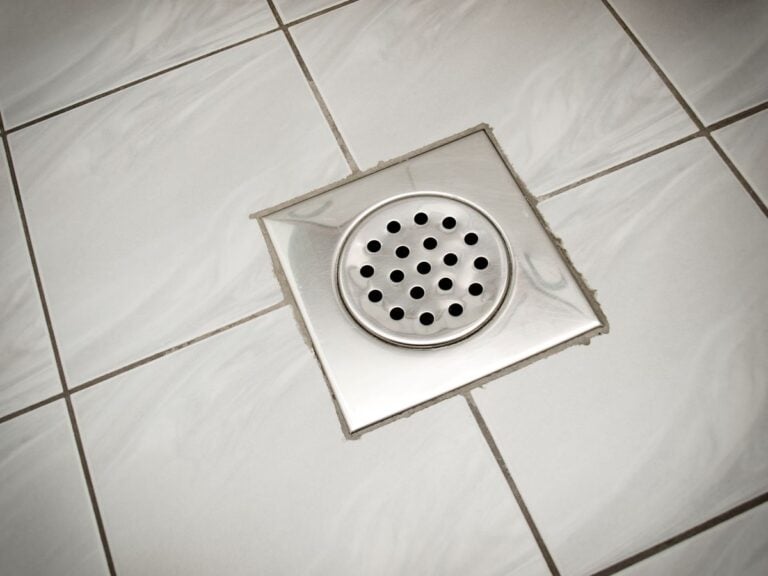
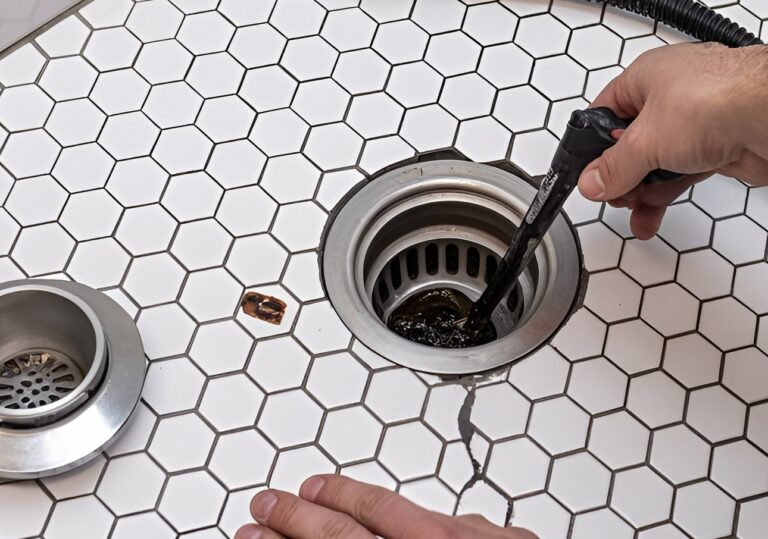
- Stop the source. Find out where the sewage is coming from, such as a floor drain, toilet, or shower. If the backup keeps returning, the main sewer line is likely blocked or damaged.
- Ventilate the space. Keep windows open and run fans that blow air outside, not through the rest of the house.
- Remove standing sewage. Use a wet vacuum or pump, and clean and disinfect the equipment when you finish.
- Throw out what cannot be saved. Carpet, padding, upholstered furniture, mattresses, cardboard, and soaked drywall usually need to go.
- Clean hard surfaces. Scrub floors, walls, and fixtures with hot water and detergent to remove all visible waste.
- Disinfect everything. Follow up with a disinfectant made for sewage contamination. Ordinary household cleaners are not enough.
- Dry, repair, and prevent. Dry the area completely, replace damaged materials, and have the sewer line inspected so you are not cleaning up again next month.

Common Mistakes During Sewage Cleanup
A rushed cleanup can cost more than the backup itself. Avoid these mistakes.
- Cleaning up without fixing the cause. If the sewer line is clogged, cracked, or full of roots, the backup will come back.
- Waiting too long. Sewage keeps soaking into materials and feeding bacteria and mold the longer it sits.
- Using everyday cleaners. Standard sprays do not disinfect sewage contamination.
- Trying to save porous items. Carpet, padding, and upholstery hold contamination you cannot see.
- Ignoring hidden damage. Sewage can travel under flooring and behind walls.
When to Call a Professional
Small spills from a single fixture can sometimes be handled safely at home. Call a professional when the backup is large, keeps happening, or reaches carpet, drywall, or a finished basement.
- For the cleanup: A licensed water damage and restoration company has the equipment to remove, disinfect, and dry large areas.
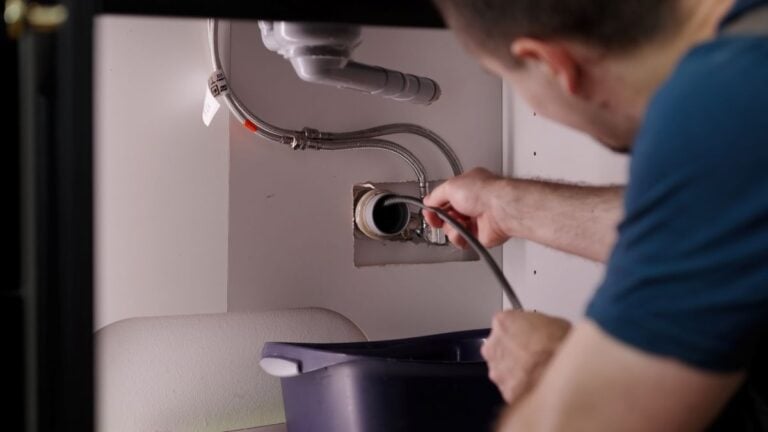
- For the cause: A sewer specialist finds out why the backup happened and fixes it. Brewer Sewer uses camera inspections to find clogs, roots, and broken pipes in older sewer systems, and professional sewer cleaning clears the blockage so wastewater flows the right way again.
- For insurance: Professional reports and photos make it easier to document your claim.
Not sure what a repair will run you? Our guide on sewer backup repair cost breaks down the main factors.

How to Prevent Another Sewer Backup
Most backups start with a problem in the sewer line that builds over time. These habits lower your risk.
- Schedule camera inspections. A sewer camera inspection can spot roots, cracks, and sagging pipe before they cause a backup.
- Watch what goes down the drain. Keep wipes, grease, paper towels, and hygiene products out of toilets and sinks.
- Clean the line. Hydro jetting scours grease, sludge, and roots from the inside of the pipe.
- Install a backflow valve. A backflow valve helps stop city sewage from flowing back into your home during heavy rain.
- Replace aging pipe. Old clay and concrete lines crack and let roots in. Trenchless sewer repair can restore the pipe without digging up your yard.
Sewage Backups in Seattle Area Homes
Seattle homeowners face a few local risks that make backups more common.
- Older homes: Many houses in the area still have original clay sewer lines that crack and shift with age.
- Heavy rain: Long rainy stretches can overload sewer lines, especially in homes with downspouts tied into the sewer.
- Tree roots: Mature trees send roots into small cracks looking for water.
If you live in Seattle, West Seattle, Renton, or Bellevue, regular sewer cleaning and inspections every few years can help you avoid an emergency.
Sewage Cleanup FAQs
Is it safe to stay in the house after a sewage backup?
It depends on the size of the backup. If sewage is limited to one small area that you can close off, you may be able to stay. If it covers living spaces, affects your only bathroom, or you smell strong sewer gas, stay somewhere else until the area is cleaned and disinfected.
How is sewage cleanup performed?
Professionals stop the source, remove standing sewage with wastewater pumps, and throw out contaminated porous materials. They then clean and disinfect every surface and dry the area with air movers and dehumidifiers.
What should you do when raw sewage backs up onto the floor?
Keep everyone away, stop using all water in the home, and put on protective gear. Remove the waste, disinfect the floor, and call a sewer pro to find out why it backed up.
How do you clean a sewer backup in a basement?
Pump or vacuum out the standing water, remove wet carpet and drywall, and disinfect the concrete and walls. Basement floor drains are often the first place a main line clog shows up, so have the sewer line inspected too.
Stop the Next Backup Before It Starts
A sewage backup is stressful, but the right steps protect your family and your home. Clean up safely, then fix the cause so it does not happen again. Contact Brewer Sewer today to schedule a sewer inspection.