
What Is a Sewer Scope Inspection? 6 Things It Reveals
Homeowners in Renton and surrounding areas often discover plumbing trouble only after it turns into a costly emergency, which is why understanding what is a sewer scope inspection matters long before a sale closes or a drain backs up. This noninvasive, specialized inspection uses a camera scope to reveal hidden damage, blockages, or aging pipe materials buried underground that would otherwise stay invisible until a failure forces the issue. Learning more about what this kind of diagnostic check can uncover helps homeowners make informed decisions and plan ahead with confidence instead of guessing at what lies beneath the yard.
Before getting into the details, here is a quick snapshot of what this guide covers:
- The real purpose behind a sewer scope inspection
- The most common problems a camera can reveal underground
- What actually happens during the inspection process
- How to use the findings to plan repairs or negotiate a home sale
- Answers to the questions homeowners ask most often

Why a Sewer Scope Inspection Protects Your Investment
For homeowners in Renton and surrounding areas, sewer inspections matter because a home’s sewer line is often the single most expensive system in the house to repair once it fails without warning. A sewer scope inspection gives current owners and home buyers a clear, evidence-based picture of pipe condition long before problems escalate into a full excavation project. This guide applies to homes on a public sewer line, not a septic tank or septic system.
- Early Problem Detection: Small cracks, root intrusion, or minor blockages are far cheaper to address than costly repairs after a collapsed line fails during an emergency.
- Stronger Negotiating Position: Buyers who order an inspection before closing can request repairs or a price adjustment if the camera reveals significant damage.
- Long-Term Savings: Catching deterioration early often lowers the potential cost of a repair compared to waiting for a full sewer line replacement.
- Peace of Mind: Knowing the exact condition of underground pipes removes the guesswork and potential health risks that come with older homes and unknown pipe history.
Industry data backs this up. According to cost research from a national home services resource, the average sewer scope inspection cost in the greater Seattle area runs about $1,781, with full sewer line replacement typically costing far more once a problem goes unnoticed for years. That gap alone explains why so many real estate agents and home inspectors now treat a sewer scope as a standard part of due diligence rather than an optional extra.
6 Things a Sewer Scope Inspection Can Reveal
A sewer scope inspection is really a diagnostic tool, and like any diagnostic tool, its value comes from the underground issues it uncovers. The waterproof camera travels the full length of the line, giving a certified inspector a real-time view and visual evidence of conditions that would otherwise remain a mystery until something goes wrong.
1. Tree Root Intrusion
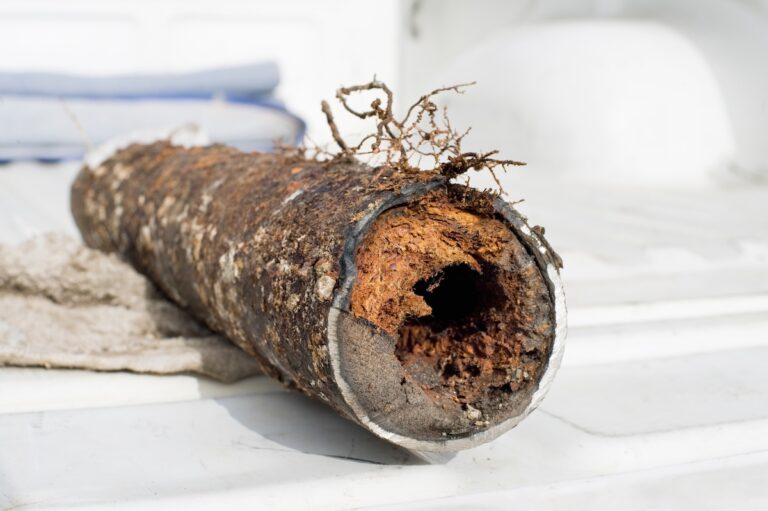
Tree roots are drawn to the moisture and nutrients inside sewer pipes, and roots growing through even the smallest crack or joint gap can expand and multiply quickly. Once inside, they gradually narrow the pipe and trap debris.
- Common near mature landscaping and large trees
- Can cause slow drains long before a full blockage develops
- Often requires root cutting or, in severe cases, pipe replacement
- Ongoing root damage can also lead to structural issues in the pipe
2. Cracked or Collapsed Pipe Sections
Age, shifting soil, and ground settling can all cause a home’s main sewer line to crack or, in more serious cases, collapse entirely into a broken sewer line. A camera inspection shows exactly where the damage starts and how far it extends.
- More common in pipes older than 40 to 50 years
- May allow soil and groundwater to seep into the line
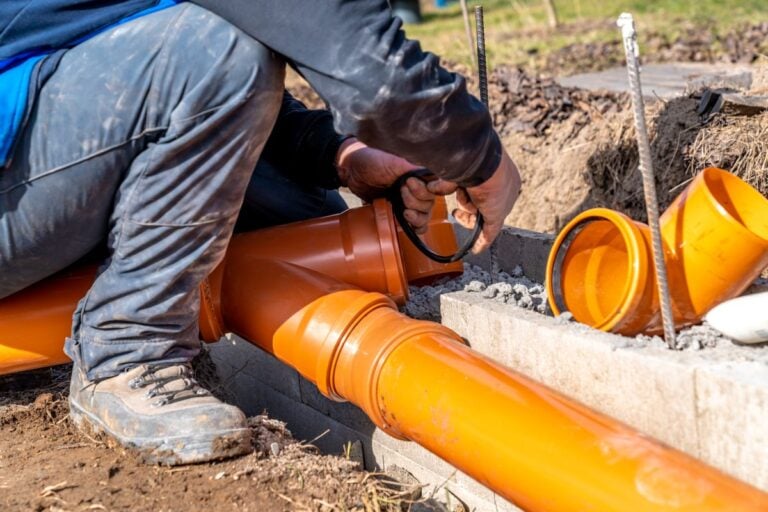
- Collapsed sections typically require excavation and pipe replacement
3. Corroded or Deteriorating Pipe Materials
Older homes sometimes still have cast iron, clay, or Orangeburg pipe, all of which break down differently than modern PVC. A sewer scope shows the internal condition of these materials so homeowners know exactly what they are working with.
- Cast iron pipes can develop rust scaling that narrows the pipe over time
- Clay pipe is prone to cracking and joint separation
- Orangeburg pipe, made from compressed wood fiber, can flatten or collapse without warning
4. Blockages and Debris Buildup
Grease, wipes, food waste, foreign objects, construction debris, and general household debris can accumulate inside a sewer line over years of normal use. A camera inspection identifies exactly where the buildup sits and how severe it has become.
- Recurring clogs in multiple fixtures often point to a mainline blockage
- Buildup can restrict flow long before a full water backup occurs
- Hydro jetting is often recommended to clear stubborn buildup
- Backups can also introduce health issues like mold growth or harmful gases
5. Bellied or Sagging Pipe Sections
A belly forms when a section of pipe sinks due to poor installation, soil erosion, or ground shifting, creating a low point where water and waste collect instead of flowing through. A sewer scope makes it possible to measure the depth and length of a belly with precision.
- Standing water in a belly can attract roots and trap solid waste
- Minor bellies may only need monitoring
- Significant bellies usually require excavation and pipe realignment
6. Misaligned or Offset Joints
Pipe joints can shift out of alignment due to settling, poor original installation, or nearby construction. Even a small offset can catch debris and start a chain reaction of buildup and blockage.
- Offsets often appear where two different pipe sections meet
- Left unaddressed, they can worsen into cracks or full separations
- Trenchless repair methods can often correct minor misalignment without full excavation
These six issues come up most often, though every line has its own history. A skilled technician can spot subtle warning signs an untrained eye might miss.

What Happens During a Sewer Scope Inspection
Understanding the process behind a sewer line inspection helps homeowners in Renton and surrounding areas know what to expect. This noninvasive process is quick and does not require any digging or disruption to the property.
Scheduling and Access Point Setup
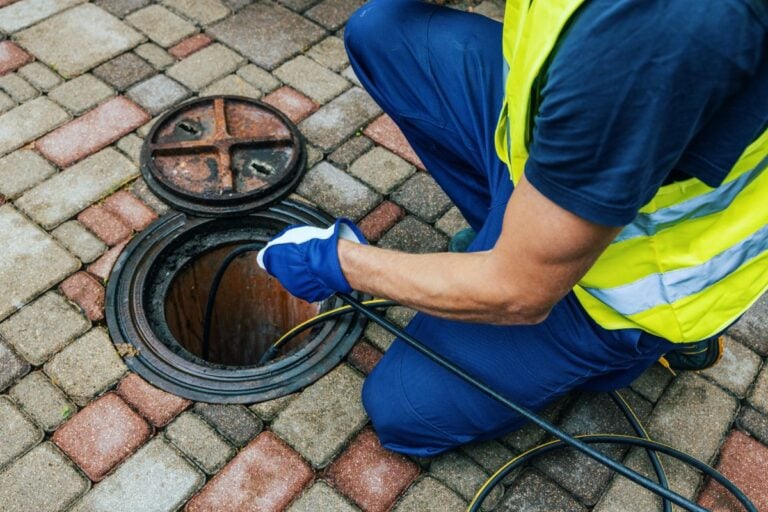
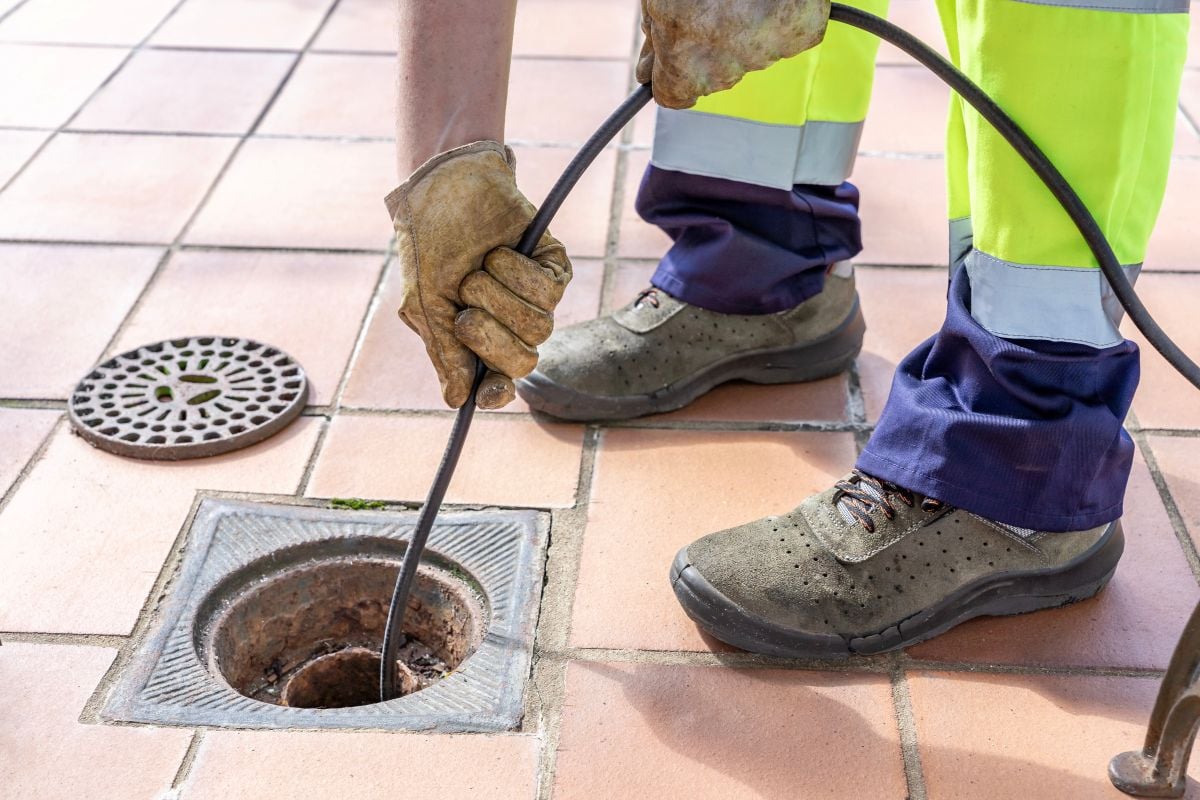
A technician identifies the best access point, usually the home’s cleanout, a roof vent, or a toilet connection, depending on the home’s plumbing layout. This determines how much of the line can be viewed in a single pass, from that point to the city connection.
Camera Insertion and Live Feed Review
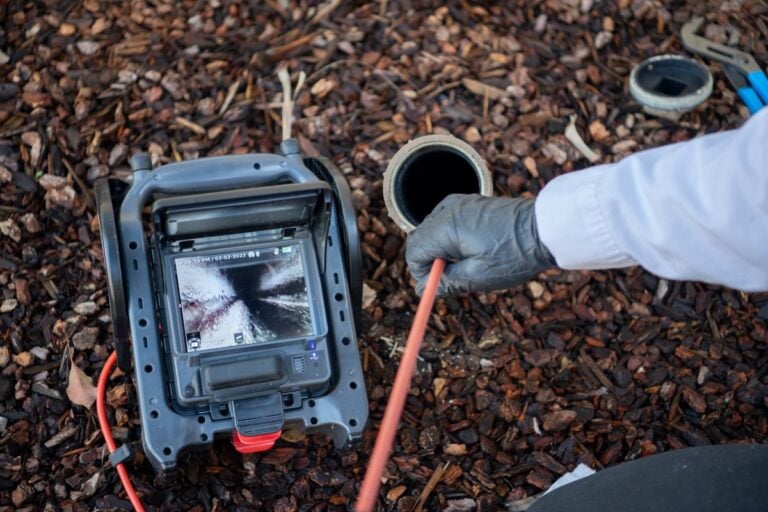
A flexible cable fitted with a waterproof, high-resolution camera is fed through the line for a live video inspection, while the technician watches the feed on a monitor. Distance markers on the cable help pinpoint the exact location of any issue found along the way.
Documentation and Reporting
Once the camera has traveled the length of the line, the technician compiles a final report noting pipe material, condition, and the precise location of any problems. This inspection report offers visual evidence homeowners can use for repairs or negotiations.
Most sewer scope inspections take less than an hour, making the entire process efficient without tearing into the yard or disrupting daily life. Homeowners walk away with a clear picture instead of a guess.
Turning Sewer Scope Findings Into a Plan
Not all pipe damage calls for the same response, and a sewer line inspection is only useful if the findings translate into a clear next step. The table below breaks down common findings alongside what they typically mean for homeowners in Renton and surrounding areas.
| Finding | What It Usually Means | Typical Next Step |
| Minor root intrusion | Early-stage issue, manageable | Root cutting and monitoring |
| Cracked pipe section | Structural weakness present | Spot repair or trenchless lining |
| Heavy corrosion | Material nearing end of service life | Partial or full replacement |
| Significant belly | Low point collecting waste | Excavation and realignment |
| Full blockage | Flow restricted or stopped | Hydro jetting or clearing service |
Reading a sewer scope report alongside a qualified plumber ensures nothing gets missed or misinterpreted. When a sewer inspection finds problems early, homeowners typically have more repair options and a lower cost.
Frequently Asked Questions About Sewer Scope Inspections
Homeowners tend to have similar questions once they learn about this diagnostic option. Whether you already suspect an issue or are wondering if you need a sewer scope, the answers below cover what comes up most often.
How long does a sewer scope inspection take?
Most inspections take between 30 minutes and an hour, depending on the length of the line and how easily the access point can be reached.
Is a sewer scope inspection messy or disruptive?
No. The process does not involve any digging or dismantling of plumbing fixtures, so it leaves the property completely undisturbed.
How often should a sewer line be scoped?
Homes with older pipe materials or mature trees nearby benefit from an inspection every one to two years, while newer homes can typically go longer between checks.
Can a sewer scope inspection be done during a real estate transaction?
Yes, and it is increasingly common. Buyers often schedule one alongside a standard home inspection before a home purchase, and sellers sometimes get a sewer scope done proactively to avoid last-minute negotiations.
What happens if the inspection finds a problem?
The technician documents the issue’s exact location and severity, which allows a plumber to recommend the most appropriate repair, whether that is a spot fix, trenchless lining, or full replacement.
These questions only scratch the surface, but they cover what comes up most consistently before and after an inspection. Anyone with a specific question about their own property should ask a licensed professional rather than guess.

Protect Your Home With a Professional Sewer Scope Inspection
A sewer scope inspection is one of the most straightforward ways to protect a home’s plumbing system before small issues become expensive emergencies. Whether buying a new property, dealing with recurring drain problems, or simply staying ahead of maintenance, a clear view of the sewer line removes uncertainty and puts homeowners in control of the outcome.
Brewer Sewer has helped homeowners throughout the region uncover hidden issues before they become costly repairs, and getting that same clarity starts with a single call. If a sewer line has not been inspected recently, or if warning signs like slow drains and foul odors have started to appear before you move in, do not wait for a small issue to become a major repair bill. Contact us today to schedule a sewer scope inspection and get a clear, camera-verified look at the condition of your sewer line.