

5 Types of Basement Floor Drains Explained
Water in your basement can go from minor inconvenience to major disaster fast. Understanding the types of basement floor drains in your home is one of the most important steps in preventing flooding, odors, and costly structural damage. Whether you live in Tacoma and surrounding areas or elsewhere, knowing how your drain system works helps you respond quickly when issues arise and recognize when it’s time to learn more about professional help for sewer backup problems.
In this guide, you will learn:
- The most common basement floor drain designs and how they work
- The advantages and limitations of each drain type
- Warning signs that your floor drain needs attention
- How to maintain and protect your basement from water damage
Why Basement Floor Drains Matter More Than You Think
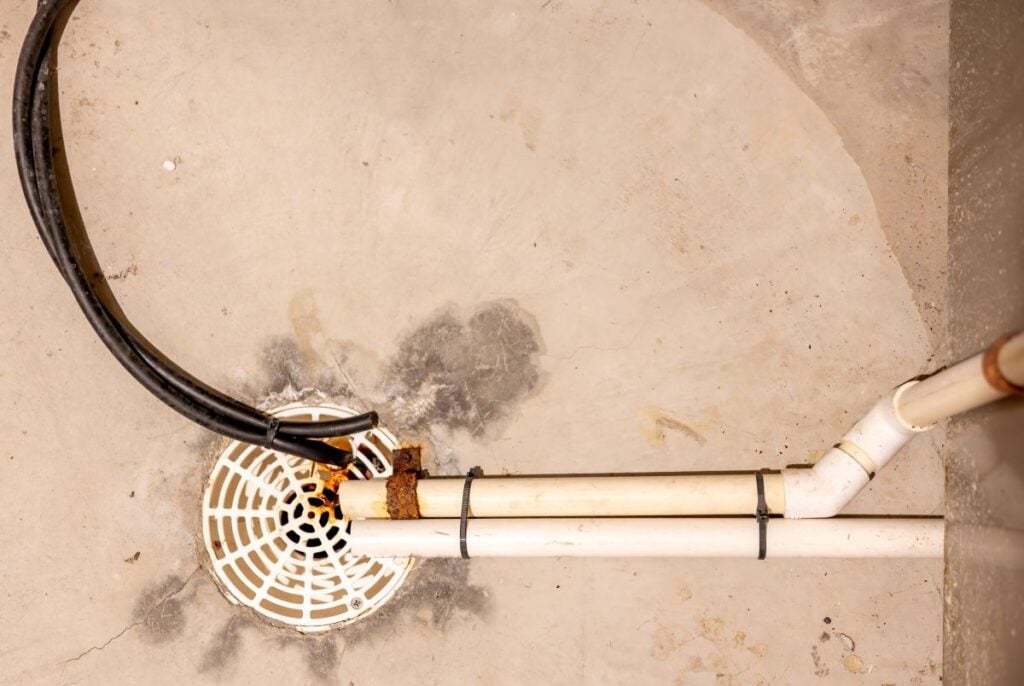
Basement floor drains are often overlooked until something goes wrong. Yet they play a critical role in protecting your foundation, belongings, and indoor air quality. In homes throughout Tacoma and surrounding areas, seasonal rain and groundwater pressure can put serious strain on drainage systems.
According to the Federal Emergency Management Agency, just one inch of floodwater can cause up to $25,000 in damage to a home, highlighting how quickly basement water issues can escalate into major financial losses. A compromised or overwhelmed floor drain can be the difference between a minor cleanup and extensive structural repairs.
When your basement floor drain is working properly, it quietly carries excess water away from your home. When it fails, water has nowhere to go.
Here’s why understanding your drain system is so important:
- Flood Prevention: Floor drains provide a direct escape route for water from heavy rains, burst pipes, or appliance leaks.
- Sewer Gas Protection: Many drains include traps that block harmful and foul-smelling sewer gases from entering your home.
- Foundation Protection: Proper drainage reduces hydrostatic pressure around your foundation walls.
- Mold and Mildew Control: Effective water removal limits moisture buildup that leads to mold growth.
- Early Problem Detection: Knowing your drain type makes it easier to spot abnormal behavior, such as slow drainage or gurgling sounds.
A well-functioning drain system is not just about convenience. It is a key part of your home’s overall plumbing and structural health.
5 Most Common Types of Basement Floor Drains
Not all basement drains are built the same. The design, materials, and added features determine how each system handles water and waste. Below are the most common types of basement floor drains you may find in homes.
1. Standard Floor Drain
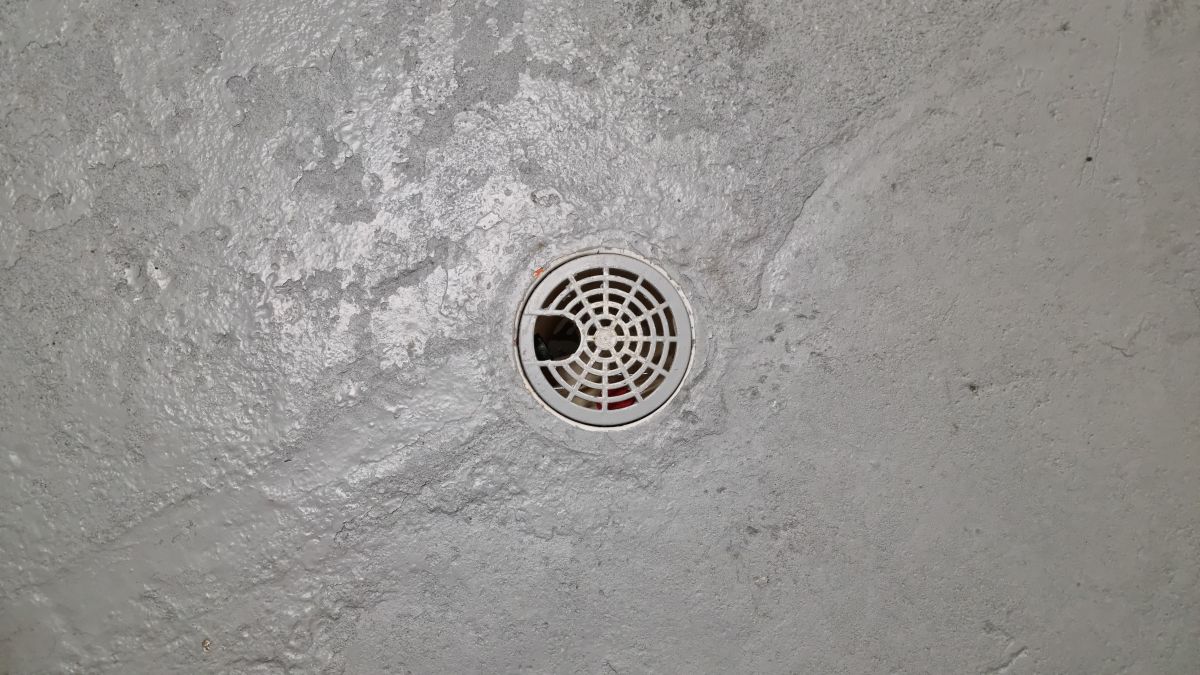
The standard floor drain is the most common type found in residential basements. It typically consists of a grated opening in the floor connected to a drainpipe and a P-trap beneath the surface.
This design allows water to flow into the drain while the P-trap holds a small amount of water to block sewer gases from entering the home.
Key features include:
- A removable metal or plastic grate
- A curved P-trap to seal out odors
- A direct connection to the main sewer line
These drains are simple and effective. However, they rely on gravity and can become clogged with debris, hair, sediment, or soap residue. Regular cleaning is essential to keep them functioning properly.
2. Bell Trap Drain
Bell trap drains are often found in older homes. Unlike modern P-trap systems, bell traps use a metal bell-shaped cover that sits inside the drain body.
Water flows under the bell and into the pipe below. While this design was common decades ago, it is now considered outdated in many areas.
Important characteristics:
- No true water seal like a P-trap
- More prone to sewer gas leaks
- Greater risk of clogging due to debris buildup
Because bell traps do not provide a consistent water barrier, they may allow odors to enter the basement. Many homeowners in Tacoma and surrounding areas choose to replace bell traps during renovations to improve efficiency and meet updated plumbing standards.
3. Backwater Valve Floor Drain
A backwater valve drain includes a built-in device that prevents sewage from flowing backward into the home during heavy rain or municipal sewer overload.
This type of drain is especially valuable in areas prone to storms or where basements sit below street level.
How it works:
- Under normal conditions, water flows out freely
- During a sewer backup, a flap or float mechanism automatically closes
- The valve blocks reverse flow until pressure normalizes
Backwater valve systems are one of the most effective protections against basement flooding caused by sewer surcharges. They do require periodic inspection to ensure the valve moves freely and is not obstructed by debris.
4. Interior French Drain with Floor Inlet
An interior French drain system is installed around the perimeter of the basement floor. While technically part of a larger waterproofing system, it often connects to one or more floor inlets.
This type of drain collects groundwater before it reaches the center of the basement floor.
System components typically include:
- A trench filled with gravel and perforated piping
- A connection to a sump pump basin
- Floor-level access points for water entry
Interior French drains are particularly effective for homes with chronic groundwater seepage. Rather than waiting for water to pool, they redirect it proactively.
5. Sump Pump Floor Drain System
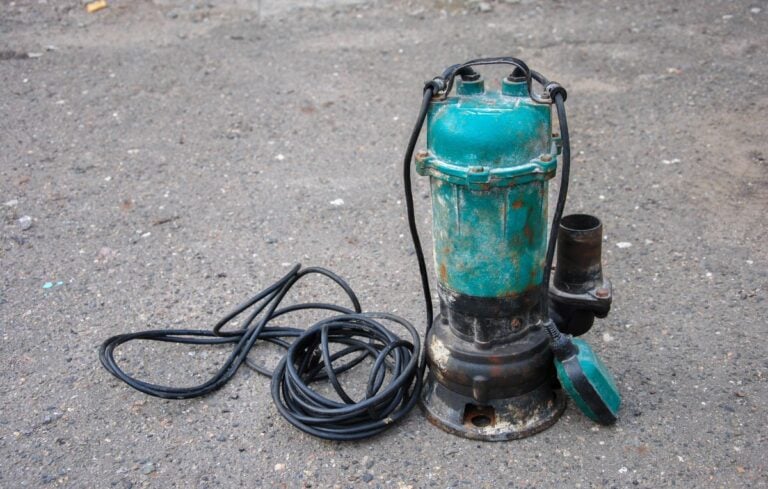
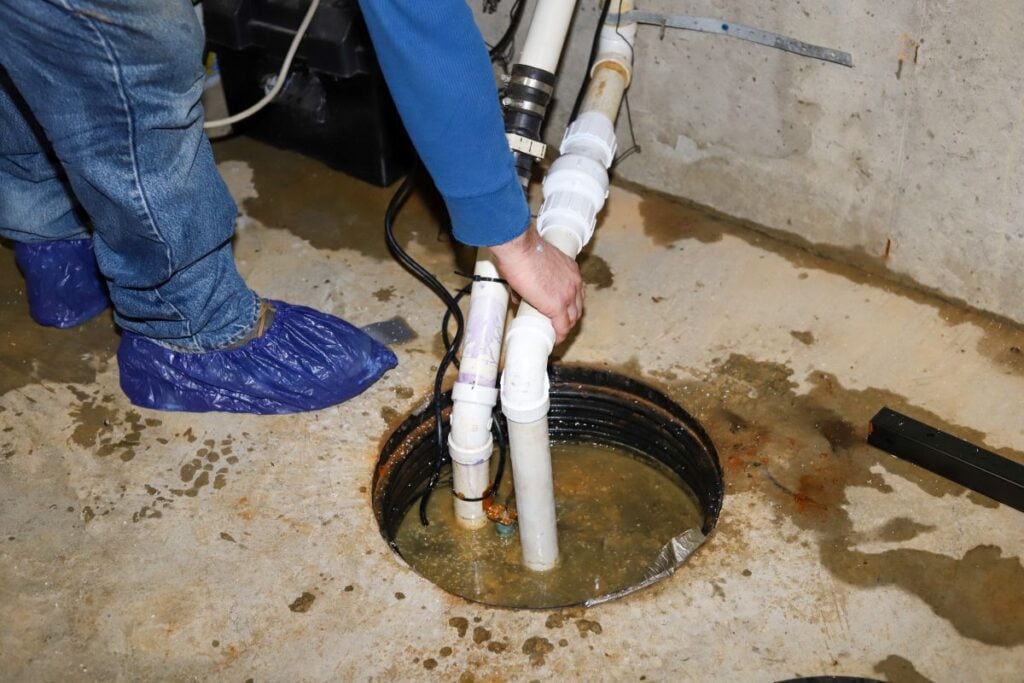
Some basement floor drains work in conjunction with a sump pump. Instead of relying solely on gravity, this system collects water in a sump basin and actively pumps it away from the home.
This type of setup is common in homes with high water tables or frequent storm activity.
Advantages include:
- Active water removal during heavy rainfall
- Protection against foundation seepage
- Greater control over discharge location
Sump pump systems require electricity to operate, so many homeowners install battery backups for added security.
Signs Your Basement Floor Drain Needs Attention
Even the best drainage system can fail if not properly maintained. Recognizing early warning signs can prevent extensive damage and expensive repairs.
If you notice any of the following, it may be time to investigate further.
Slow Drainage
Water that lingers around the drain after a spill or appliance discharge often signals a developing clog. Sediment, soap residue, and debris can accumulate gradually inside the pipe.
Addressing slow drainage early can prevent a full blockage.
Foul Odors
A strong sewer smell in the basement may indicate a dry P-trap, a cracked pipe, or a failing seal. Pouring water into infrequently used drains can sometimes restore the trap barrier. If odors persist, a deeper issue may be present.
Gurgling Sounds
Unusual gurgling noises often point to ventilation or pressure issues in the plumbing system. These sounds may occur when water drains from upstairs fixtures.
Persistent gurgling should be evaluated to rule out vent blockages or developing sewer line problems.
Water Backing Up
Water rising through the floor drain is a serious red flag. This typically indicates a blockage or a sewer surcharge condition.
If this happens, immediate action is critical to minimize contamination and structural damage.
Maintenance Tips to Keep Basement Drains Working Properly
Preventive care is one of the most effective ways to avoid major basement drainage issues. A few simple habits can significantly extend the life of your floor drain system.
Below are practical steps homeowners in Tacoma and surrounding areas can take to protect their basements.
Routine Cleaning
Remove the drain cover periodically and clear visible debris. Use a flashlight to inspect for buildup. A wet dry vacuum can help remove loose sediment before it compacts deeper in the pipe.
Flush With Water
Pour a bucket of water into rarely used drains every few months. This helps maintain the P-trap water seal and prevents sewer gases from escaping.
Avoid Chemical Drain Cleaners
Harsh chemicals can damage pipes over time and may not fully resolve clogs. Mechanical cleaning or professional hydro jetting is often safer and more effective.
Schedule Professional Inspections
A licensed plumbing professional can inspect your system with specialized tools such as sewer cameras. Early detection of cracks, root intrusion, or pipe misalignment prevents more serious failures.
Choosing the Right Drain System for Your Home
Not every home requires the same drainage solution. The right system depends on your basement layout, elevation, soil conditions, and local climate patterns.
If you are building, remodeling, or upgrading your basement in Tacoma and surrounding areas, consider the following factors.
Home Elevation and Sewer Line Depth
Homes with basements below street level are more vulnerable to sewer backups. Installing a backwater valve or sump pump may be strongly recommended in these situations.
Water Table Conditions
Properties with high groundwater levels benefit from interior French drains or sump systems that actively manage water infiltration.
Age of Plumbing System
Older homes may still have bell trap drains or outdated piping materials. Upgrading to modern systems improves reliability and code compliance.
Budget and Long Term Value
While advanced systems may have higher upfront costs, they often prevent far more expensive flood restoration and structural repairs later.
Consulting with experienced professionals ensures your drainage system matches your specific risk profile.
Protect Your Basement with Confidence
Understanding the types of basement floor drains in your home gives you the knowledge to prevent water damage, reduce odors, and protect your foundation. From standard P-trap drains to advanced backwater valve systems, each design plays a unique role in keeping your basement dry and safe.
If you are experiencing slow drainage, foul smells, or water backup, do not wait for the problem to escalate. The team at Brewer Sewer has the expertise to diagnose and resolve basement drain issues quickly and effectively. For trusted help in Tacoma and surrounding areas, contact us today and restore peace of mind in your home.