Trenchless Sewer Repair Cost: 8 Things That Move the Price
Few home repairs cause more budget anxiety than broken pipes underground. Homeowners want to know what they will pay before any sewer line repair begins, and the trenchless sewer repair cost can vary widely from one property to the next. In Tacoma and surrounding areas, older neighborhoods, mature trees, and hilly lots all shape the final number. Understanding what drives the price makes fixing a failing line without tearing up the yard far less stressful, and it helps you compare estimates with confidence.
At a glance, this guide covers:
- The eight biggest cost factors behind a trenchless sewer line repair
- What a complete, trustworthy estimate should include
- How common sewer line problems compare in scope and cost
- Answers to the questions homeowners ask most often
Why Knowing the Price Drivers Saves You Money
A sewer estimate is not a single number pulled from a chart. The total cost reflects several factors, including the condition of the damaged pipe, the pipe location on your property, and the trenchless techniques best suited to the damage. When you understand those pieces, you can spot a fair quote, ask better questions, and avoid paying for work you do not need.
Here is why that knowledge pays off:
- Smarter Budgeting: Knowing which factors raise or lower what homeowners pay helps you plan realistically instead of reacting to a surprise bill.
- Easier Quote Comparisons: When two estimates differ, you can see whether the gap comes from how many feet are included, the method, or extra prep work.
- Fewer Unexpected Add-Ons: Asking about permits, cleaning, and restoration upfront keeps additional costs from appearing later.
- Better Long-Term Value: The cheapest option is not always the most cost effective one, and understanding the tradeoffs helps you choose a repair that lasts.
For a national baseline, trenchless repairs typically run $60 to $250 per foot, which shows how wide trenchless price ranges are between small repair jobs and complex ones. Where your trenchless cost lands in that range depends on the factors below.
8 Factors That Determine Your Trenchless Sewer Repair Price
Every property has its own combination of pipe conditions and site challenges. Some factors affect the price only slightly, while others can double the scope of the job. Here are the eight that matter most.
1. Length of the Damaged Section
Since most trenchless work is priced by the linear foot, length is usually the biggest single factor. A short cracked section near the foundation costs far less than lining the entire line from the house to the street connection.
- Spot repairs and small scale pipe lining cover only a few feet of sewer pipe
- Full-length lining or replacement covers the whole lateral
- Longer runs require more material and more crew time
2. The Repair Method
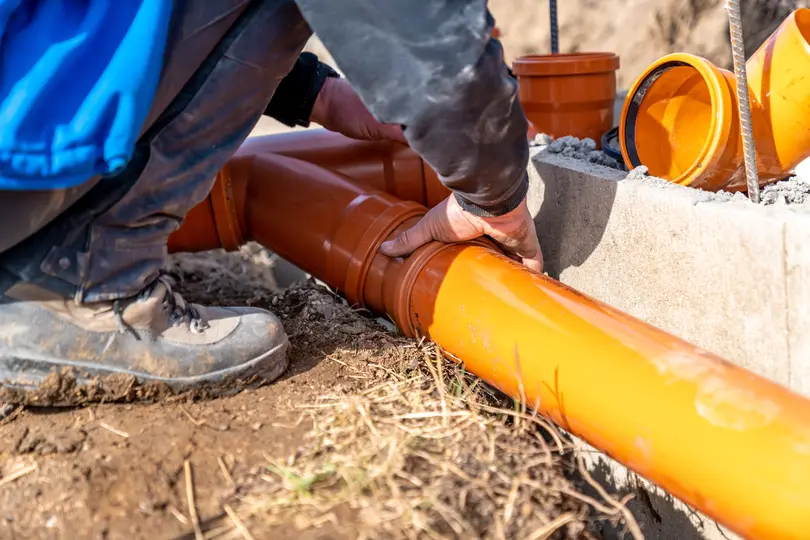
Trenchless technology is not one technique. Pipe relining with cured in place pipe inserts a liner soaked in epoxy resin into the host pipe, then cures it with hot water or steam to form a new pipe inside the old pipe. Pipe bursting pulls a bursting head through the line, breaking the old pipe apart while new pipe follows behind. Each of these replacement methods uses different specialized equipment, materials, and labor costs, so the method your line needs has a direct effect on price.
3. Pipe Diameter and Material
Pipe diameter affects material costs, since larger pipes need more liner material or larger replacement pipe. The existing pipe material also matters. Clay, cast iron, and older composite pipes each behave differently during lining or bursting, and some need extra preparation before work can begin.
4. Depth and Access Points
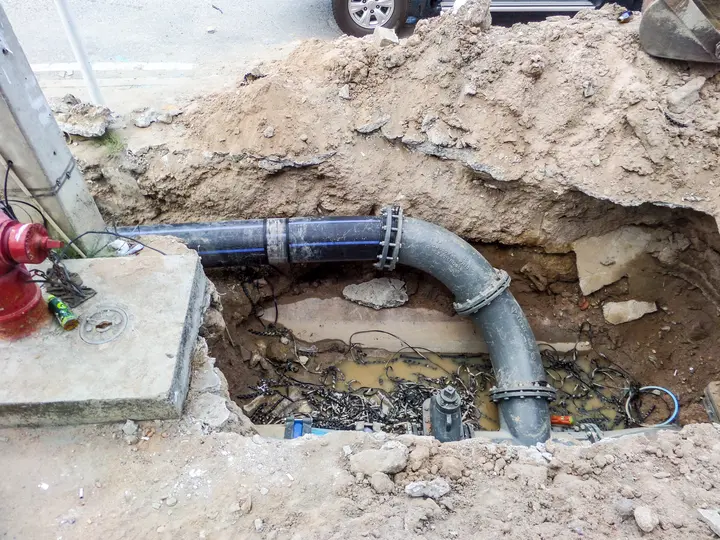
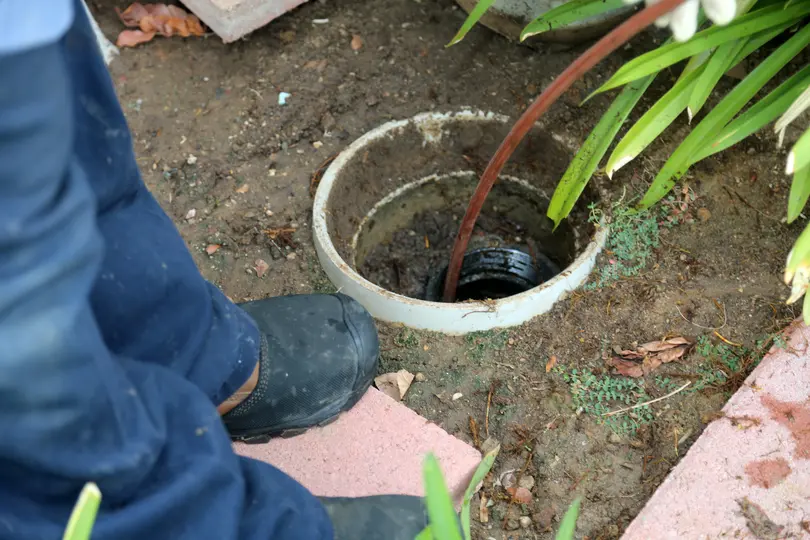
Trenchless does not always mean zero digging. Most jobs use an existing cleanout or one or two small access pits. Pipe depth matters, since shallow pipes with a convenient cleanout are simpler than a deep line where crews need additional excavation near a foundation or under a driveway.
- Deep lines require larger, safer access pits
- Missing cleanouts may need to be installed first
- Tight spaces, soil conditions, and underground obstacles can slow equipment setup
5. Pipe Condition and Prep Work
A liner needs a clean, clear surface to bond properly. Lines packed with roots, grease, or scale must be cleaned before any sewer pipe repair, often with hydro jetting or mechanical root cutting. Heavily deteriorated pipe may need more extensive prep or a different method altogether.
6. Bends, Offsets, and Connections
Straight runs are the easiest to line or burst. Each bend, offset joint, or branch connection adds complexity, since crews may need to reinstate connections to drain lines or work around tight turns. Older homes, and commercial properties with multiple lines, often have more of these quirks than newer construction.
7. Permits and Inspections
Most municipalities require a permit for sewer work, and some require inspections before and after the repair. Permit fees and inspection scheduling vary by jurisdiction, so homeowners in Tacoma and surrounding areas should expect these to appear as separate line items on a thorough estimate.
8. Surface Restoration
One of the biggest advantages of trenchless solutions is minimal property disruption, which also reduces soil displacement and environmental impact. Still, access pits may need to be patched, and if a pit lands under pavers, concrete, or a finished lawn, restoration adds to the total.
Most homeowners find that two or three of these factors account for the majority of their final price. A sewer camera inspection before work begins is the best way to pinpoint the exact location of the damage and see which factors apply, so the quote reflects real conditions instead of guesswork.
What a Complete Trenchless Repair Estimate Should Include
A reliable estimate does more than list a total at the bottom of the page. It should explain what work is being done, why it is needed, and what is included in the price. When an estimate leaves out key details, unexpected charges are more likely later.
Look for these elements in every quote:
- Camera Inspection Results: A clear summary of the pipe’s condition, ideally with video footage you can review.
- Recommended Method: An explanation of why trenchless sewer line replacement, lining, or a spot repair is the best fit for your line.
- Total Footage: The exact length of pipe being repaired or replaced, which makes comparisons between quotes much easier.
- Prep Work: Any cleaning, root removal, or descaling needed before the repair begins.
- Permits and Fees: Whether permit costs and inspections are included or billed separately.
- Restoration Details: What happens to access pits and surfaces once the work is complete.
- Warranty Terms: How long the repair is covered and what the warranty includes.
If an estimate is missing several of these items, it is worth asking follow-up questions before signing. It also pays to check contractor experience and references from real world projects, since clear answers are a good sign the line was evaluated carefully.
How Common Repair Scenarios Compare
Not every problem in the sewer system calls for the same solution on residential and commercial properties alike. The scope of damage shapes the method, and the method shapes the price. This comparison shows how typical situations differ so you can picture where your project might fall.
| Scenario | Typical Approach | Main Cost Drivers | Relative Scope |
| Single crack or root entry point | Spot repair or sectional liner | Access, prep cleaning | Small |
| Multiple cracks along the line | Full-length cured in place pipe lining | Total footage, pipe diameter | Moderate |
| Undersized or badly deteriorated pipe | Pipe bursting with new pipe | Access pits, length, depth | Moderate to large |
| Collapsed section from ground movement | Partial excavation plus trenchless repair | Digging, restoration, length | Large |
| Heavy roots with sound pipe | Root cutting followed by lining | Prep work, footage | Small to moderate |
Seeing the scenarios side by side makes one point clear: the same home can have very different costs depending on what the camera finds. Homeowners in Tacoma and surrounding areas with older clay laterals often fall into the multiple-crack or root-related categories, which suit trenchless systems well.
It also helps to remember that a cured in place liner slightly reduces the inside diameter of the pipe. For lines that are already small, pipe bursting may be the better long-term choice, even if it involves a bit more access work.
Frequently Asked Questions About Trenchless Sewer Repair Costs
Pricing questions come up in almost every conversation about sewer work. These quick answers address the ones homeowners ask most often.
Is trenchless sewer repair cheaper than traditional excavation?
Not always. Trenchless methods can cost more per foot than dig and replace repairs, but open trench excavation disturbs the surrounding soil and often requires re landscaping, new driveways, and walkway repairs. When those restoration savings are counted, trenchless often helps homeowners save money compared to traditional repair methods.
Why do quotes from different companies vary so much?
Quotes differ based on whether traditional methods or trenchless sewer replacement is recommended, the footage included, and whether prep work, permits, and restoration are part of the price. Comparing itemized estimates makes the differences easier to understand.
Does homeowners insurance cover trenchless sewer repair?
Coverage depends on your policy and the cause of the damage. Gradual wear and root intrusion are often excluded, so it is best to check with your insurer before the work begins.
How long does a trenchless repair take?
Many residential trenchless sewer line jobs are finished in one or two days, while traditional repairs often take longer because of digging and backfilling. Larger projects with multiple access points may take a little longer.
Can I get a firm price without a camera inspection?
A reliable price depends on seeing inside the pipe. Without an inspection, any number is only a rough guess that may change once work begins.
If you still have questions about your specific line, a professional inspection is the fastest way to get clear, accurate answers. Real footage of your pipe turns a vague estimate into a dependable plan.
Get a Clear Price on Your Sewer Repair
Understanding what drives sewer line replacement costs puts you in control of one of the most important repairs your home will ever need, whether that means a full sewer line replacement or a targeted fix. When you know which factors apply to your line, you can budget confidently and choose a solution that lasts for decades.
Brewer Sewer helps homeowners in Tacoma and surrounding areas get honest answers backed by camera inspections and detailed, itemized estimates. If your sewer line is showing signs of trouble, contact us today to schedule an inspection and find out exactly what your repair will involve.