
Pipe Bursting vs Pipe Lining: 6 Key Differences Explained
When your sewer line starts failing, the repair method you choose affects your yard, your budget, and your timeline more than you might expect. Understanding pipe bursting vs pipe lining helps you ask the right questions and make a confident decision before any digging begins. Homeowners across Tacoma and surrounding areas dealing with pipe damage or aging sewer lines often qualify for a modern solution that avoids the disruption of traditional excavation, like the kind of work involved in a full trenchless sewer line replacement.
What you’ll learn in this post:
- The core difference between pipe bursting and pipe lining
- Which method works best depending on pipe condition and damage type
- How each approach affects your yard, timeline, and cost
- When one method is clearly better than the other
- What to expect during the installation process for each
- How to choose the right contractor for the job

Why the Method You Choose Matters More Than You Think
Many homeowners assume all trenchless repairs are essentially the same. They are not. The method your contractor uses will determine how long the repair lasts, whether your landscaping survives intact, and whether the problem is fully resolved or just temporarily managed. Choosing the wrong approach for your pipe condition can lead to repeat failures, unexpected costs, and significant frustration down the road.
Here is why getting this right matters for homeowners in Tacoma and surrounding areas:
- Long-term pipe integrity: The right method reinforces or replaces the pipe structurally, giving you decades of reliable performance instead of a short-term patch.
- Cost efficiency: Selecting the appropriate technique from the start avoids expensive re-work, additional inspections, and the labor costs that come with a second round of repairs.
- Property protection: Some methods require no digging at all, while others require minimal access points. Knowing the difference means you can protect your landscaping, driveway, and foundation.
- Code compliance: Local regulations in Tacoma and surrounding areas may influence which repair methods are approved, especially in older neighborhoods with clay or cast iron pipes.
Both pipe bursting and pipe lining are legitimate, proven trenchless technologies. The key is understanding how each one works and when each is the right call for your pipe repair needs.
6 Key Differences Between Pipe Bursting and Pipe Lining
These two methods share a trenchless approach but diverge significantly in how they work, what they require, and what results they deliver. Here is a breakdown of the six most important differences to understand before choosing a repair path.
1. How the Process Works
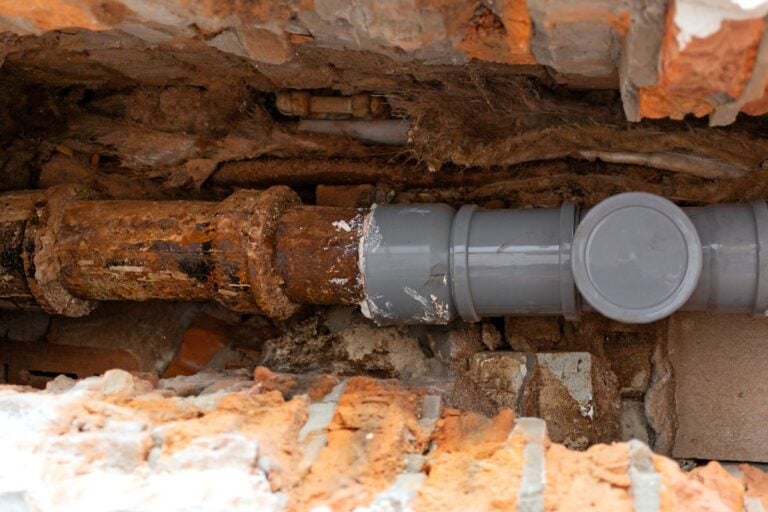
Pipe lining, also called cured-in-place pipe (CIPP) lining, involves inserting a flexible liner coated with epoxy resin into the existing pipe. The liner is inflated and cured using heat or UV light, hardening into a new pipe inside the old one. No pipe is removed — the damaged pipe essentially becomes the mold.
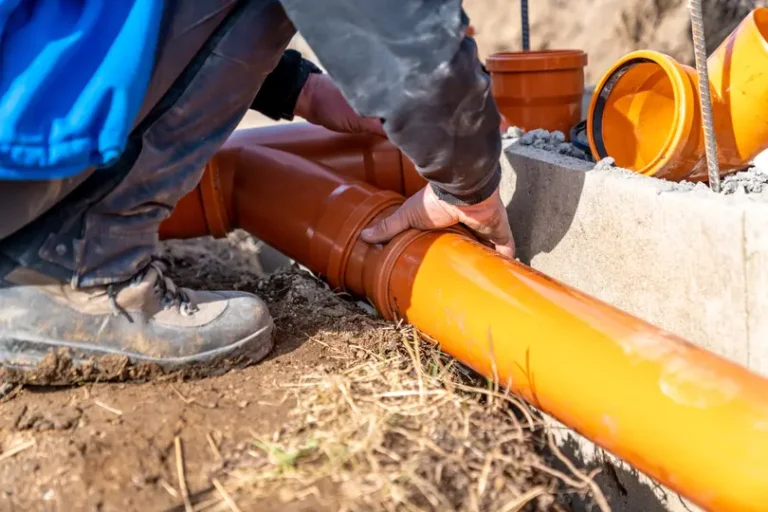
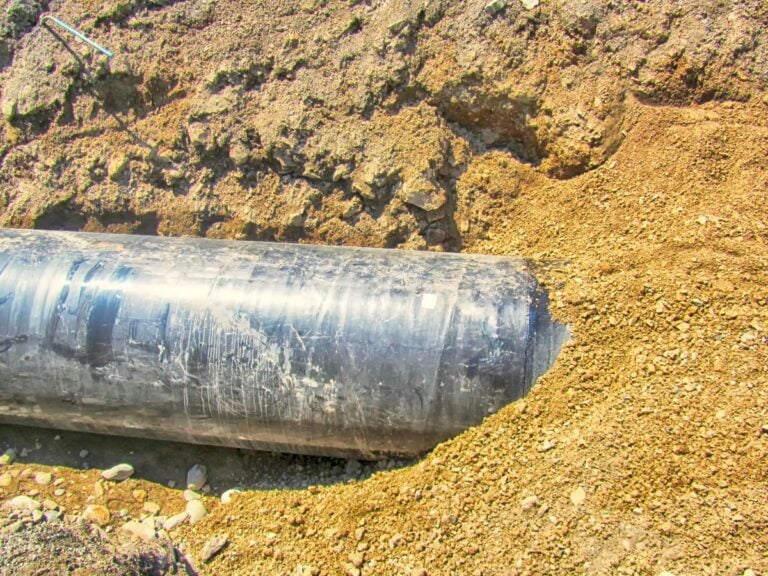
Pipe bursting works differently. A bursting head is pulled through the existing pipe, fracturing it outward into the surrounding soil while simultaneously pulling a brand new pipe into place behind it. The old pipe is destroyed and replaced rather than relined.
- Lining: adds a new interior surface inside the existing pipe
- Bursting: destroys the old pipe and installs an entirely new one
- Both methods typically require only small access pits at each end of the affected section
- Lining can navigate bends and turns in the pipe run without additional digging; bursting is designed for straight lateral runs only and cannot follow curves
2. Pipe Condition Requirements
This is one of the most critical differences. Pipe lining requires the existing pipe to retain enough structural integrity to serve as a host for the liner. If the pipe has collapsed, is severely offset at joints, or has significant root intrusion that cannot be cleared, lining may not be viable.
Pipe bursting is far more forgiving on pipe condition. Because the process is essentially a full pipe replacement rather than a rehabilitation, it does not matter if the pipe is heavily cracked, partially collapsed, or badly deteriorated.
- Lining works best on pipes with cracks, minor root intrusion, or corrosion — and performs particularly well with PVC and structurally sound clay or cast iron
- Bursting is preferred when the pipe is structurally compromised or beyond rehabilitation, and is the go-to solution for Orangeburg, severely corroded cast iron, or clay with separated joints
- A video inspection is essential to determine which method is appropriate before any work begins
3. Impact on Pipe Diameter
Pipe lining reduces the interior diameter slightly because the liner is installed inside the existing pipe. In most cases this reduction is minimal and does not noticeably affect flow capacity, though it is worth noting for pipes that are already undersized. In fact, the smooth epoxy surface of a cured liner often improves flow rates enough to offset the minor diameter reduction. One important limitation to note: if a pipe has a belly — a low sag point where water collects — lining will simply follow that sag rather than correct it, and the drainage problem will persist.
Pipe bursting can actually increase the pipe diameter if needed. Because a new pipe is being pulled in as the old one is destroyed, contractors can install a larger pipe than what was originally there. This makes bursting appealing when a homeowner wants to upgrade capacity alongside the repair.
- Lining slightly reduces interior diameter
- Bursting maintains or increases diameter depending on the replacement pipe selected
- Upsizing can be a significant advantage in older homes with undersized original pipes

4. Installation Time and Process
Both methods are faster than traditional open-cut excavation, but they differ in how the work unfolds on your property. Pipe lining typically takes one to two days for most residential jobs. The liner needs time to cure, which adds some waiting before the pipe is fully back in service. When it comes to surface disruption, lining has a distinct advantage: it can often be accessed through existing cleanouts with no digging at all, leaving landscaping, driveways, and hardscaping completely untouched.
Pipe bursting can often be completed in a single day for standard residential sewer lines. There is no curing period since the new pipe is fully functional as soon as it is in place, giving bursting a clear speed advantage for homeowners who need quick restoration. However, bursting requires at least two access pits — one at each end of the affected run — which may mean cutting through a small section of concrete or disturbing a planted area, even if the disruption is far less than traditional excavation.
- Lining: one to two days with a curing window before full use
- Bursting: often completed in one day with no cure time required
- Both methods cause far less disruption than traditional excavation, but lining typically leaves the surface more intact since it requires no access pits when existing cleanouts are available
5. Material and Longevity
The materials used in each method carry different performance profiles. Cured-in-place liners are made from epoxy-saturated felt or fiberglass and are designed to last 50 years or more when properly installed. They are highly resistant to root intrusion and corrosion.
Pipe bursting installs a new high-density polyethylene (HDPE) pipe, which is one of the most durable materials available for underground pipe work. HDPE is flexible, resistant to cracking, and carries an expected lifespan of 50 to 100 years. Both materials are excellent, but HDPE’s flexibility gives it an edge in areas with shifting soil.
- Lining uses epoxy-cured liner with a 50-plus year lifespan
- Bursting installs HDPE pipe rated for 50 to 100 years
- Both far outlast traditional clay, cast iron, or Orangeburg pipe materials
6. Cost Considerations
Costs vary based on pipe length, depth, access, and local labor rates. Generally speaking, pipe lining tends to be slightly less expensive than pipe bursting for comparable lengths, because it does not require pulling a new pipe through the ground. The cost difference is often smaller than homeowners expect.
When a pipe is severely deteriorated or when upsizing is desired, pipe bursting becomes more cost-effective because it solves the problem completely rather than rehabilitating a compromised structure. Homeowners in Tacoma and surrounding areas should get a full assessment before comparing quotes, since the visible cost difference between methods rarely tells the whole story.
- Lining is typically lower upfront for mild to moderate damage
- Bursting may cost slightly more initially but can be the better value for badly damaged pipes
- Both pipe bursting and pipe lining are excellent solutions when matched correctly to the problem at hand.
Getting a clear-eyed estimate means understanding not just the upfront price, but the long-term value of the repair approach. A method that costs more today but eliminates repeat failure is almost always the better investment.
How to Evaluate Your Situation Before Choosing a Method
Before committing to either pipe bursting or pipe lining, it helps to approach the decision with a clear framework. A quality contractor will walk you through this process, but knowing what questions to ask puts you in a stronger position from the start.
- Start with a video inspection. A camera inspection of your sewer line is the only reliable way to assess what you are dealing with. It reveals the extent of damage, the pipe material, and whether the pipe has enough structural integrity for lining.
- Consider your goals beyond the repair. If you are planning a home addition, bathroom remodel, or landscape upgrade, you may want to factor in capacity upgrades, which pipe bursting can accommodate. If preserving your current setup with minimal disruption is the priority, lining may be the cleaner choice.
- Ask about warranties. Reputable contractors stand behind their work with clearly documented warranties on both materials and labor. Ask specifically whether the warranty covers the liner or pipe material, workmanship, and any future root intrusion or joint failure.
- Verify contractor credentials. Trenchless sewer repair requires specialized training and equipment. Look for contractors who are licensed, insured, and have documented experience with the specific method they recommend.
Taking time to evaluate these factors before work begins gives you far more confidence the job will be done right the first time.

Matching the Right Method to the Right Problem
Ultimately, the choice between pipe bursting and pipe lining is not about which method is generally better. It is about which method fits your specific pipe condition, budget, property needs, and long-term goals. A severely deteriorated pipe in a home built in the 1960s calls for a different solution than a cracked pipe with minor root damage built 20 years ago. Context drives the decision every time.
If you are unsure which direction makes sense for your situation, the team at Brewer Sewer is ready to help. We perform thorough video inspections, explain your options clearly, and deliver quality trenchless repairs that protect your property and your budget. Contact us today to schedule an assessment and get the answers you need.