Sewer Line Replacement Cost Bellevue WA: FAQ
Learning that your sewer line needs to be replaced is stressful, and the first thing most homeowners want to know is what it will cost. The sewer line replacement cost in Bellevue depends on the length and depth of your line, the replacement method, and what sits above the pipe. Understanding those factors makes it easier to compare bids and decide whether replacing the line without digging a long trench is the right fit for your property. Below are clear answers to the questions homeowners in Bellevue and surrounding areas ask most.

Typical Replacement Costs
Every project is unique, but national figures offer a helpful starting point. These answers explain what homeowners typically pay and why local quotes can differ.
Q: How much does sewer line replacement usually cost?
A: National data shows that homeowners typically pay between $1,253 and $4,701 to replace a sewer line, with an average of about $2,914. Longer lines, deep pipes, and difficult access can push a project well beyond that range, so your local quote may land higher or lower.
Q: Is replacement priced by the foot?
A: Often, yes. Many contractors price replacement per linear foot, with trenchless methods commonly falling between $60 and $250 per foot. Others quote a flat rate based on the full scope of work. Either way, ask for an itemized estimate so you can see exactly what is included.
Q: Why might a Bellevue quote be higher than national averages?
A: Local labor rates, permit requirements, and site conditions all affect pricing in a big way. Many Bellevue properties have mature landscaping, sloped lots, long driveways, or hardscaping over the sewer line. Each of these adds time and restoration work, which can raise the final cost compared to a simple, easy-access replacement.
Factors That Affect the Price
Two homes on the same street can receive very different estimates. Here is what typically moves the number up or down.
Q: What has the biggest impact on cost?
A: Line length, depth, and location matter most. A short, shallow line under open lawn costs far less than a long, deep line under a driveway, patio, or slab. The more surface that must be removed and restored, the higher the total will be, especially when concrete or asphalt is involved.
Q: Does the type of pipe damage matter?
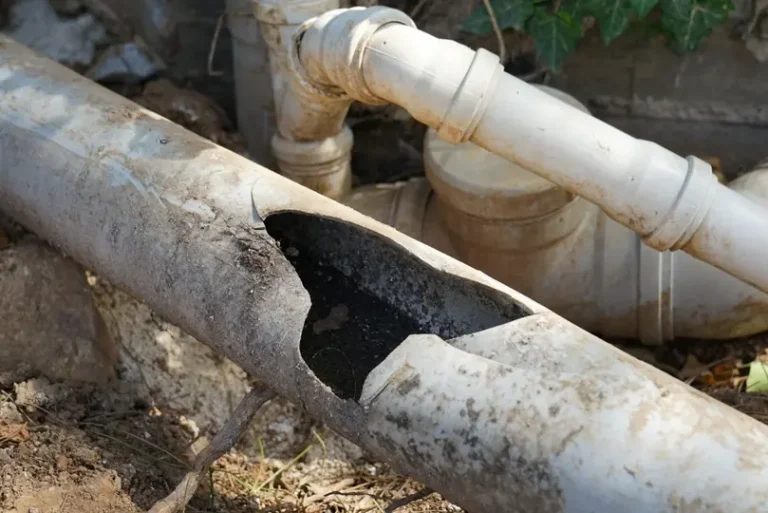
A: Yes. Root intrusion or a few cracks may only need a spot repair, while a collapsed or severely deteriorated pipe usually requires full replacement. A camera inspection shows exactly what is happening, so you can avoid replacing a line that only needs a targeted fix and put your budget where it matters.
Q: Are there costs beyond the pipe itself?
A: Often there are. Permits, camera inspections, cleanout installation, and restoring landscaping, concrete, or asphalt can all add to the bill. A detailed estimate should list these items separately, so you know whether restoration is included or will be a separate expense later on.
Comparing Replacement Methods
The method you choose shapes both your budget and how much of your yard is disturbed. These are the comparisons homeowners ask about most.
Q: Is trenchless replacement more expensive than traditional digging?
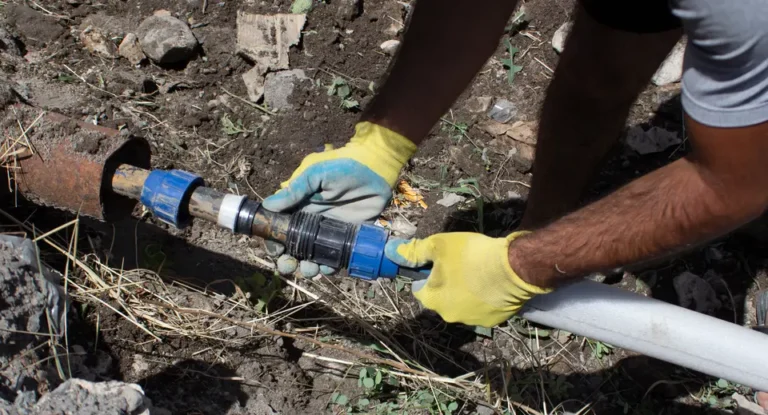
A: Per foot, trenchless and traditional methods can be similar, but trenchless work usually requires far less restoration. Because only small access pits are dug, homeowners often save on landscaping, driveway, and walkway repairs. For many established Bellevue yards, that makes trenchless the better overall value.
Q: What is the difference between pipe bursting and pipe lining?
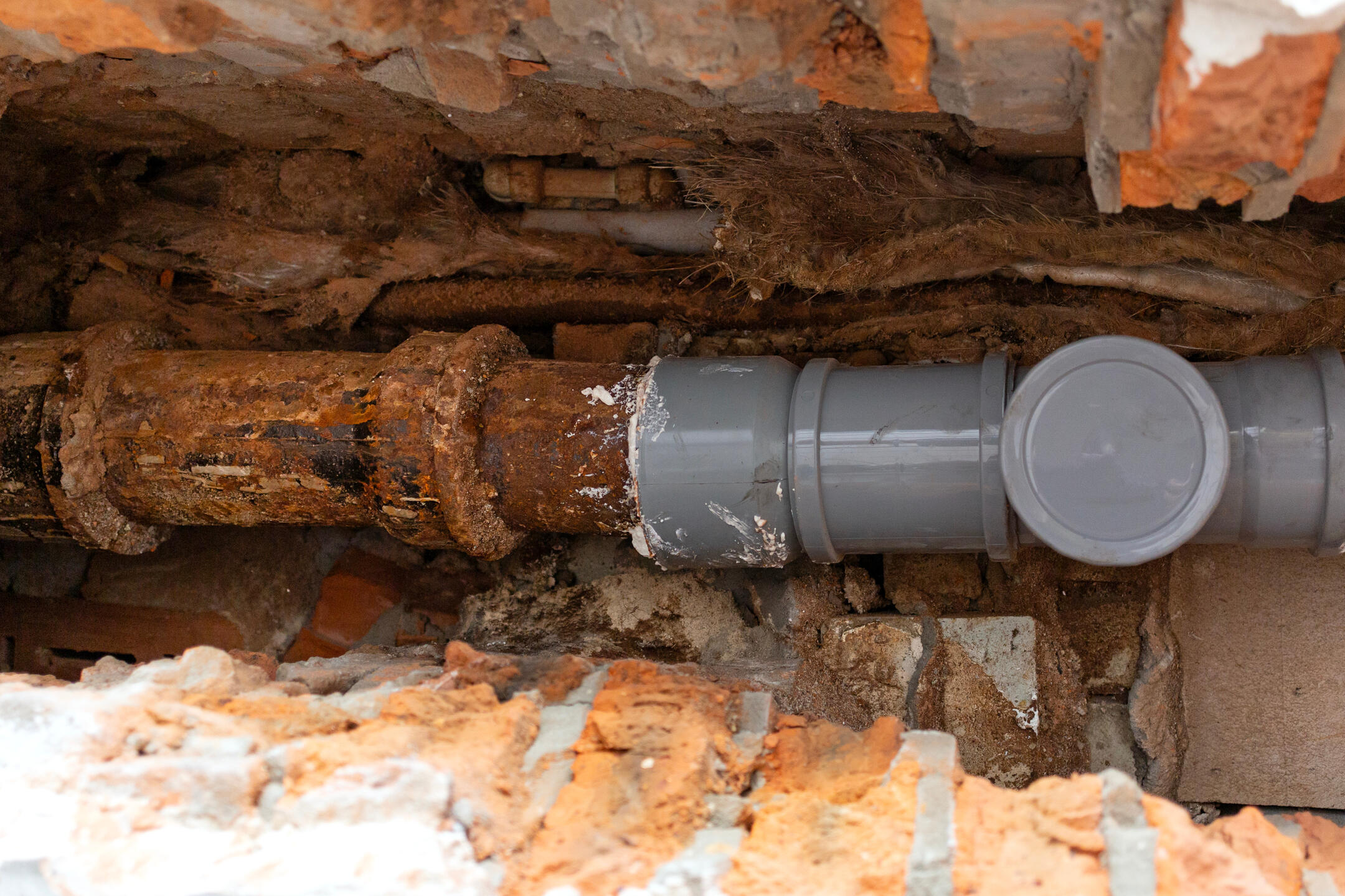
A: Pipe bursting breaks apart the old pipe while pulling a new one into place, making it ideal for badly damaged lines. Pipe lining installs a resin-coated liner inside the existing pipe, creating a new pipe within the old one. Lining works best when the original pipe still holds its shape and has no major sags.
Q: When is traditional excavation still the best choice?
A: Traditional digging may be necessary when a pipe has fully collapsed, when the slope of the line must be corrected, or when the route needs to change. A camera inspection helps determine whether trenchless methods are possible or whether excavation is the more practical solution.
Planning, Permits, and Paying for It
A little preparation can make a sewer replacement far more manageable. These answers help homeowners plan ahead and avoid surprises.
Q: Who is responsible for the sewer line?
A: In most cases, homeowners are responsible for the private side sewer running from the house to the public connection, while the city maintains the public main. Confirming where that boundary sits on your property in Bellevue and surrounding areas helps you understand which portion of the work you will pay for.
Q: Do I need a permit to replace my sewer line?
A: Nearly all sewer line work requires a permit because of sanitation and safety concerns. Most contractors handle the permit and coordinate inspections for you, but you should confirm that a permit has been issued and that the cost is included in your estimate before work begins.
Q: Will homeowners insurance cover replacement?
A: Standard policies usually exclude wear, aging pipes, and tree root damage. Some insurers offer a service line or sewer endorsement that adds coverage for a modest cost. Review your policy and speak with your agent before an emergency so you know exactly what protection you have.

Making a Confident Decision on Your Replacement
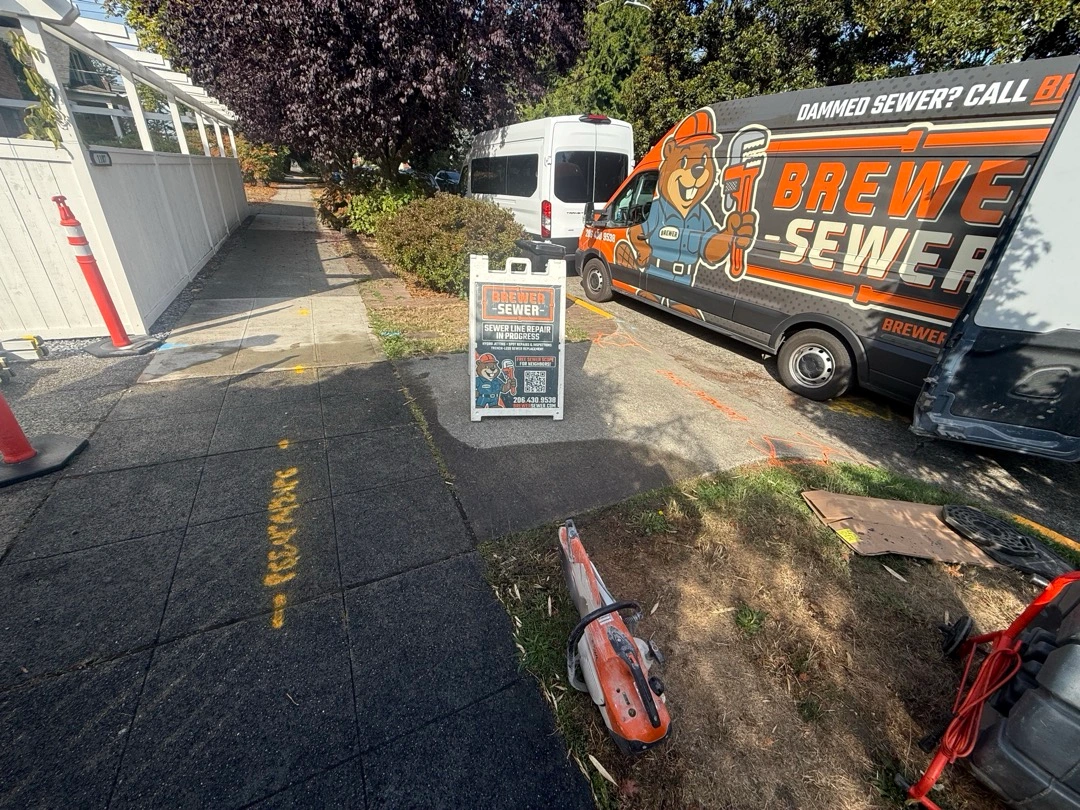
The best way to control your sewer line replacement cost is to start with an accurate diagnosis and a clear, itemized estimate. Once you understand the condition of your line and the methods available, you can compare options with confidence and avoid paying for work you do not need. Brewer Sewer helps homeowners throughout Bellevue and surrounding areas with thorough camera inspections, honest recommendations, and trenchless replacement options that protect their yards. If your sewer line is showing signs of failure, contact us today to schedule an inspection and get a clear picture of your options.