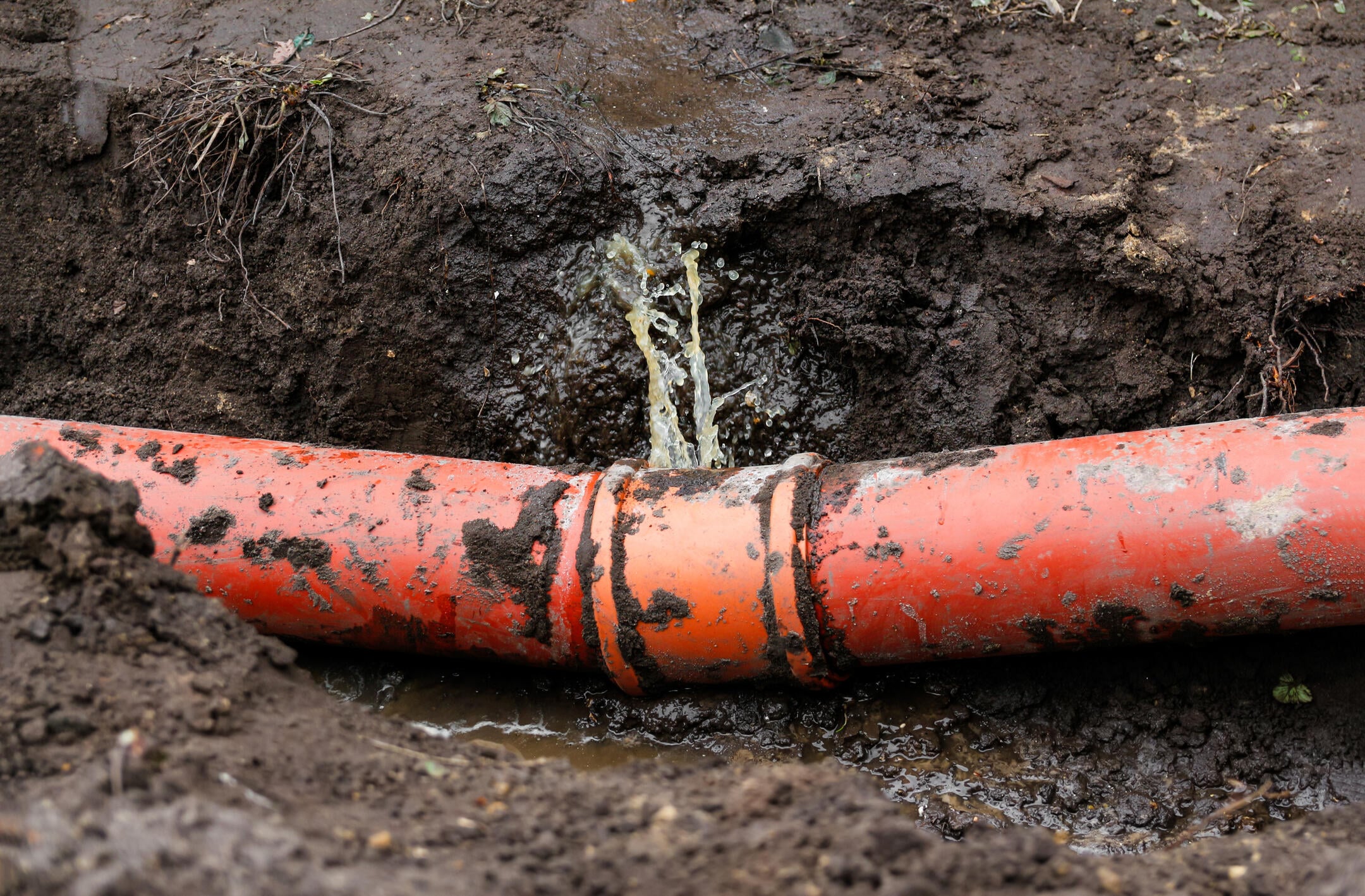
Sewage Smell Outside House: 6 Causes and What They Mean
A sewage smell outside house walls, near the foundation, or drifting across the yard is easy to blame on the street. In many cases, though, it points to a problem in your own plumbing that will not fix itself. Some causes are as minor as a missing cap, while others signal a damaged line that can lead to backups and costly repairs. Knowing what each smell means helps you respond quickly, whether that means replacing a fitting or getting your drains flowing freely again before the problem moves indoors.
Here’s what this post breaks down:
- Why outdoor sewer odors deserve attention
- The six most common sources and what each one means
- How timing and location help pinpoint the cause
- Who is responsible for the repair and when to call a pro

Why an Outdoor Sewer Smell Is Worth Investigating
It is tempting to assume an outdoor odor will simply blow away. That sewer gas smell comes from a mix of hydrogen sulfide, methane, and ammonia, and it only escapes when something in your plumbing system is open, cracked, or blocked. Treating it as a warning sign rather than a nuisance pays off in several ways:
- Protecting your health: Sewer gas can cause headaches, nausea, and eye or throat irritation with prolonged exposure, and raw sewage in the soil carries bacteria you do not want near kids or pets.
- Catching damage early: An odor is often the first symptom of a cracked or separated pipe, long before soggy patches or slow drains show up.
- Avoiding indoor backups: Partial blockages can eventually cause a sewage backup through basement floor drains, sinks, and bathroom fixtures.
- Saving on repairs: Spot repairs cost far less than excavating a collapsed line later.
Your home’s surroundings matter more than many people realize. A plumbing vent on a house in a low-lying spot or surrounded by trees may not get enough air movement to carry odors away, and a longer vent pipe or a carbon filter is sometimes the fix. For homeowners in Renton and surrounding areas, where many properties sit near hillsides and mature trees, that detail can explain why a smell lingers on calm days.
6 Common Causes of a Sewage Smell Outside Your Home
The most common causes of outdoor sewer odors come down to a handful of plumbing issues. Working through them from simplest to most serious makes it easier to judge how urgent your situation is.
1. A Blocked or Poorly Placed Plumbing Vent
Every home has a plumbing vent stack that runs through the roof, letting fresh air into the system and sewer gas exit high above the living space. When leaves, a bird nest, or other debris clogs the vent, or when wind pushes gas back down toward the yard, you may notice foul odors near windows, decks, patios, or even the front door.
- The smell is strongest on still, humid days or when wind blows from a certain direction
- Gurgling drains indoors often accompany a clogged vent
- Vents close to windows or air intakes can pull odors inside
2. A Missing or Damaged Cleanout Cap
The sewer cleanout is a capped pipe, usually near the foundation or in the yard, that gives technicians access to your main line. Lawn mowers, landscaping crews, and freezing weather can crack or knock off the cap, leaving a direct path for gas to escape. It is one of the easiest and cheapest causes to fix.
3. A Cracked or Broken Side Sewer
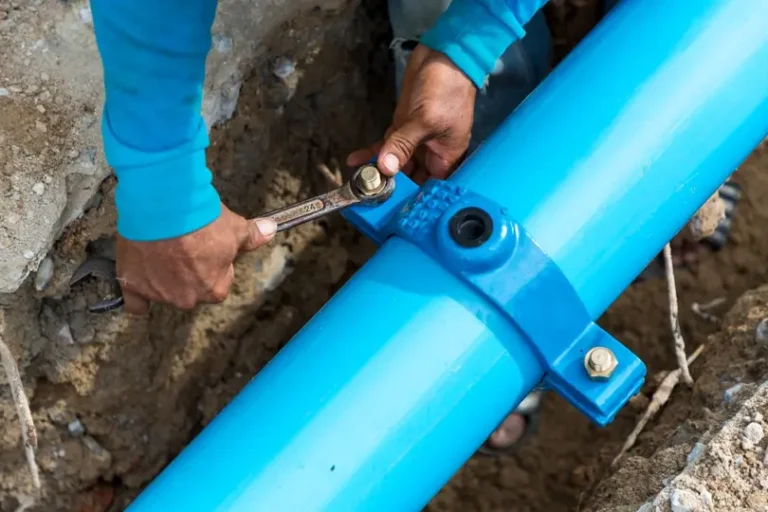
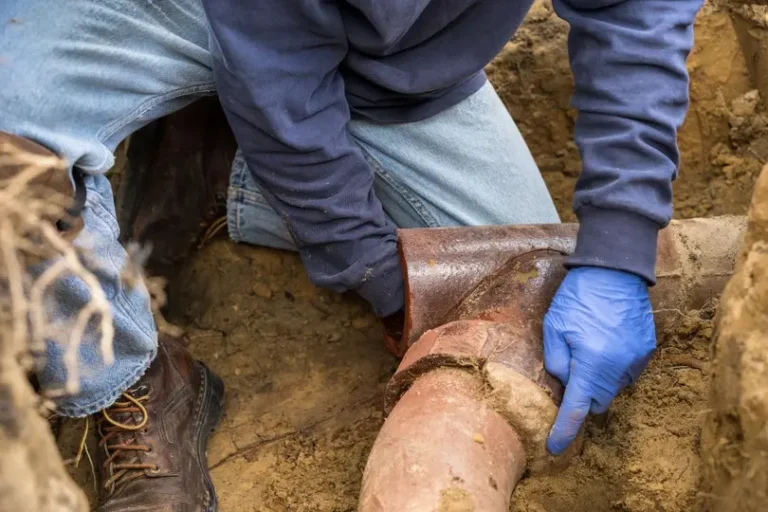
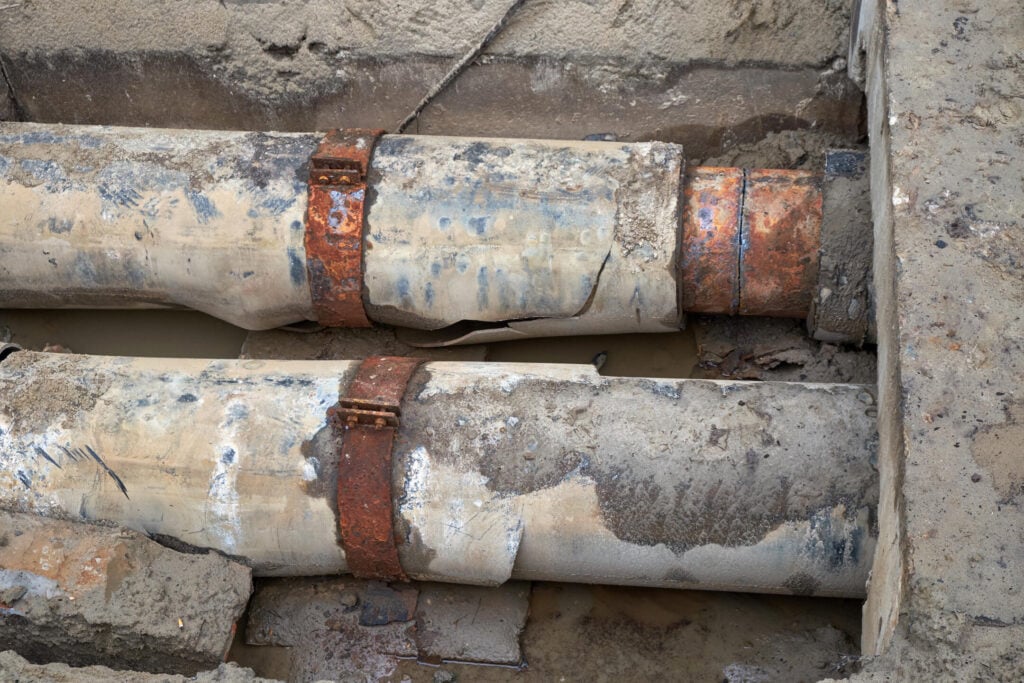
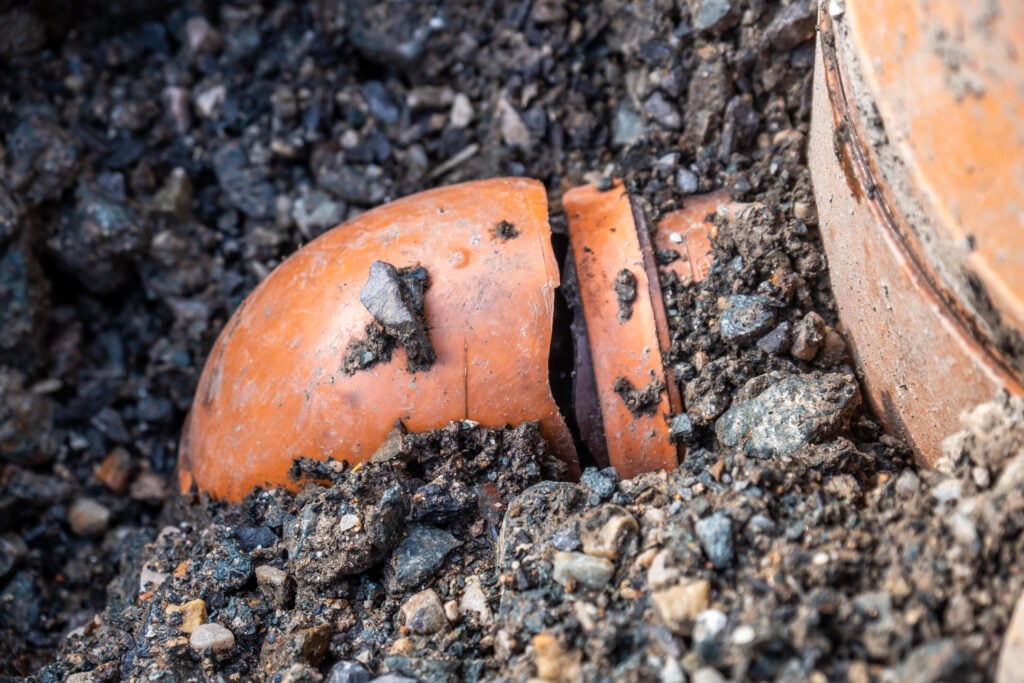
The side sewer carries all of your home’s wastewater out to the public main. A damaged sewer line is common in older homes, since clay and cast iron pipes crack with age, shift with soil movement, and separate at the joints. Once that happens, sewage seeps into the surrounding soil and the smell rises to the surface.
- Patches of unusually green, fast-growing grass
- Soggy spots, stagnant water, or small sinkholes in the yard
- Odors that get worse after heavy water use indoors
4. A Clog or Backup in the Main Line
Grease, soap scum, food particles from the garbage disposal, wipes, and roots build up in lines that are not cleaned properly until wastewater has nowhere to go. As the pipe fills, pressure forces gas out through any weak point, including the cleanout, loose fittings, and yard drains. Slow drains and gurgling toilets often show up at the same time.
5. Dry or Untrapped Yard and Area Drains
Some homes have area drains, stairwell drains, or downspouts tied into the sewer system. Like the p trap under a kitchen sink, these drain traps hold a water barrier that blocks gas. During dry spells that water evaporates, and unused drains are the first to go dry. Running cold water into the drain refills it, and a spoonful of mineral oil on top encourages slow evaporation. If the drain was never trapped properly, nothing stops sewer odor from escaping at ground level.
6. Municipal Sewer or Neighborhood Sources
Not every smell starts on your property. Nearby manholes, pump stations, and city mains can release odor during maintenance, after storms, or when a public line is partially blocked. If neighbors notice the same smell and your own system checks out, the source may be outside your control.
- The smell lingers along the street rather than in one part of your yard
- The odor coincides with city work or heavy rainfall
- Several homes on the block report the same issue
Pinpointing which of these causes applies to your home usually takes a mix of observation and professional inspection. The good news is that most of them leave clear clues once you know what to look for.
Reading the Clues: When and Where the Smell Appears
The timing and location of an odor can narrow down the cause faster than almost anything else. Noting both for a few days gives a technician valuable information and speeds up the diagnosis.
- After heavy rain: Groundwater can seep into cracked pipes and overload the line, or stormwater can surge into connected drains and push gas out of the cleanout.
- During hot, dry stretches: Dry traps in area drains become more likely, and heat intensifies the odor of any sewage already sitting in the soil.
- On calm, humid evenings: Still air lets gas from the roof vent settle toward the ground instead of dispersing, which points toward a vent issue.
- Near the foundation: Odors concentrated along the house often trace back to the cleanout cap or a cracked section of the side sewer close to where it exits the home.
- In one area of the yard: A smell that sticks to a single spot, especially with wet soil or lush grass, strongly suggests a break in the underground line.
- After running water indoors: If the smell spikes after running the laundry room washer or long showers, the line is likely leaking or partially blocked.
Homes with a septic system follow similar patterns, with the septic tank and drain field adding more possible sources. Keeping a simple log of when and where you notice the smell, along with the weather that day, makes any diagnosis more accurate and helps homeowners in Renton and surrounding areas avoid paying for repairs that miss the real problem.
Who Fixes It: Homeowner vs. City Responsibility
Once you know where the smell is coming from, the next question is who should handle it. In many Puget Sound communities, the property owner is responsible for the side sewer running from the house to the public main, while the city maintains the main itself and its manholes. Exact boundaries vary, so it is worth confirming with your local sewer utility.
| Where You Notice the Smell | Likely Source | Who Typically Handles It | Best First Step |
| Roofline, deck, or windows | Plumbing vent | Homeowner | Look for visible debris or have the vent inspected |
| Near the foundation | Cleanout cap or side sewer | Homeowner | Check the cleanout cap for cracks or gaps |
| One spot in the yard | Broken side sewer | Homeowner | Schedule a sewer line inspection |
| Yard drains or stairwells | Dry or untrapped drain | Homeowner | Pour water into the drain and monitor the smell |
| Street, sidewalk, or manholes | Municipal sewer | City or utility | Report it to the local sewer utility |
Simple fixes like replacing a cracked cleanout cap or pouring water into a dry drain are safe to handle yourself. Anything involving the roof, digging, or opening the main line is a job for a professional plumber, since sewer gas in confined spaces can be dangerous and guesswork often leads to the wrong repair.
Frequently Asked Questions About a Sewage Smell Outside Your House
Homeowners in Renton and surrounding areas who smell sewage outdoors are often left wondering what to do next. These short answers can help you decide on your next move.
Is a sewage smell outside my house dangerous?
Brief exposure to the unpleasant odor outdoors is usually more nuisance than hazard, but do not ignore it. Sewer gas can cause headaches and nausea with ongoing exposure, and sewage leaking into the soil poses a health risk to people and pets.
Why does it smell like sewage outside only some of the time?
Intermittent odors usually depend on weather, wind, and water use. A clogged vent may only be noticeable on calm days, while a cracked line may smell worse after rain or heavy indoor water use.
Can tree roots cause a sewer smell in the yard?
Yes. Roots seek out moisture and can enter pipes through small cracks or loose joints. As they grow, they widen those openings and trap debris, which leads to both leaks and clogs that release odor.
How do professionals find the source of an outdoor sewer smell?
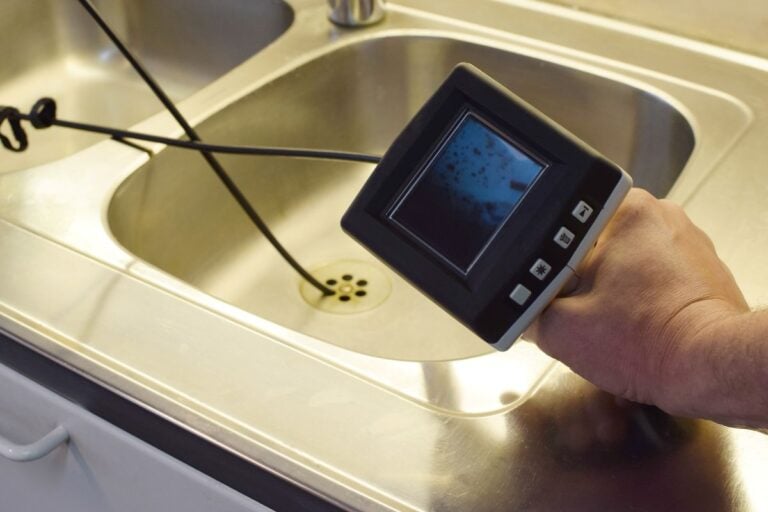
Most start with a visual check of vents, cleanouts, and drains, then run a camera through the sewer line to look for cracks, roots, or blockages. Some also use smoke testing, which shows exactly where gas is escaping.
Will the smell go away on its own?
Rarely. Unless the source is temporary, such as nearby city maintenance, an outdoor sewer smell typically means something is open, broken, or blocked, and if the smell persists, it tends to get worse and can eventually become a house smell too.
If your situation does not quite match these answers, a plumber’s inspection is the most reliable way to get clarity. It also keeps you from paying for the wrong fix.
Clear the Air Around Your Home
A sewer smell in the yard is often the earliest sign of a vent problem, a damaged pipe, or a growing blockage, and catching it early keeps a simple repair from turning into a major one. Brewer Sewer helps homeowners throughout Renton and surrounding areas track down the source of outdoor odors and fix the problem for good.
If you have noticed a smell that will not go away, contact us today to schedule an inspection and get real answers.