

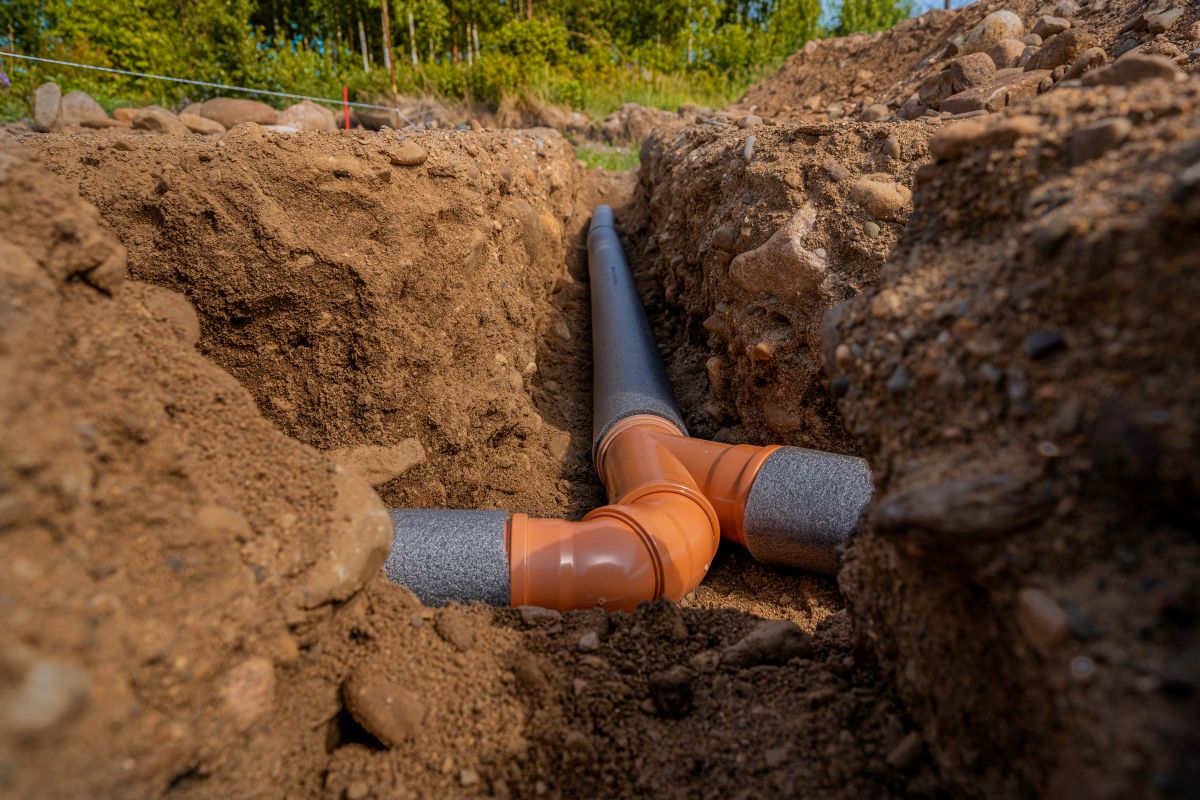
What Is a Sewer Pipe Made Of?
Your home’s sewer pipe plays a critical role in carrying wastewater safely away from your property. When it fails, the results can be messy, expensive, and disruptive. Understanding what your sewer pipe is made of helps you make informed decisions about maintenance, repairs, and long term planning. If you ever notice slow drains or backups, learning more about professional sewer repair solutions can help you act quickly before small issues turn into major damage.
In this guide, you will learn:
- The most common materials used in residential sewer pipes
- How different materials affect durability and lifespan
- Signs your sewer pipe may be failing
- How to choose the right replacement material for your home
- What homeowners in Seattle and surrounding areas should consider
Why Sewer Pipe Materials Matter
The material your sewer line is made from directly impacts its performance, longevity, and maintenance needs. Older homes often have very different piping materials than newer builds, and each type comes with its own strengths and weaknesses.
Here is why sewer pipe materials are so important:
- Durability: Some materials can last over 100 years, while others may deteriorate in a few decades.
- Resistance to corrosion: Wastewater contains chemicals and organic matter that can gradually break down certain materials.
- Root intrusion prevention: Tree roots are a leading cause of sewer line damage, and some pipe types are more vulnerable than others.
- Maintenance requirements: Certain materials require more frequent inspections and cleaning.
- Cost efficiency: The upfront installation cost varies widely, as does the long term value.
According to the U.S. Environmental Protection Agency, tree roots entering through defects or openings in a sewer line may cause blockages. This makes pipe material and joint integrity especially important for homeowners in Seattle and surrounding areas, where mature trees and consistent rainfall create ideal conditions for root intrusion.
5 Top Sewer Pipe Materials
Choosing or understanding the right material can mean the difference between decades of reliable service and recurring plumbing headaches.
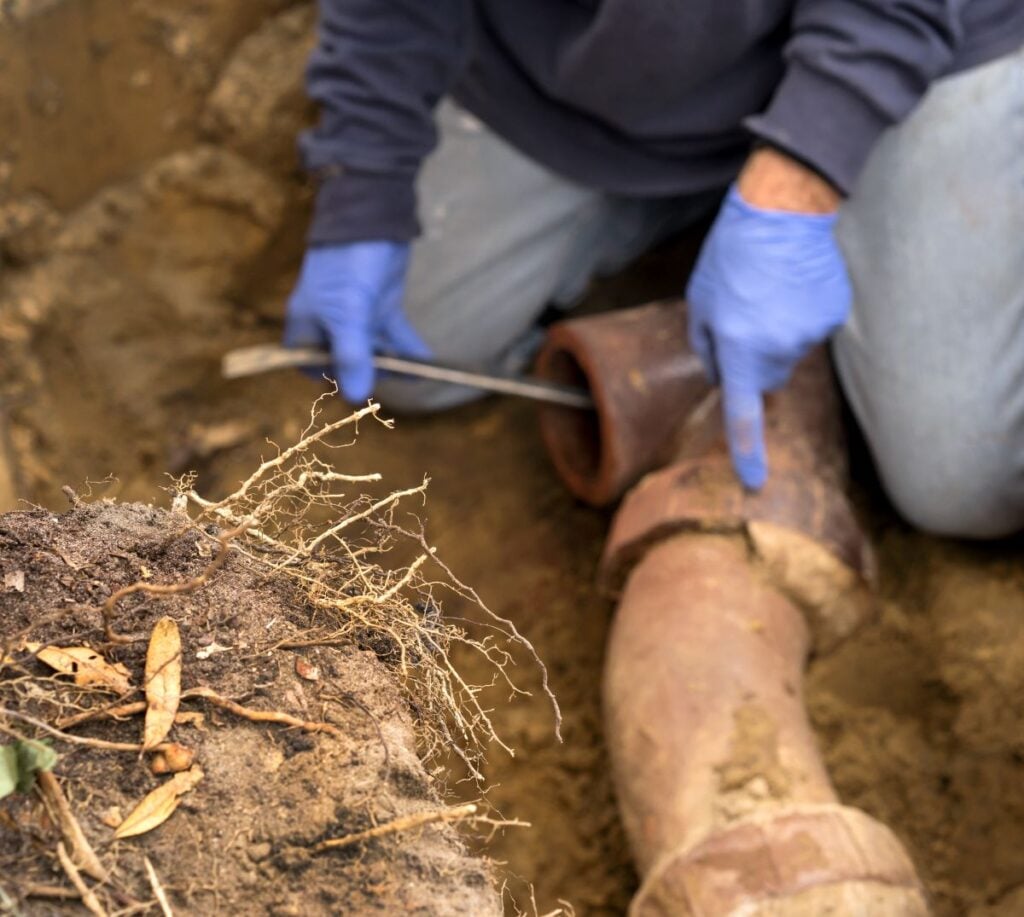
1. Clay Pipes
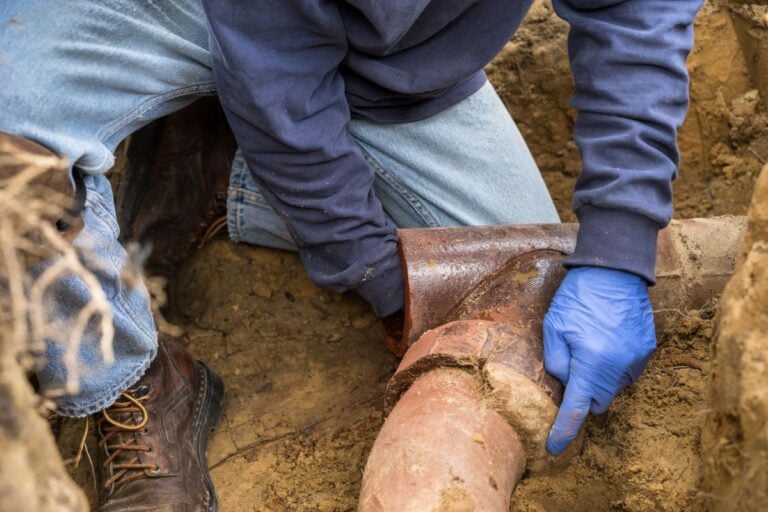
Clay pipes, also known as vitrified clay pipes, were commonly installed in homes built before the 1960s. Many older properties in Seattle and surrounding areas may still rely on this material today.
Clay is made from natural materials that are shaped and fired at high temperatures, creating a hard and durable pipe.
Benefits of Clay Pipes
Clay pipes have several advantages that explain their long history of use:
- Resistant to chemical corrosion
- Environmentally friendly material
- Can last 50 to 100 years when properly maintained
Drawbacks of Clay Pipes
Despite their durability, clay pipes have notable weaknesses:
- Brittle and prone to cracking
- Highly susceptible to tree root intrusion at joints
- Heavy and labor intensive to replace
As clay ages, small cracks or separated joints can allow roots to penetrate the line. Over time, this can lead to severe blockages or pipe collapse.
2. Cast Iron Sewer Pipes
Cast iron was another popular material used in homes built from the early 1900s through the 1970s. It is known for its strength and sound dampening qualities.
This material is created by pouring molten iron into molds, resulting in thick, heavy pipes.
Benefits of Cast Iron Pipes
Cast iron offers several strong advantages:
- Extremely durable under heavy loads
- Quieter than plastic alternatives
- Fire resistant
Drawbacks of Cast Iron Pipes
However, cast iron is not immune to deterioration:
- Prone to internal rust and corrosion
- Can develop rough interior surfaces that trap debris
- Expensive and heavy to replace
Over decades, rust can thin the pipe walls from the inside out. Eventually, this leads to leaks, cracks, or even complete failure. Many older homes in Seattle and surrounding areas are reaching the point where original cast iron lines require inspection or replacement.
3. Orangeburg Pipes
Orangeburg pipes were installed primarily between the 1940s and 1970s. They are made from layers of wood pulp and pitch, essentially compressed tar paper.
At the time, Orangeburg was marketed as a lightweight and affordable alternative to metal and clay.
Benefits of Orangeburg Pipes
There were a few initial advantages:
- Low installation cost
- Lightweight and easy to transport
- Resistant to rust
Drawbacks of Orangeburg Pipes
Unfortunately, Orangeburg has proven to be one of the least durable sewer materials:
- Prone to deformation and collapse
- Highly susceptible to root intrusion
- Average lifespan of 30 to 50 years
As the material absorbs moisture and compresses under soil pressure, it can lose its round shape. This restricts flow and increases the likelihood of backups. If your home was built during this era, a sewer inspection is strongly recommended.
4. PVC Sewer Pipes
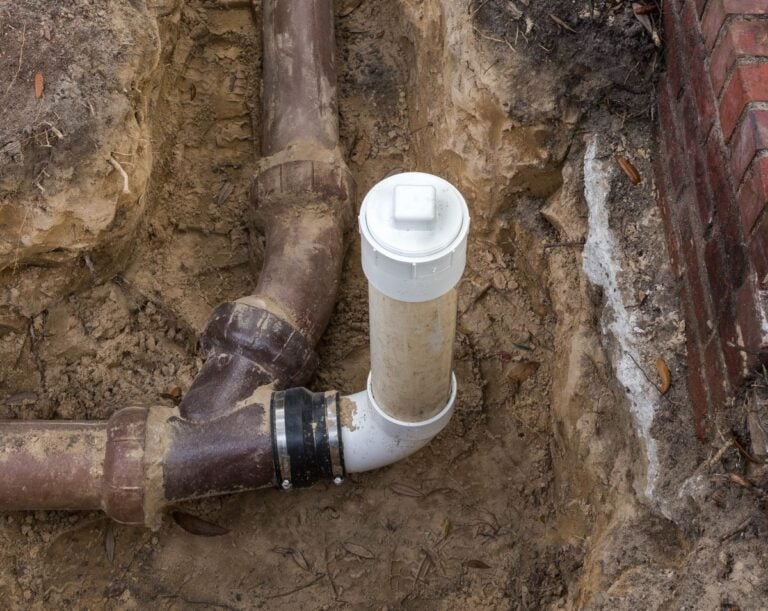
PVC, or polyvinyl chloride, is one of the most common materials used in modern sewer systems. It became popular in the 1970s and remains widely used today.
PVC is a type of plastic engineered for strength and flexibility.
Benefits of PVC Pipes
PVC offers several compelling advantages:
- Resistant to corrosion and chemical damage
- Smooth interior walls that reduce clogs
- Lightweight and easier to install
- Long lifespan, often exceeding 100 years under proper conditions
Because PVC joints are tightly sealed, they are less likely to allow root intrusion compared to older materials.
Drawbacks of PVC Pipes
While highly reliable, PVC does have some limitations:
- Can crack under extreme ground movement
- May become brittle in very cold temperatures
- Not as heat resistant as some metal options
For most residential applications in Seattle and surrounding areas, PVC provides a durable and cost effective solution.
5. ABS Sewer Pipes
ABS, or acrylonitrile butadiene styrene, is another type of plastic piping used in residential plumbing systems. It was especially common during the 1970s and 1980s.
ABS is typically black in color and slightly more rigid than PVC.
Benefits of ABS Pipes
Homeowners often appreciate ABS for:
- Impact resistance
- Strength in cold temperatures
- Simple installation process
Drawbacks of ABS Pipes
However, ABS has some disadvantages:
- Can warp in direct sunlight
- May be noisier than PVC
- Not as widely approved in all jurisdictions
In modern construction, PVC tends to be more common, but ABS is still found in many homes built several decades ago.
Comparing Sewer Pipe Materials
When evaluating sewer pipe options, it helps to look at key factors side by side. Each material performs differently in terms of lifespan, maintenance, and cost. The table below makes it easier to compare the most common residential sewer pipe materials at a glance.
| Material | Typical Lifespan | Root Resistance | Maintenance Needs |
| Clay | 50 to 100 years | Low | Higher maintenance |
| Cast Iron | 75 to 100 years | Moderate | Moderate maintenance |
| Orangeburg | 30 to 50 years | Low | Higher maintenance |
| PVC | 100 years or more | High | Lower maintenance |
| ABS | 50 to 100 years | Moderate to High | Lower maintenance |
In Seattle and surrounding areas, heavy rainfall and mature trees can increase the risk of root intrusion. This makes modern plastic piping such as PVC and ABS especially attractive options for homeowners considering sewer line replacement.
Signs Your Sewer Pipe May Be Failing
Regardless of the material, sewer pipes do not last forever. Recognizing early warning signs can save you thousands of dollars in property damage.
Common symptoms include:
- Frequent drain clogs throughout the home
- Sewage odors indoors or in the yard
- Soggy or sunken patches of lawn
- Gurgling sounds from toilets or drains
- Slow drainage in multiple fixtures
Older materials such as clay or Orangeburg are especially vulnerable to collapse or separation. If your home is several decades old, proactive inspection is a wise investment.
Repair or Replace: What Is the Right Move?
Once you know what your sewer pipe is made of and its condition, the next step is deciding whether repair or full replacement makes sense.
Minor cracks or isolated root intrusions can sometimes be addressed with targeted repairs or trenchless lining methods. However, severely deteriorated materials like Orangeburg often require full replacement.
Factors to Consider
- Age of the existing pipe
- Frequency of past problems
- Cost of repeated repairs
- Long term property value
Replacing an outdated sewer line may seem like a major expense, but it can eliminate recurring plumbing emergencies and increase buyer confidence if you plan to sell your home.
Homeowners in Seattle and surrounding areas often benefit from upgrading older materials to modern PVC for improved reliability and reduced maintenance.
Protecting Your Sewer Pipe for the Long Term
No matter what material your sewer pipe is made from, proper care extends its lifespan.
Schedule Regular Inspections
Periodic camera inspections can catch small issues before they escalate.
Be Mindful of Landscaping
Avoid planting trees with aggressive root systems near your sewer line.
Watch What Goes Down the Drain
Do not flush wipes, grease, or foreign objects. Even pipes with smooth interiors can clog under repeated misuse.
Address Small Issues Promptly
Slow drains or occasional backups are early warning signs. Acting quickly prevents larger failures.
Proactive maintenance is far less costly than emergency excavation.
Protect Your Sewer Pipes with Brewer Sewer
Your sewer pipe is one of the most important components of your home’s plumbing system. From clay and cast iron to modern PVC, each material comes with unique benefits and challenges. Understanding what your sewer pipe is made of allows you to plan for maintenance, avoid unexpected breakdowns, and protect your investment.
If you are experiencing sewer line concerns in Seattle and surrounding areas, the team at Brewer Sewer is ready to help. Do not wait for minor issues to turn into costly damage. Reach out to Brewer Sewer and contact us today to schedule an inspection or discuss your options with a trusted professional.