

How to Fix a Basement Drain Backing Up (8 Step Guide)
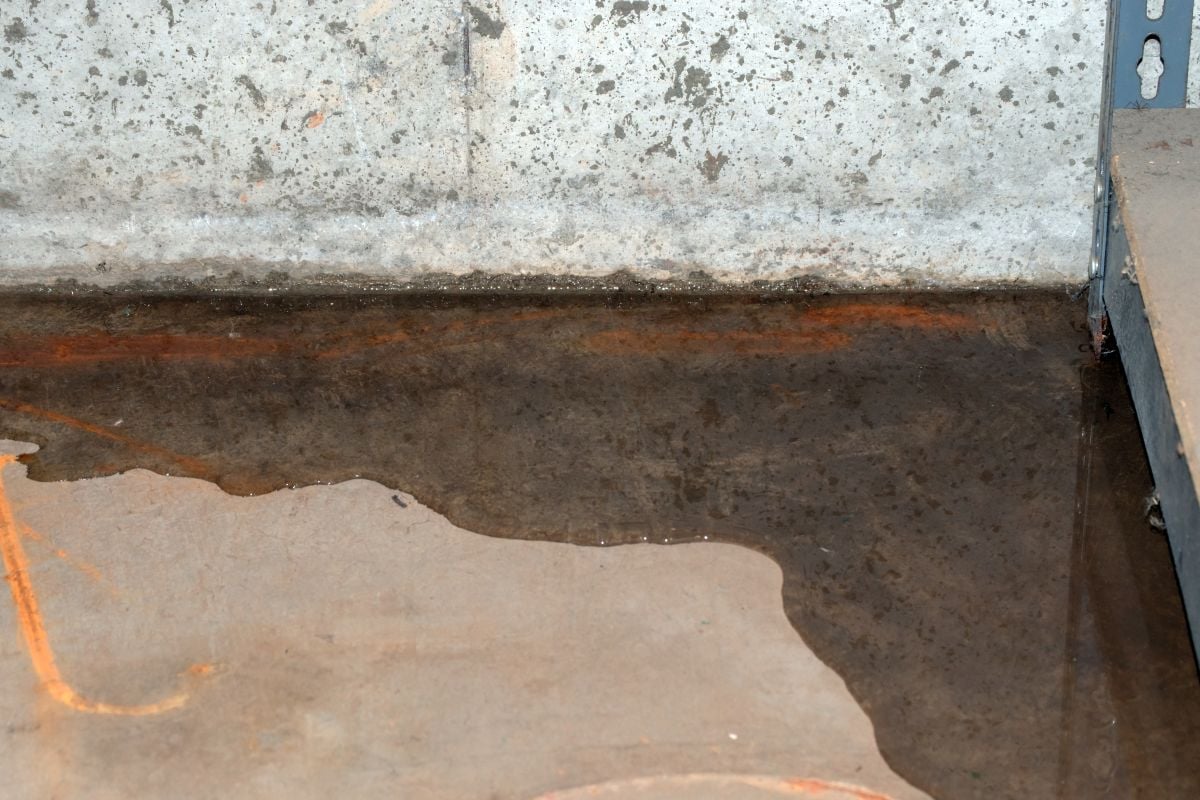
If you’ve noticed your basement drain backing up, you’re not alone. Homeowners in Federal Way and surrounding areas frequently deal with this issue, especially after heavy rain, increased household water use, or when there’s a problem in the main sewer line.
Standing water, sewage smells, and slow drains are all signs of a serious underlying issue that needs fast attention. This guide will walk you through the key steps to stop the backup, diagnose the problem, and protect your basement from future flooding.
- Health hazard: Sewer water can contain bacteria, mold, and harmful gases.
- Flood risk: Even a small backup can lead to major water damage.
- Act fast: Early steps can prevent expensive repairs.
Why Is Your Basement Drain Backing Up?
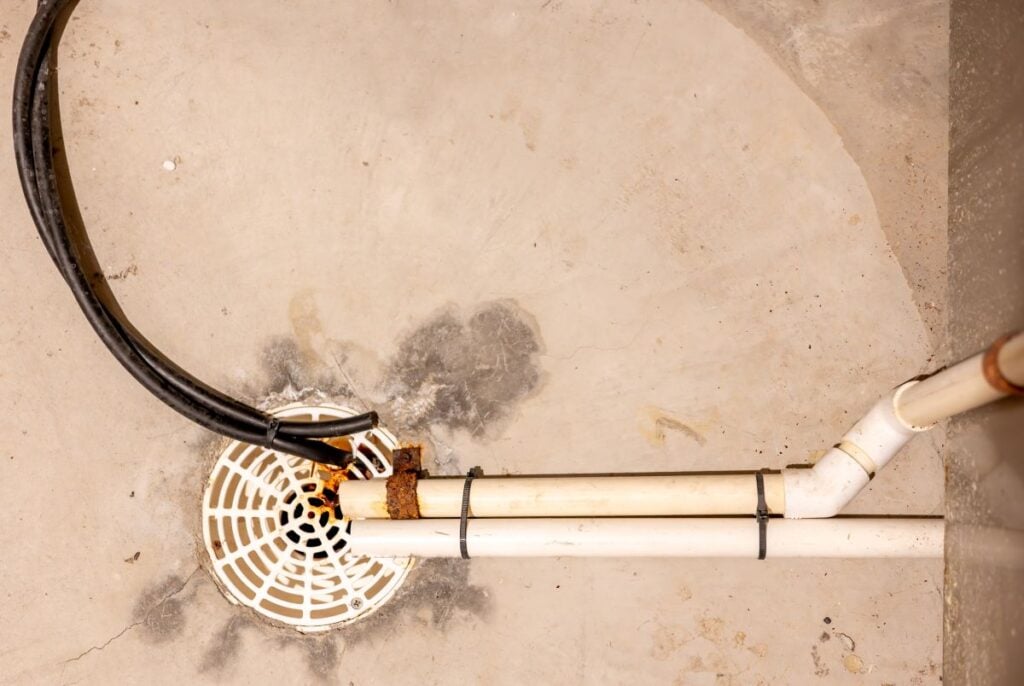
Basement drains are connected to the home’s main sewer or drainage system. When there’s a blockage, crack, or overload in that system, water can reverse direction and flow back into the lowest point in your home, usually the basement floor drain.
Federal Way homes are particularly vulnerable during storm season due to high water tables and aging infrastructure. In many cases, the root cause of a basement backup is something deeper than just a clogged floor drain. Understanding the most common causes is the first step toward prevention and long-term protection.
8 Steps to Stop and Fix a Basement Drain Backup
Knowing the steps to take when water starts backing up can prevent thousands of dollars in damage. These are the eight essential actions every homeowner should know.
1. Stop Using Water in the Home
The first thing to do is stop all water usage: no flushing, no laundry, no showers. Every drop added to your plumbing system can worsen the backup.
- Why it matters: Continued water use adds pressure to a blocked system.
- Tip: Inform everyone in the home to pause water use until the issue is identified.
This step may seem simple, but it’s critical. Many homeowners make the mistake of continuing normal water use, which only increases the mess and potential for contamination.
2. Clear the Area and Stay Safe
Basement backups often involve unsanitary water. Wear gloves and boots, and keep kids and pets away from the area.
- Why it matters: Contaminated water poses a serious health risk.
- Tip: Open windows to ventilate any sewer gases.
In some cases, sewer gases can contain harmful compounds like methane and hydrogen sulfide. If the smell is overwhelming, evacuate the area and call a professional.
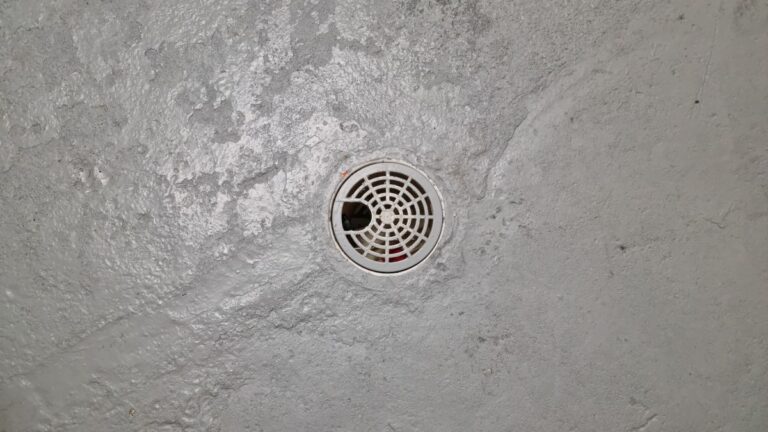
3. Check for Obvious Drain Blockages
Look into the drain to see if there’s any visible debris or buildup that can be cleared manually.
- Why it matters: Sometimes the issue is caused by hair, sediment, or floor debris.
- Tip: Use a flashlight and avoid pushing blockages deeper.
Use a gloved hand or basic tools to remove any debris, but avoid using chemical drain cleaners that could worsen the problem or damage older piping.
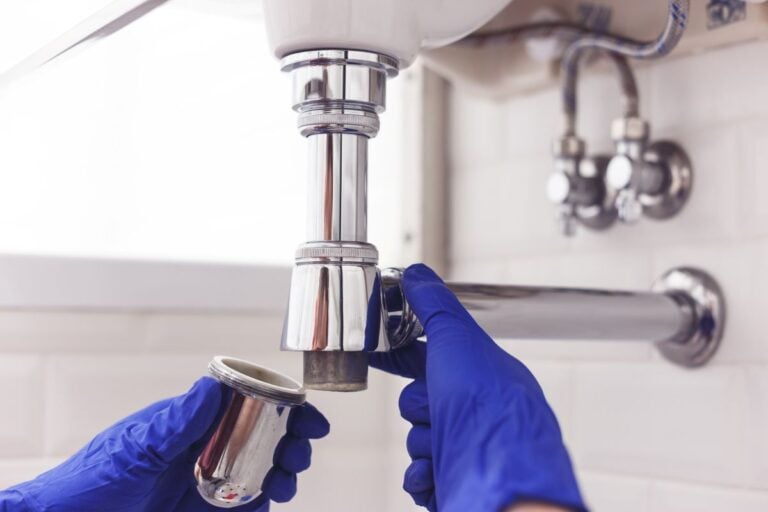
4. Use a Plunger or Drain Snake
Basic tools like a heavy-duty plunger or manual drain snake can sometimes break up small clogs in floor drains.
- Why it matters: Quick DIY fixes may restore temporary drainage.
- Tip: If resistance persists, don’t force it, call a professional.
You can rent a longer drain snake if you suspect the clog is farther down the pipe. Make sure to feed it slowly to avoid damage.
5. Check for Signs of a Main Line Blockage
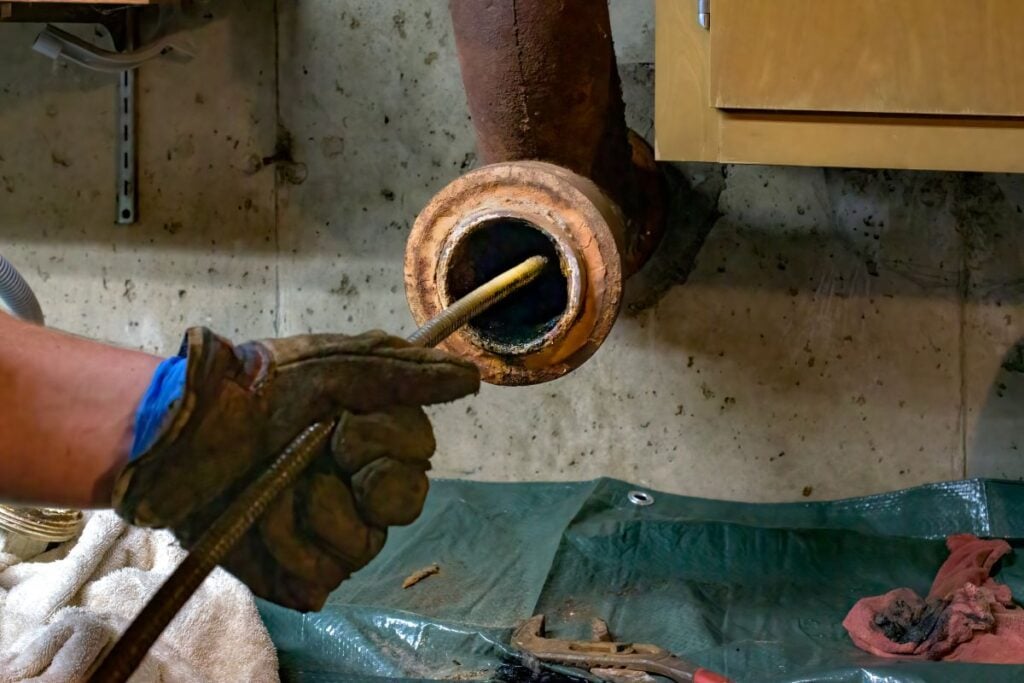
If other drains in your home (toilets, sinks, showers) are also slow or backing up, the issue may lie in the main sewer line.
- Why it matters: A blocked main line needs urgent attention to prevent full home backups.
- Tip: Sewer cameras can confirm the exact location and cause.
Main line blockages are common in older Federal Way homes with aging clay or cast iron pipes, particularly when tree roots are present.
6. Schedule a Sewer Camera Inspection
A professional can insert a camera into the main line to check for clogs, cracks, or root intrusion.
- Why it matters: It’s the most accurate way to diagnose complex issues.
- Tip: Ask for a copy of the footage for your records.
This inspection helps determine whether trenchless repair is possible or if a full pipe replacement is necessary. It’s a small investment that saves time and confusion later.
7. Install or Inspect a Backwater Valve
A backwater valve prevents sewer water from flowing backward into your home. If you don’t have one, or if yours is stuck open, it’s time to install or repair it.
- Why it matters: It protects your basement during heavy rains or sewer surges.
- Tip: Have it inspected annually to ensure it’s working.
Installing a backwater valve is one of the most effective defenses against repeat backups, especially in flood-prone parts of Federal Way.
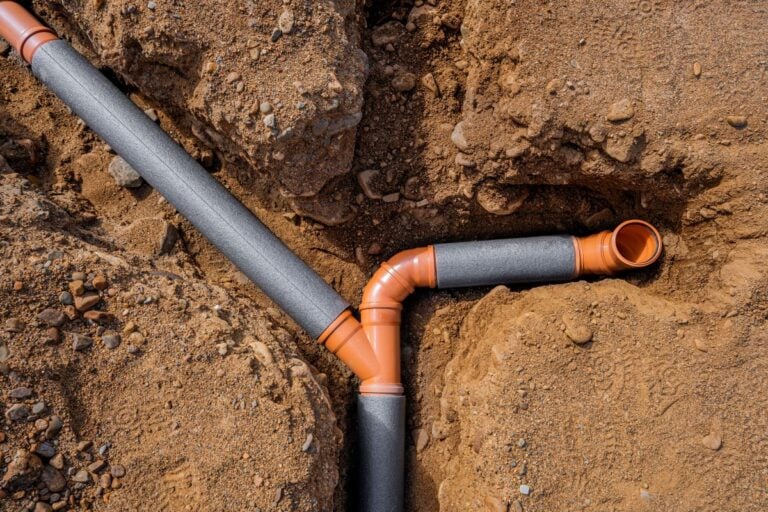
8. Consider Trenchless Sewer Repair
If the backup is caused by a broken or collapsed pipe, trenchless solutions like pipe lining or bursting can repair it with minimal digging.
- Why it matters: Fast, modern repairs save your yard and reduce project time.
- Tip: Federal Way properties with mature landscaping often benefit most from trenchless options.
Trenchless repair is often more affordable in the long run due to reduced labor and restoration costs. It’s also faster, which means less disruption to your routine.
Preventing Future Drain Backups
Once your system is flowing properly again, take these steps to prevent future incidents:
- Schedule annual drain cleanings to remove early clogs.
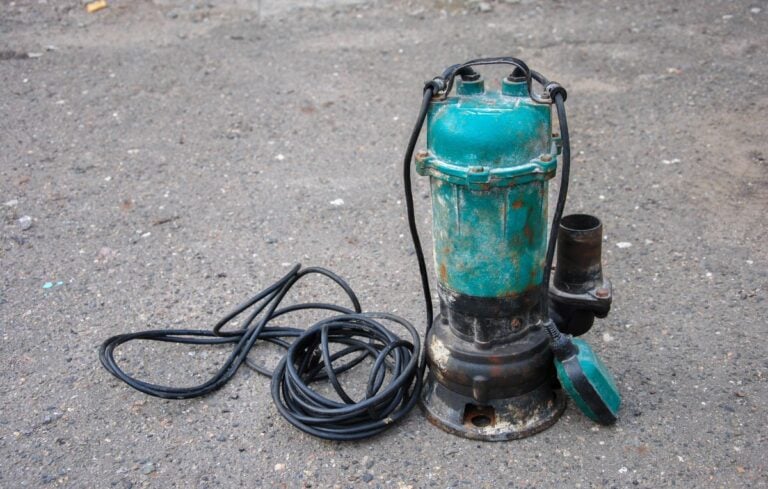
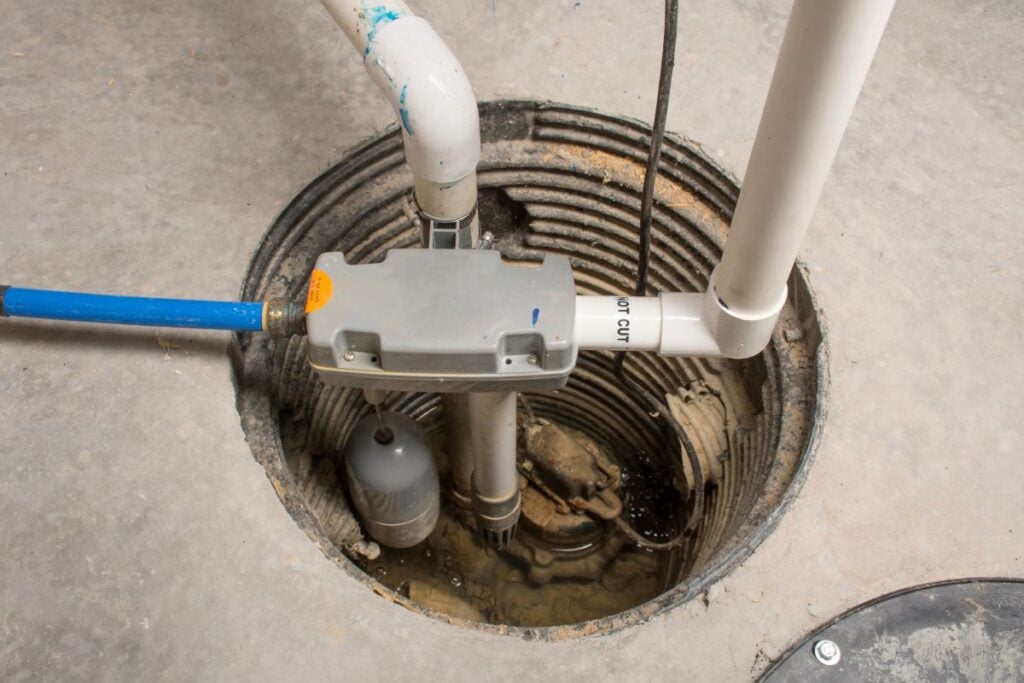
- Install a sump pump with a battery backup in flood-prone areas.
- Inspect and maintain your backwater valve regularly.
- Avoid flushing grease, wipes, and non-flushables.
Prevention starts with good habits and regular checkups. Keep an eye on water usage patterns and drainage behavior to spot problems early.
Federal Way-Specific Concerns
Homes in Federal Way face unique challenges due to the area’s heavy rainfall, tree-lined streets, and aging infrastructure. Tree roots are a leading cause of cracked sewer pipes in this region. Similarly, neighborhoods with shared sewer laterals may experience backups from blockages located off-property.
It’s also important to monitor basement humidity levels. Even small backups can increase the risk of mold if not cleaned up thoroughly. Using a dehumidifier and waterproof flooring can help protect your space long term.
Don’t Ignore a Basement Backup
If you’ve noticed your basement drain backing up, don’t wait. Early action can save your home and your budget. Whether it’s a simple clog or a failing sewer pipe, a fast diagnosis is the first step to getting your basement dry and safe again.
Contact Brewer Sewer today for an inspection and expert sewer repair in Federal Way and surrounding areas. We’ll help you fix the issue and protect your home from future backups.