

Do You Need a Sewer Line Warranty?
If you own a home, you may have seen offers for a sewer line warranty in your mail or email. These plans promise coverage in the event your sewer line fails—but are they worth it? Sewer repairs can be costly, and most homeowners aren’t financially prepared for an emergency repair that involves digging up yards or cutting into driveways.
In this blog, we’ll break down what sewer line warranties typically cover, when they might be a smart investment, and how to decide if one makes sense for your Seattle home.
- Hidden responsibility: Homeowners are usually responsible for the line from house to street.
- Expensive repairs: Sewer replacements can run thousands of dollars.
- Unexpected failures: Even newer homes aren’t immune to tree roots or soil shifting.
What Is a Sewer Line Warranty?
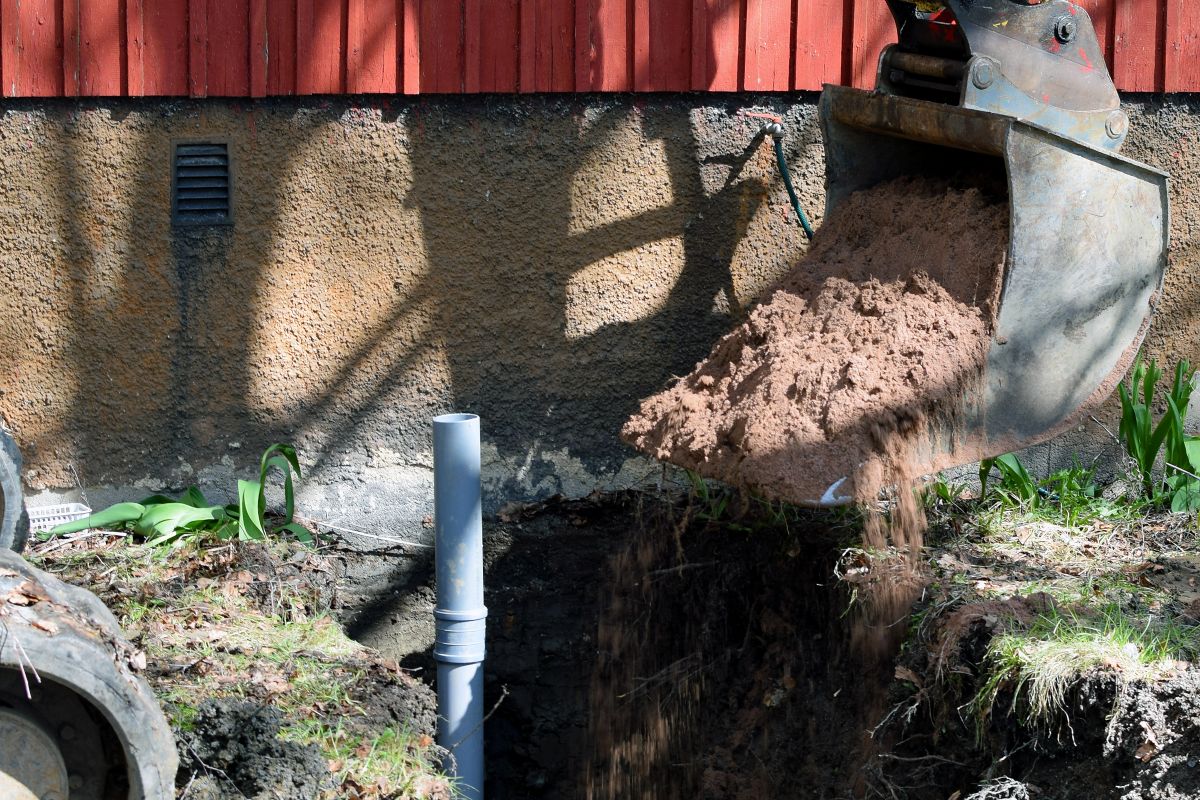
A sewer line warranty is a service agreement that covers the cost of repairs to your home’s underground sewer pipe. It generally applies to the private line that runs from your home to the city sewer connection at the street.
These warranties are offered by utility companies, insurance providers, or third-party service administrators. Coverage terms and providers vary, so reading the fine print is key. Some plans are bundled with water line coverage, while others are standalone policies specifically for the sewer lateral.
What Sewer Line Warranties Usually Cover
Understanding what’s included helps you avoid surprises when something goes wrong. Coverage can vary, but here are some common inclusions:
- Clogs and blockages: Coverage may include snaking or hydro jetting.
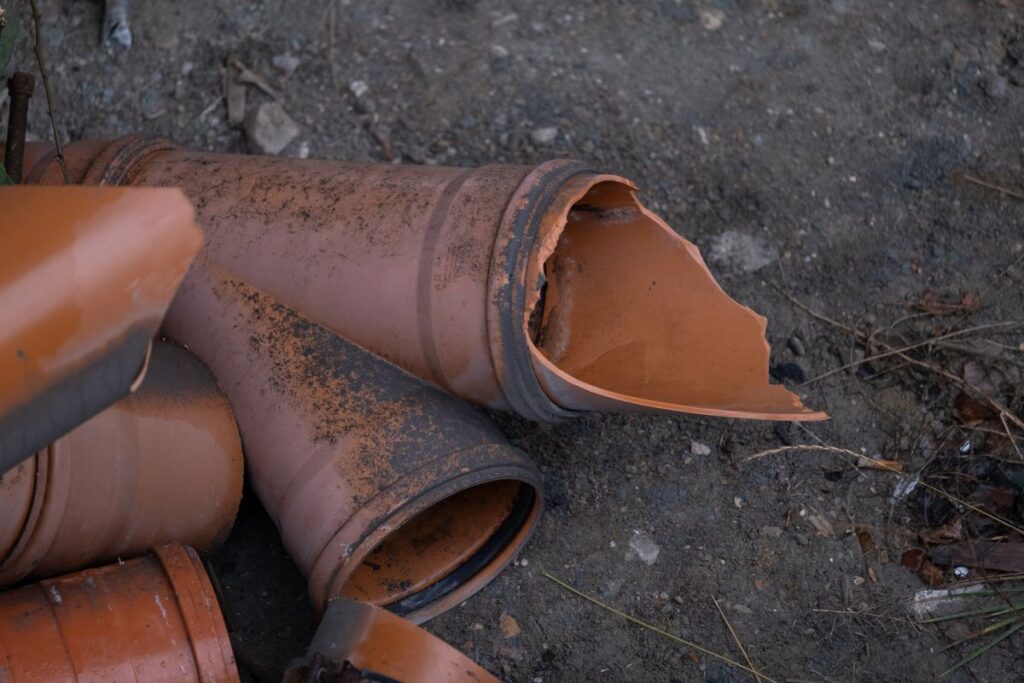
- Pipe collapse or breakage: If due to normal wear or root damage.
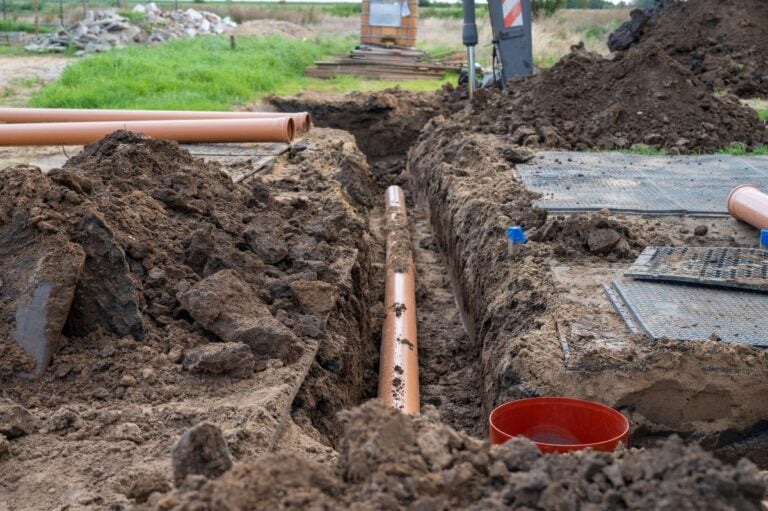
- Excavation costs: Labor and materials for digging to reach the line.
- Restoration: Limited coverage for restoring landscaping or pavement.
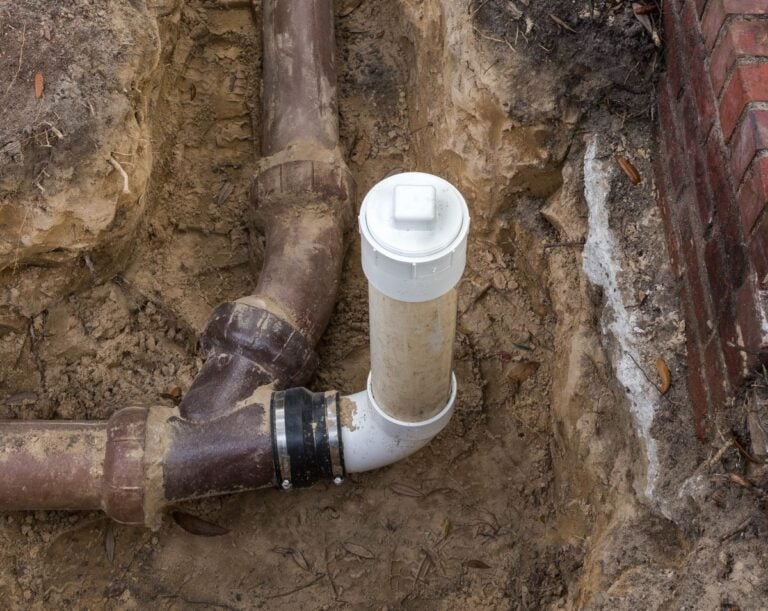
- Access improvements: Some warranties include installing a cleanout if one doesn’t exist.
Depending on the provider, warranties may also offer a 24/7 emergency hotline, annual inspections, or repair coordination services. These benefits can add convenience and reduce the stress of dealing with sewer issues.
What Warranties Often Exclude
It’s just as important to know what’s not covered. Many plans have exclusions that limit their usefulness.
- Pre-existing conditions: Issues identified before coverage started may be denied.
- Improper use: Damage from grease, toys, or non-flushable items may not qualify.
- Secondary damage: Mold remediation or damage to interiors is often excluded.
- Cleanout access: Some warranties require an existing cleanout to qualify.
- Upgrades or code corrections: Plans may not cover costs associated with bringing outdated systems up to current code.
Before signing, read the terms carefully to understand how claims are handled and what conditions void the coverage. Some warranties also require you to use their network of contractors, which may limit your flexibility.
Who Might Benefit Most from a Sewer Line Warranty?
A warranty isn’t for everyone, but in some cases it can offer peace of mind and real financial protection. Consider a plan if any of the following apply:
- Older homes: If your sewer line is made of clay, cast iron, or Orangeburg.
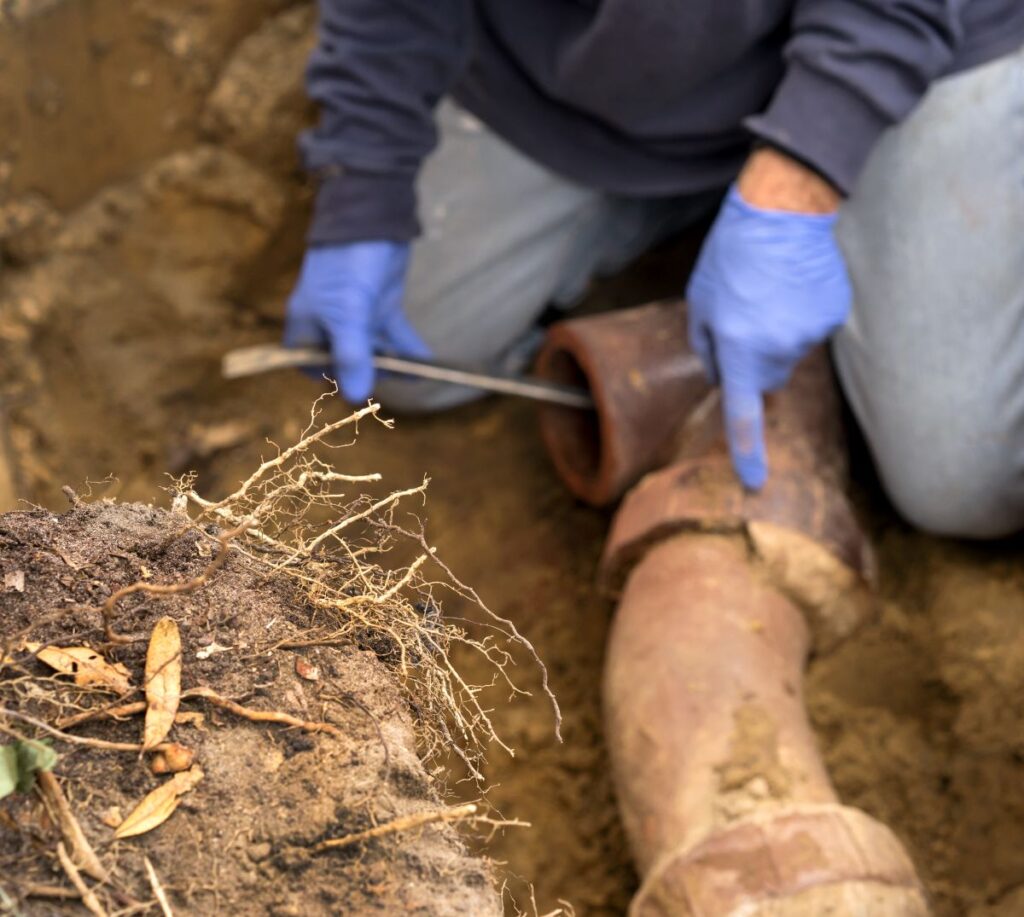
- Tree-heavy lots: Root intrusion is a leading cause of pipe failure.
- No emergency savings: A warranty could prevent budget disaster.
- Hilly terrain: Shifting soil can crack or misalign sewer lines.
- Recent home purchase: If you don’t yet know the history of the home’s sewer system.
If you’re not sure of your pipe’s condition, consider a camera inspection to better assess your risk before deciding. Many Seattle homeowners are surprised to learn that even homes built in the 1990s may have sewer lines that are nearing the end of their life expectancy.
When You Might Not Need One
For some homeowners, a sewer line warranty may not provide enough value to justify the cost. Reasons to skip it may include:
- Newer PVC sewer line: Durable and less prone to failure.
- Frequent fine print exclusions: Limited coverage may not match your risks.
- Already budgeted for repairs: If you have savings set aside for home emergencies.
- DIY inspection access: If you have a cleanout and know how to monitor line health.
- Known pipe condition: If you’ve recently replaced or lined the pipe, the risk is much lower.
Some Seattle homeowners may also be part of HOA communities or developments where the sewer lateral is shared or partially maintained by an association. In these cases, you may already have partial coverage built into your dues.
4 Additional Considerations for Seattle Homeowners
Seattle’s combination of old housing stock, wet climate, and tree-lined streets creates a higher-than-average risk for sewer line issues. Homes built before 1980 are especially prone to problems, as many were constructed with clay pipes that are now brittle and susceptible to cracking.
Keep in mind:
- Combined storm/sanitary sewers: Overflow issues can increase wear on private lines.
- Shifting soil: Rain and hillside settling can displace or break sewer pipes.
- Limited city responsibility: The city won’t fix problems on your private line.
- High tree density: Mature roots commonly penetrate joints and seams in old lines.
While the initial investment in a warranty may feel unnecessary, it can be a lifesaver when facing a repair that costs $6,000 to $15,000 or more. Many homeowners don’t realize these costs until they’re staring down a flooded yard or failed pipe.
Alternative Approaches to Managing Sewer Risk
If you decide a warranty isn’t the right fit, there are other proactive steps you can take to protect your sewer line and your budget:
- Schedule regular inspections: A camera scope every few years can catch problems early.
- Install a cleanout: This gives you and professionals easier access for maintenance and emergencies.
- Use root-control treatments: These can help deter regrowth in older pipes.
- Upgrade your line: Trenchless lining offers a long-term fix without excavation.
- Build an emergency fund: Setting aside money for home repairs gives you control over who you hire and how it’s fixed.
Taking preventive action gives you confidence and flexibility, with or without a warranty in place.
Weigh the Risk Before You Decide
A sewer line warranty can offer helpful financial protection—but it’s not a perfect solution for everyone. For Seattle homeowners, the decision comes down to your risk factors, your line’s condition, and your ability to handle an unexpected repair bill.
Understanding your pipe’s age and material is the first step. From there, weigh the likelihood of future problems against the cost and coverage of the warranty being offered. If you’re unsure, start with a camera inspection. It’s the fastest way to learn what kind of pipe you have, whether roots are an issue, and what future repairs might cost.
Take the time to assess your home’s sewer health today—and make an informed decision that protects your property tomorrow. Even if you never need to use a warranty, knowing you’re covered can offer real peace of mind.