

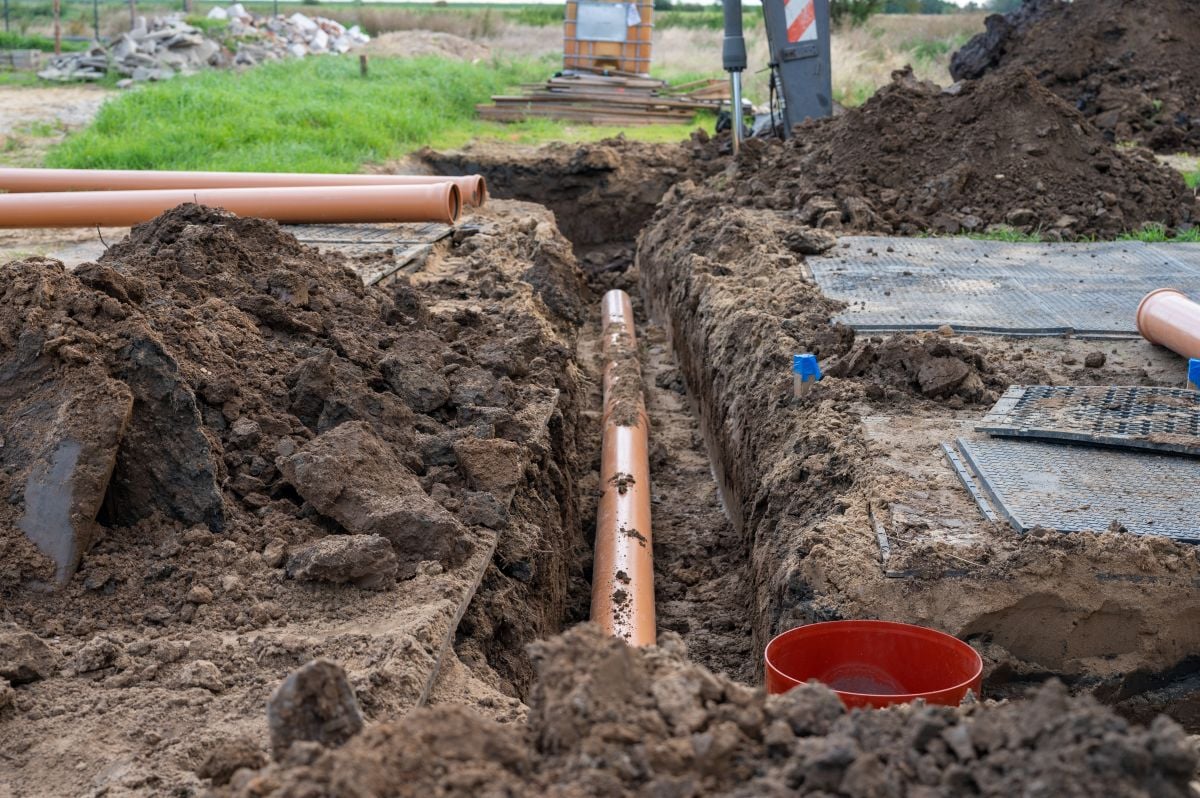
Sewer Line Replacement Cost Breakdown (2026)
If you’re facing the need for a full sewer line replacement, you’re probably wondering about the sewer line replacement cost in 2026, and the short answer is: it depends. While there are general price ranges based on local trends in Seattle, every job is different due to factors like depth, length, location, method, and material.
In this post, we’ll break down the cost variables that influence pricing, share local averages in Seattle and the surrounding areas, and explain what to expect for permitting, restoration, and upgrade options.
- Seattle-specific pricing: Sewer repairs here tend to cost more than the national average.
- Many variables: Costs depend on method, material, access, and more.
- No one-size-fits-all: Every home and property has unique challenges.
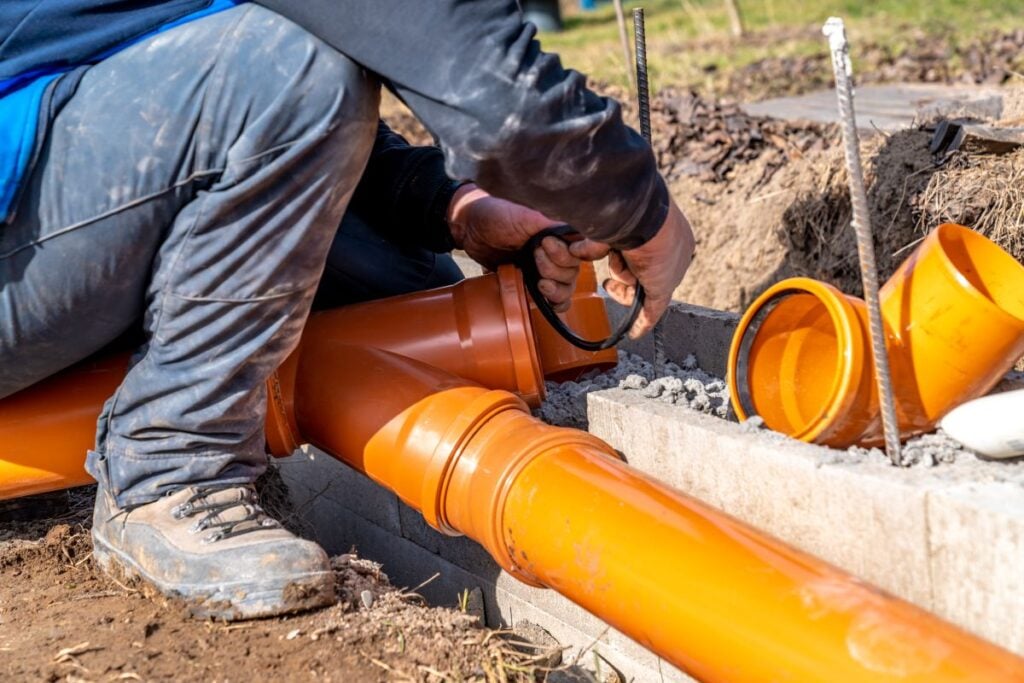
Average Sewer Line Replacement Cost in Seattle (2026)
Seattle homeowners can expect to pay between $10,000 and $32,000 for a full sewer line replacement in 2026, depending on the specifics of the job. Trenchless methods generally fall at the lower end of the scale, while traditional dig-and-replace jobs can cost significantly more.
- Trenchless sewer lining: $10,000 – $18,000
- Pipe bursting: $14,000 – $22,000
- Open trench excavation: $20,000 – $32,000+
These numbers are rough estimates based on Seattle’s current construction costs, permit fees, and labor rates. Homes in older neighborhoods with difficult access or shared laterals may incur additional expenses. Also, prices can vary significantly by season due to contractor availability and city permit timelines.
7 Factors That Affect Sewer Line Replacement Costs
- Length of the sewer line: Longer pipes require more material, time, and labor.
- Depth of the line: Deep lines increase excavation difficulty and cost.
- Access conditions: Narrow driveways, trees, retaining walls, or other obstacles complicate work.
- Repair method: Trenchless methods can reduce restoration costs but may not work in all situations.
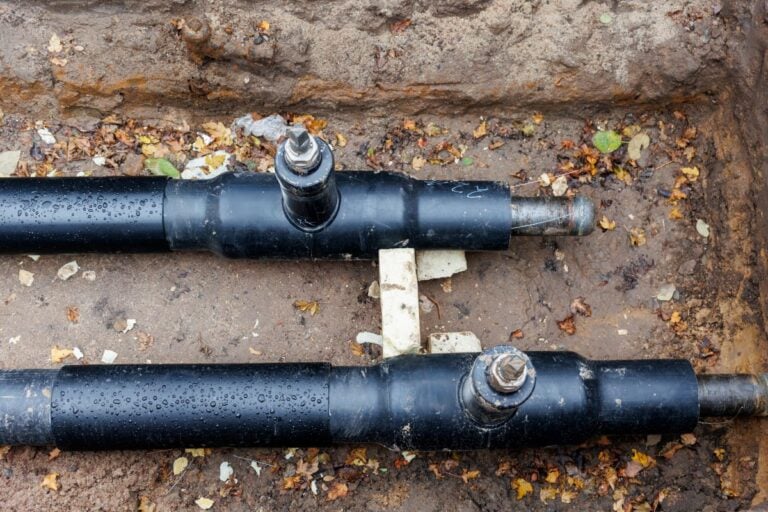
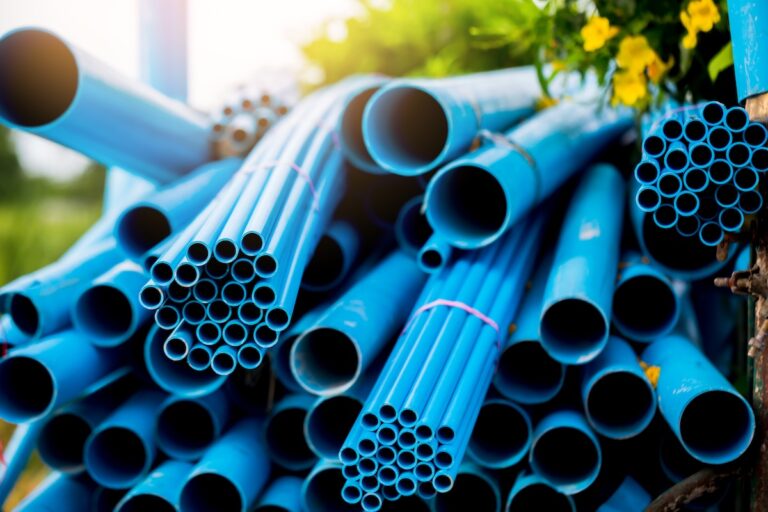
- Pipe material: PVC, HDPE, and cast iron vary in cost and durability.
- Permits and inspection fees: Seattle requires specific permits for sewer work, adding $500–$1,500+.
- Restoration needs: Driveway or landscaping repairs post-replacement can add thousands.
Some projects also require temporary rerouting of plumbing, especially if the repair extends into the home’s crawl space or under slab foundations. This can increase cost and complexity.
Trenchless vs. Traditional Sewer Replacement
Seattle’s hilly terrain, older housing stock, and tight property lines make trenchless sewer repair a popular option. Here’s how it compares:
Trenchless Sewer Line Replacement
- Minimal digging: Only small entry and exit pits are required.
- Faster timeline: Most jobs take 1–2 days.
- Lower landscape impact: Driveways and gardens stay intact.
- Costs: Generally between $10,000–$18,000 for the average Seattle home.
Trenchless methods are best when the existing pipe is structurally intact enough to support relining or bursting. Homes with clay or cast iron pipes that are cracked but not collapsed often qualify.
Traditional Open Trench Sewer Replacement
- Full excavation: Yard, driveway, and sidewalks may be disrupted.
- Longer duration: Jobs may take 3–5+ days.
- High restoration cost: Pavement and landscaping repair adds thousands.
- Costs: Range from $20,000 to $32,000+ depending on conditions.
This method is usually required if the pipe has fully collapsed or trenchless access is blocked by utilities or structures. It’s also the only option in some historic districts with certain utility restrictions.
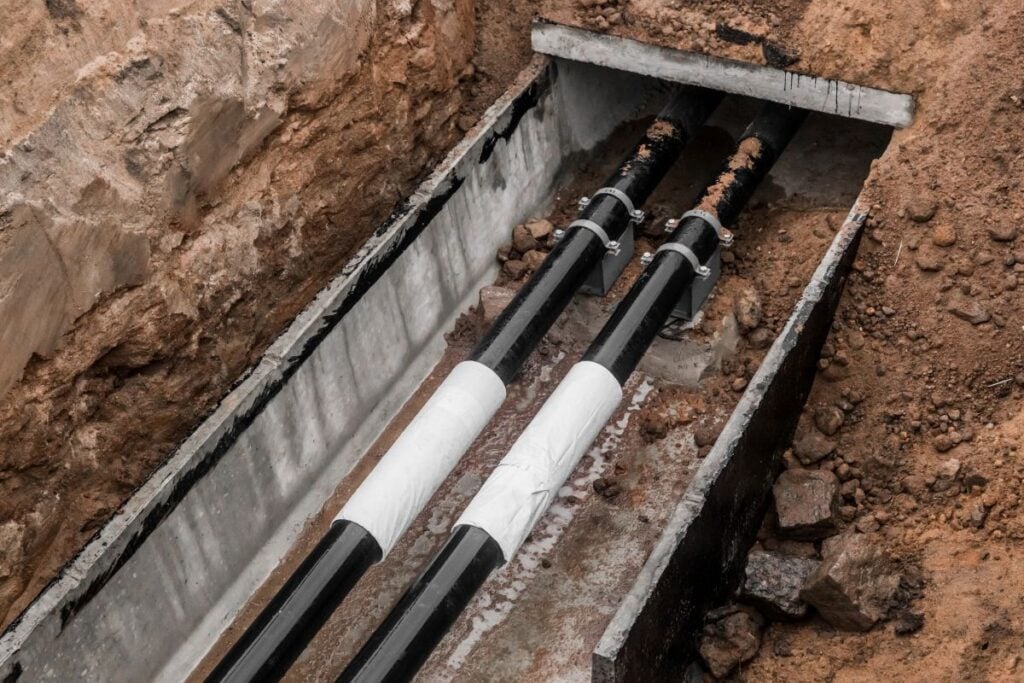
Permitting and Inspection Costs in Seattle
Seattle Public Utilities requires permits for all sewer replacement work. Expect these costs:
- Standard sewer permit: $550–$1,200 depending on line length.
- Right-of-way permit (if digging in street): $1,000–$3,000+
- Inspection fees: Vary by project scope and duration.
Permits are often needed from multiple departments, especially if the work affects sidewalks or city roads. It’s not uncommon for the permitting process to take several weeks depending on weather and demand.
Additional Costs to Watch For
Depending on your property and pipe condition, you may encounter additional charges. These include:
- Tree root removal: Especially common in older neighborhoods.
- Shared lateral separation: Required in some Seattle districts.
- Backwater valve installation: Optional but recommended for flood prevention.
- Cleanout installation: Adds access for future maintenance.
- Rock excavation: Some properties on hills may require jackhammering through basalt or glacial till.
Each of these can add $500–$5,000+ depending on scope. It’s important to ask your contractor about any conditions that may not be visible on a camera inspection.
Financing and Homeowner Tips
Because sewer line replacement is rarely planned, many Seattle homeowners rely on financing options. You may be eligible for:
- Low-interest financing: Some utility or city-sponsored programs exist.
- Home equity loans or HELOCs: Common for major infrastructure repairs.
- Insurance riders: Some policies cover sewer damage, but not replacement.
Tips for reducing cost or stress:
- Get 2–3 estimates to compare methods and timelines.
- Request camera footage to verify the diagnosis.
- Ask about trenchless eligibility even if you suspect a dig is required.
- Confirm permit requirements before the work begins.
- Plan for restoration if driveways or hardscape will be affected.
Common Sewer Materials Used in Seattle Replacements
The material used in your sewer replacement will affect the overall cost and lifespan of the system:
- PVC: Lightweight and affordable; commonly used in residential sewer replacements.
- HDPE: Flexible and durable; often used in trenchless bursting.
- Cast iron: Rarely used in modern work due to weight and cost.
PVC is the most common material for open trench replacements, while HDPE is favored for pipe bursting applications.
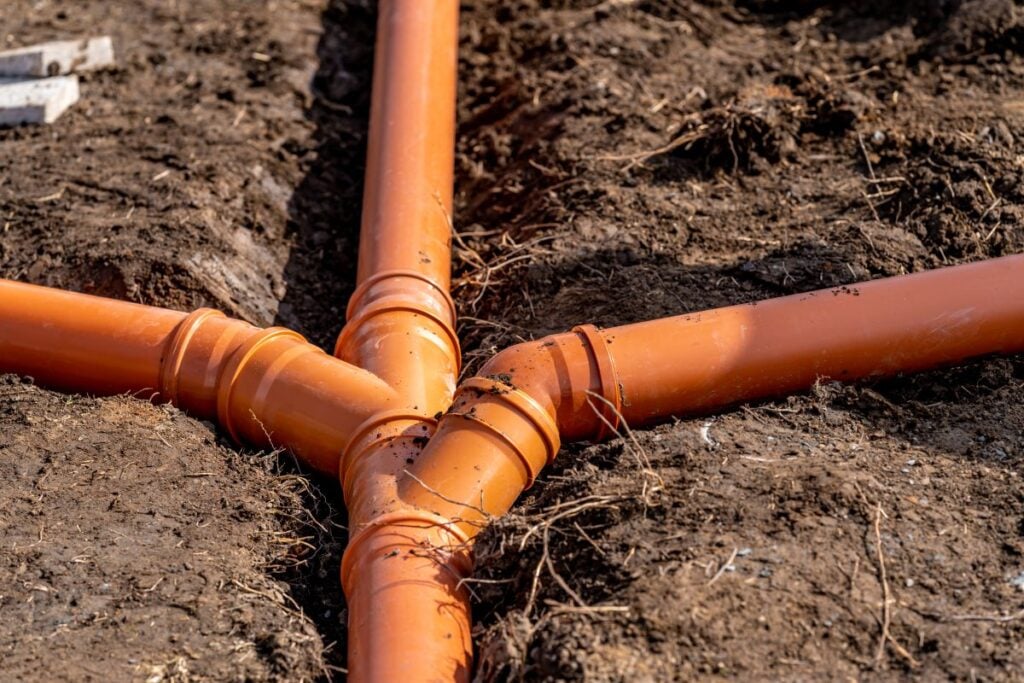
How to Prepare for a Sewer Replacement Project
Replacing a sewer line isn’t just about the pipe. Here are steps to take before work begins:
- Notify neighbors if work will impact shared access or easements.
- Move vehicles from driveways or garages to allow equipment access.
- Mark utilities in advance to avoid delays.
- Discuss restoration options and responsibilities with your contractor.
In Seattle’s rainy season, scheduling your project during dry months (typically May through September) can help reduce weather-related delays and site damage.
Know Before You Dig
The true sewer line replacement cost in 2026 depends on your home’s layout, pipe depth, access points, and preferred repair method. While Seattle homeowners can expect to spend between $10,000 and $32,000, every situation is different.
Understanding your options, asking the right questions, and working with experienced sewer specialists can help you avoid hidden costs and protect your investment.
Contact Brewer Sewer today for a same-day inspection and free estimate. Let’s figure out the right solution for your home’s sewer line replacement.