

Sewer Line Repair Cost in 2025 (4 Factors)
Sewer line repair cost is a common question homeowners ask when something goes wrong with their plumbing. For many residents in West Seattle and surrounding areas, sewer issues can come up unexpectedly and leave you wondering what a realistic price looks like. The good news is that knowing what influences cost can help you make smarter repair decisions and avoid unpleasant surprises.
- Every property is different: Location, pipe material, and accessibility all matter.
- Repair methods vary: Traditional and trenchless options affect price in different ways.
- Planning helps: Understanding these factors allows for better budgeting and fewer headaches.
When it comes to sewer line repairs, a little knowledge goes a long way. Let’s break down what really drives pricing in 2025 so you can confidently plan your next sewer line replacement or repair.
Understanding Sewer Line Repair Costs
Every sewer system is unique, which means no two repair projects are exactly the same. Costs depend on the size of the problem, the type of property, and the method used to fix it. A small section of damaged pipe may cost only a few thousand dollars, while a full replacement could be much higher. Homeowners in West Seattle often face added challenges because many older homes still rely on aging pipes that are more fragile and harder to access.
When technicians inspect your sewer line, they determine whether a partial fix, trenchless repair, or full excavation is necessary. The approach they recommend directly impacts the total price.

What Makes Estimates Different
- Material type: Clay, cast iron, or concrete pipes require different tools and repair processes.
- Pipe location: Pipes running under driveways or patios take longer to reach.
- Condition of the system: The worse the damage, the more extensive the repair.
Choosing Between Traditional and Trenchless
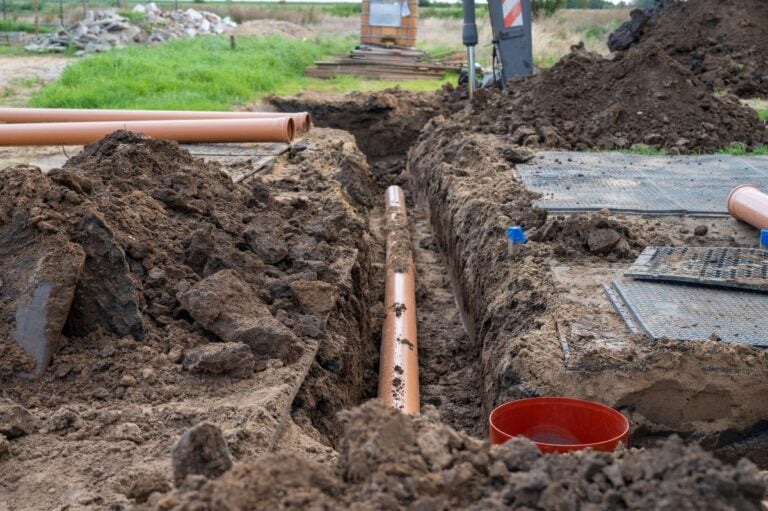
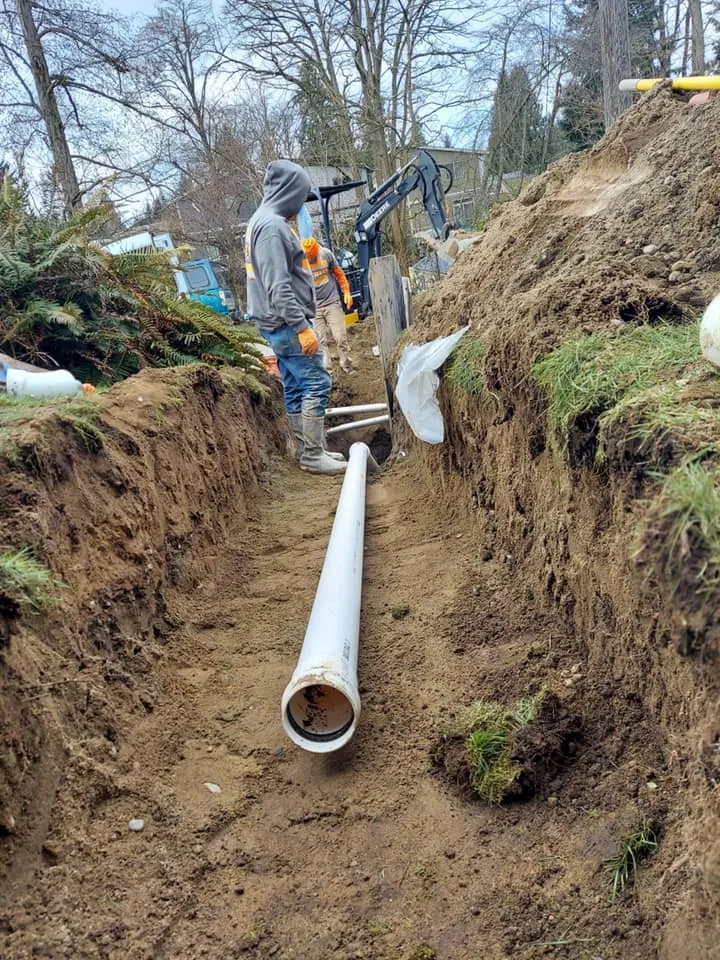
Traditional excavation involves digging an open trench to reach the pipe, while trenchless methods repair or replace it from within. Trenchless solutions usually have a higher upfront cost but save homeowners money on restoration afterward. In neighborhoods like West Seattle, where landscaping and paved surfaces are common, trenchless repairs can be a cost-effective option in the long run.
4 Major Factors That Affect Sewer Line Repair Cost
- Extent of the damage: The size and severity of the issue determine how much labor and material are needed.
- Repair technique: Trenchless repairs typically differ in price from traditional excavation.
- Ease of access: Limited access or obstacles can make the job more complex.
- Length and depth of the line: Deeper or longer systems require more time and materials.
1. Factor One: Extent of Damage
The overall condition of your sewer line has the greatest impact on cost. Minor cracks or joint separations may be resolved with spot repairs, while collapsed pipes or severe corrosion could require replacement. Homes in West Seattle often have older sewer systems that can deteriorate over time, making early detection key to managing costs.
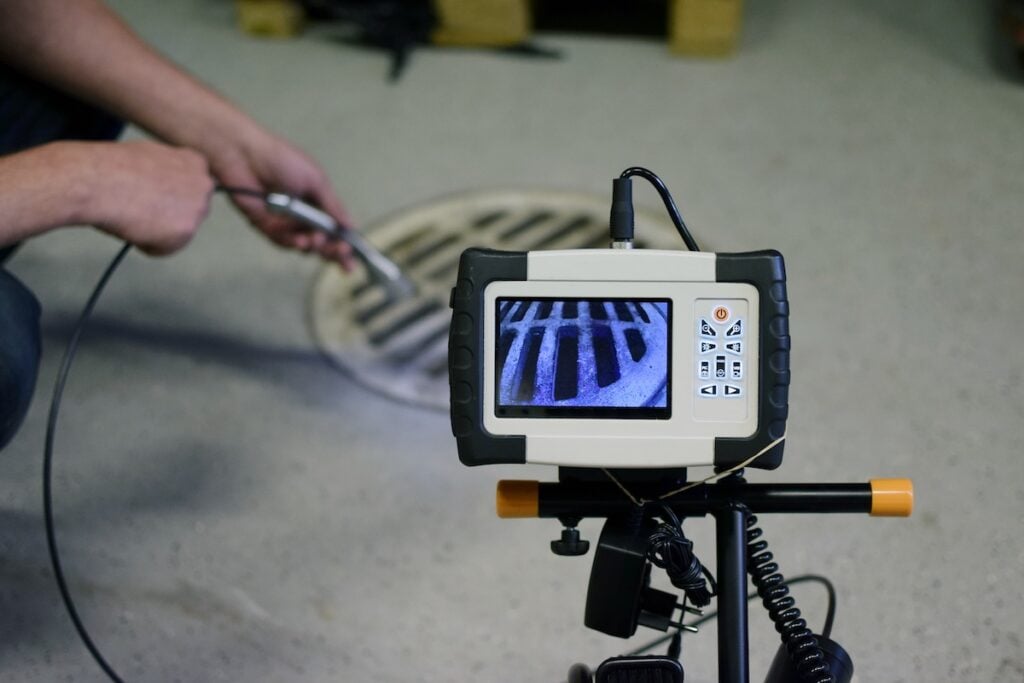
A professional video inspection provides a clear picture of what’s going on underground. This allows technicians to diagnose the issue accurately and give you a transparent estimate before work begins.
How Damage Level Affects Cost
- Small cracks: Often repaired with a liner or sectional patch.
- Severe collapse: Requires full replacement of the affected section.
- Root in Sewer Line: Adds extra labor for cleaning and pipe preparation.
2. Repair Technique
The type of repair used is another major pricing factor. Traditional digging is still used for severely damaged systems or pipes that cannot be relined. However, trenchless techniques have become increasingly popular due to their speed and property-friendly design.
In West Seattle, trenchless methods are often recommended for homes with established landscaping or concrete driveways, where excavation would cause significant damage. These solutions use advanced tools to repair or replace pipes from within, eliminating the need for long trenches.
Cost Comparison Between Repair Methods
- Excavation: Involves digging and restoring the yard afterward, adding to total expense.
- Pipe bursting: Breaks the old pipe and installs a new one in its place.
- CIPP lining: Creates a “pipe within a pipe” using a cured resin liner for long-term durability.
3. Accessibility of the Line
Accessibility determines how easy it is to reach the damaged portion of your sewer system. If the line runs under a house, large tree, or driveway, the cost of labor and equipment increases. Many West Seattle properties sit on sloped lots or have limited yard space, which can complicate access and increase time on site.
When access is tight, technicians often rely on smaller machinery or manual excavation. These extra steps can slightly increase the total price, but they ensure safety and precision during repair.
Common Accessibility Challenges
- Concrete surfaces: Driveways or patios make entry points harder to reach.
- Steep terrain: Hillsides require additional setup and safety measures.
- Tight access: Small yards or fences limit where crews can work.
4. Length and Depth of the Pipe
The length and depth of the sewer line also play a major role in total cost. Deeper systems require more equipment and longer working hours, while longer runs mean more material. If the line travels under a street or extends far from the property, the repair process becomes more labor-intensive.
In West Seattle, many homes are built on older lots with pipes that extend beneath public easements or across large yards. These extended runs add both time and material costs to the project.
Pipe Dimensions and Depth Considerations
- Longer lines: Require additional pipe or liner material.
- Deeper installations: Increase excavation and safety requirements.
- Wider pipes: Need more resin or structural material for lining.
How Homeowners Can Prepare for Sewer Repairs
Planning ahead helps you control costs and minimize disruption. Homeowners can reduce surprises by scheduling regular inspections and taking preventive measures before major issues develop. In areas like West Seattle, where older infrastructure is common, proactive maintenance is the best way to avoid costly emergencies.
Keeping records of your sewer system condition also helps. When you know the pipe’s age, depth, and previous repair history, you can get more accurate estimates and make better long-term repair choices.
Practical Steps to Plan Ahead
- Schedule a camera inspection: Identifies damage before it becomes severe.
- Budget for maintenance: Setting aside funds avoids last-minute financial strain.
- Compare multiple estimates: Reviewing quotes helps ensure fair pricing.
Additional Costs Homeowners Should Expect
Beyond the repair itself, there are often secondary costs that homeowners overlook. Some are optional upgrades, while others are necessary for restoring the property after the repair.
Typical Extra Expenses
- Permits and inspections: Required by local regulations before work begins.
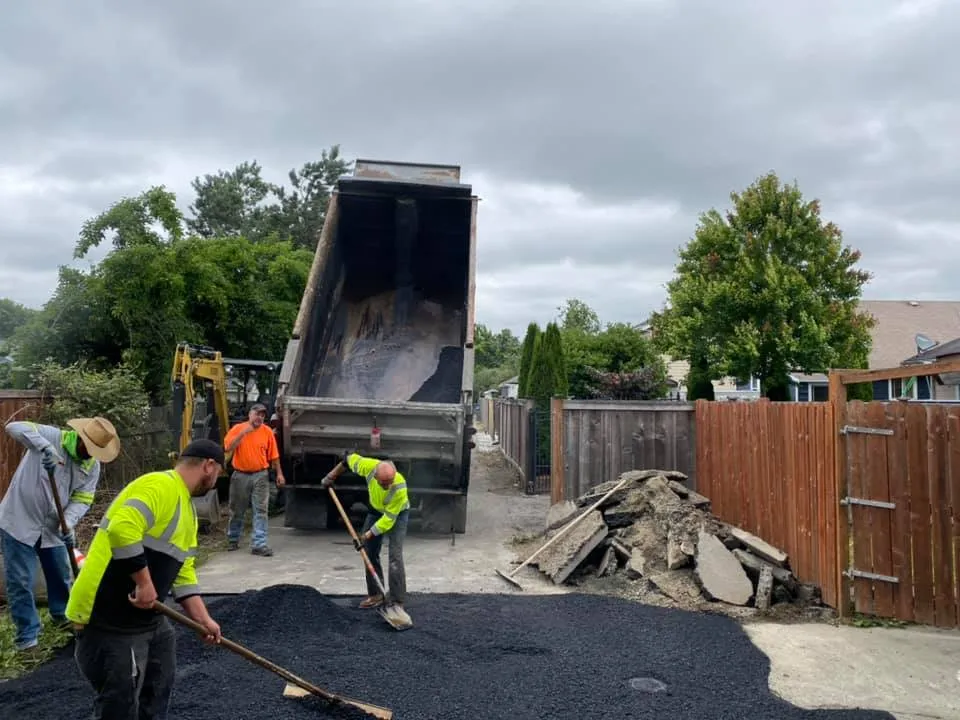
- Surface restoration: Fixing landscaping, sidewalks, or patios after the job.
- Disposal fees: Cover removal of damaged pipe material and soil.
These extra costs are not always significant but should be part of your planning. A transparent company will include these details in your estimate so there are no surprises when the bill arrives.
Get a Clear Estimate From Brewer Sewer
Sewer line repair cost depends on multiple factors, including damage severity, repair method, accessibility, and pipe length. Homeowners in West Seattle and surrounding areas can better manage their repairs by understanding how these elements influence pricing. Brewer Sewer takes pride in providing accurate estimates, transparent communication, and expert trenchless and traditional sewer services. If you need a reliable repair and want clear pricing with no surprises, contact Brewer Sewer today for a free estimate and trusted guidance from the local experts who care about your home.