

Sewer Leak Detection: 4 Ways to Find the Source
When you notice water pooling in your yard, foul odors, or a sudden spike in your water bill, it might be time to consider sewer leak detection. While it’s easy to assume the problem lies inside your home, many leaks actually originate underground, where sewer lines run from the house to the city main.
Knowing how to locate the source of a sewer leak is the first step toward resolving it quickly and avoiding costly damage to your home or landscaping.
- Hidden leaks: Underground sewer lines can leak for months before being detected.
- Unpleasant symptoms: Foul odors or lush patches of grass can be early warning signs.
- Early action saves money: Fast detection prevents structural or yard damage.
Why Sewer Leaks Are Hard to Spot
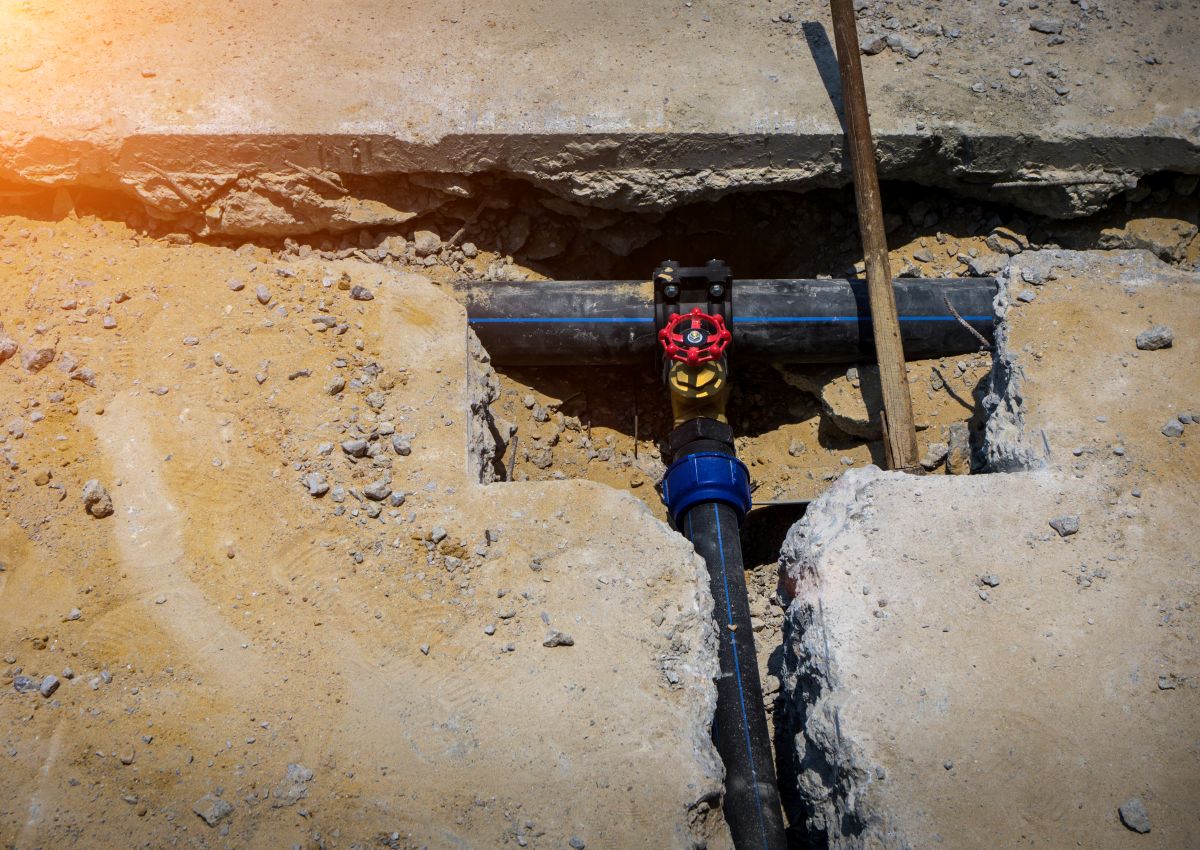
Unlike interior plumbing leaks that leave water stains or dripping noises, sewer leaks often go unnoticed for weeks or even months. They’re usually buried several feet underground and surrounded by soil, making them hard to access or inspect without specialized tools.
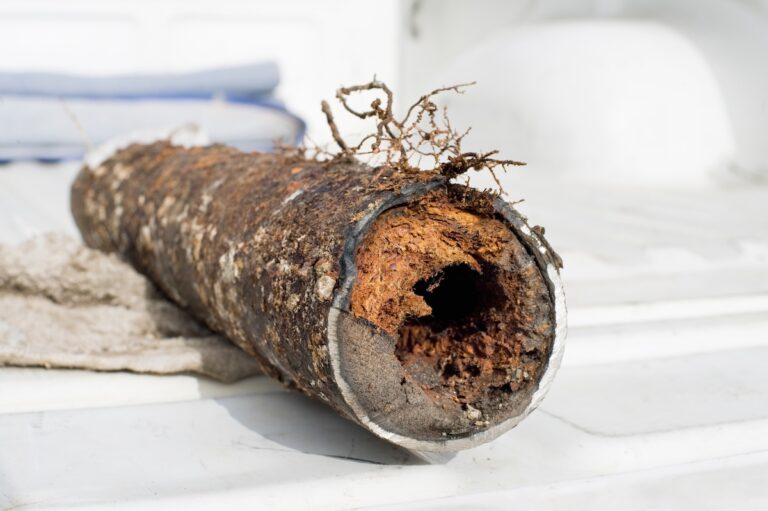
Leaks can result from cracked pipes, tree root intrusion, shifting soil, or corrosion, especially in older Seattle homes with clay or cast iron lines. Even newly constructed homes can face issues due to ground settling, improper installation, or poorly compacted soil.
In many cases, the symptoms are subtle and easy to dismiss. A wet patch in the grass might seem harmless until it turns into a sinkhole. That’s why it’s crucial to catch and address sewer leaks early.
Signs You Might Have a Sewer Leak
Some early symptoms to watch for include:
- Foul sewage odors outdoors
- Sudden soft spots in your yard
- Patches of extra green grass
- Rodent or insect activity near the foundation
- Recurring backups or slow drains
- Foundation cracks or settlement
- Mold growth in basements or crawl spaces
- Unexplained increases in water usage
Any one of these signs should prompt further investigation. Waiting too long can lead to bigger problems, including damage to your foundation, landscaping, or even adjacent properties.
4 Methods for Effective Sewer Leak Detection
Modern technology has made sewer leak detection more accurate and less invasive than ever. Depending on your property layout, pipe material, and symptoms, one or more of the following methods may be used to locate the issue.
1. Camera Inspection
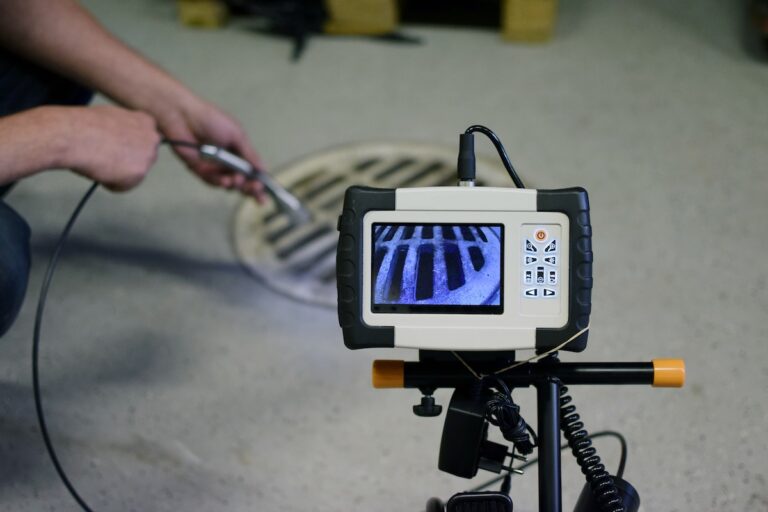
A high-definition sewer camera is inserted into the sewer line through a cleanout. It allows technicians to see inside the pipe in real time, identifying cracks, breaks, intrusions, and blockages.
- Best for: Visual confirmation of damage
- Benefits: Non-invasive and accurate
- Limitations: May not detect leaks if water isn’t present
- Cost: $300–$600 depending on the length of the pipe and location
Camera inspections are often the first step in leak detection and are commonly bundled with drain cleaning or maintenance services.
2. Smoke Testing
This involves pumping non-toxic smoke into the sewer system. If there’s a leak or improper connection, the smoke will escape and become visible above ground.
- Best for: Pinpointing leaks in hidden or hard-to-access locations
- Benefits: Highly effective in older or complex systems
- Limitations: Requires dry conditions and access to vent stacks
- Cost: $500–$1,000 depending on home size and complexity
Smoke testing is commonly used in municipal inspections but can be just as effective for residential sewer systems with suspected leaks.
3. Hydrostatic Pressure Testing
Water is added to the sewer system and monitored to see if pressure drops over time, which would indicate a leak.
- Best for: Whole-system testing when location of leak is unknown
- Benefits: Confirms leak presence without digging
- Limitations: May require follow-up to locate exact leak location
- Cost: $600–$1,200 depending on system size
Pressure testing is often used in conjunction with other detection methods for accurate diagnostics.
4. Soil Probing and Dye Testing
Technicians introduce tracing dye into the system and use soil probes to detect where the colored water surfaces. This can confirm leaks without needing full excavation.
- Best for: Isolating outdoor leaks affecting soil or vegetation
- Benefits: Minimal disruption
- Limitations: Less precise on sloped terrain or during heavy rain
- Cost: $300–$800
This method is ideal for confirming if visible moisture or vegetation changes are connected to sewer system issues.
Choosing the Right Detection Method
The right sewer leak detection method depends on:
- Location of symptoms (indoor vs outdoor)
- Age and material of the sewer line
- Access to cleanouts or vents
- Soil conditions and weather
Experienced sewer specialists will often use more than one method to ensure accuracy. For example, they may start with a camera inspection and follow up with smoke testing for confirmation. Multi-step diagnostics help ensure that repairs target the true source of the issue, not just the symptoms.
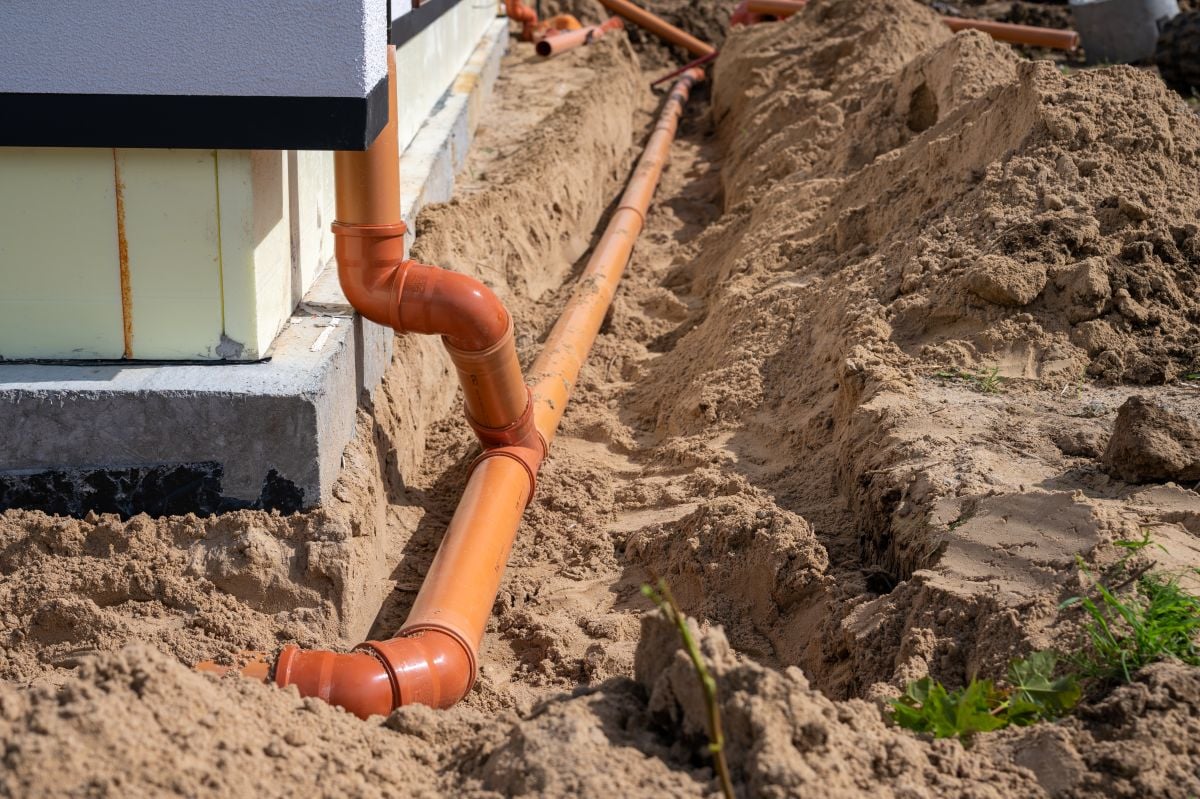
What Happens After Detection?
Once the leak source is confirmed, your technician will recommend a repair strategy. This could include:
- Spot repairs for small cracks or isolated breaks
- Trenchless lining or bursting for more extensive damage
- Root removal and pipe reinforcement
- Cleanout or backwater valve installation
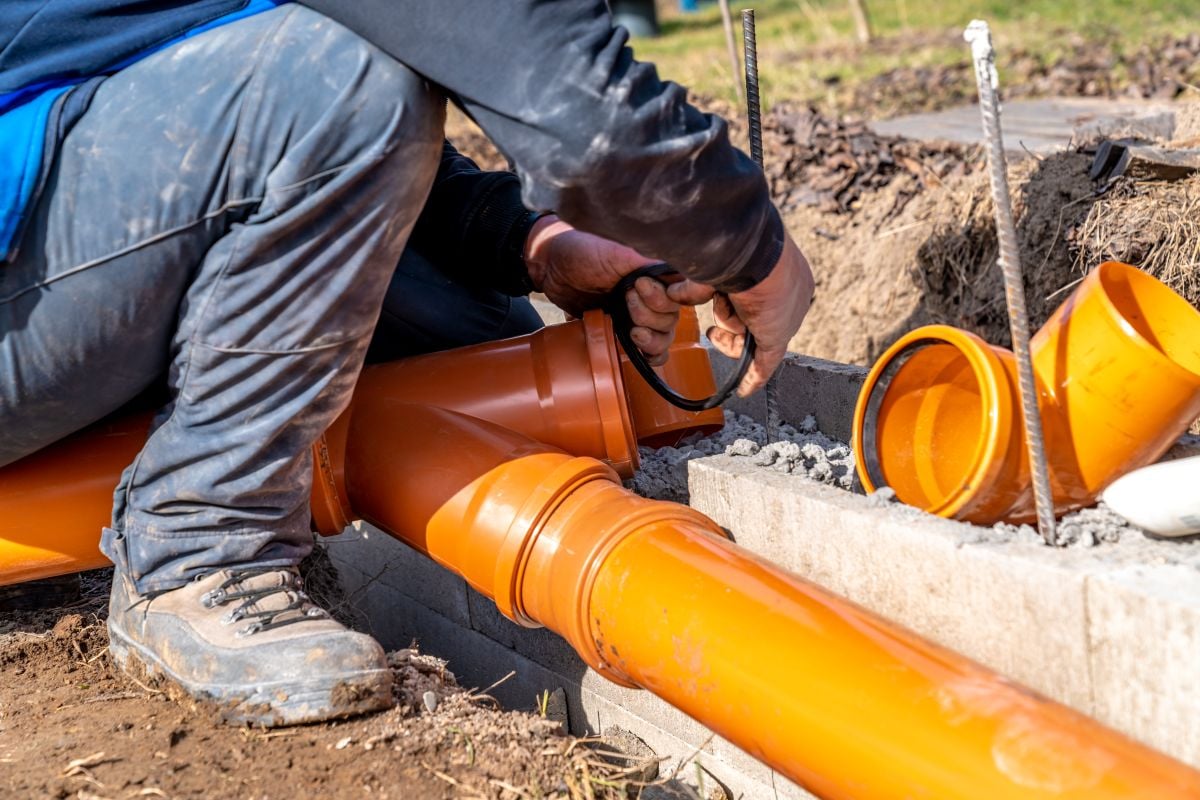
- Full line replacement if the damage is widespread
In some cases, early detection allows for lower-cost trenchless repairs instead of full line replacements. That’s why acting quickly is so important.
Sewer Leak Prevention Tips
While some leaks are unavoidable, homeowners can reduce their risk with the following steps:
- Avoid planting trees near sewer lines
- Schedule regular sewer camera inspections
- Use water responsibly to avoid pressure changes
- Install root barriers or chemical treatments if roots have been a past issue
- Ensure proper drainage grading to direct rainwater away from sewer connections
If your neighborhood has a history of sewer issues, consider annual checkups to stay ahead of potential problems. Preventive maintenance is far more affordable than emergency repairs.
Why Sewer Leaks Matter More in Seattle
Seattle’s unique soil types, high rainfall, and mature trees create the perfect storm for sewer line leaks. Many homes built before the 1980s use clay pipes, which are more prone to cracking and root intrusion. Combined with hilly terrain and shared laterals in older neighborhoods, these factors increase the likelihood of undetected sewer problems.
In wetter months, leaks can turn into full system failures. Wet soil increases hydrostatic pressure, making leaks spread faster. That’s why early detection in Seattle homes is especially critical.
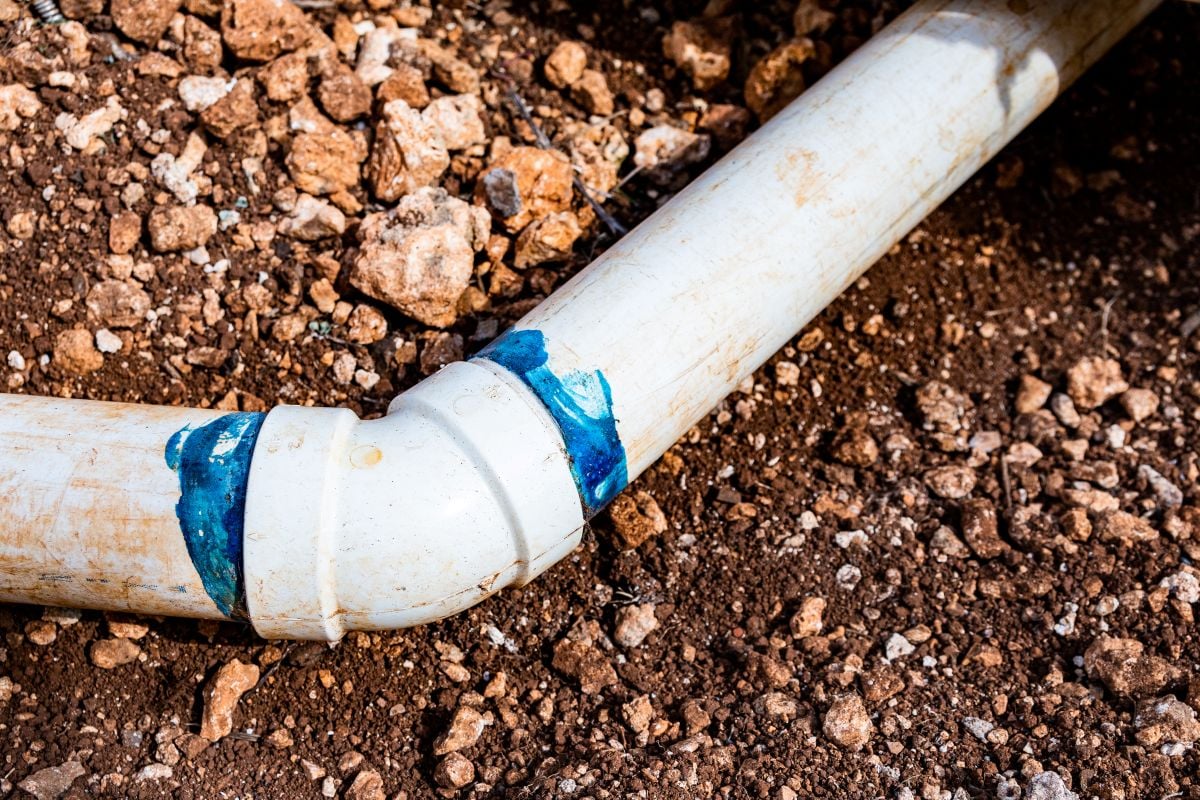
Don’t Wait for Damage to Spread
If you suspect a leak, prompt sewer leak detection can prevent costly structural repairs and protect your property. Seattle’s rainy climate and older housing stock make exterior sewer inspections especially important.
Contact Brewer Sewer today for a fast, accurate leak detection service, and get peace of mind before a small leak becomes a big problem.