
Sewage Ejector Pump Guide For Homeowners
If your home has a basement bathroom or laundry room below the main sewer line, you likely rely on a sewage ejector pump to move waste uphill and out of your home. These powerful pumps are essential for preventing backups and keeping plumbing systems running smoothly—especially in split-level or older Seattle homes.
In this guide, we’ll explain what a sewage ejector pump does, how to know if you need one, signs of failure, and what homeowners can do to maintain and repair them.
- Gravity limitations: Waste can’t flow uphill without mechanical help.
- Preventing backups: Ejector pumps keep lower-level fixtures draining properly.
- Often overlooked: Many homeowners don’t realize they even have one until it breaks.
What Is a Sewage Ejector Pump?
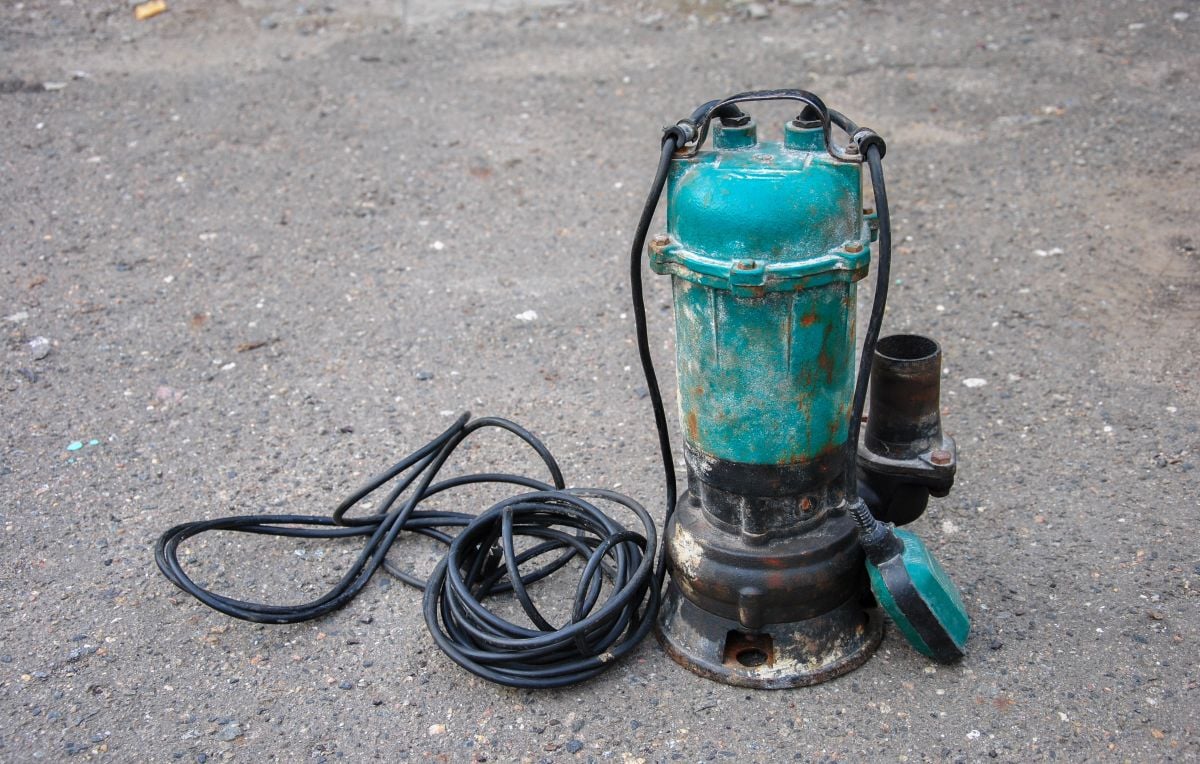
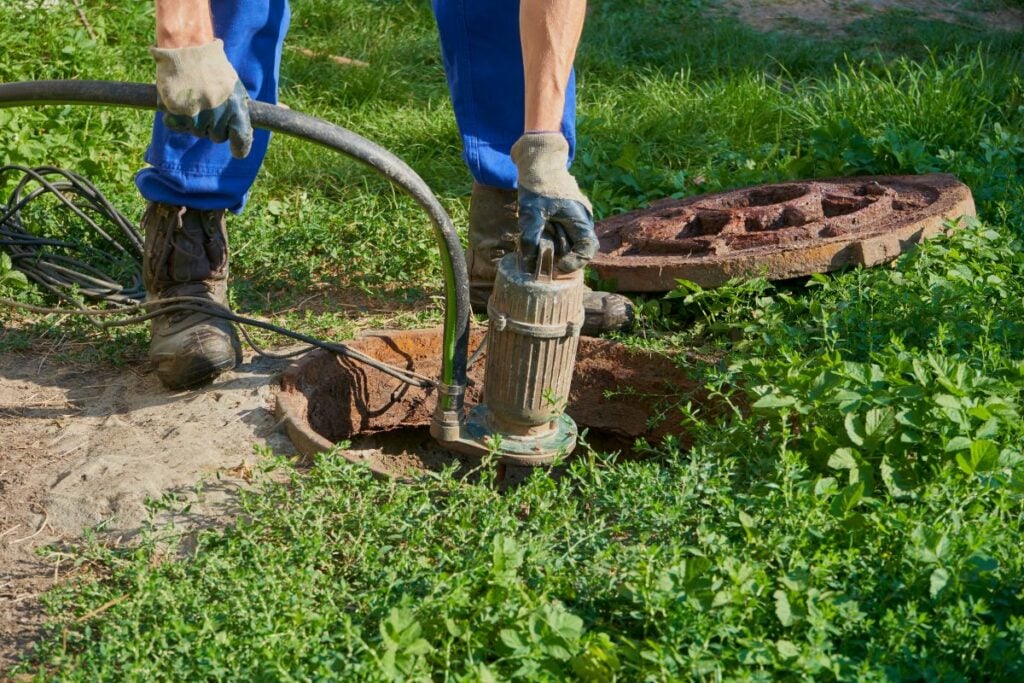
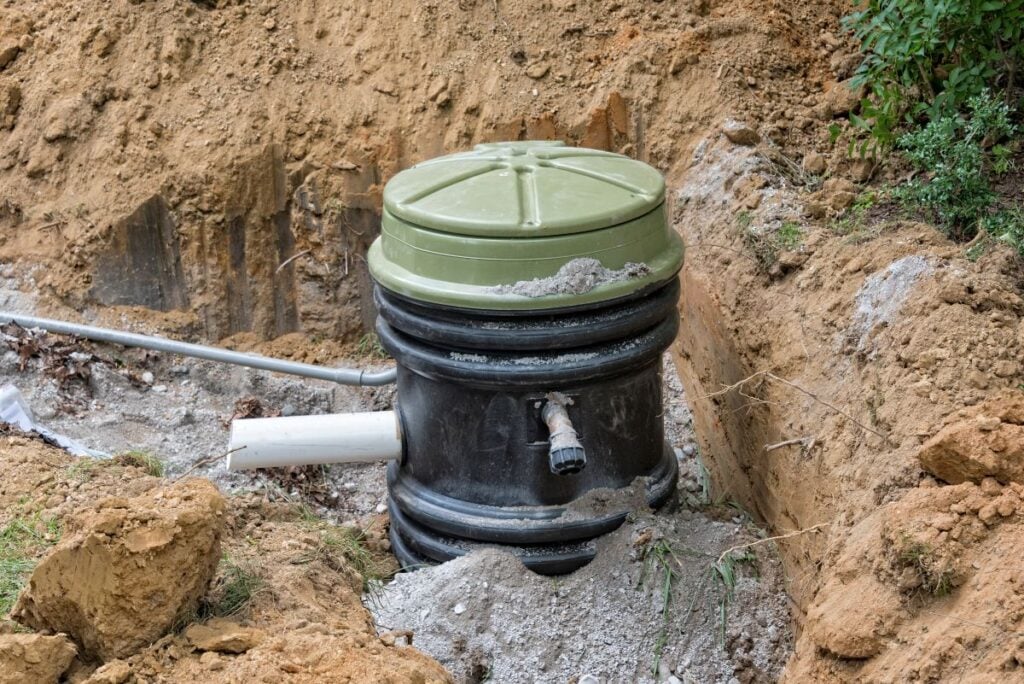
A sewage ejector pump is a device installed in a basin or pit below floor level. Its job is to collect wastewater from basement fixtures (toilets, sinks, showers, washers) and pump it up to meet the main sewer or septic line.
These pumps are different from sump pumps. While sump pumps handle groundwater seepage, sewage ejectors handle solid and liquid waste from household plumbing.
The basin holding the pump is typically sealed and vented. It collects waste until a certain level is reached, triggering the pump to activate automatically and discharge the contents through a dedicated sewer line. Most systems include a check valve to prevent backflow.
Who Needs a Sewage Ejector Pump?
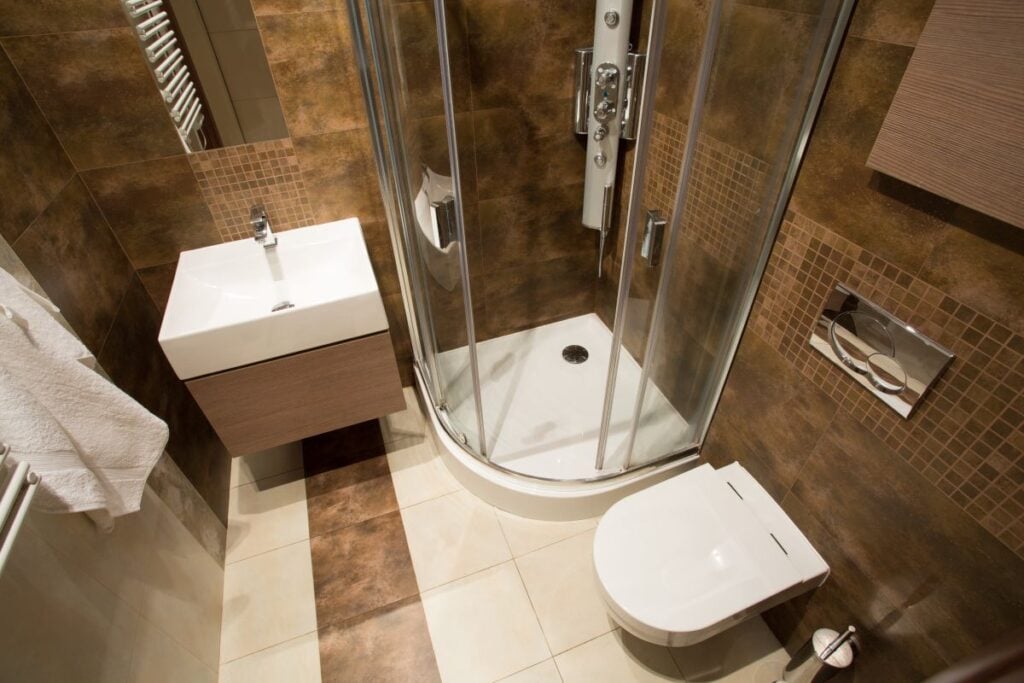
Not every home needs one. You only need a sewage ejector pump if you have plumbing fixtures below the level of your main sewer outlet. This includes:
- Basement bathrooms or kitchens
- Basement laundry or utility sinks
- Homes on hillsides with uneven elevations
- Older Seattle homes with deep foundations
In Seattle, many older neighborhoods were built before modern sewer grading standards. If your home sits lower than the street or your sewer lateral exits at a higher elevation, an ejector pump ensures that waste can leave your home safely and efficiently.
How Sewage Ejector Pumps Work
Once wastewater enters the basin, the pump activates automatically when a float switch rises with the water level. It then grinds and pumps the waste through a discharge line connected to the main sewer pipe.
- Pump capacity: Most residential units can handle up to 2-inch solids.
- Discharge lines: Must be sealed and vented to prevent sewer gas leaks.
- Check valve: Prevents pumped waste from flowing back into the pit.
The float switch mechanism is a key component. If it fails or sticks, the pump won’t activate, potentially causing a backup. Similarly, improper venting or incorrect pipe slope can result in slow drainage or unpleasant odors.
Common Sewage Ejector Pump Problems
Just like other mechanical systems, ejector pumps can wear out over time. Common issues include:
- Pump failure: Causes waste to back up into the lowest drain.
- Float switch malfunction: Prevents the pump from activating.
- Clogs in discharge line: Can trigger alarms or flooding.
- Odors: May result from lack of venting or trapped waste.
- Electrical issues: Power loss or tripped breakers stop the system from working.
Basement flooding is often the first sign of failure, but subtle issues like gurgling drains or intermittent odors can indicate a developing problem.
5 Signs Your Sewage Ejector Pump Needs Service
- Unusual noises: Grinding, clanking, or buzzing may indicate motor or impeller issues.
- Frequent cycling: If the pump turns on and off constantly, the float switch or control panel may be failing.
- Water backing up: Toilets or drains in the basement begin to overflow.
- Odor near the pit: Persistent smells suggest trapped waste or broken vent lines.
- Alarm activation: Many systems have audible or visual alarms when problems occur.
It’s a good idea to respond quickly to any of these signs to avoid more serious and costly repairs.
Maintenance Tips for Homeowners
Taking care of your sewage ejector pump helps extend its lifespan and prevent messy failures.
- Annual inspection: Have a professional check components and test the float switch.
- Keep the pit sealed: Reduces odors and keeps debris out.
- Avoid flushing wipes or grease: These can clog the impeller or pipe.
- Test the pump: Pour water into the pit and ensure it activates and empties quickly.
- Label breakers and alarms: Make sure your electrical system is clearly marked for emergencies.
Homeowners who perform simple monthly checks can catch issues early. For example, lifting the pit lid and checking water levels or debris buildup can be very telling.
When to Replace Your Sewage Ejector Pump
Most residential pumps last 7–10 years with proper care. You may need to replace yours sooner if it:
- Runs constantly without pumping
- Frequently clogs despite maintenance
- Leaks sewage or foul water from seals
- Requires frequent service calls
- Isn’t sized correctly for current usage
If you’re planning a basement remodel, it’s often smart to replace an old pump proactively to avoid future headaches. Upgrading to a modern pump with built-in alarms or battery backups can offer better performance and peace of mind.
Sewage Ejector Pump vs. Grinder Pump
These two systems are sometimes confused, but they serve different needs.
- Sewage ejector pump: Moves waste and water to the sewer line. Suitable for most homes with basement plumbing.
- Grinder pump: Grinds solid waste into slurry for high-pressure pumping. Used in homes with uphill or long-distance discharge needs.
Knowing which system your home uses is important when planning service or replacement.
Code Compliance and Installation Tips
Installing a sewage ejector pump isn’t just a matter of plumbing—it involves electrical work, venting, and adherence to local codes.
- Permit requirements: Seattle often requires permits for new ejector installations.
- Proper venting: Essential to prevent sewer gases from entering the home.
- Check valve and shutoff: Critical for preventing backflow.
- Electrical outlet and alarm: Systems should have dedicated power and warning systems.
Always hire a licensed contractor familiar with local code. Improper installations can void warranties and cause serious hazards.
Keep Your Basement Protected
A sewage ejector pump may be out of sight, but it’s critical to your home’s plumbing system. Seattle homeowners with basements or hillside properties should understand how these pumps work, what causes them to fail, and when to call in a professional for help.
Routine inspection and maintenance help extend the life of your system, avoid surprise backups, and ensure your basement stays clean and dry year-round.
Stay ahead of costly sewer backups by knowing the signs of ejector pump trouble—and keeping yours in top condition. Whether you’re planning a remodel or dealing with drain issues, understanding your ejector pump is one of the smartest things you can do as a homeowner. Contact Brewer Sewer today for a same-day inspection and free estimate.