
Roots in Sewer Line: What to Do When Tree Roots Invade
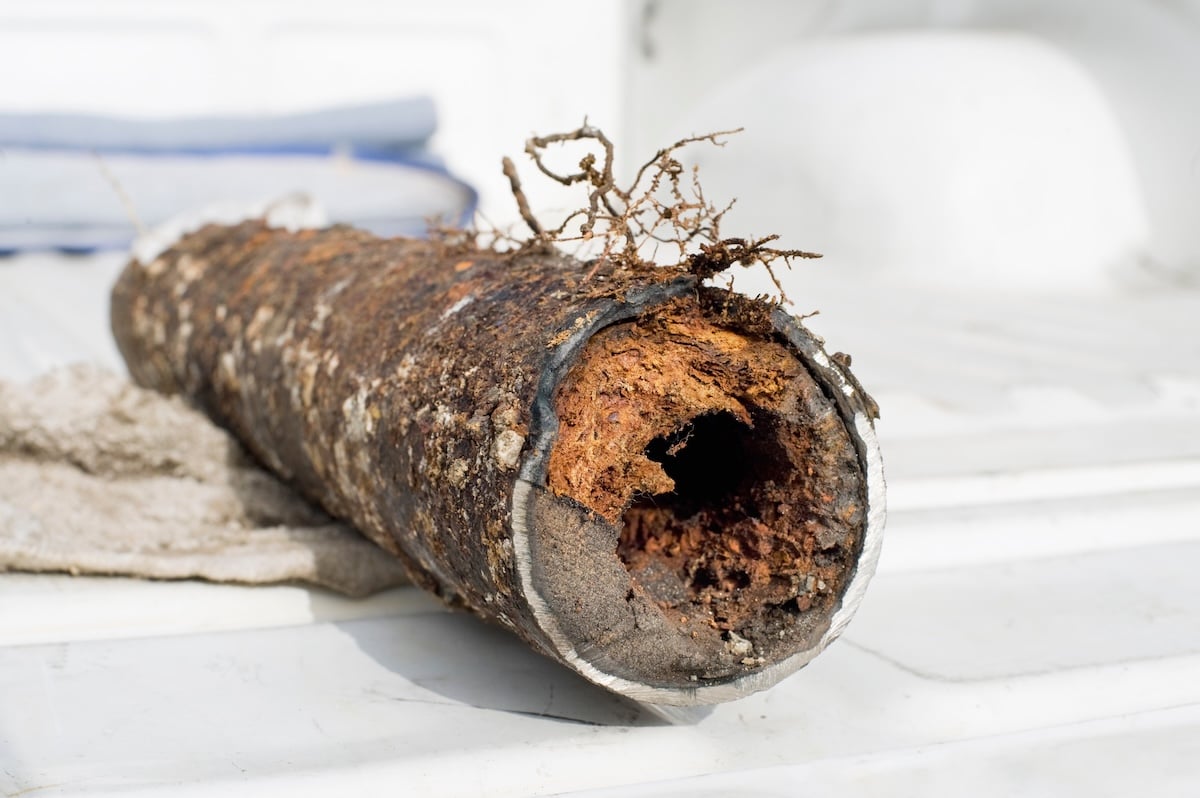
Finding roots in sewer line systems is one of the most common and frustrating plumbing problems Seattle homeowners face. Tree roots are naturally drawn to the moisture and warmth of underground pipes, especially older clay or concrete lines. Once they find a crack, they can grow rapidly and create serious blockages.
In this blog, we’ll explain why roots are such a problem in this region, how to identify root intrusion early, and what you can do to resolve the issue before it causes a major backup.
- Fast-growing roots: Seattle’s moist climate encourages aggressive root growth.
- Old infrastructure: Many homes have aging pipes vulnerable to cracks.
- Hidden damage: Root problems can go unnoticed until a major clog occurs.
Why Tree Roots Invade Sewer Lines in Seattle
Understanding why root invasions happen helps you spot trouble early. Seattle’s environmental conditions create an ideal setting for root growth inside aging sewer lines.
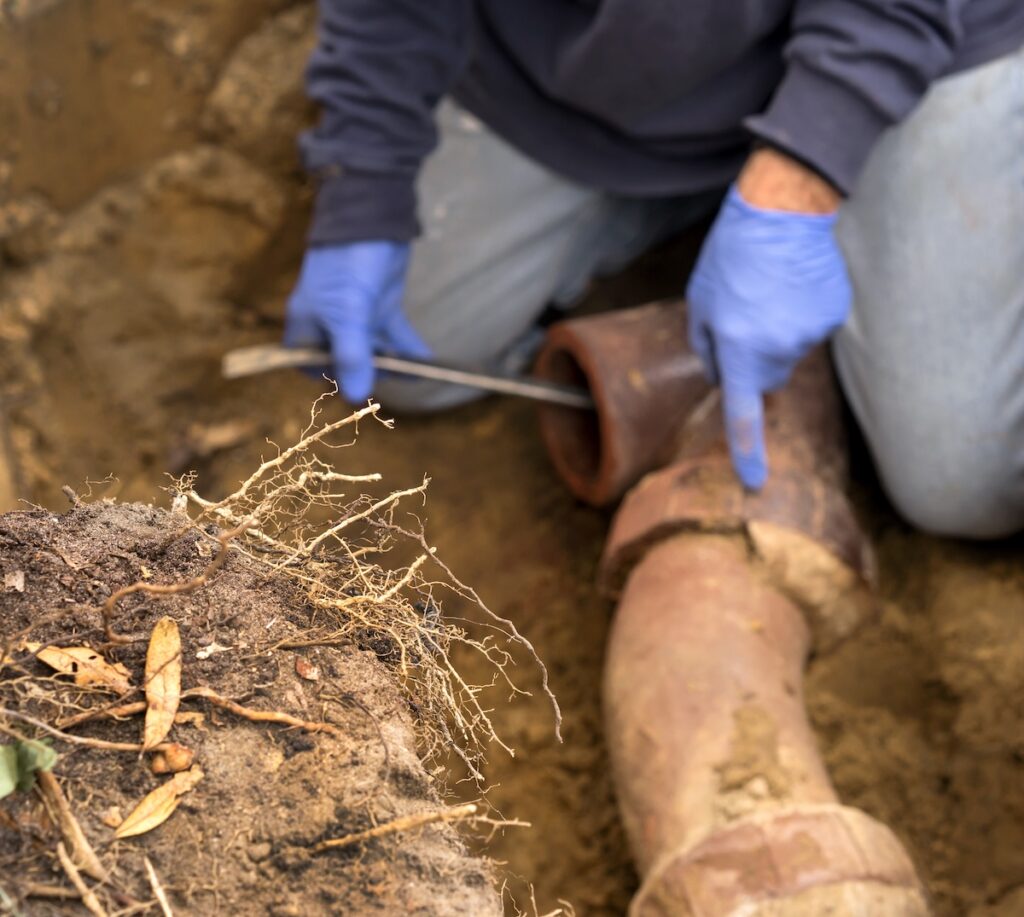
Most older homes in Seattle have sewer pipes made of clay, cast iron, or concrete—all materials that crack over time. Small openings in joints or seams allow water vapor to escape, attracting nearby tree roots looking for moisture.
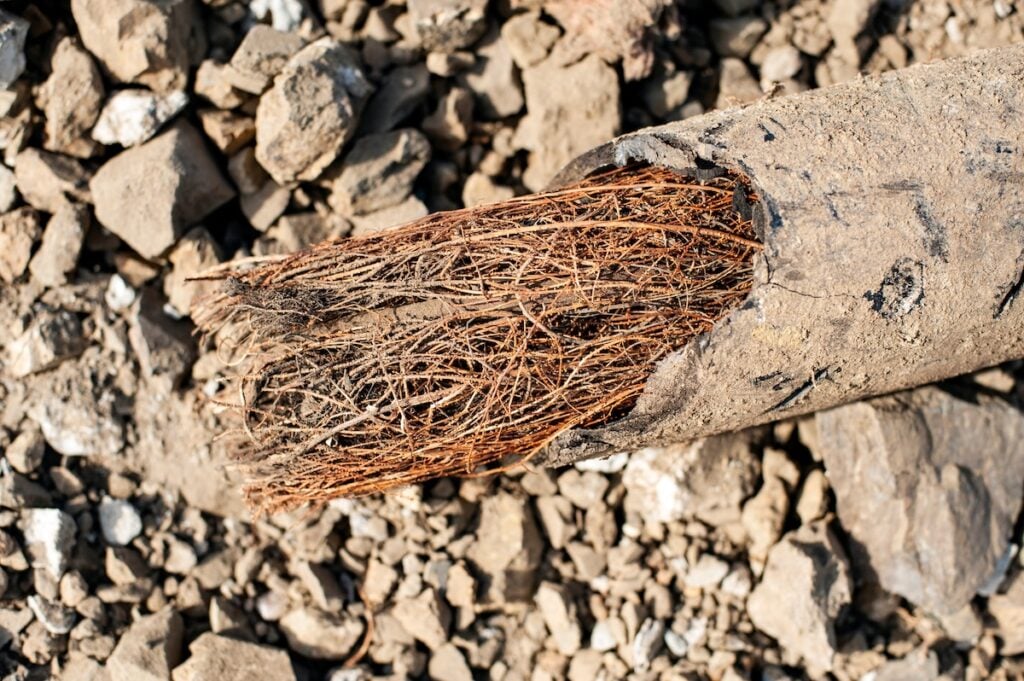
Once inside the pipe, roots grow fast. They catch grease, debris, and paper, forming a thick clog. If not addressed, this can lead to backups, broken lines, or sewage flooding your yard or basement. Tree roots can also damage sidewalks, driveways, and other underground infrastructure if the problem isn’t addressed promptly.
Seattle’s rainy weather contributes to the problem. Wet soil makes it easier for roots to expand and find weaknesses in your sewer lines. This creates a perfect storm for root intrusion—one that requires vigilance and proactive maintenance.
Signs You Have Roots in Your Sewer Line
Catching root issues early can save you from an expensive repair. While it’s common for homeowners to mistake these signs for typical clogs, they often point to a deeper, more persistent issue.
Watch for these common red flags in your home:
- Slow drains: When multiple fixtures drain slowly, roots could be the cause.
- Recurring clogs: Frequent backups in toilets or tubs often point to deep blockages.
- Gurgling sounds: Air bubbles caused by partial blockages can create unusual noises.
- Sewage odors: A foul smell in your yard or basement may indicate a crack where roots have entered.
- Lush patches in lawn: Unusually green or fast-growing grass can signal a leaking pipe underground.
These issues typically start off mild and worsen over time. If you’re noticing more than one of these symptoms, it’s time to have your sewer line inspected professionally.
What to Do If You Suspect Tree Roots in Your Pipes
Acting quickly is key. Tree roots in sewer lines don’t resolve on their own—they keep growing. Here are the essential next steps if you suspect root intrusion.
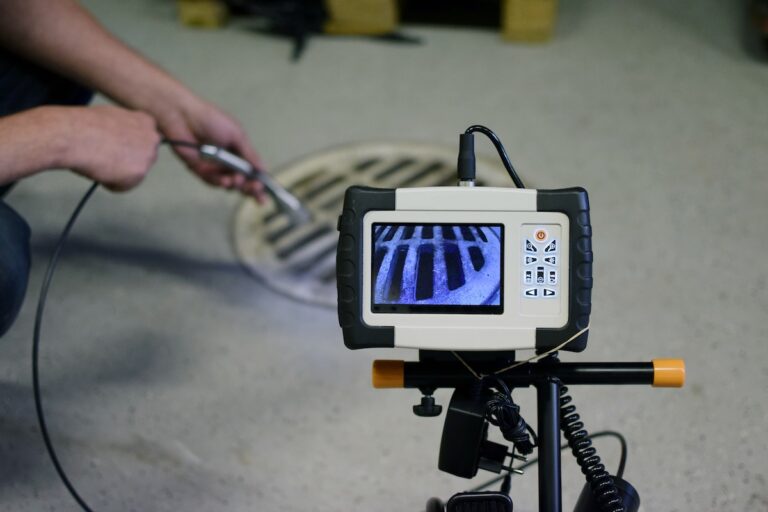
Schedule a Sewer Camera Inspection
Two early steps can make all the difference. Confirm the problem and pinpoint the location.
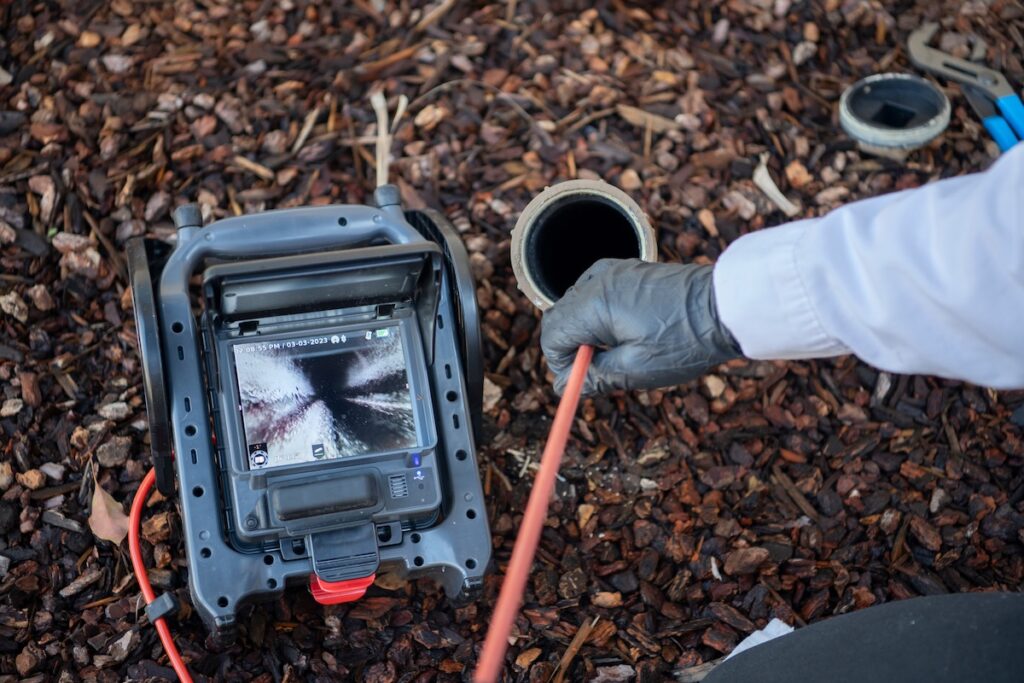
- Visual confirmation: A camera shows exactly where roots have entered.
- Accurate planning: We use footage to recommend the right repair method.
Camera inspections are fast, non-invasive, and provide crucial insight into your sewer system’s condition. Brewer Sewer uses state-of-the-art technology to give you a clear view and immediate next steps.
Avoid Using Chemical Root Killers
Home improvement stores may sell quick fixes, but they often don’t solve the root problem.
- Temporary effect: Root killers might kill roots but won’t remove them.
- Pipe damage risk: Chemicals can erode older pipes.
Additionally, overuse of chemical treatments may lead to environmental damage, especially in neighborhoods close to water systems. A professional solution is always the safer and more effective choice.
Call a Sewer Specialist (Not a Plumber)
Plumbers may stop clogs, but root intrusion is a sewer-specific issue. You need a team trained in underground diagnostics and trenchless solutions.
- Specialized tools: Hydro jetting, cutting heads, and trenchless lining.
- Correct diagnosis: We get to the root (literally) of the problem.
Brewer Sewer focuses exclusively on sewer systems. We understand Seattle’s unique challenges—from older infrastructure to tree-heavy neighborhoods—and provide solutions tailored to those conditions.
3 Sewer Repair Options for Root Invasion
Once roots are confirmed, Brewer Sewer offers multiple repair strategies. The best option depends on the extent of the intrusion and the pipe’s condition.
1. Hydro Jetting and Root Removal
We use high-pressure water jets to blast roots out of the line and flush away debris.
- Non-invasive method: No digging required.
- Good for light to moderate root growth: Clears the line quickly and thoroughly.
Hydro jetting is a fast and highly effective way to restore pipe flow. It also prepares the line for a more permanent fix if needed.
2. Trenchless Pipe Lining (CIPP)
For recurring root problems, we recommend a permanent fix: lining the pipe from the inside.
- Seals cracks and joints: Prevents future root entry.
- 50-year lifespan: Long-term peace of mind.
- No yard damage: Ideal for landscaped areas and driveways.
This method avoids the mess of excavation and creates a brand-new pipe inside your old one. Seattle homeowners appreciate the minimal disruption and lasting results.
3. Spot Repair or Pipe Replacement
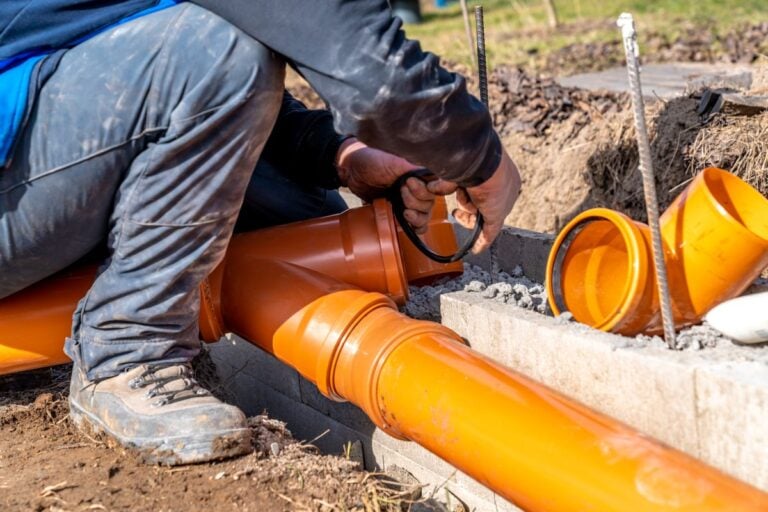
If a section of pipe is collapsed or heavily damaged, excavation may be required.
- Localized fix: We dig only where needed.
- Landscaping care: Our team restores sod and repositions plants after work.
In severe cases, a traditional dig-and-replace may be the best option. Our crews handle this with care, keeping your property as intact as possible.
How to Prevent Future Root Intrusion
After resolving the issue, taking preventive steps helps protect your sewer line long-term. Don’t wait for roots to grow back—stay ahead of them.
- Annual inspections: Catch small issues before they grow.
- Root barrier planting: Avoid planting trees near sewer lines.
- Maintenance cleanouts: Regular flushing can deter root regrowth.
Talk to Brewer Sewer about a long-term maintenance plan. We help homeowners set up recurring service that fits their budget and keeps root issues from returning.
Why Seattle Homeowners Trust Brewer Sewer
When it comes to sewer line root issues, experience matters. Brewer Sewer is a trusted name in Seattle for honest advice, fast response, and respectful service.
- Same-day inspections and service
- Trenchless options that preserve your yard
- Transparent pricing and communication
- Specialized root removal equipment
We’re not just solving one clog—we’re protecting your home from future disruptions. Our crews work quickly, cleanly, and always with your satisfaction in mind.
Don’t Let Roots Destroy Your Sewer Line
Roots in sewer line systems can escalate from a slow drain to a flooded basement in no time. If you own an older home in Seattle or surrounding areas, your pipes are at high risk for root intrusion.
Whether you’re noticing early signs or already dealing with a backup, Brewer Sewer is here to help. From diagnostics to trenchless repair, we provide long-term solutions tailored to your home and budget.
Contact us today for a free estimate and inspection. We’ll locate the problem, clear the roots, and help protect your home with trenchless, lasting repairs that give you peace of mind year-round.