

Bathroom Smells Like Sewage? (6 Causes & Fixes)
If your bathroom smells like sewage, you’re not alone. Many Seattle homeowners notice unpleasant odors in their bathrooms and assume the issue is with surface cleanliness, but in most cases, it’s a deeper problem related to drain plumbing, venting, or even the sewer line outside your home.
Let’s explore the most common causes of sewer-like odors in bathrooms and how to fix them. Whether the smell is constant or only appears after flushing, showering, or rain, the source is usually something you can identify and solve with the right help.
- Persistent odor: Lingering smells are a sign of deeper plumbing issues.
- Can signal sewer damage: Odors may indicate a leak or blocked vent.
- Fixes are often simple: Once the source is found, repairs are usually straightforward.
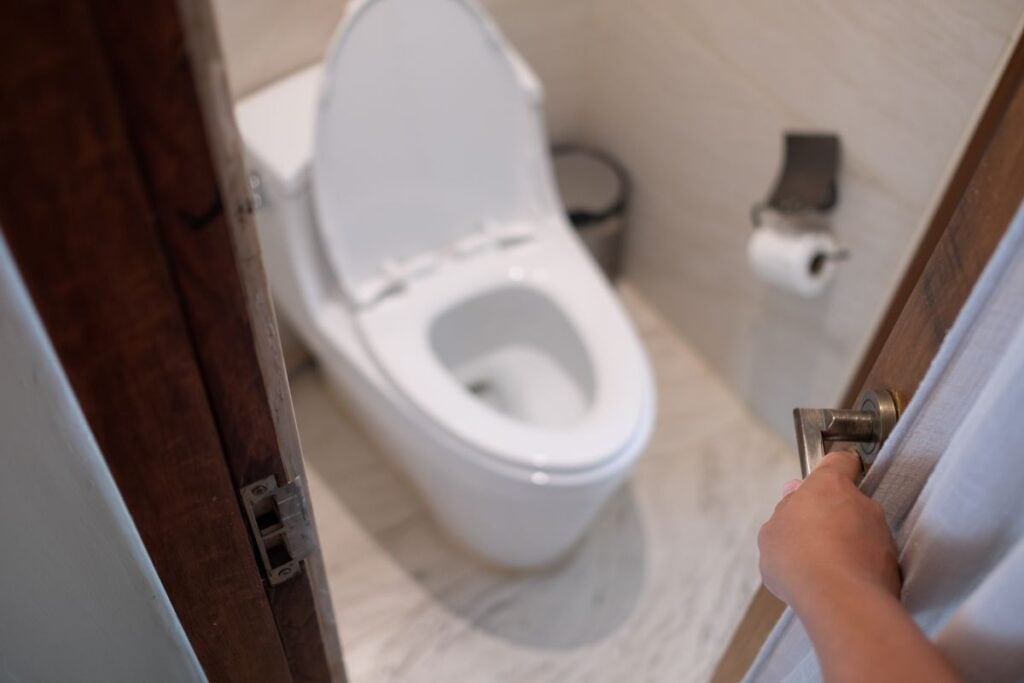
Why Does My Bathroom Smell Like Sewage?
That unmistakable rotten egg or sulfur smell isn’t just unpleasant, it may indicate a dangerous issue with gas backflow, drain blockage, or sewer line damage. These issues can also allow bacteria or methane gas to enter your home.
It’s important to determine whether the odor is isolated to the bathroom or appearing in other parts of the home. This will help identify whether the problem is internal or tied to your main sewer connection. In some cases, an odor isolated to one fixture may point to a simple fix. But if the smell is present in multiple areas, it could be a sign of a much larger sewer problem.
Understanding the source of the smell is essential not just for comfort, but for health and safety. Sewer gas contains methane and hydrogen sulfide, which can be harmful in high concentrations.
6 Common Causes of a Sewage Smell in the Bathroom
Let’s look at the top reasons your bathroom might stink and what you can do about it. Identifying the correct cause early can help prevent unnecessary repairs and long-term damage.
1. Dry P-Traps
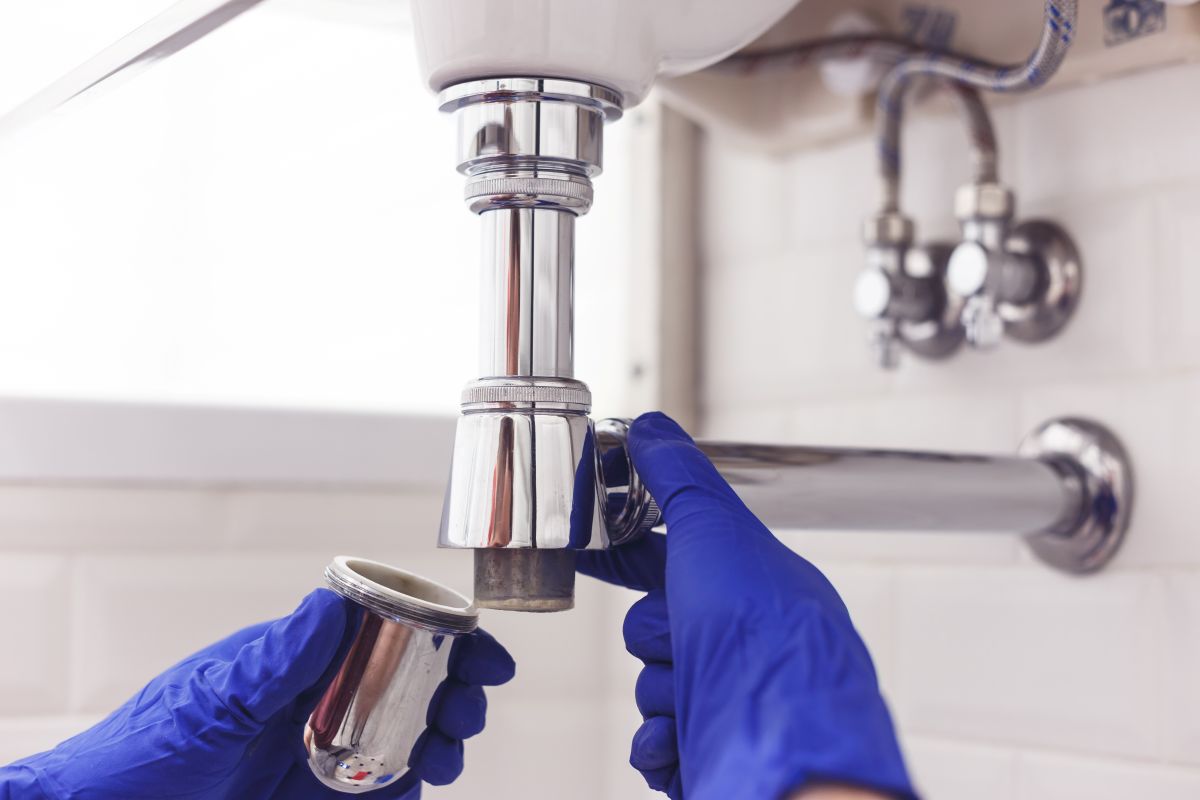
Every drain in your home (sink, tub, shower, and toilet) has a P-trap, a curved pipe section that holds water to block sewer gases. If the trap dries out, gases from the sewer line can come straight up into your bathroom.
- Cause: Lack of water flow through rarely used drains
- Fix: Run water in all drains weekly to refill traps
- Tip: Pour a small amount of mineral oil to slow evaporation
This issue is especially common in guest bathrooms or properties left vacant for long periods. Even in an actively used home, an unused shower or tub may go unnoticed until odors develop.
2. Blocked or Broken Vent Stack
Plumbing vents balance air pressure and allow sewer gases to exit your home through the roof. If the vent stack is clogged (often by debris or leaves), the pressure inside your system changes, forcing gas out through the drains instead.
- Cause: Debris, animal nests, or ice in vent stacks
- Fix: Professionally clean or repair the vent
- Tip: Install a protective cap to prevent future blockages
In colder seasons, vent stacks can freeze over or become blocked by snow and ice, especially in older Seattle homes. This restricts airflow and causes plumbing systems to vent through fixtures inside.
3. Clogged Shower or Sink Drain
Hair, soap scum, and debris in bathroom drains can trap water and bacteria, creating a breeding ground for odors. This is often misdiagnosed as a sewer smell when it’s actually decaying organic matter in the drain itself.
- Cause: Build-up of organic matter in the drain
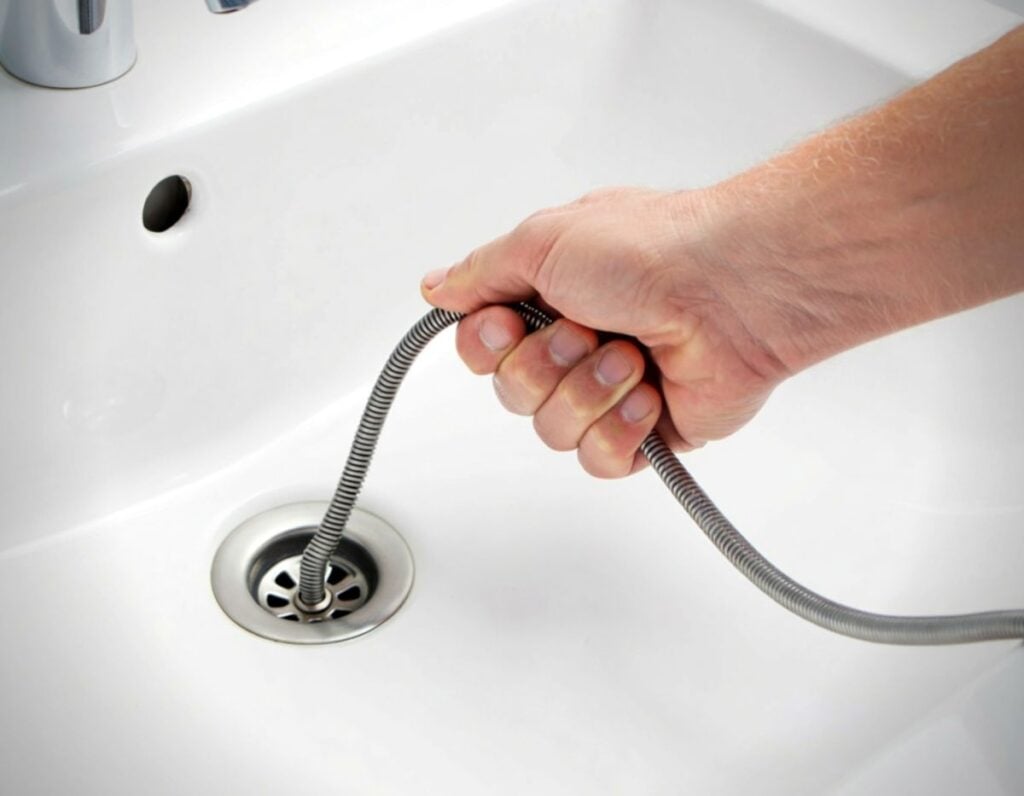
- Fix: Use a drain snake or enzymatic cleaner
- Tip: Avoid using harsh chemicals that can damage older pipes
You might notice gurgling sounds or slow drainage before the smell starts. Cleaning the trap and overflow regularly can help prevent these smells from forming.
4. Leaky Toilet Seals
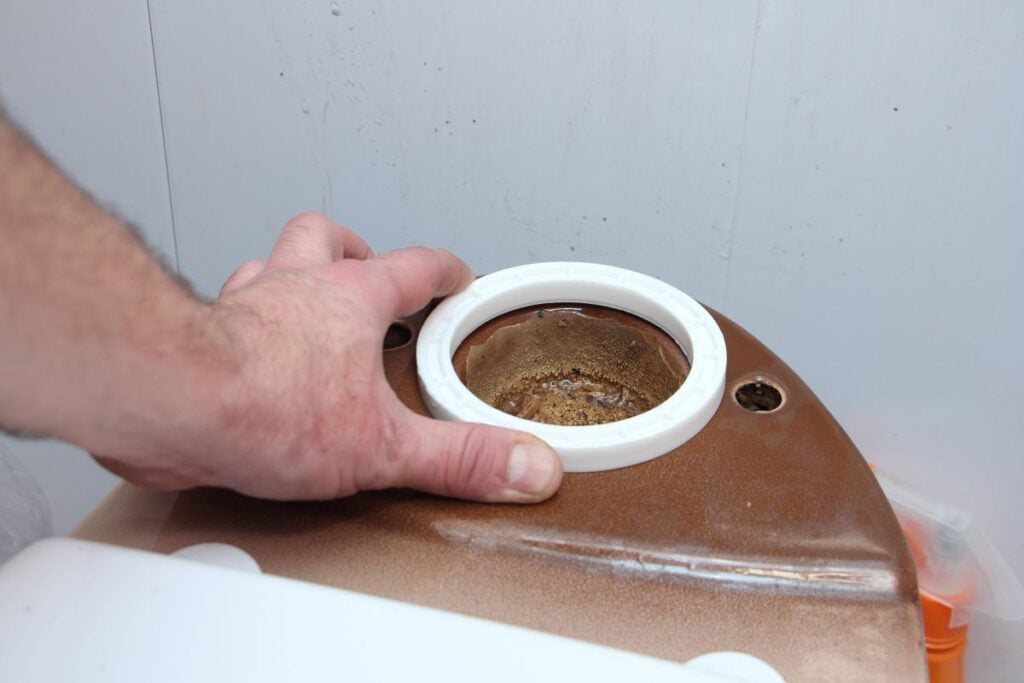
Your toilet is bolted to the floor with a wax or rubber ring to prevent sewer gases from leaking into the room. Over time, these seals degrade or become misaligned, especially in older homes or after minor earthquakes.
- Cause: Worn or loose wax seal under toilet base
- Fix: Replace the wax ring and tighten toilet bolts
- Tip: Check for movement or rocking in the toilet base
A rocking toilet is a clear indicator that the seal has failed. When the seal breaks, odors (and sometimes water) can escape and accumulate under the floor, causing lingering smells and potential subfloor damage.
5. Cracked Sewer Line Outside the Home
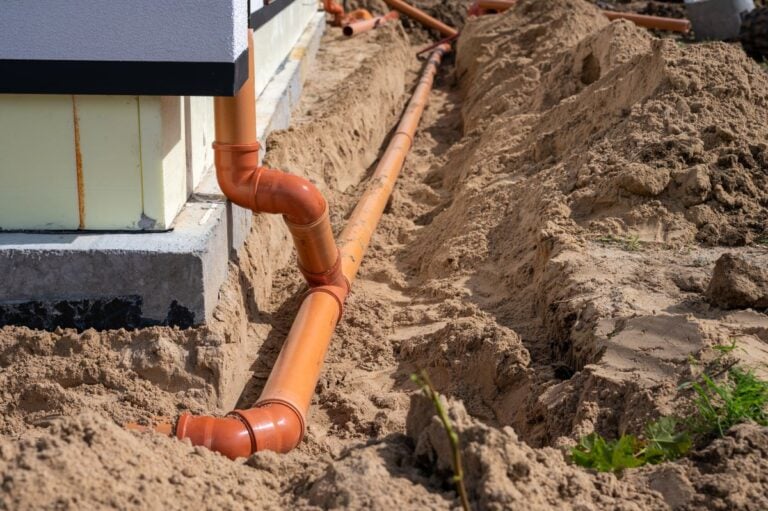
Sometimes the smell doesn’t originate inside the bathroom at all. If your main sewer line is cracked or damaged outside the home, gases can seep into the house through crawl spaces or vent openings.
- Cause: Aging pipes, root intrusion, or shifting soil
- Fix: Schedule a sewer camera inspection
- Tip: Pay attention to smells after rain or when using multiple drains
Cracked pipes are especially common in older neighborhoods in Seattle where clay and cast iron lines are still in place. The added moisture from rain can accelerate infiltration and bring odors into basements or low-lying bathrooms.
6. Biofilm Buildup in Overflow Drains
Sink overflow openings (those small holes near the top edge) can collect gunk over time. Bacteria thrive here and can produce a sulfur-like odor.
- Cause: Accumulated grime in overflow passages
- Fix: Use a small brush and disinfectant to clean overflow area
- Tip: Include overflows in your regular cleaning routine
Because overflow channels are rarely cleaned, they can develop bacterial colonies that continue to smell even after you’ve scrubbed the rest of the sink.
When to Call a Professional
If DIY fixes don’t solve the problem, or if you suspect the issue goes deeper than a clogged drain, it’s time to bring in a sewer expert. A professional can:
- Perform a camera inspection of your sewer line
- Test vent systems for pressure issues
- Identify sewer gas infiltration points
- Offer long-term trenchless repair solutions if needed
- Check for multiple system failures and recommend upgrades
Professionals also have tools to detect hydrogen sulfide and methane levels, helping confirm whether the smell is truly from sewer gas or another source. If you’re unsure whether the problem is serious, this kind of analysis provides clarity.
Odor Prevention Tips for Bathrooms
Preventing bathroom sewer smells starts with regular maintenance and a few simple habits:
- Flush all unused drains weekly to prevent trap evaporation
- Keep vent stacks clear with seasonal roof inspections
- Use drain strainers to limit debris in shower and sink drains
- Avoid chemical cleaners that can degrade seals and pipes
- Check toilet stability and reseal as needed
Preventive steps like these can keep your plumbing system healthy and prevent odors from starting in the first place.
Seattle-Specific Factors That Contribute to Odors
Seattle’s rainy climate and older infrastructure make it more likely that exterior sewer issues will affect indoor air quality. Homes with crawl spaces are especially vulnerable to odor infiltration. Tree root intrusion is also a frequent problem in older neighborhoods, leading to cracked pipes that release gas near the foundation.
In hillside areas, gravitational pressure can also pull gases downward, allowing odors to enter through basement plumbing or improperly sealed crawlspace vents.
Don’t Let Sewer Odors Linger
If your bathroom smells like sewage, don’t ignore it. From dry traps to full sewer line failures, the cause could range from minor to serious. The sooner you act, the easier (and less expensive) the fix will be.
Contact Brewer Sewer today for fast, expert help diagnosing and fixing the source of persistent bathroom odors, before it turns into a bigger issue.