
Trenchless vs Traditional Commercial Sewer Repair
Sewer issues can disrupt operations, damage property, and create costly downtime for business owners. Understanding your options for commercial sewer repair is essential when problems arise. Whether you are dealing with aging pipes or sudden failures, choosing the right approach can make a major difference in cost, efficiency, and long-term results. Many property owners explore solutions like advanced repair methods for underground systems to minimize disruption and protect their investment.
In this guide, you will learn:
- The key differences between trenchless and traditional repair methods
- Common causes of commercial sewer damage
- How to choose the right repair option for your property
- Long-term strategies to protect your sewer system
Why Choosing the Right Commercial Sewer Repair Method Matters
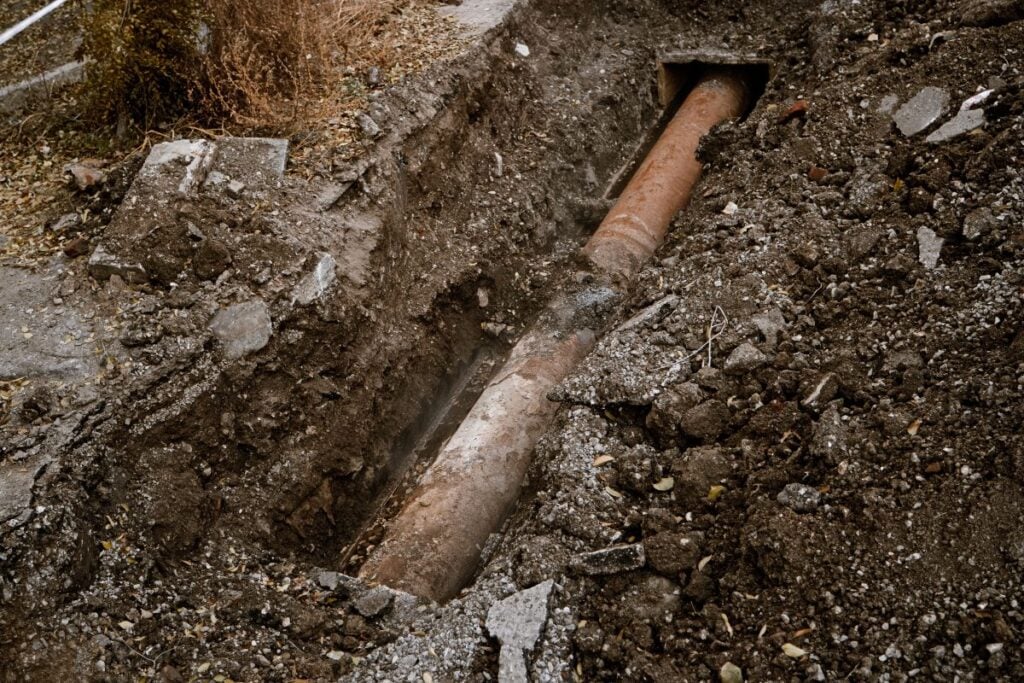
Commercial properties often have more complex plumbing systems than residential buildings. These systems handle higher volumes of waste and are subject to more wear over time. Selecting the right repair method is not just about fixing a problem. It is about protecting your business from future disruptions and unnecessary expenses.
- Cost efficiency: The right method can reduce labor, restoration, and long-term repair costs
- Minimal disruption: Some approaches allow businesses to continue operating during repairs
- Long-term durability: Modern solutions can extend the lifespan of your sewer system
- Property protection: Avoiding unnecessary excavation helps preserve landscaping and structures
- Regulatory compliance: Proper repairs ensure your system meets local codes and environmental standards
For business owners in Tacoma and surrounding areas, making an informed decision can prevent recurring issues and keep operations running smoothly.
5 Common Causes of Commercial Sewer Damage
Commercial sewer systems face unique challenges due to heavy usage and environmental factors. Understanding what leads to damage can help you identify problems early and choose the best repair approach.
1. Aging Infrastructure
Older commercial properties often rely on outdated piping materials that degrade over time.
As pipes age, they become more susceptible to cracks, corrosion, and collapse. This is especially common in buildings that have not undergone recent upgrades.
- Increased risk of leaks and blockages
- Reduced flow efficiency
- Greater likelihood of emergency repairs
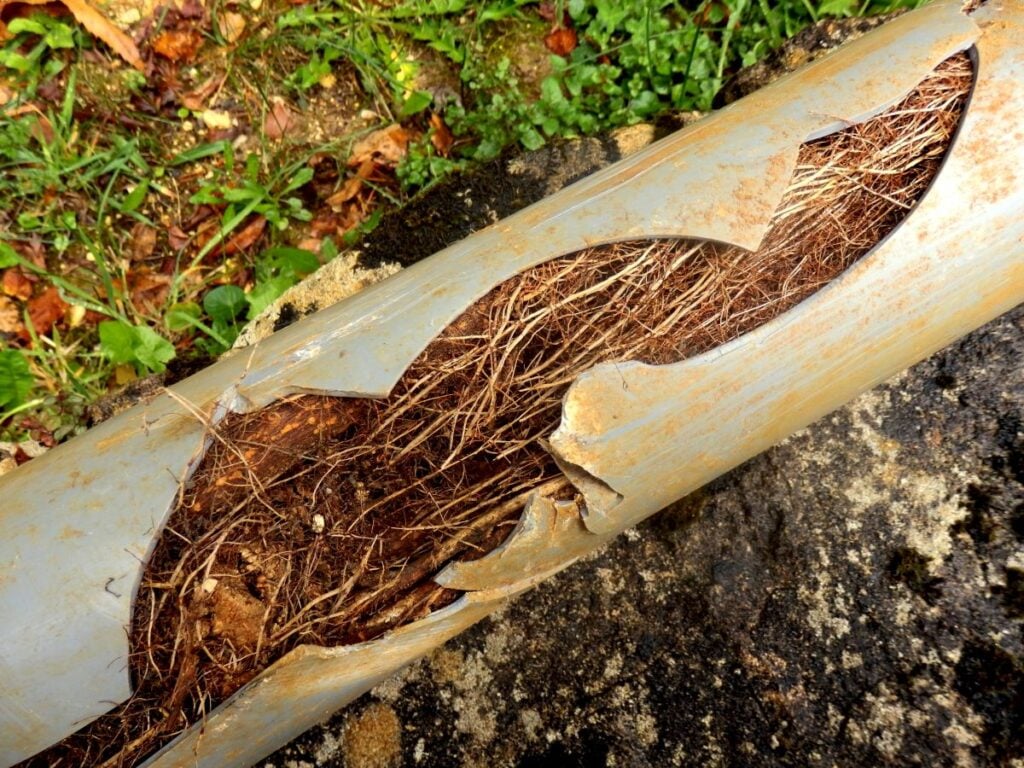
2. Tree Root Intrusion
Tree roots naturally seek out moisture, making sewer lines a prime target.
Roots can infiltrate small cracks and expand within pipes, eventually causing significant blockages or structural damage.
- Slow drains and recurring backups
- Pipe misalignment or breakage
- Increased maintenance needs
3. Heavy Usage and Grease Buildup
Restaurants, industrial facilities, and high-traffic buildings generate large amounts of waste.
Over time, grease, debris, and other materials accumulate inside pipes, restricting flow and increasing pressure on the system.
- Frequent clogs and slow drainage
- Increased wear on pipe interiors
- Higher risk of sudden backups
4. Ground Shifting and Soil Conditions
Natural ground movement can place stress on underground pipes.
Changes in soil conditions due to weather, construction, or erosion can cause pipes to shift, crack, or collapse.
- Misaligned joints
- Structural weakening
- Unexpected system failures
5. Poor Installation or Previous Repairs
Improper installation or low-quality repairs can lead to recurring issues.
If a system was not installed correctly or patched temporarily, it may fail sooner than expected.
- Weak connection points
- Inconsistent pipe alignment
- Increased likelihood of repeat repairs
Businesses in Tacoma and surrounding areas often encounter a combination of these factors, making it important to assess the root cause before choosing a repair method.
Trenchless Commercial Sewer Repair: A Modern Solution
Trenchless repair methods have gained popularity due to their efficiency and minimal disruption. These techniques allow technicians to repair or replace pipes without extensive digging.
Pipe Lining
Pipe lining involves inserting a flexible liner coated with resin into the damaged pipe. Once in place, the liner hardens to form a new pipe within the old one.
- Restores structural integrity without excavation
- Resistant to corrosion and root intrusion
- Ideal for pipes with minor to moderate damage
Pipe Bursting
Pipe bursting replaces old pipes by breaking them apart and pulling a new pipe into place.
This method is effective for severely damaged or collapsed pipes.
- Provides a full pipe replacement
- Increases pipe diameter if needed
- Requires minimal surface disruption
Key Advantages of Trenchless Methods
- Reduced downtime: Businesses can often remain operational
- Lower restoration costs: No need to repair landscaping or pavement
- Faster completion: Projects are typically completed more quickly
- Long-lasting results: Modern materials improve durability
For many commercial properties in Tacoma and surrounding areas, trenchless solutions offer a practical way to address sewer issues without major disruptions.
When Traditional Commercial Sewer Repair Is Necessary
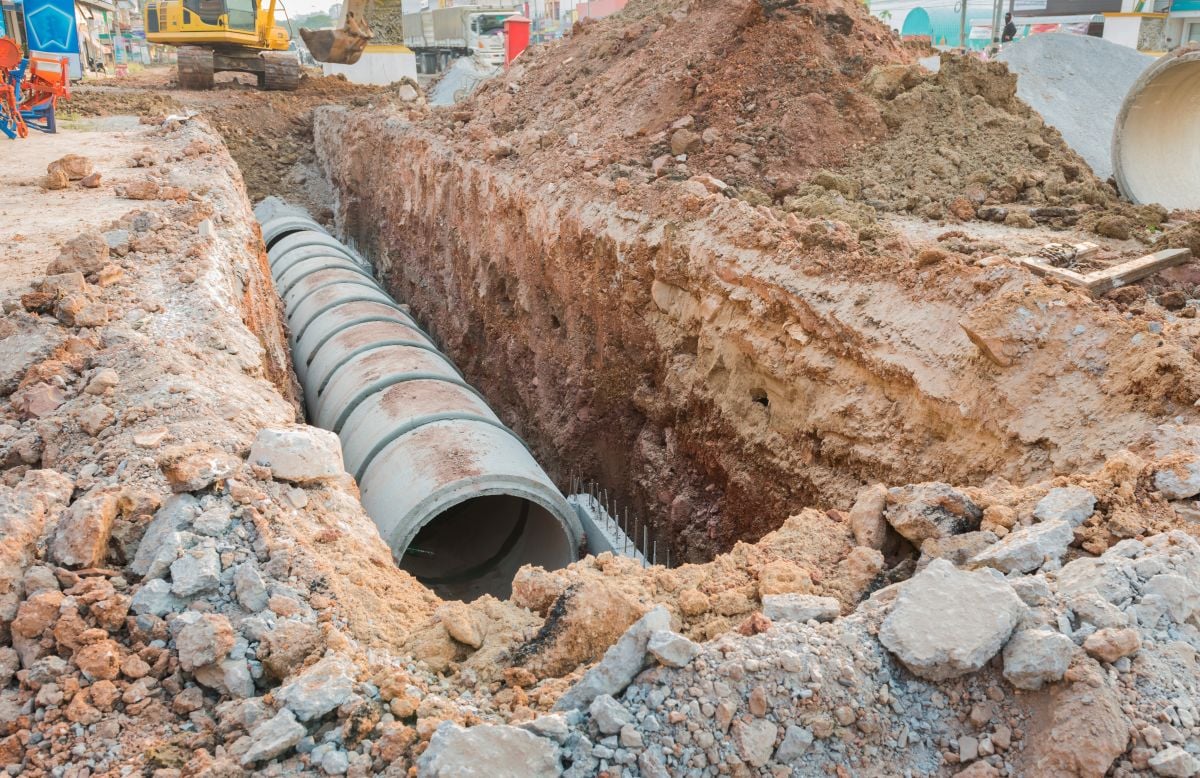
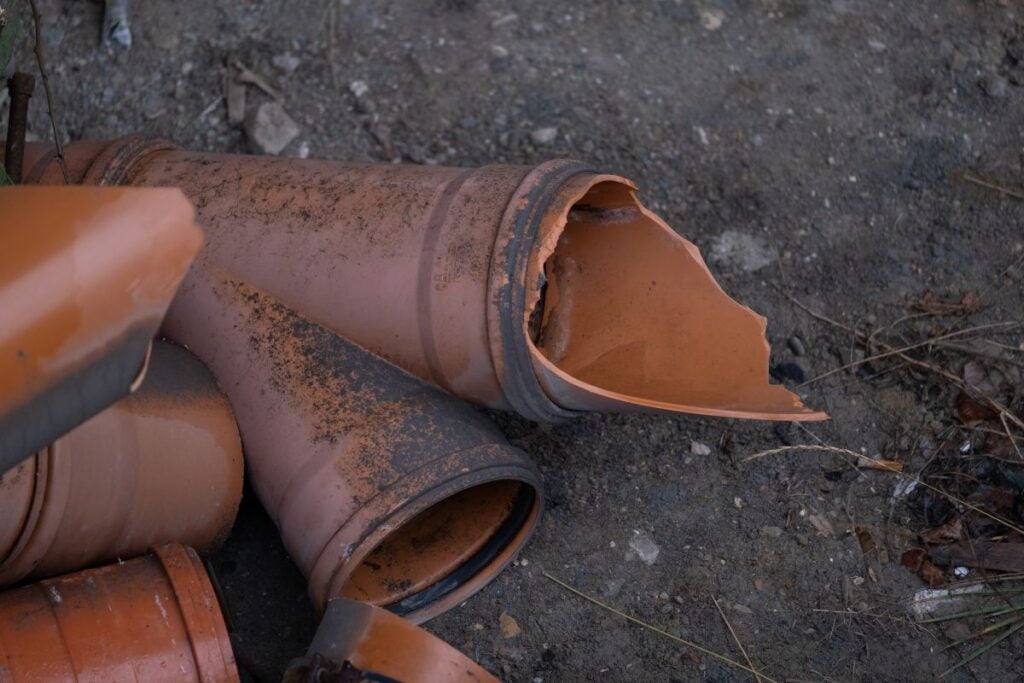
While trenchless methods are highly effective, traditional repair techniques still play an important role in certain situations. These methods involve excavating the area to access and repair or replace damaged pipes.
When Traditional Repair Is the Better Option
Some sewer problems require direct access to the pipe, making excavation unavoidable.
- Severe pipe collapse or extensive damage
- Pipes with multiple bends or complex layouts
- Situations where trenchless equipment cannot be used
The Traditional Repair Process
Traditional repair typically involves digging a trench to expose the damaged pipe, followed by repair or replacement.
- Excavation of affected area
- Removal of damaged pipe sections
- Installation of new piping
- Backfilling and surface restoration
Pros and Cons Comparison
| Feature | Trenchless Repair | Traditional Repair |
| Excavation required | Minimal | Extensive |
| Project timeline | Faster | Longer |
| Cost variability | Often lower overall | Can increase due to restoration |
| Property impact | Minimal disruption | Significant disruption |
| Suitability | Moderate damage | Severe or complex damage |
Considerations for Business Owners
Choosing between trenchless and traditional methods depends on several factors:
- Extent of pipe damage
- Location of the sewer line
- Budget and timeline constraints
- Long-term maintenance goals
In Tacoma and surrounding areas, experienced professionals can assess your system and recommend the most effective solution based on these variables.
How to Choose the Right Approach for Your Property
Selecting the right repair method requires a careful evaluation of your property’s specific needs. There is no one-size-fits-all solution, so it is important to consider both immediate and long-term factors.
Conduct a Professional Inspection
A thorough inspection using camera technology can identify the exact location and severity of the issue.
- Pinpoints damage accurately
- Helps determine repair feasibility
- Reduces guesswork in decision-making
Evaluate Business Impact
Consider how each repair method will affect your daily operations.
- Will excavation disrupt customer access?
- Can your business remain open during repairs?
- How quickly do you need the issue resolved?
Compare Long-Term Value
While upfront costs are important, long-term performance should also be considered.
- Durability of materials
- Likelihood of future repairs
- Maintenance requirements
Work With Experienced Professionals
Partnering with a knowledgeable team ensures that you receive accurate recommendations and quality workmanship.
- Access to advanced technology
- Expertise in multiple repair methods
- Reliable project timelines
Business owners in Tacoma and surrounding areas benefit from working with professionals who understand local infrastructure and environmental conditions.
Protect Your Commercial Sewer System Moving Forward
Once repairs are complete, taking proactive steps can help prevent future issues and extend the life of your system.
Routine Maintenance
Regular maintenance helps identify problems before they become major concerns.
- Schedule periodic inspections
- Clean pipes to remove buildup
- Address minor issues promptly
Smart Waste Management
Proper waste disposal practices can reduce strain on your sewer system.
- Avoid flushing grease and debris
- Install grease traps where needed
- Educate staff on best practices
System Upgrades
Upgrading older systems can improve efficiency and reliability.
- Replace outdated materials
- Incorporate modern technologies
- Improve overall system performance
Monitoring and Record Keeping
Keeping detailed records of inspections and repairs helps track system health over time.
- Identify recurring issues
- Plan future maintenance
- Support compliance with regulations
For businesses in Tacoma and surrounding areas, these strategies can significantly reduce the risk of unexpected sewer problems.
Take the Next Step to Protect Your Business
Sewer issues can quickly escalate if not addressed properly, impacting your operations and bottom line. Understanding the differences between trenchless and traditional repair methods allows you to make informed decisions that protect your property and investment. Whether you need a quick, minimally invasive solution or a more extensive repair, choosing the right approach is key to long-term success.
If you are experiencing sewer issues or want to explore your options, the team at Brewer Sewer is ready to help. Schedule an inspection today and find the best solution for your commercial property.