

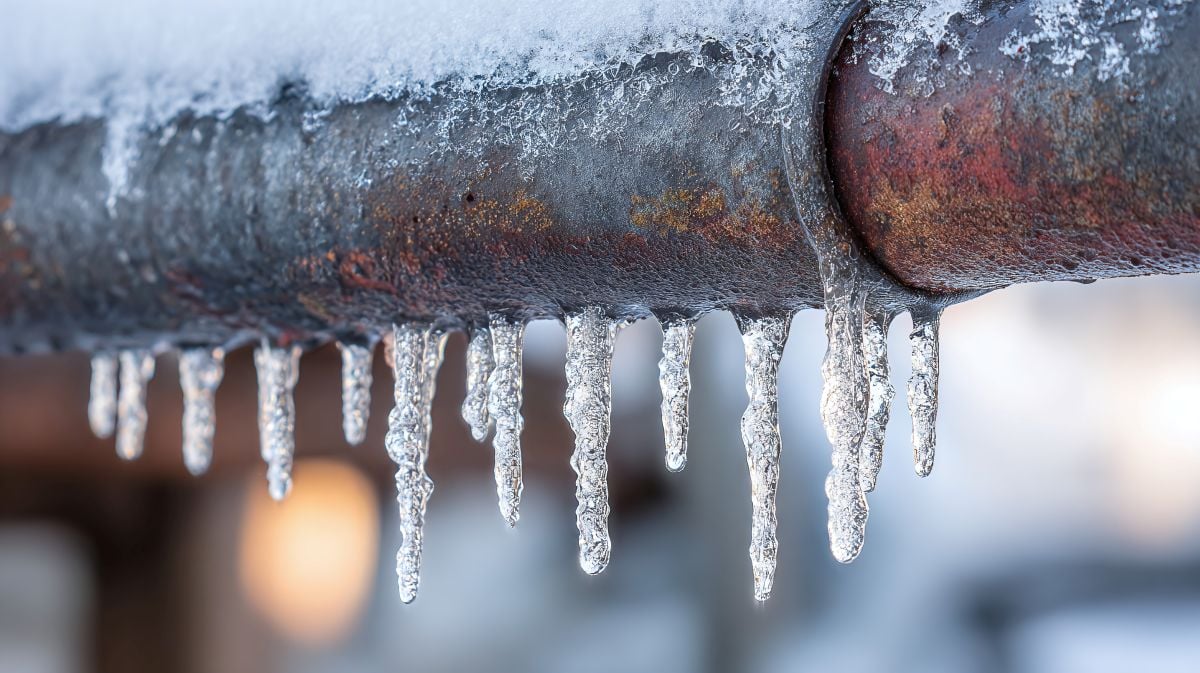
Frozen Sewer Line: Causes and What You Can Do
When winter temperatures drop, plumbing problems can escalate quickly. A frozen sewer line is more than an inconvenience. It can block wastewater flow, cause backups, and lead to costly repairs if ignored. Homeowners in Bellevue and surrounding areas often face this issue during extended cold snaps. Understanding why it happens and when to seek professional help, including sewer repair solutions, can make the difference between a manageable fix and a major disruption.
In this guide, you will learn:
- Why frozen sewer lines are a serious winter risk
- The most common causes of sewer line freezing
- Warning signs to watch for inside your home
- Safe steps you can take right away
- When it is time to call a professional
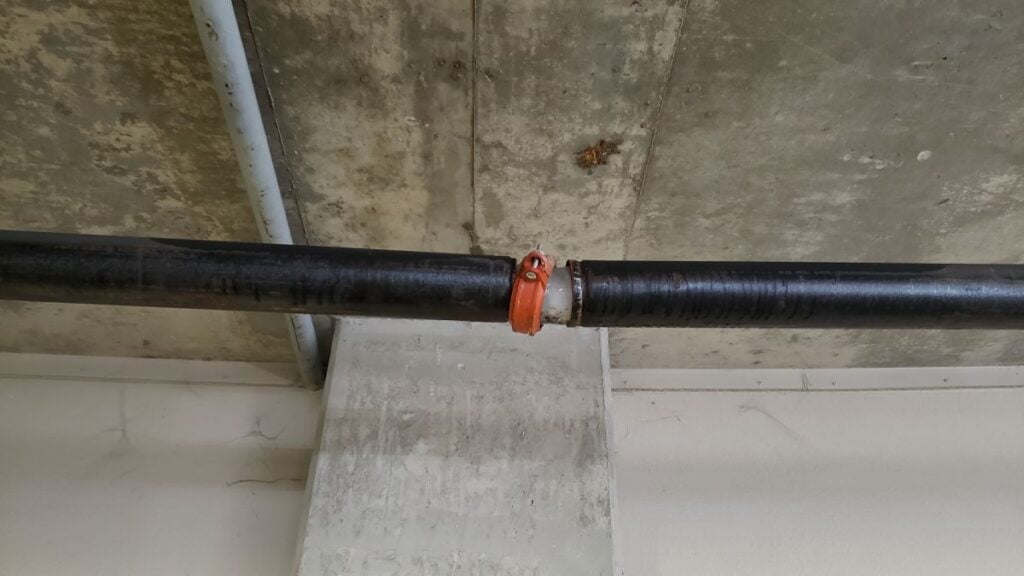
Why Frozen Sewer Lines Are a Serious Winter Risk
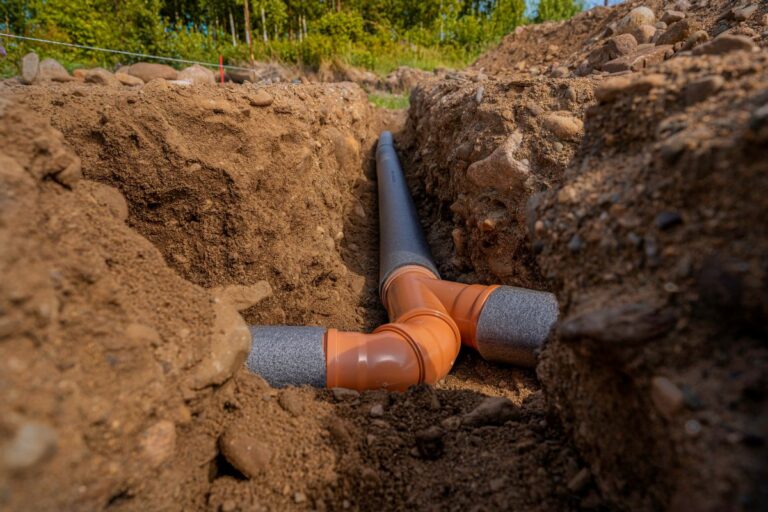
Your sewer line carries wastewater away from your home every day. Unlike small supply pipes, sewer lines are larger and typically buried underground. Many homeowners assume that because they are underground, they cannot freeze. Unfortunately, that is not always the case.
Extended cold weather, poor insulation, shallow pipe depth, and low water flow can all create the right conditions for freezing. In Bellevue and surrounding areas, fluctuating winter temperatures can make the ground freeze deeper than usual, putting buried lines at risk.
A frozen sewer line can impact your home in several important ways:
- Prevent Costly Water Damage: A blocked sewer line can force wastewater back into sinks, tubs, or basement drains.
- Protect Your Foundation: Backups in lower levels can seep into flooring and structural materials.
- Maintain Sanitary Conditions: Sewage backups create serious health hazards due to bacteria and contaminants.
- Avoid Emergency Repairs: Addressing freezing early may prevent pipe cracks or bursts.
- Reduce Long Term Expenses: Early action can help you avoid full line replacements caused by freeze related damage.
According to the Insurance Information Institute, the average homeowners insurance claim for water damage and freezing is over $12,000. While this category includes more than just sewer lines, it highlights how financially significant freezing related plumbing issues can be nationwide.
Recognizing the risk is the first step. Acting quickly is the next.
4 Common Causes of a Frozen Sewer Line
Understanding why sewer lines freeze can help you prevent it from happening again. Below are the most common causes homeowners should know about.
1. Prolonged Freezing Temperatures
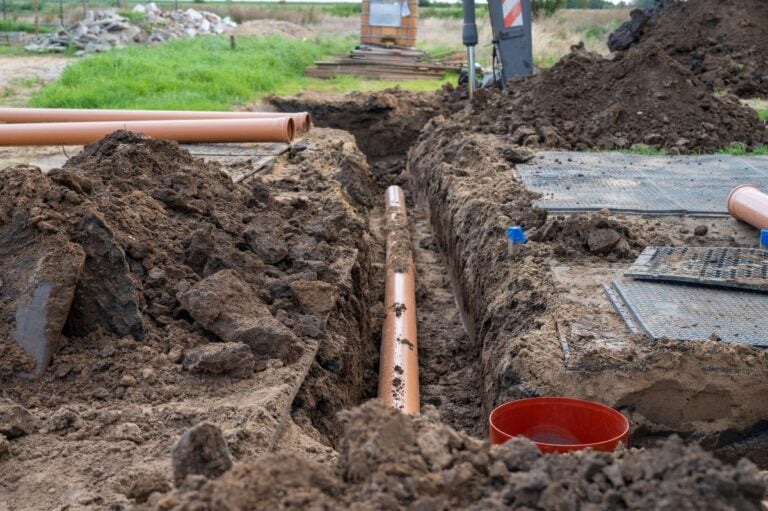
When temperatures remain below freezing for several consecutive days, the frost line can extend deeper into the ground. If your sewer line is not buried below the frost line, sections of the pipe may freeze.
Contributing factors include:
- Sudden temperature drops
- Long stretches without daytime thawing
- Exposed sections of pipe near crawl spaces or exterior walls
Even in areas that do not typically experience extreme winters, unusual cold snaps can catch homeowners off guard.
2. Infrequent Water Use
Sewer lines rely on regular water flow to help keep contents moving and prevent freezing. When a home is vacant or water usage is minimal, waste can sit in the pipe longer than usual.
This stagnant wastewater can freeze more easily, especially in sections of pipe that are poorly insulated or closer to the surface.
Common scenarios include:
- Vacation homes left unoccupied
- Extended travel during winter
- Homes with low occupancy or reduced water usage
If you plan to leave your home during cold weather, taking preventative measures is essential.
3. Clogs and Blockages
A partially clogged sewer line increases the likelihood of freezing. When debris, grease, wipes, or tree roots restrict flow, wastewater moves more slowly through the pipe.
Slower moving water is more likely to freeze in cold conditions. Once freezing begins around the clog, the blockage can worsen quickly.
Warning signs of an existing clog include:
- Slow draining sinks or tubs
- Gurgling sounds from drains
- Unpleasant sewer odors inside the home
Addressing minor clogs before winter can significantly reduce freezing risks.
4. Cracks or Pipe Damage
Damaged sewer pipes are more vulnerable to freezing. Cracks allow cold air and groundwater to enter the pipe system. If groundwater seeps in and freezes, it can expand and worsen existing damage.
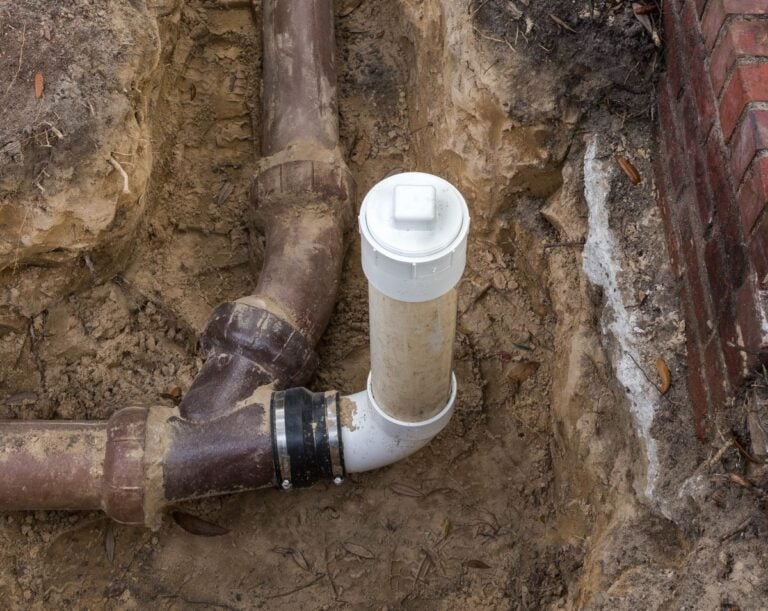
Older materials such as clay or cast iron may be particularly susceptible to cracking over time. In Bellevue and surrounding areas, mature trees can also contribute to root intrusion, which weakens pipe walls and increases freezing potential.
If you suspect structural damage, professional evaluation is critical before temperatures drop further.
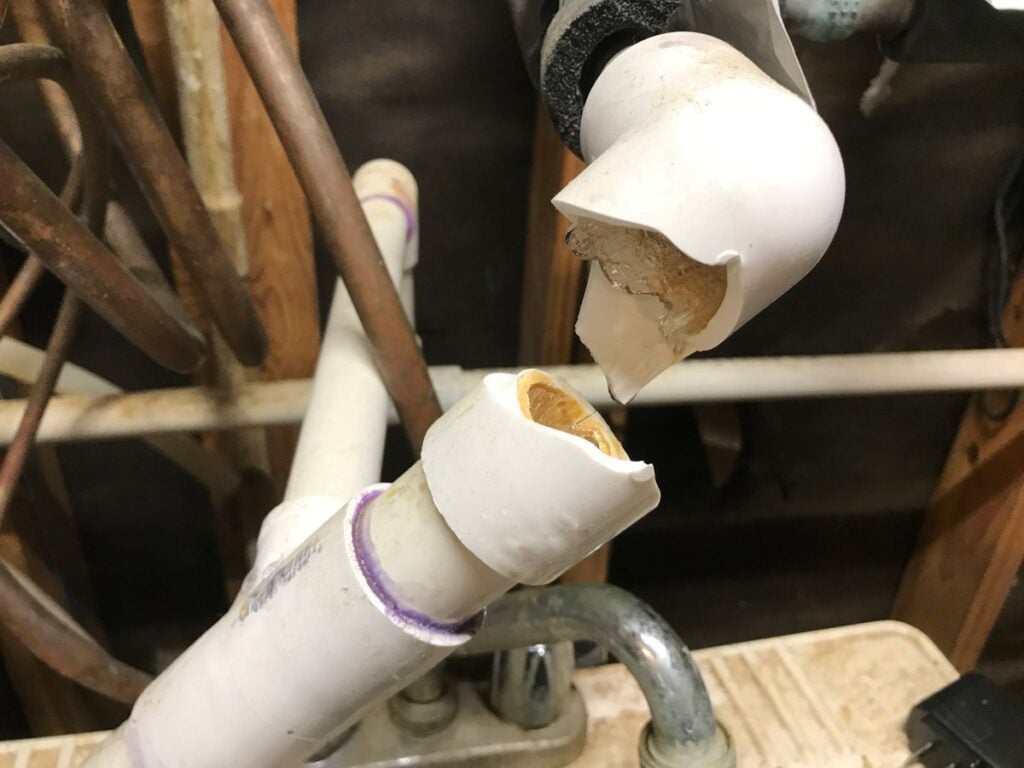
Warning Signs Your Sewer Line May Be Frozen
A frozen sewer line rarely happens without warning. Paying attention to early symptoms can help you respond quickly and minimize damage.
Slow or Completely Blocked Drains
If multiple drains in your home slow down at the same time, especially during freezing weather, a frozen sewer line could be the cause. When wastewater has nowhere to go, it backs up into fixtures.
Gurgling Sounds
Air trapped by ice in the pipe can create bubbling or gurgling noises when you run water. These sounds often come from toilets or lower level drains.
Foul Odors
When wastewater cannot move properly, sewer gases may escape through drains. Unusual odors during cold weather are a sign to investigate immediately.
Sewage Backup
In more advanced cases, wastewater may begin to back up into bathtubs, showers, or basement floor drains. This is a serious situation that requires prompt professional attention.
If you notice any of these signs in Bellevue and surrounding areas, avoid using additional water and contact a professional as soon as possible.
What You Can Do If You Suspect a Frozen Sewer Line
Taking the right steps early can prevent further complications. However, safety should always come first.
Before attempting any action, stop running water in your home. Continued water use can worsen backups and increase pressure within the line.
Step 1: Identify the Affected Area
If possible, determine whether the issue is isolated to one fixture or affecting multiple drains. Multiple affected drains usually indicate a main sewer line issue.
Step 2: Increase Indoor Temperatures
If the freeze is near an exterior wall or crawl space, raising the indoor temperature may help gradually thaw the pipe.
You can also:
- Open cabinet doors under sinks
- Use safe space heaters in crawl spaces
- Ensure vents are open to circulate warm air
Never use open flames or torches to thaw pipes. This can cause serious damage or fire hazards.
Step 3: Use Warm Water Carefully
If you believe the freeze is minor and accessible, pouring warm water down a drain may help. The water should be warm, not boiling, to avoid cracking pipes.
Only attempt this if there is no active backup. If wastewater is already rising, stop immediately and call for professional help.
Step 4: Call a Professional
Frozen sewer lines often require specialized equipment to locate and safely thaw the blockage. Professional plumbers may use:
- Sewer cameras to pinpoint the freeze
- Controlled hot water jetting
- Professional grade pipe thawing equipment
Attempting to clear a frozen sewer line without proper tools can cause cracks or bursts, leading to much higher repair costs.
How to Prevent a Frozen Sewer Line in the Future
Prevention is always more cost effective than emergency repairs. There are several proactive steps homeowners can take before winter arrives.
Schedule a Sewer Inspection
A camera inspection can identify vulnerabilities such as shallow pipe depth, cracks, or partial clogs. Addressing these issues before freezing temperatures hit reduces your risk.
Improve Insulation
If portions of your sewer line run through unheated areas, consider adding insulation or improving crawl space protection. Proper insulation helps maintain more consistent pipe temperatures.
Maintain Regular Water Flow
During extremely cold weather, running small amounts of water periodically can help keep lines moving. This is especially important if your home will be unoccupied.
Clear Existing Clogs
Have your sewer line professionally cleaned if you have experienced slow drains or backups in the past. Removing buildup improves flow and reduces freeze risk.
Consider Upgrading Older Pipes
If your home has aging clay or cast iron pipes, replacing them with modern materials may improve durability and freeze resistance. Newer piping options are less prone to cracking and root intrusion.
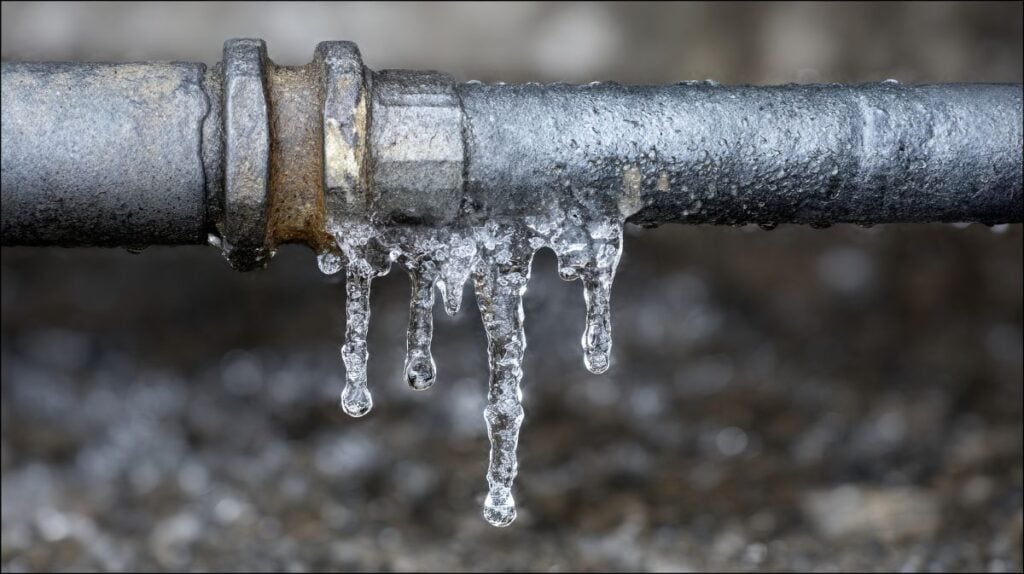
Repair vs Replacement: What to Expect
If a frozen sewer line has caused damage, you may face a repair or replacement decision. The right solution depends on the severity of the problem.
Minor freezes without structural damage may only require professional thawing and cleaning. However, if ice expansion has cracked or shifted the pipe, more extensive work may be necessary.
Factors that influence the decision include:
- Age of the pipe
- Extent of cracking or root intrusion
- Depth and accessibility
- History of recurring problems
A professional evaluation can help you determine whether targeted repair or full replacement offers the best long term value.
In Bellevue and surrounding areas, soil conditions and mature landscaping can complicate excavation. Fortunately, modern techniques may allow for less invasive repair methods in certain situations.
Protect Your Home This Winter With Professional Sewer Support
A frozen sewer line can quickly turn from a winter inconvenience into a serious plumbing emergency. Understanding the causes, recognizing early warning signs, and taking prompt action can protect your home from costly damage. Preventative maintenance and professional inspections are key to reducing risk, especially during prolonged cold weather.
If you suspect a problem or want to prepare your system before winter sets in, Brewer Sewer is ready to help. Our experienced team understands the unique challenges homeowners face in Bellevue and surrounding areas. Do not wait for a small issue to become a major repair. Contact us today to schedule an inspection or service appointment with Brewer Sewer.