

Sewer Line Cleaning: 7 Steps for Long-Term Results
A properly maintained sewer line keeps your plumbing flowing and prevents costly backups. If you’ve noticed slow drains, gurgling noises, or unpleasant odors, it might be time to think about sewer line cleaning. Homeowners in Kent and surrounding areas often face buildup and blockages due to grease, tree roots, or aging pipes.
This guide breaks down seven essential steps to clean your sewer line and keep it working efficiently for years to come. Whether you’re a new homeowner or dealing with recurring clogs, these steps will help you protect your system and avoid emergency repairs.
- Prevent clogs: Routine cleaning helps avoid costly backups and repairs.
- Improve flow: Clearing buildup improves water drainage throughout the home.
- Extend pipe life: Maintenance prevents long-term damage from corrosion and pressure.
Why Sewer Line Cleaning Matters
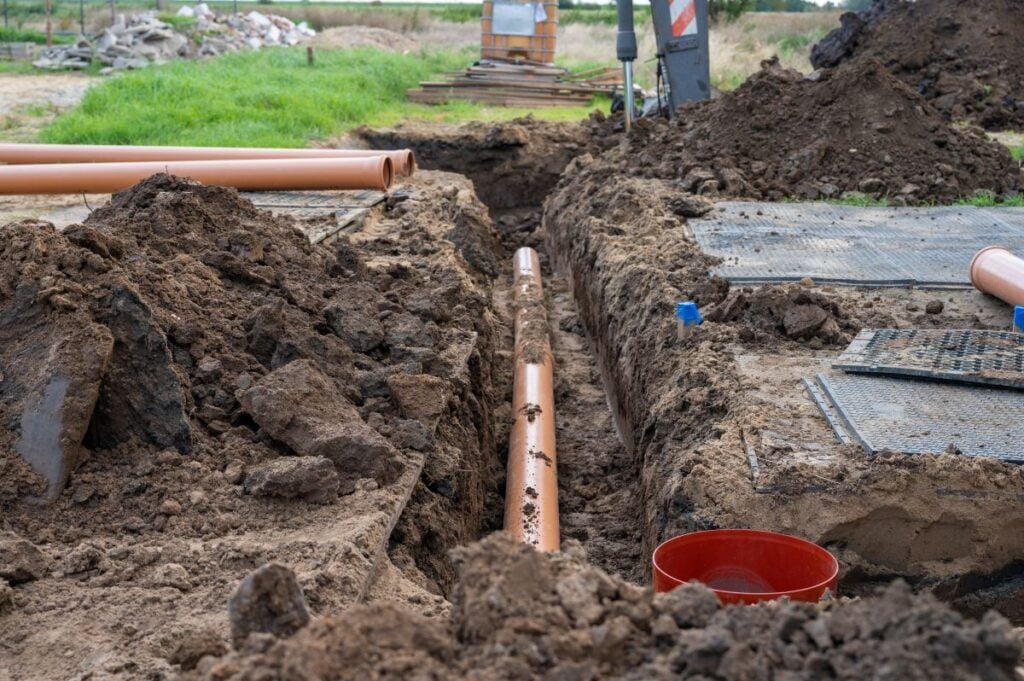
Sewer lines carry all household wastewater from toilets, sinks, and drains to the city main. Over time, grease, soap, debris, and roots can collect in these lines, slowing flow and eventually blocking it entirely. Once blocked, wastewater has nowhere to go but back into your home.
Regular cleaning isn’t just about fixing a current issue, it’s about preventing major problems down the road. In Kent, where many homes are over 40 years old, proactive sewer line maintenance is one of the smartest investments homeowners can make. A clean sewer line also reduces the risk of foul odors escaping into your home, which can create an unpleasant and unsanitary environment. By staying on top of maintenance, you gain peace of mind knowing your system is functioning properly.
7 Steps to Clean Your Sewer Line the Right Way
Cleaning your sewer line isn’t something you want to guess your way through. These seven steps ensure long-term results and lower the risk of recurrence. Whether you’re tackling minor build-up or looking to eliminate persistent blockages, following a structured process will maximize your results and prevent unnecessary damage.
1. Identify the Symptoms of a Dirty Line
Before cleaning can begin, it’s important to recognize the warning signs of a problem. Catching it early means less hassle and cost.
- Common signs: Slow drains, gurgling toilets, frequent clogs, bad smells.
- Home-wide impact: If multiple drains are affected, the issue is in the main line.
- Early action: Responding early reduces the chance of a full backup.
Don’t ignore small signs. Even a single gurgling toilet or slow-draining sink could indicate a growing issue. In many cases, homeowners overlook these symptoms until they escalate into a major backup. Pay attention to how your plumbing performs and act as soon as problems appear.
2. Perform a Sewer Camera Inspection
A sewer camera inspection gives a real-time look inside your pipes. It helps pinpoint the exact cause and location of any blockage.
- Accurate diagnosis: Find out if the problem is grease, roots, or pipe damage.
- Footage review: Homeowners can view the recording to understand the issue.
- No guesswork: Saves time by identifying the right cleaning method.
Camera inspections are especially helpful when dealing with recurring clogs. Without a clear view of the inside of your pipes, you’re left guessing, often at your own expense. A professional inspection eliminates this uncertainty and makes future repairs much more targeted and efficient.
3. Choose the Right Cleaning Method
There are several cleaning options depending on the issue found during the inspection.
- Hydro jetting: High-pressure water blasts clear out grease, sludge, and soft blockages.
- Mechanical rodding: A rotating cable clears heavy debris and small roots.
- Enzyme treatments: These break down organic waste between professional cleanings.
Your technician will recommend the most appropriate method based on your pipe condition and blockage type. Hydro jetting is often ideal for grease and sludge, while rodding works well for root-related obstructions. Using the wrong method can damage fragile pipes or leave residue behind.
4. Clean from an Exterior Cleanout if Possible
Using a dedicated exterior cleanout provides easier access to the main sewer line and reduces the mess.
- Easier setup: No need to access the system from inside the home.
- Faster process: Professionals can clean and inspect lines more efficiently.
- Cleaner results: Less risk of water or debris backing up into the home.
If your home doesn’t already have an exterior cleanout, installing one is a wise investment. Not only does it streamline access for future maintenance, but it can also reduce the cost and disruption of emergency service calls. It’s an important upgrade for long-term convenience.
5. Remove Roots and Persistent Blockages
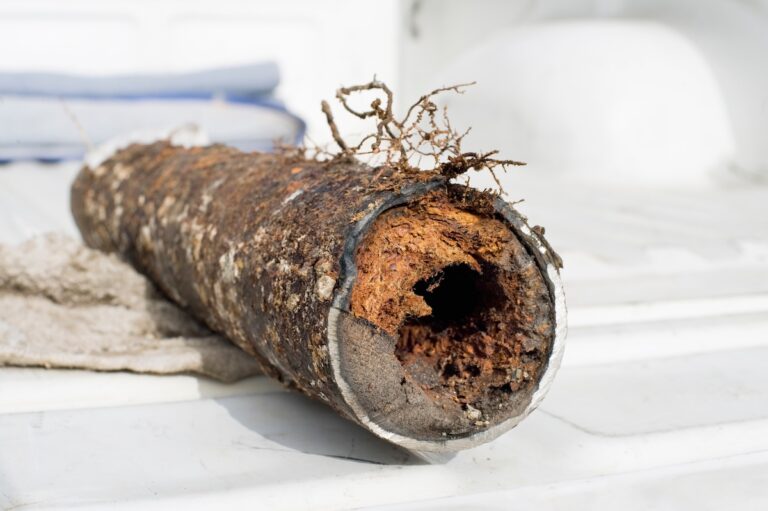
Tree roots are one of the leading causes of recurring clogs in Kent. They enter through pipe joints and expand, causing cracks and flow restrictions.
- Root cutting: Mechanical blades trim and clear root masses from inside the line.
- Follow-up flushing: Jetting removes root debris and prevents reformation.
- Root-resistant pipe options: If roots keep returning, pipe lining may be needed.
Root intrusion often worsens over time if left untreated. Even small root invasions can cause backups during heavy rainfall or high water use. Clearing the roots thoroughly and treating the line can significantly improve your system’s reliability.

6. Rinse and Flush the System
Once blockages are cleared, flushing the line removes loose debris and ensures everything is flowing properly.
- Final rinse: A high-pressure flush clears out residue.
- Camera re-inspection: Confirms cleaning success and identifies any hidden issues.
- Prevents re-clogging: Ensures no debris remains to cause new blockages.
Think of this as the finishing touch. Just like rinsing after scrubbing, this step ensures your pipes are truly clean. Skipping it could leave residue that leads to future issues, undermining the entire cleaning process.
7. Set a Maintenance Plan
Cleaning your line once is only part of the solution. Establishing a regular maintenance routine ensures long-term performance.
- Annual inspections: Spot small issues before they become major ones.
- Enzyme treatments: Monthly treatments maintain flow and reduce buildup.
- Seasonal cleanings: Especially important before the rainy season.
Your plumber can help you determine the best frequency based on your property’s condition and risk factors. Homes with nearby trees or older pipes usually require more frequent monitoring. A consistent maintenance plan saves money over time and gives peace of mind.
Tips for Keeping Your Sewer Line Clean
In addition to professional cleanings, there are things you can do to keep your line flowing smoothly:
- Avoid flushing wipes, grease, and hygiene products.
- Use strainers in sinks and tubs to catch debris.
- Limit use of chemical drain cleaners, which can corrode pipes.
- Run hot water down kitchen drains weekly to break up grease.
These habits reduce buildup and protect your pipes. Educate all household members about what should and shouldn’t go down the drain. It’s a simple step that prevents big problems.
What If Cleaning Doesn’t Solve the Problem?
Sometimes cleaning reveals a bigger issue. If a camera inspection shows collapsed pipes, offsets, or severe corrosion, repair may be the only solution.
- Pipe lining: Creates a new pipe inside the old one without digging.
- Pipe bursting: Replaces the damaged pipe by pulling a new one through it.
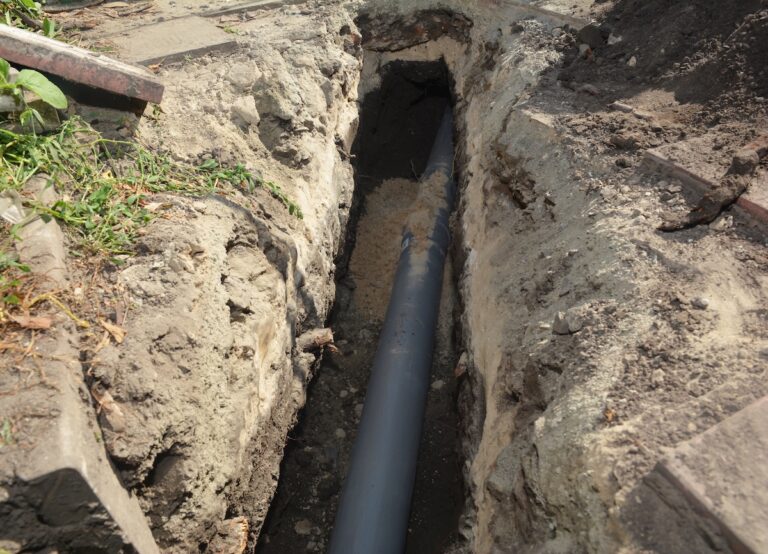
- Traditional excavation: Required for fully collapsed or severely offset lines.
Don’t panic if cleaning doesn’t fix everything. In some cases, your sewer system may simply be too old or damaged for maintenance alone. Fortunately, trenchless technology offers fast, affordable options that don’t require tearing up your entire yard.
Protect Your Home With Routine Sewer Cleaning
Sewer problems rarely fix themselves. With regular sewer line cleaning, you can avoid backups, extend the life of your pipes, and save money on emergency repairs. Whether you’re already seeing signs of trouble or just want peace of mind, a professional cleaning is the first step.
Contact Brewer Sewer today for expert sewer line cleaning in Kent and surrounding areas. Let us help you protect your plumbing and prevent the next backup before it happens.