

What Causes Water to Leak Into the Basement After Rain?
If you’ve noticed water leaking into basement after heavy rain events, you’re not alone—especially in the Seattle area. With older homes, shifting soils, and persistent rainfall, basement water intrusion is a frustrating and common issue that can lead to property damage, mold, and even structural problems if left untreated.
In this blog, we’ll explore the most common causes of basement leaks after a rainstorm, what to watch for, and how Brewer Sewer can help identify and fix exterior sewer-related issues that contribute to basement water problems.
- Frequent rainfall: Seattle’s weather increases hydrostatic pressure around foundations.
- Aging infrastructure: Older homes are more likely to have foundation or drainage issues.
- Misdiagnosis: Homeowners often assume it’s plumbing when it may be a sewer issue.
Why Rainwater Ends Up in Your Basement
Basement leaks don’t always start with visible cracks or indoor plumbing issues. When rainwater builds up around your foundation and has nowhere to go, it finds the path of least resistance—often into your home.
Water intrusion after heavy rain is usually the result of one or more exterior drainage or sewer problems. Understanding the root cause is the first step to protecting your basement from repeated flooding.
Seattle’s natural environment contributes heavily to these issues. The city’s hilly terrain, older neighborhoods with outdated sewer systems, and frequent rainstorms create ideal conditions for water to collect around foundations. In many cases, even well-maintained homes experience leaks due to how the surrounding land is graded or how stormwater flows during peak rainfall.
Common Signs of Rain-Related Basement Leaks
Not sure if that musty smell is a sign of trouble? Here are the key indicators that rain is finding its way into your basement:
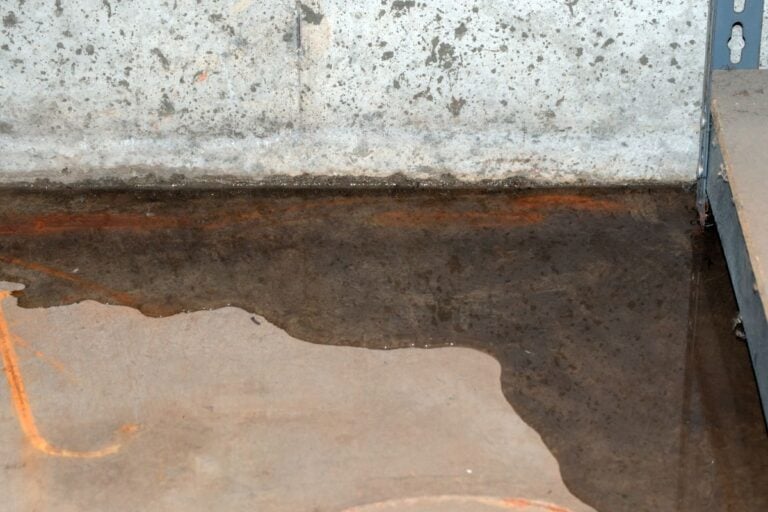
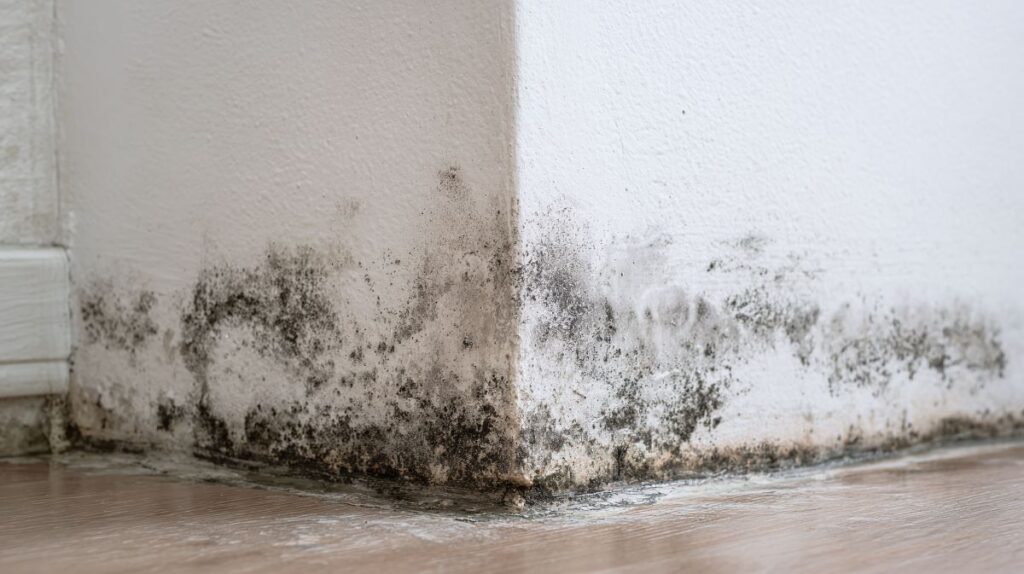
- Water stains on walls: Look for dark spots or streaks near the base of foundation walls.
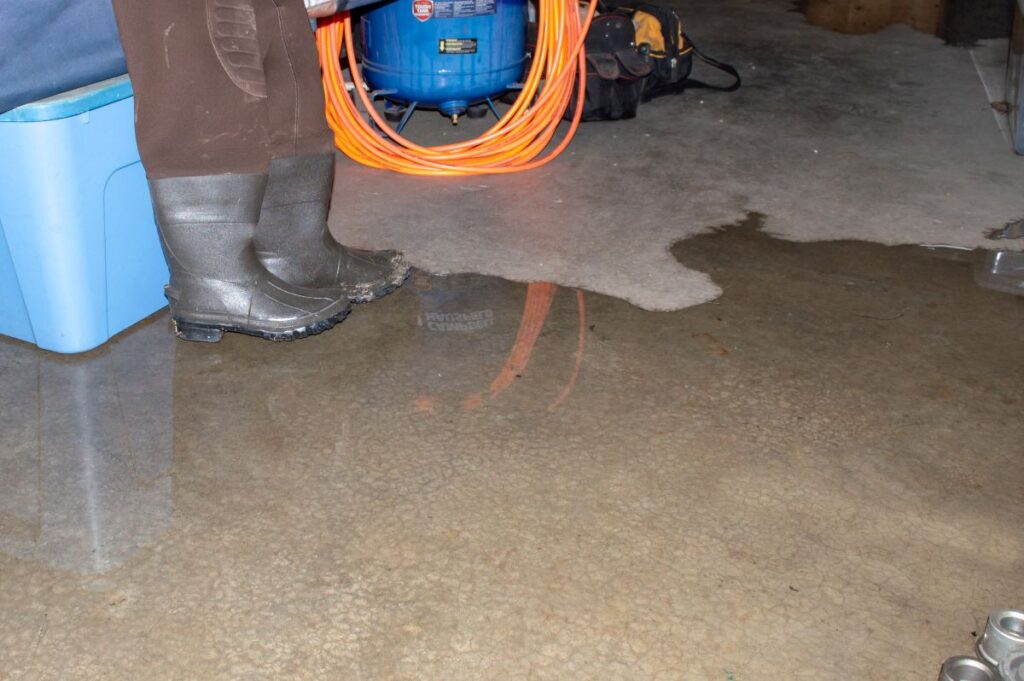
- Pooling on the floor: Rainwater may seep in through floor cracks or the joint between wall and floor.
- Efflorescence: A white, powdery residue on walls indicates water movement through masonry.
- Damp odors: Persistent musty smells usually mean moisture is lingering.
- Mold or mildew: Moist environments foster biological growth, especially after repeated rain events.
- Rust on appliances or fixtures: Water exposure may lead to visible corrosion on exposed metal in the basement.
These symptoms often appear subtle at first. A single rainfall might only create a damp patch or faint odor, but over time, the effects compound. Ignoring these warning signs can lead to worsening leaks and expensive repairs.
4 Top Causes of Water Leaking into Basement
Knowing what to look for can help you take action quickly. Here are the most common sources of water leaks following heavy rain in Seattle and surrounding areas.
1. Poor Exterior Drainage
When your yard doesn’t slope away from the foundation, rainwater collects near the base of your home.
- Incorrect grading: Soil should slope at least 6 inches over 10 feet.
- Sunken landscaping: Settling around older foundations allows pooling.
- Blocked surface drains: Clogged grates or drywells can overflow during storms.
- Disconnected downspouts: Rainwater that discharges near the foundation increases hydrostatic pressure.
2. Cracked Foundation Walls
Over time, your home’s foundation may develop small cracks that allow water to seep in under pressure.
- Hairline cracks: Often go unnoticed until heavy rain exposes them.
- Hydrostatic pressure: Saturated soil presses against the foundation, forcing water through any weakness.
- Shrink-swell cycles: Soil expands and contracts with moisture, worsening cracks.
3. Failed or Missing Footing Drains
Older homes may lack proper footing (perimeter) drains or have systems that have failed over time.
- Collapsed clay pipes: Common in pre-1960s construction.
- Silt or root intrusion: Can block or damage existing drain lines.
- No gravel layer: Poorly constructed drains can clog without proper drainage stone.
4. Sewer Backups from Overloaded Systems
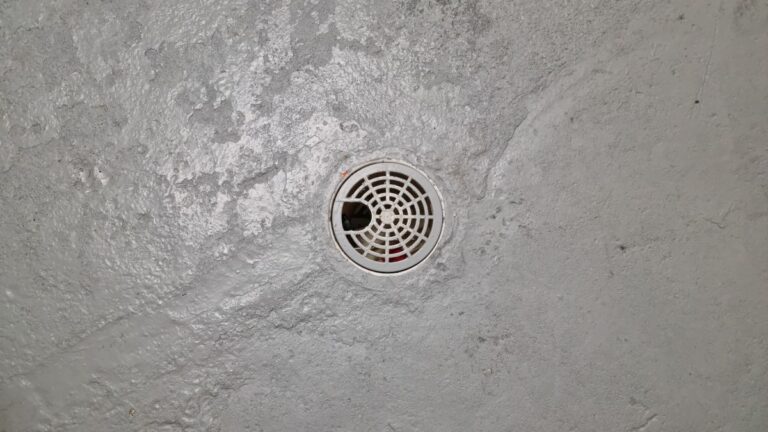
When heavy rain overwhelms municipal or private sewer lines, water may back up through basement drains.
- Combined sewer systems: Some Seattle neighborhoods still use shared storm/sanitary lines.
- Blocked mainlines: Roots, debris, or pipe collapse can cause rain runoff to backflow.
- Missing backwater valve: A critical safeguard against exterior water entering through the sewer.
- Improper tie-ins: Downspouts or yard drains illegally connected to sewer lines increase system load.
When It’s a Sewer Problem, Not a Plumbing Problem
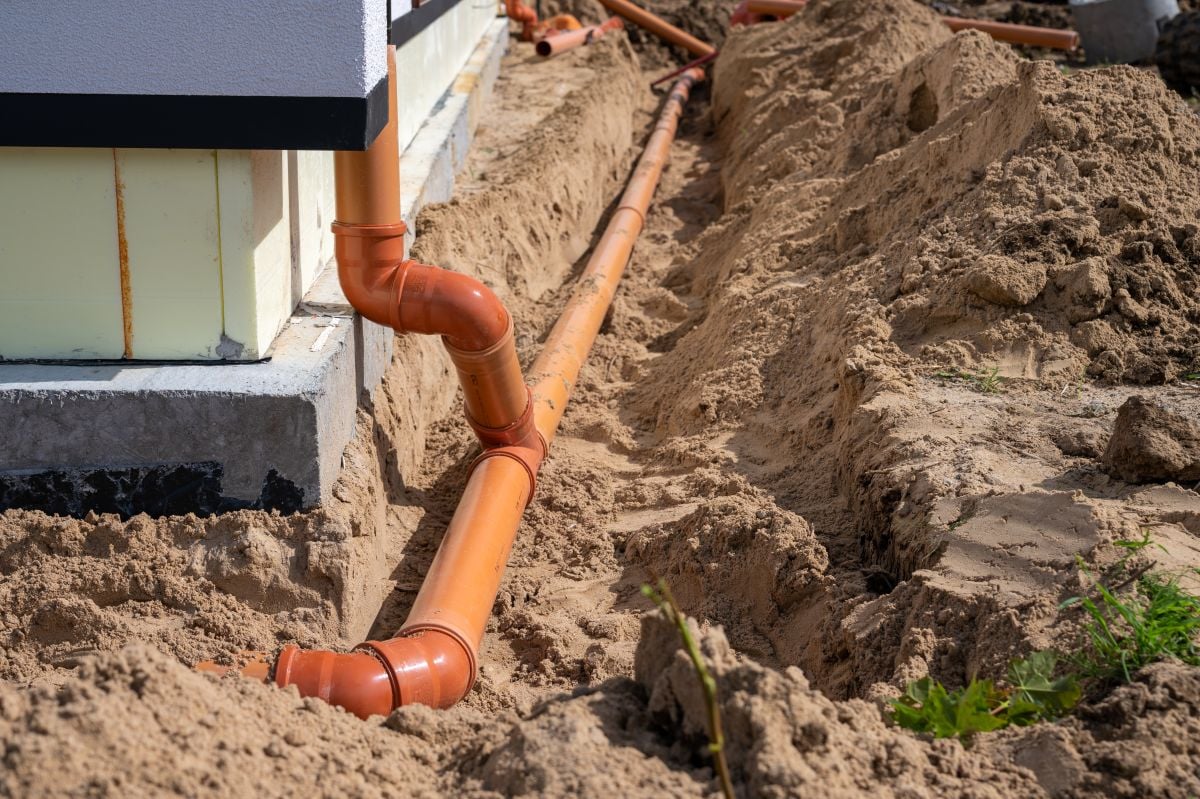
Many homeowners call a plumber when they see water in their basement, but not all moisture comes from indoor plumbing. Brewer Sewer specializes in diagnosing and resolving exterior sewer line issues that contribute to basement flooding.
Here’s how we help pinpoint and resolve the source:
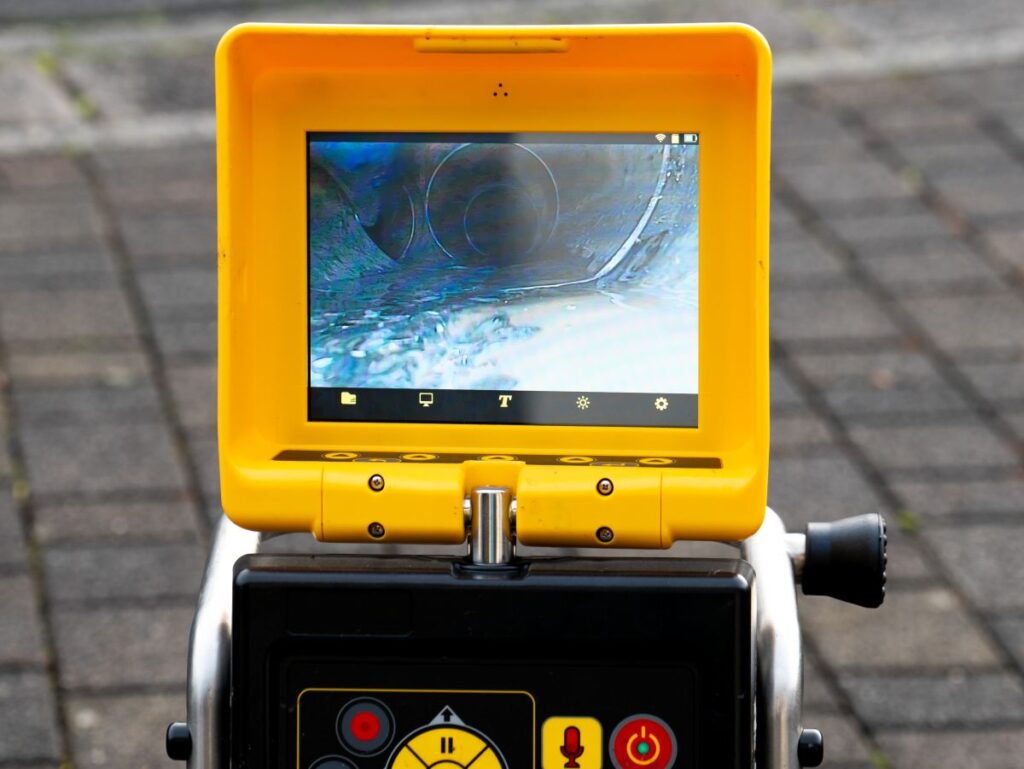
- Sewer camera inspections: Identify cracks, clogs, or root intrusion in underground lines.
- Drainage assessments: Evaluate how water moves around your home and where it collects.
- Backflow prevention installations: Stop city or yard runoff from entering your home.
- Trenchless sewer repair: Restore function without tearing up landscaping.
- Cleanout installations: Give you and future crews easy access for maintenance and emergencies.
The difference between a successful fix and repeat flooding often lies in calling the right specialist. We help homeowners avoid costly trial-and-error repairs by getting it right the first time.
How Brewer Sewer Helps Seattle Homeowners Stay Dry
Brewer Sewer focuses on exterior sewer and drainage solutions, not interior plumbing. If water is entering your basement after heavy rain, the issue often begins outside your home—and that’s where we specialize.
- Exterior sewer inspections: We locate broken or root-filled pipes causing backflow.
- Drainage corrections: We identify and resolve problems with surface and subsurface flow.
- Trenchless sewer lining: Reinforce aging pipes without damaging landscaping.
- Backwater valves: Keep city storm surges from entering your private sewer.
- Rain-related flood prevention: We diagnose causes that plumbers might overlook.
Our goal is to stop basement water at its source. Whether it’s a collapsed sewer line or missing drainage system, we offer permanent, minimally disruptive repairs that protect your home for the long term.
Keep Rain Where It Belongs—Outside
Seeing water leaking into basement after heavy rain? Don’t waste time and money guessing at solutions. If the problem lies in your yard or sewer system, Brewer Sewer will find it and fix it. We focus on external sewer and drainage issues, and that’s why we get results where others fall short.
Contact Brewer Sewer today for a free inspection and same-day service. Let’s put an end to repeat rain-related flooding before the next storm arrives.