
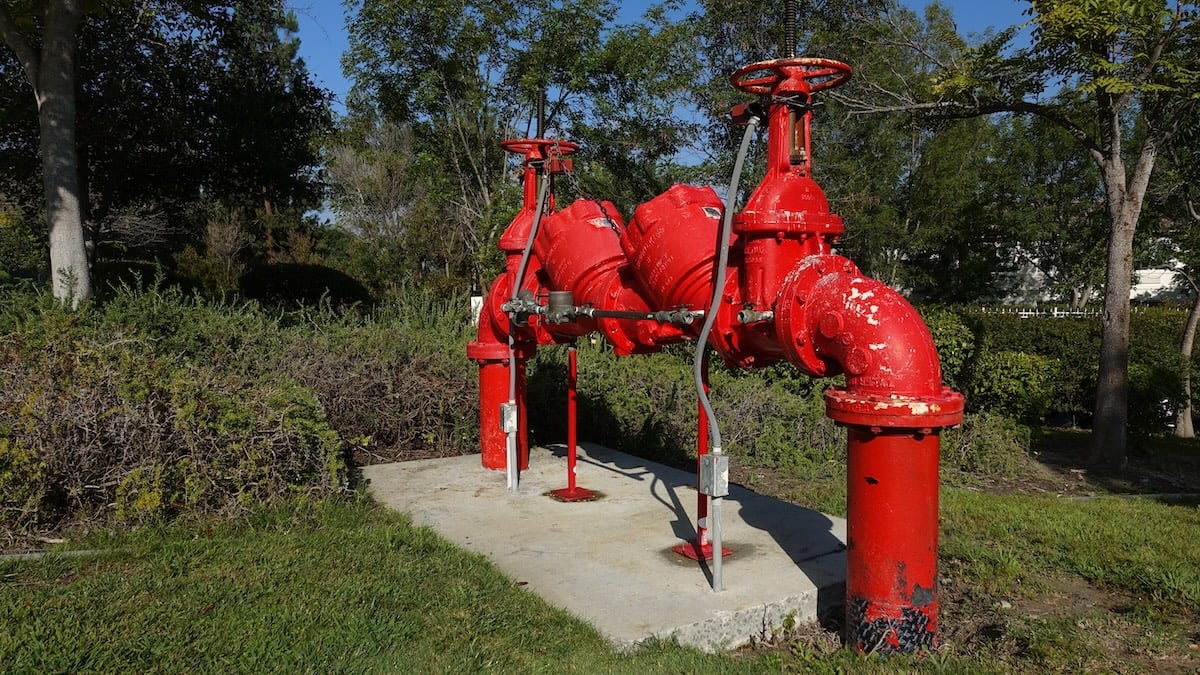
Backflow Valve Installation and Maintenance
Installing a backflow valve in your home’s plumbing system is one of the most important steps you can take to protect your water supply from contamination. Whether you’re a homeowner in Seattle or surrounding areas, understanding how these valves work—and how to maintain them—can prevent costly water damage and health risks.
In this blog, we’ll walk you through everything you need to know about backflow valve installation and upkeep, including:
- What a backflow valve does and why it matters
- Signs you need one (or that yours may be failing)
- Step-by-step installation insights
- Maintenance tips to keep things flowing smoothly
Let’s get started.
What Is a Backflow Valve?
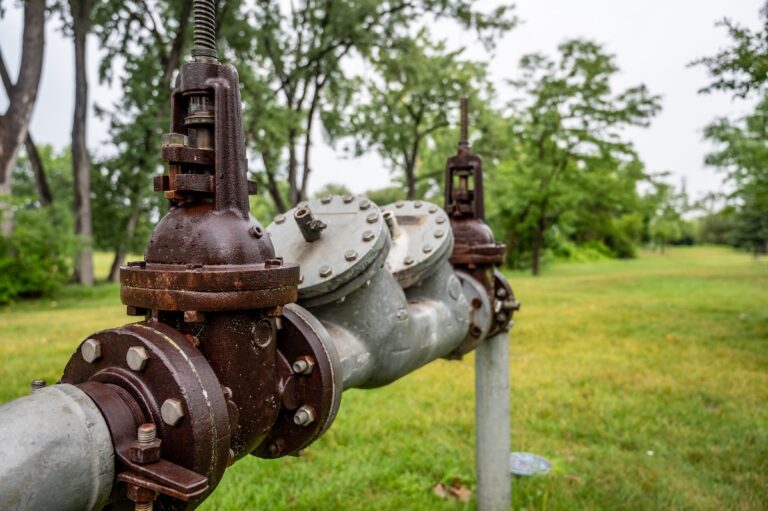
A backflow valve, sometimes called a check valve, is a device installed in your plumbing system that prevents contaminated water from flowing backward into your home’s clean water supply. In other words, it ensures that wastewater stays out of your drinking water.
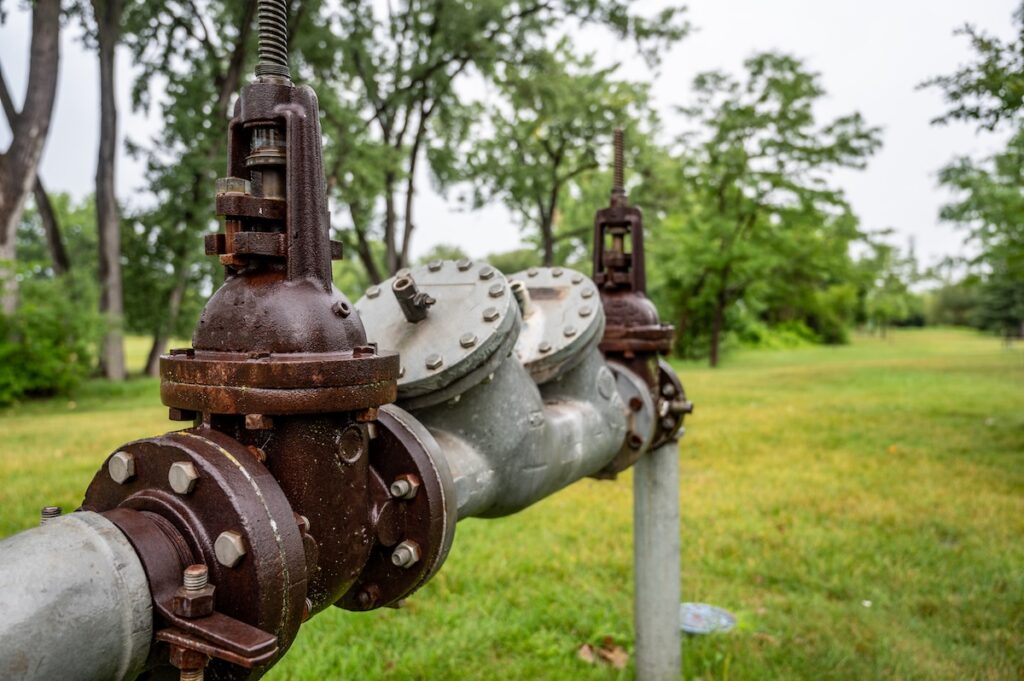
Why Backflow Prevention Is Critical in Seattle
Seattle homeowners face several local challenges that make backflow protection a smart move:
- Heavy rainfall: Storm surges can overwhelm sewer systems, causing backups.
- Aging infrastructure: Older homes with outdated pipes are more vulnerable.
- Topography: Seattle’s hills create natural gravity pressure that can push water in unexpected directions.
Without a working backflow valve, sudden changes in water pressure or sewer overflow can send dangerous water right into your kitchen or bathroom.
Signs You May Need a Backflow Valve
If you’re not sure whether your home has one—or if the one you have is doing its job—watch for these warning signs:
- Gurgling drains: This can signal pressure changes in your system.
- Sewage odors: A bad smell from sinks or tubs may indicate backflow.
- Slow draining fixtures: When multiple drains clog at once, it could be a backup.
- Water discoloration: Rusty or dirty water suggests contamination.
- Previous sewer backups: Homes that have flooded before are high-risk.
How a Backflow Valve Is Installed
Backflow valve installation is best handled by a licensed sewer specialist. Here’s a simplified overview of how it’s done:
Inspection and Access Point Identification
The first step is to inspect your plumbing system and identify where the valve should be placed—usually near the building drain or at the main sewer line entry point.
- Expert evaluation: A camera inspection helps pinpoint the best location.
- Code compliance: Proper placement ensures the system meets Seattle regulations.
Excavation (If Needed)
In homes without cleanout access, technicians may need to dig down to reach the sewer line.
- Minimal digging: Brewer Sewer prioritizes careful excavation.
- Yard protection: We replace sod, move plants, and treat your home with care.
Valve Installation
The backflow valve is then connected to the pipe and sealed in place. Some systems include a cleanout access for future maintenance.
- High-quality materials: Valves are made to resist corrosion and wear.
- Tested fit: We ensure the valve seats properly to prevent future failures.
Testing and Inspection
Before the system is backfilled, we run a test to make sure the valve is working correctly.
- Flow simulation: We check for leaks and confirm one-way flow.
- Final inspection: Everything is checked against local plumbing code.
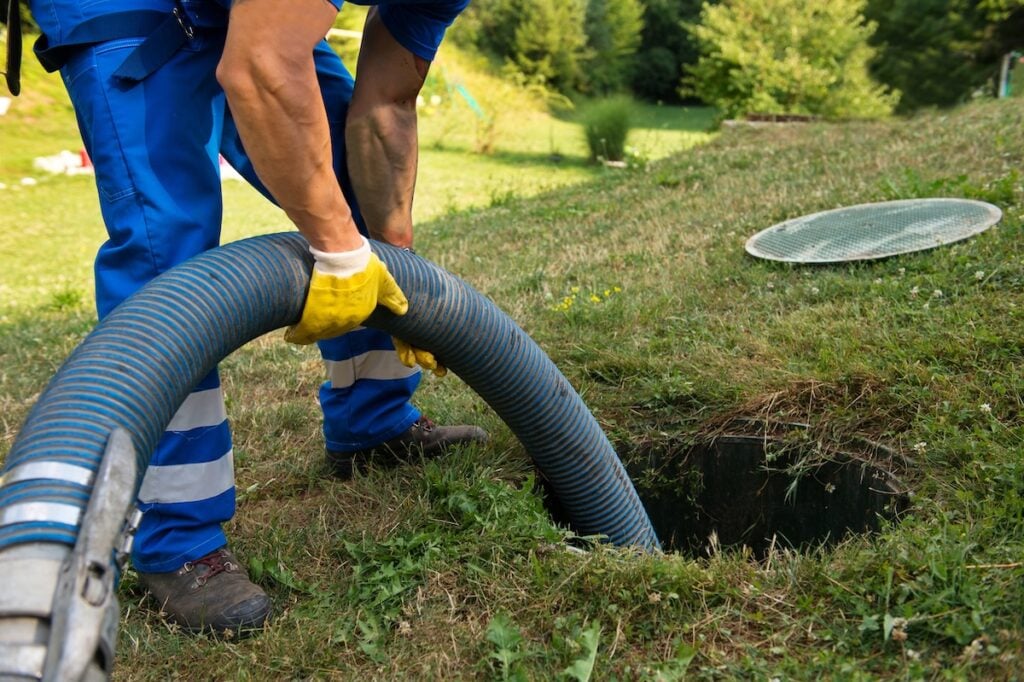
Maintenance Tips for Backflow Valves
Installing a backflow valve is just the beginning. Regular maintenance ensures that it continues to protect your home.
Annual Inspections
Have a professional inspect the valve annually, especially before Seattle’s rainy season begins.
- Preventive care: Small issues can be fixed before they cause failure.
- Peace of mind: Knowing your valve works lets you sleep easy during storms.
Cleanout Access and Flushing
Some valves include access ports that allow cleaning or flushing if debris builds up.
- Quick service: With the right design, no digging is needed.
- Clog prevention: Cleaning reduces pressure buildup and sewer risk.
Watch for Warning Signs
Even with maintenance, valves can wear out over time. If you notice recurring odors, clogs, or water discoloration, it may be time to replace the valve.
- Timely replacement: Avoids emergencies and water damage.
- System check: A plumber can inspect looking for burst pipes and other potential risks.
Why Choose Brewer Sewer for Backflow Valve Service?
Seattle homeowners trust Brewer Sewer for more than fast service. We pride ourselves on getting it right the first time, with clear communication and respect for your home.
- Same-day inspections: We often get to you the same day you call.
- Transparent pricing: No upsells or pressure—just honest advice.
- Clean, professional crews: Real people who treat your home with care.
- Sewer specialists: We install backflow valves that meet code and last.
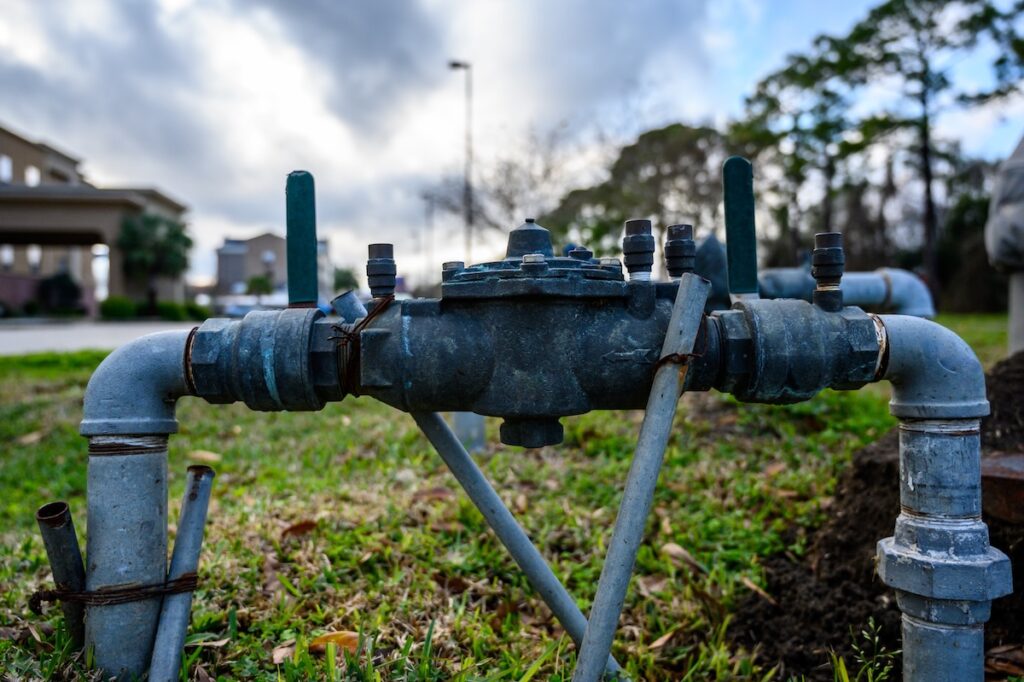
Protect Your Water, Protect Your Home
A working backflow valve is one of the smartest investments a homeowner can make. Whether you’re installing one for the first time or checking that your current valve is doing its job, regular maintenance can save you from sewer backups, costly repairs, and health hazards. Understanding the specific mechanics of a backflow preventer is the first step in ensuring your plumbing system is equipped to block contaminated water from ever entering your home.
At Brewer Sewer, we’ve helped countless Seattle homeowners stay safe, dry, and confident in their plumbing systems. Contact us today for a free estimate and see how simple backflow protection can be.