

What Is a Backflow Preventer and Do You Need One?
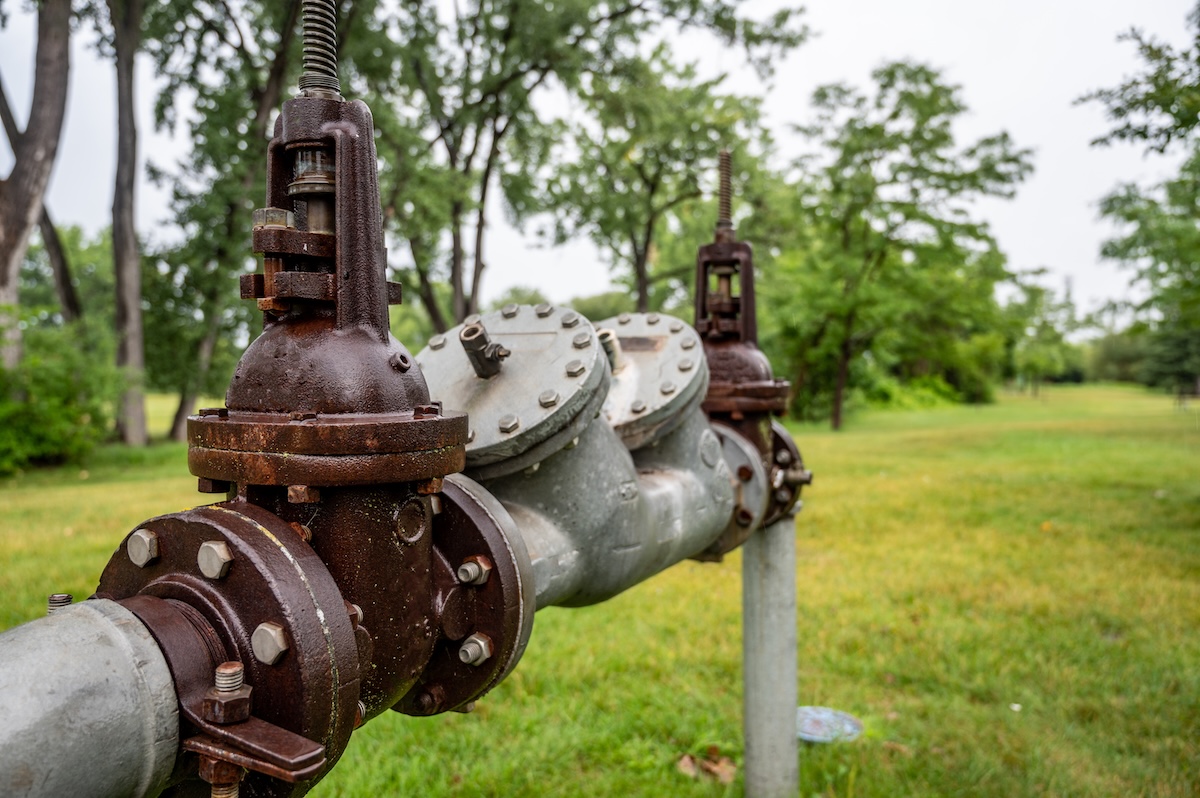
A backflow preventer is one of those unseen but essential devices that protect your home’s drinking water from contamination. Many homeowners in Bellevue and surrounding areas are unaware they even have one or that it may require regular maintenance or replacement. Understanding how a backflow preventer works, and whether your home needs one, is key to keeping your plumbing system safe, efficient, and up to local code.
- Purpose: Keeps dirty or contaminated water from flowing back into your home’s clean supply.
- Common installations: Found in irrigation systems, boilers, and certain plumbing setups.
- Maintenance need: Requires annual testing or inspection to ensure proper function.
If you’ve ever wondered whether your home is protected from backflow, this guide explains everything you need to know.
What Is a Backflow Preventer?
A backflow preventer is a safety device installed in your plumbing system to stop contaminated water from reversing direction and entering your clean water supply. It works by allowing water to flow in only one direction, ensuring that waste, chemicals, or pollutants from irrigation or sewage systems never mix with your drinking water.
How It Works
When water pressure suddenly changes—like during a main break, pump failure, or sudden surge—water can flow backward into connected systems. A backflow preventer contains check valves or air gaps that block this reverse flow.
- One-way protection: Keeps your home’s clean water separate from used or contaminated water.
- Internal valves: Close automatically when pressure drops or reverses.
- Air gap design: Some systems use a physical space to prevent contact between clean and dirty water.
- System safety: Protects your family, plumbing, and even city water supplies from contamination.
Where Backflow Preventers Are Installed
Backflow preventers are required in certain systems, especially where non-potable water sources connect to your home’s plumbing. In Bellevue and nearby communities, many local building codes specify where and when they must be used.
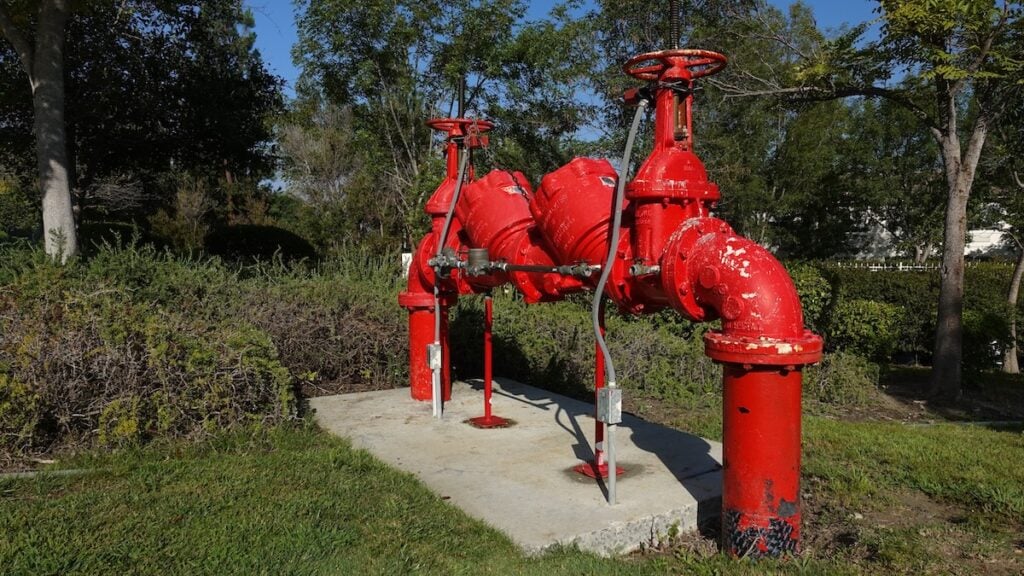
Common Locations for Backflow Preventers
- Irrigation systems: Prevent fertilizer, soil, or debris from entering household water lines.
- Fire sprinkler systems: Stop stagnant water from backflowing into the main supply.
- Boiler systems: Keep chemicals or heated water from mixing with drinking water.
- Outdoor hose bibs: Protect against contamination from connected hoses or outdoor equipment.
- Sewer connections: Prevent potential cross-contamination during pressure changes.
A licensed plumber or sewer specialist can identify whether your home already has one installed and confirm if it’s functioning correctly.
Do You Need a Backflow Preventer?
Most homes connected to city water already have some form of backflow protection, but certain setups—especially those with irrigation systems or older plumbing—may not meet current safety standards. Local regulations determine whether one is mandatory.
How to Know If Your Home Requires One
- Local codes: Many Washington cities, including Bellevue, require backflow preventers for sprinkler or commercial systems.
- System age: Older homes or remodels may not include updated backflow protection.
- Risk level: Homes with complex plumbing, wells, or irrigation lines face higher contamination risks.
- Home additions: Installing new outdoor water features or irrigation may require one by law.
Even if your home isn’t legally required to have one, installing a backflow preventer provides additional protection against unpredictable pressure events.
Types of Backflow Preventers
Understanding the different types helps homeowners choose the right device for their setup.
| Type of Backflow Preventer | Primary Use | Level of Protection | Maintenance Frequency | Common Installation Site |
| Air Gap | Residential & commercial | Very High | Low | Sinks, water tanks, dishwashers |
| Double Check Valve (DCV) | Irrigation, low-risk systems | Moderate | Annual testing | Sprinkler systems |
| Reduced Pressure Zone (RPZ) | High-risk applications | Very High | Annual testing | Fire lines, boilers, commercial plumbing |
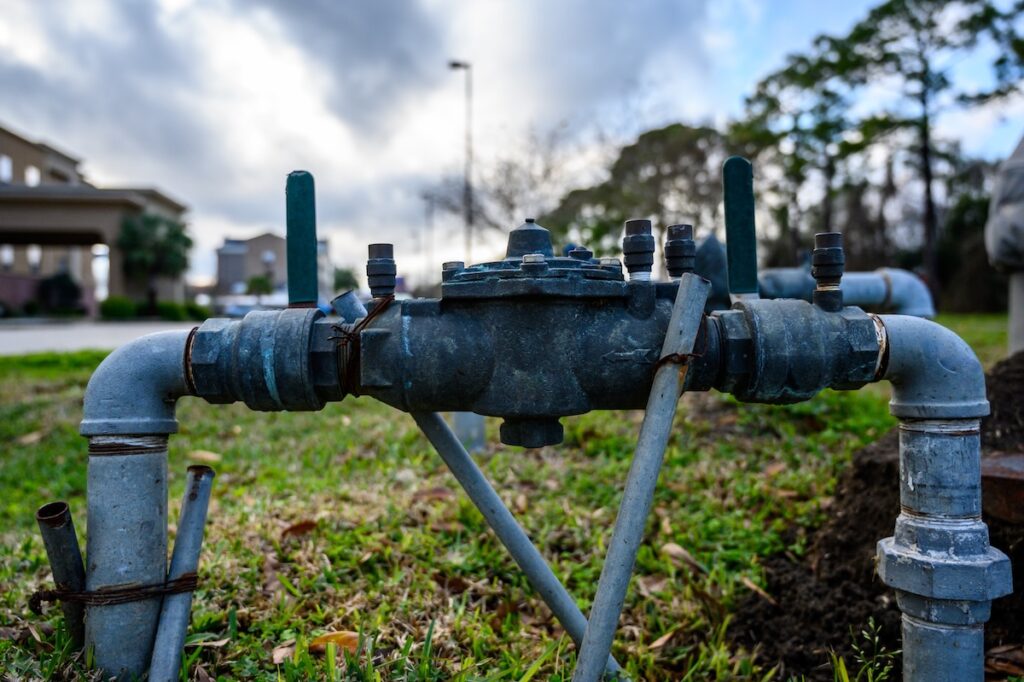
| Pressure Vacuum Breaker (PVB) | Lawn irrigation | Moderate | Annual testing | Outdoor spigots, irrigation lines |
Each system provides a different level of safety and maintenance requirement. Your local plumber can determine which one best fits your property.
Testing and Maintenance Requirements
Even the best backflow preventer requires periodic testing to remain effective. Over time, valves can fail or debris can block the mechanism. Annual testing ensures compliance with city requirements and keeps your water supply safe.
What Regular Maintenance Includes
- Annual inspection: Most Washington municipalities require yearly testing by a certified professional.
- Valve cleaning: Removes mineral buildup and debris to maintain full function.
- Component replacement: Worn seals or springs may need replacement over time.
- Documentation: Test results are typically filed with your local water authority to confirm compliance.
Ignoring testing can lead to fines, code violations, or even contamination of your home’s water.
5 Key Benefits of Installing a Backflow Preventer
Installing or upgrading a backflow preventer provides both peace of mind and tangible protection for your home.
- Protects family health: Prevents harmful contaminants from entering your water supply.
- Prevents plumbing damage: Reduces the risk of backflow pressure damaging pipes or fixtures.
- Ensures compliance: Keeps your property aligned with city or county safety regulations.
- Preserves water quality: Maintains clean, safe water for drinking and cooking.
- Increases property value: Modern plumbing safety features enhance home resale appeal.
Whether your system is new or decades old, adding proper backflow protection is a smart investment.
Common Myths About Backflow Prevention
There are several misconceptions about how backflow preventers work and when they are needed. Let’s clear up a few of the most frequent ones.
Myth 1: Only Commercial Buildings Need Backflow Prevention
Backflow can occur in any home. Lawn irrigation, outdoor spigots, and even residential boilers can cause contamination if water flows backward.
Myth 2: Once Installed, Backflow Preventers Don’t Need Service
Like any mechanical device, a backflow preventer needs periodic testing and maintenance. Springs, seals, and valves wear over time, especially in older systems.
Myth 3: It’s Too Expensive or Complicated to Install
Most residential installations are straightforward and affordable compared to the potential cost of water contamination or code violations.
Why Bellevue Homeowners Trust Brewer Sewer
Homeowners in Bellevue and surrounding areas rely on Brewer Sewer for expert backflow testing, installation, and inspection services. Our licensed technicians understand local building codes and provide fast, professional results that protect your home and water supply.
- Certified expertise: Licensed professionals qualified to install and test backflow systems.
- Local experience: Familiar with Bellevue’s water system and municipal safety requirements.
- Transparent pricing: Clear communication and written reports with every service.
- Comprehensive care: We handle inspections, repairs, and ongoing maintenance.
When it comes to keeping your home’s water safe, expertise and precision matter. While a properly maintained backflow system is your best defense against contamination, it is also important to be prepared for the financial side of broader system failures. Understanding the potential sewer backup repair cost ahead of time can help you make informed decisions about your property’s infrastructure and avoid the stress of unexpected emergency fees.
Protect Your Home with Brewer Sewer
A backflow preventer is a simple but critical safeguard that protects your household from contaminated water. Whether required by code or installed voluntarily, it ensures your plumbing system remains secure and compliant.
Contact Brewer Sewer today to schedule a backflow inspection and learn more. Our experts provide honest recommendations, certified testing, and reliable service to keep your water clean, your system compliant, and your family safe.