

Sewage Cleanup 101: What to Do Immediately After a Backup?
Dealing with sewage cleanup in your home can be one of the most stressful situations a homeowner will ever face. A backup not only creates a mess but also poses serious health risks and potential damage to your property. Acting quickly makes a huge difference in reducing long-term costs and restoring peace of mind.
Here’s what this guide will cover:
- Immediate safety steps: How to protect your family and minimize risks.
- Cleanup essentials: What to do (and what not to do) when sewage backs up.
- When to call a pro: Why expert help from Brewer Sewer in Seattle and surrounding areas saves time, money, and stress.
Understanding the Risks of a Sewage Backup
When sewage backs up into a home, it carries more than foul odors. It brings bacteria, viruses, and harmful contaminants that can quickly spread throughout your living spaces. Many homeowners initially try to handle the problem themselves, but without the right equipment, the issue can linger and create hidden hazards.
Exposure to sewage water can cause gastrointestinal issues, skin irritation, and respiratory problems. Beyond health concerns, untreated sewage can damage flooring, drywall, and even structural components of your home. That’s why taking action in the first few hours is critical.
Seattle and surrounding areas are full of homes built between the 1920s and 1970s, many with sewer lines well past their life expectancy. That means backups are not just a possibility—they’re increasingly common. Homeowners who are proactive about maintenance, such as installing a backflow valve to prevent sewage from reversing into the home, tend to avoid the worst outcomes, while those who wait until disaster strikes often face higher repair bills.

First Steps: Protecting Your Home and Family
Before diving into cleanup, it’s important to pause and protect your household. Even a small sewage spill can become a bigger problem if not handled properly.
Safety Precautions to Take Immediately
- Limit exposure: Keep children, pets, and anyone with respiratory issues away from the affected area.
- Turn off electricity: If water levels are rising near outlets or appliances, shut off the power in that section of your home.
- Wear protection: Gloves, masks, and boots help prevent direct contact with contaminants.
Taking a few minutes to establish safety reduces the risk of serious injury or illness. It also helps keep the problem contained until professionals arrive.
5 Essential Steps for Sewage Cleanup
If you’re facing a sewage backup in Seattle and surrounding areas, these are the key actions to take right away.
- Stop the Source
- Identify the issue: In many cases, a clog in the main sewer line is the culprit. Avoid running additional water until the cause is confirmed.
- Shut off water flow: If possible, stop all household water use until a professional has inspected the problem.
- Contact your utility provider if needed: In rare cases, backups may be linked to municipal lines.
- Ventilate the Area
- Open windows: Fresh air helps reduce odor and slows the spread of contaminants.
- Use fans carefully: Only use fans that are not at risk of electrical contact with standing water.
- Dehumidify if possible: Moisture control reduces the risk of mold growth.
- Remove Standing Water
- Pump or wet vacuum: Homeowners with the right equipment may be able to remove some of the water.
- Work quickly: The longer water remains, the more it penetrates surfaces.
- Disposal matters: Never dump contaminated water in storm drains or nearby yards.
- Dispose of Contaminated Items
- Soft materials: Carpets, cardboard, and fabrics often cannot be salvaged after sewage exposure.
- Porous surfaces: Drywall and insulation may need removal if they’ve absorbed contaminated water.
- Furniture considerations: Wood furniture may sometimes be restored, but upholstery is usually unsalvageable.
- Sanitize and Disinfect
- Bleach solutions: Proper disinfectants are essential to kill harmful bacteria and viruses.
- Professional equipment: High-grade cleaning products and drying systems reduce long-term risks like mold growth.
- Air purification: Consider HEPA filters to improve indoor air quality during and after cleanup.
Common Mistakes Homeowners Make During Sewage Cleanup
Even with the best intentions, many homeowners unintentionally make their situation worse. Here are some pitfalls to avoid:

- Using regular household cleaners: Everyday sprays and detergents are not strong enough to kill the pathogens present in sewage water.
- Overlooking hidden damage: Water can seep into wall cavities, beneath flooring, or inside ductwork, creating long-term contamination.
- Delaying professional help: Waiting even 24–48 hours before calling in experts can significantly increase damage and health risks.
- Trying to save everything: Some items simply cannot be salvaged safely. Hanging onto contaminated materials increases exposure and odor.
Ultimately, the most effective way to protect your home and health is to prioritize a thorough decontamination process. Failing to follow the proper protocols can lead to lingering bacteria and structural rot, making it vital to understand the full scope of sewage damage cleanup before you begin. Taking the right steps immediately ensures that your property is restored to a safe, sanitary condition without the risk of long-term complications.
Why Professional Sewage Cleanup Matters
Attempting sewage cleanup without professional help can lead to hidden damage and ongoing health risks. Homeowners may believe they’ve solved the problem when in fact contaminants have seeped into flooring or behind walls.
Brewer Sewer provides fast response for emergencies like this, offering same-day inspections and often same-day service. Our team not only addresses the immediate backup but also inspects your sewer system to prevent future issues. With advanced trenchless lining technology, we can often repair damaged pipes without tearing up your yard, giving you both relief and long-term peace of mind.
Professional crews also bring industrial-grade pumps, disinfectants, and protective equipment that homeowners simply don’t have on hand. Just as importantly, trained technicians know how to document damage for insurance claims, helping homeowners recover costs faster.
Preventing Future Backups
No one wants to face sewage cleanup twice. Preventative maintenance is the best way to protect your home.
Tips to Reduce the Risk of Backups
- Regular inspections: Scheduling camera inspections helps catch small problems before they turn into disasters.
- Mind what goes down drains: Avoid flushing wipes, grease, or foreign objects that can clog sewer lines.
- Consider hydro jetting: Professional jetting services clear buildup and extend the life of your sewer system.
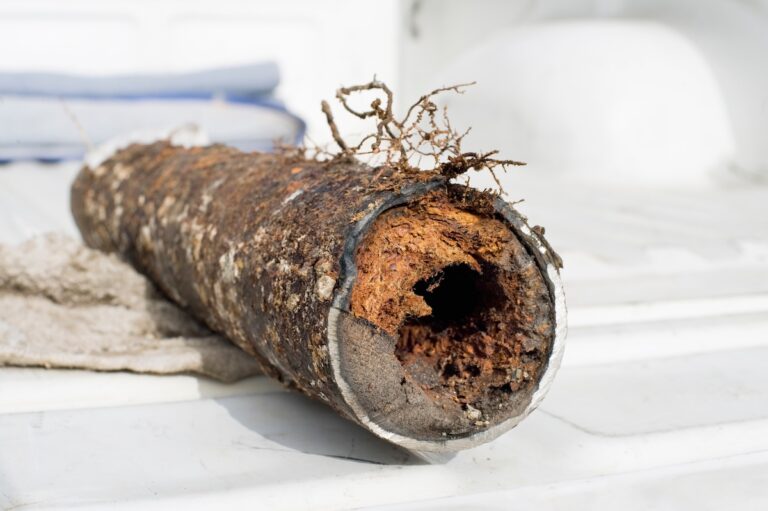
- Check tree roots: Older Seattle homes often deal with invasive roots breaking into pipes—lining can provide a long-term solution.
- Upgrade old pipes: Clay and concrete pipes common in Seattle neighborhoods are past their intended lifespan and prone to collapse.
Preventative steps may not sound urgent, but they are far less stressful and costly than an emergency sewage cleanup.
The Emotional Toll of a Backup
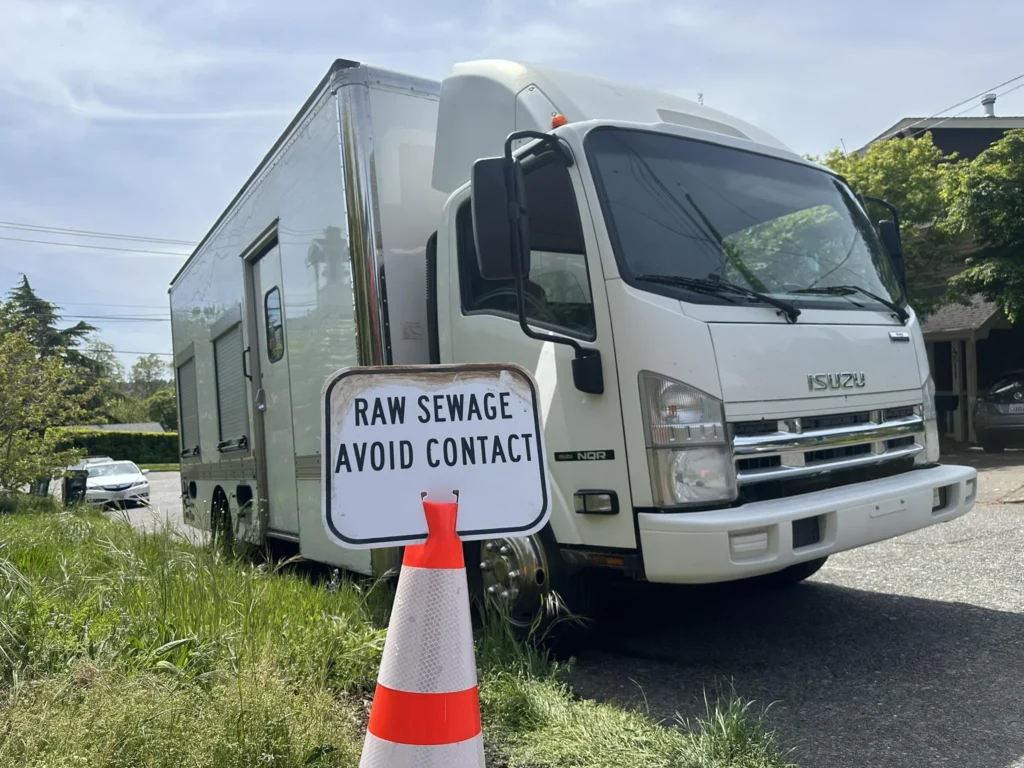
Beyond the physical mess, a sewage backup takes an emotional toll on homeowners. Many describe losing sleep, feeling anxious about rainstorms, or fearing the problem will return. Brewer Sewer understands this stress firsthand.
Homeowners often share that after a backup, they no longer feel comfortable in their own living spaces. The constant worry—what if it happens again during the next storm?—can make everyday life feel unsettled. That’s why the restoration process is about more than fixing pipes. It’s about restoring confidence in your home.
Beyond just the physical restoration of your landscape, we believe in providing full financial clarity throughout the process. We understand that a major plumbing issue can be a stressful investment, which is why we offer transparent estimates to help you plan ahead. To better understand the factors that influence professional pricing, you can review our detailed breakdown of sewer backup repair cost. At Brewer Sewer, our goal is to ensure you feel as comfortable with the budget as you do with the final results.
Sewage Cleanup in Seattle: Local Challenges
Homeowners in Seattle and surrounding areas face unique challenges when it comes to sewage cleanup. Many of the city’s homes are older, with pipes made from outdated materials. Heavy rainfall also plays a big role—since downspouts are often tied into sewer systems, storms can quickly overwhelm lines.
Tree roots are another frequent culprit. With Seattle’s lush, green neighborhoods, roots often invade sewer lines seeking moisture. Once inside, they create blockages that lead to backups.
Because of these conditions, Brewer Sewer recommends that homeowners schedule preventative inspections every few years. Spotting cracks, root intrusion, or partial clogs early can help prevent an emergency call later.
Trust Brewer Sewer for Sewage Cleanup
Sewage cleanup is not just another household chore; it’s an urgent task that requires immediate attention and the right expertise. Acting fast helps protect your health, limit property damage, and keep repair costs under control.
At Brewer Sewer, we’ve built our reputation in Seattle and the surrounding areas on fast response, honest communication, and respectful restoration. Whether you’re facing an active backup or want to prevent one in the future, our team is here to help.
Don’t wait until the problem gets worse. Contact Brewer Sewer today for a professional inspection, emergency sewage cleanup, or long-term sewer solutions.